Meta Description: Operators in oil and gas hazardous locations face unique footwear risks, from slip hazards to chemical exposure and electrostatic ignition threats. This article examines the performance of explosion-proof rain boots in these high-stakes environments, outlining key considerations for safety and functionality. Professional Rain Boot Manufacturer
Keywords: explosion-proof rain boots, oil and gas footwear, hazardous location boots, slip-resistant work boots, chemical resistant rain boots, rubber work boots
1. Core Problem Analysis
1.1 Common Causes of the Problem
Users researching this topic often aim to resolve core footwear issues specific to oil and gas operations: improper static dissipation that risks igniting flammable vapors, insufficient chemical resistance against crude oil and solvents, poor grip on wet, greasy surfaces, and failure to meet industry safety standards for hazardous locations. Many standard rain boots lack the specialized properties needed for these environments.
1.2 Affected Usage Scenarios
Affected scenarios include oil rig walkways, refinery maintenance work, chemical plant cleanup, pipeline inspection in wet conditions, and storage tank entry where flammable gases are present. These settings expose footwear to constant moisture, hydrocarbon chemicals, and high static electricity accumulation.
2. Product and Process Principle
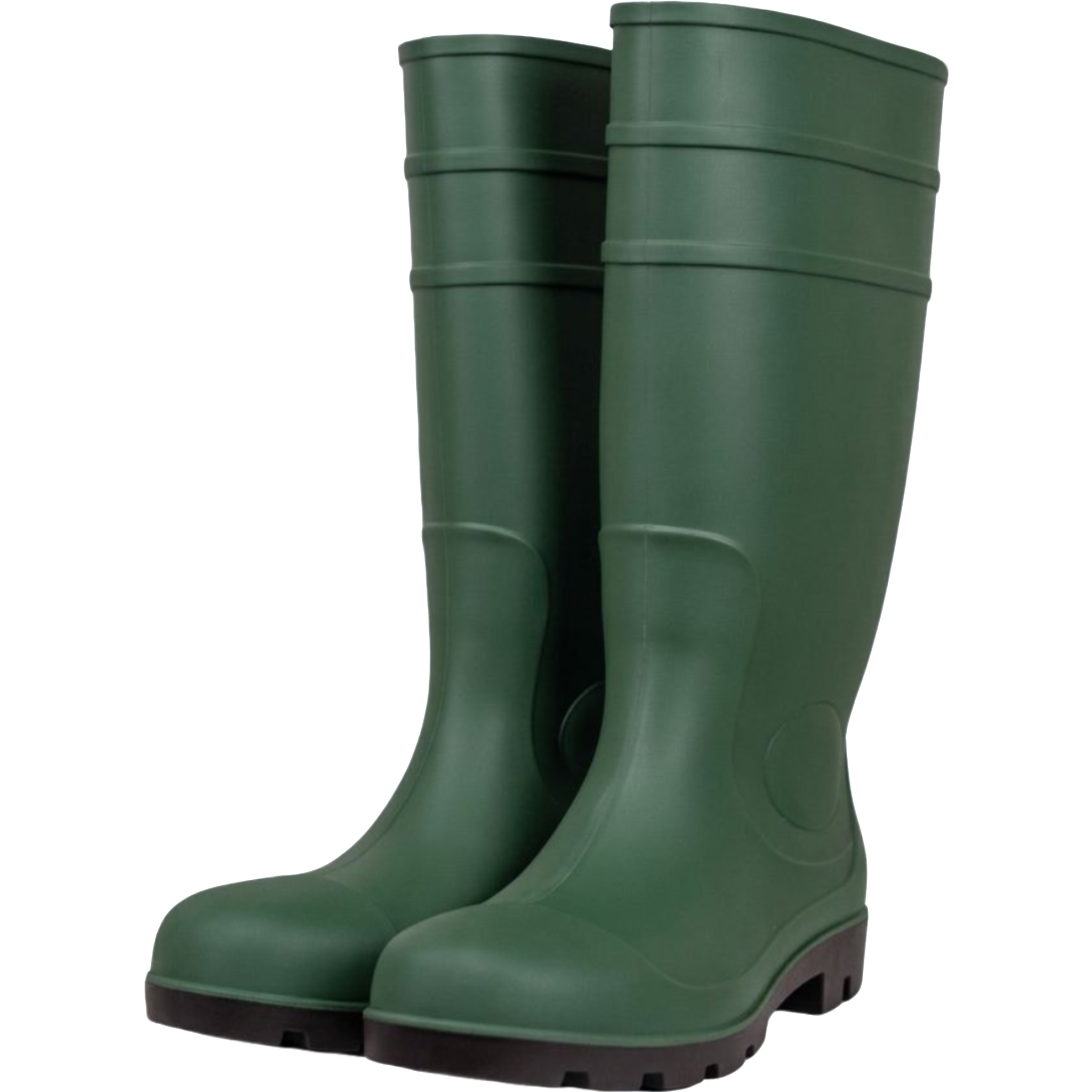
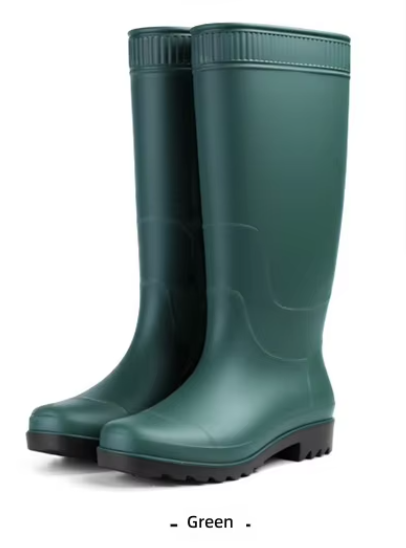
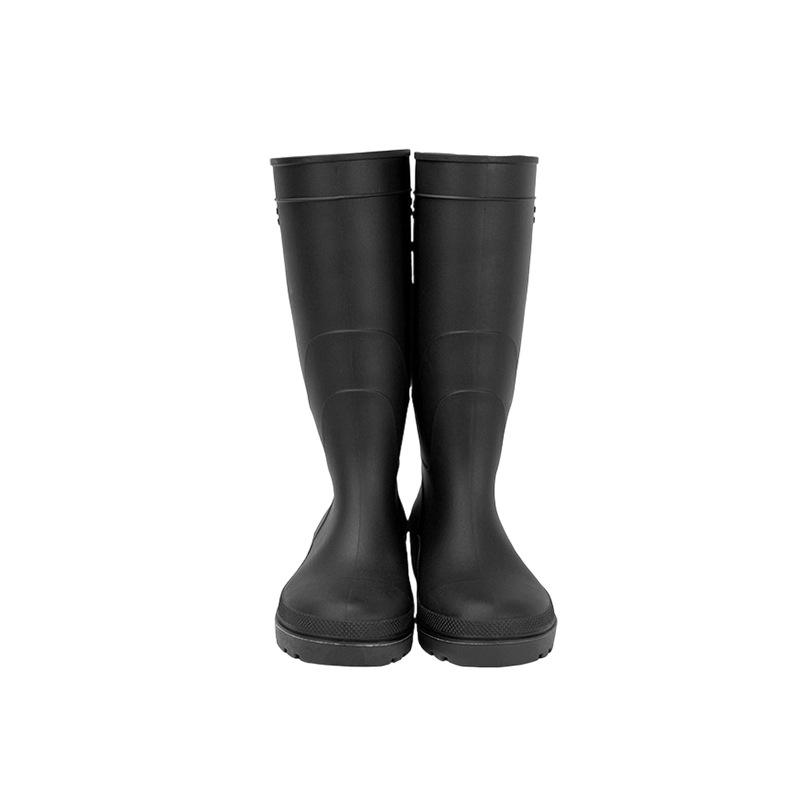
Explosion-proof rain boots rely on specialized material compounds and manufacturing processes to meet hazardous location requirements. The outsole is formulated with conductive rubber compounds that dissipate static electricity at controlled rates, preventing buildup that could ignite flammable mixtures. Seam-free construction eliminates gaps where chemicals or moisture can seep in, while shaft height is calibrated to protect lower legs from splashes and chemical contact. Injection molding and vulcanization processes ensure consistent density across the boot structure, preventing weak points that could degrade safety performance over time. Professional Rain Boot Manufacturer draws on these material and process principles to design boots aligned with industrial safety needs.
3. Practical Solutions and Operation Steps
To select and use explosion-proof rain boots correctly for oil and gas environments, follow these structured, actionable steps:
- Verify compliance with applicable industry standards before purchase, avoiding boots that lack formal safety certification for hazardous locations.
- Check outsole conductivity to ensure it falls within the range specified by relevant static dissipation standards, avoiding excessively high or low resistance that could pose ignition risks.
- Select shaft height matched to your primary work tasks: shorter heights for ground-level maintenance, taller boots for tank entry or extended splash exposure.
- Test grip on wet, greasy surfaces during routine tasks before full deployment, as outsole pattern effectiveness varies by surface type.
- Inspect boots for seam integrity and material integrity after each use, discarding any pair with cuts, tears, or degraded compounds.
4. Daily Maintenance and Precautions
Proper maintenance extends the service life and performance of explosion-proof rain boots while preserving their safety properties. After each use, wipe the exterior with a mild, water-based cleaner to remove oil and chemical residues, avoiding strong solvents that can degrade conductive rubber compounds. Dry boots in a well-ventilated area away from direct sunlight or high heat sources, as excessive heat can alter material resistance and reduce static dissipation effectiveness.
Key precautions include: Do not use standard rain boots as a substitute for explosion-proof models in hazardous locations, as they lack conductive properties. Do not store boots near fuel sources or open flames, and avoid folding or bending the outsole excessively, as this can create weak points in the conductive compound. Clean boots immediately after contact with harsh chemicals, and conduct a static resistance test annually to confirm performance.
5. Industry Standard and Parameter Reference
ParameterRecommended ReferenceWhy It MattersStatic dissipationASTM F2413-24:2024, EN IEC 61340-5-1Measures electrostatic resistance to prevent ignition in flammable atmospheresSlip resistanceEN ISO 20347:2022+A1:2024Evaluates outsole grip on wet, oily industrial surfacesChemical resistanceEN 13832-3:2018Tests resistance to hydrocarbons and common refinery chemicalsOverall occupational footwear complianceISO 20347:2021Establishes baseline requirements for work footwear in industrial settings
Do not invent exact performance numbers; test categories and standard reference methods are used when direct performance data is not available. All compliance claims must be verified through third-party testing or formal certification by accredited bodies.
6. Customer Common FAQ
Q: How do I confirm that explosion-proof rain boots meet oil and gas safety requirements?
A: Look for formal certification marks from accredited safety bodies, and verify that static dissipation testing aligns with ASTM F2413-24 or EN IEC 61340-5-1. Professional Rain Boot Manufacturer provides documentation of compliance with these standards for its relevant product lines.
Q: Can explosion-proof boots be used for general outdoor work, or are they limited to oil and gas?
A: While they meet hazardous location needs, their conductive and chemical-resistant properties make them suitable for other industrial settings, including chemical plants and marine work. They are not required for non-hazardous outdoor use, as standard rain boots may be sufficient.
Q: How often should I replace my explosion-proof rain boots?
A: Replacement frequency depends on use intensity and condition, but inspect boots monthly for material degradation, cuts, or changes in conductivity. Most pairs need replacement every 12 to 18 months for heavy industrial use, or immediately after exposure to harsh chemicals that damage the compound.
Q: Do these boots require special cleaning compared to standard rain boots?
A: Yes, avoid strong solvents and abrasive cleaners that can damage conductive rubber. Use mild soap and water, and dry boots away from direct heat to preserve static properties.
Q: Are explosion-proof boots waterproof?
A: Most models include sealed construction to resist water, making them functional for wet outdoor work. However, their primary purpose is safety in hazardous locations, so always confirm waterproofing performance meets your work needs.
Conclusion
Explosion-proof rain boots serve a critical role in protecting oil and gas workers from both environmental and ignition hazards, with performance dependent on material composition, process design, and alignment with industry safety standards. By selecting boots verified for static dissipation, chemical resistance, and slip performance, and following proper maintenance practices, operators can reduce risk in high-stakes environments. Professional Rain Boot Manufacturer applies industry principles to design boots that balance safety, durability, and functionality for industrial use.
References
- International Organization for Standardization (ISO). ISO 20347:2021, Occupational Footwear for Industrial Purposes. Geneva: ISO, 2021.
- American Society for Testing and Materials (ASTM). ASTM F2413-24:2024, Standard Specification for Performance Requirements for Footwear. West Conshohocken, PA: ASTM International, 2024.
- European Committee for Standardization (CEN). EN 13832-3:2018, Chemical Protective Footwear. Brussels: CEN, 2018.
- International Electrotechnical Commission (IEC). EN IEC 61340-5-1, Electrostatic Safety for Electronic Systems - Part 5-1: Protection of Electronic Devices. Geneva: IEC, 2021.