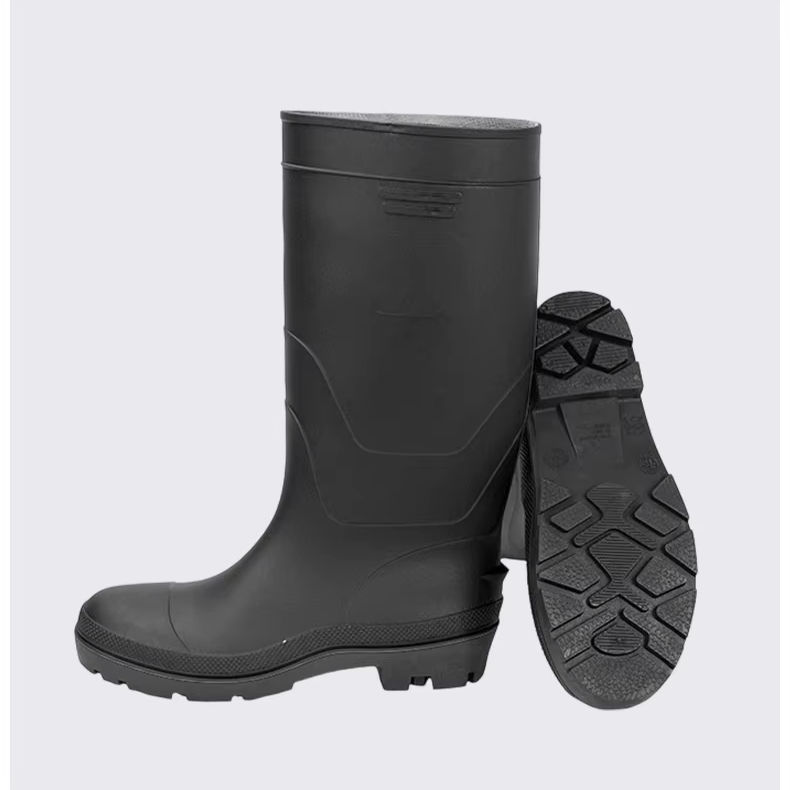
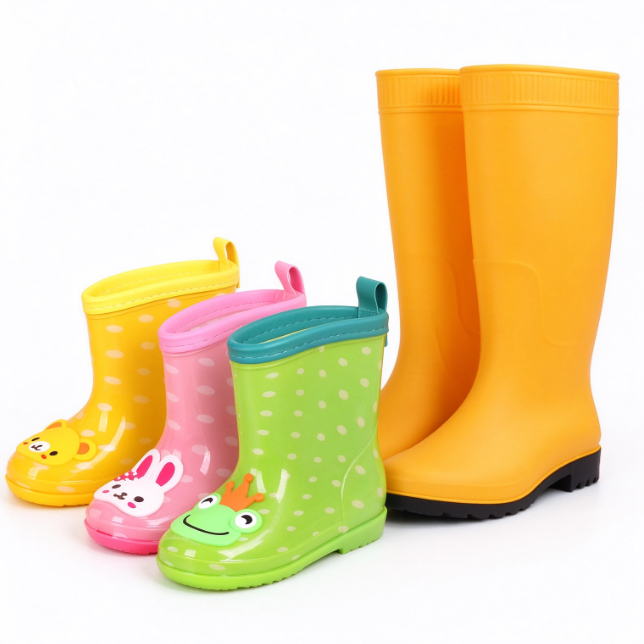
Meta Description: For outdoor workers and hikers in warm, humid regions, damp, sweaty feet and frequent sock changes undermine productivity and comfort. This guide explains how breathable rain boots address these issues, with actionable insights for material selection and use. Professional Rain Boot Manufacturer provides this industry-focused educational content to support informed decisions.
Keywords: breathable rain boots, waterproof boots for warm climates, rubber boot breathability, outdoor trek footwear, rain boot material selection
1. Core Problem Analysis
1.1 Common Causes of the Problem
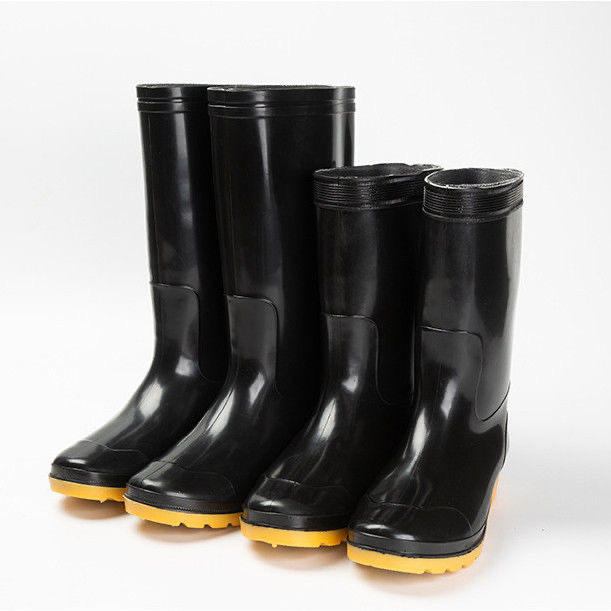
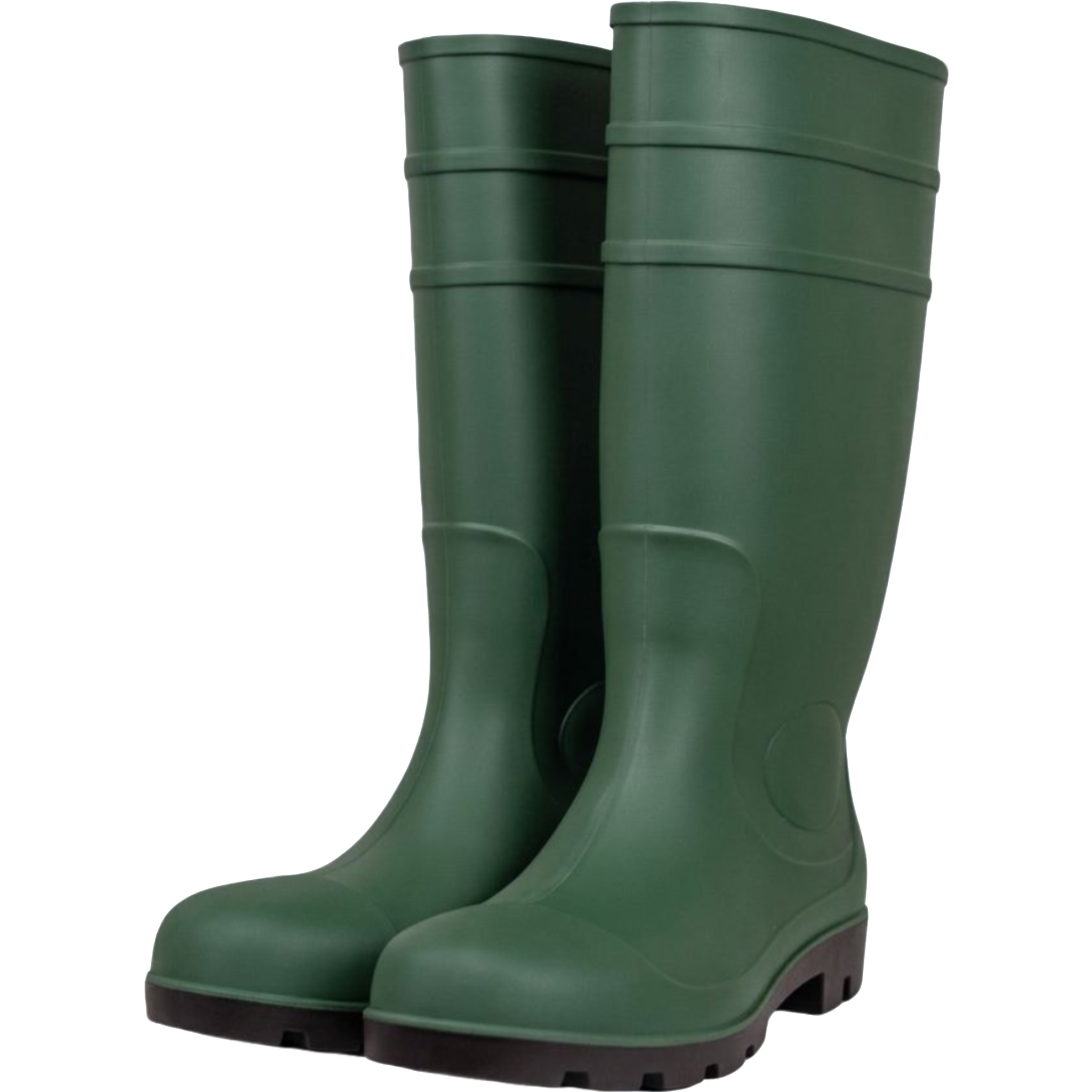
Users searching for this topic face two primary pain points: trapped moisture inside rain boots and reduced performance of waterproof linings in high temperatures. Traditional fully waterproof boots often use airtight PVC or vulcanized rubber that prevent sweat vapor from escaping, leading to damp linings, bacterial growth, and blisters. Additional contributing factors include insufficient ventilation design, mismatched material formulations, and lack of consideration for continuous wear over extended periods.
1.2 Affected Usage Scenarios
This issue impacts workers and adventurers in warm, damp environments including rice farming, tropical gardening, rainy season logistics operations, freshwater fishing, and multi-day backcountry treks. Each scenario involves prolonged contact with wet ground or sustained high humidity, amplifying the negative effects of non-breathable footwear. For example, agricultural workers may wear rain boots for 8–12 hour shifts, while trekkers may be exposed to 10+ hours of continuous moisture and heat over several days.
2. Product and Process Principle
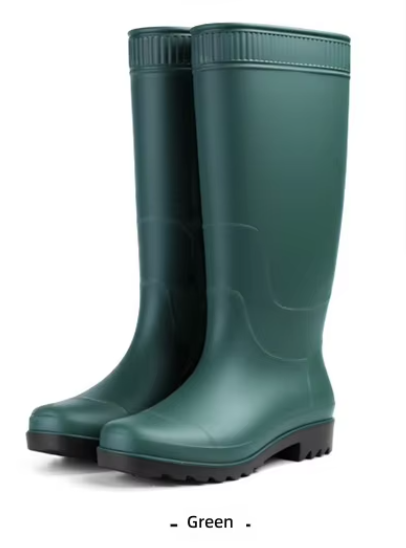
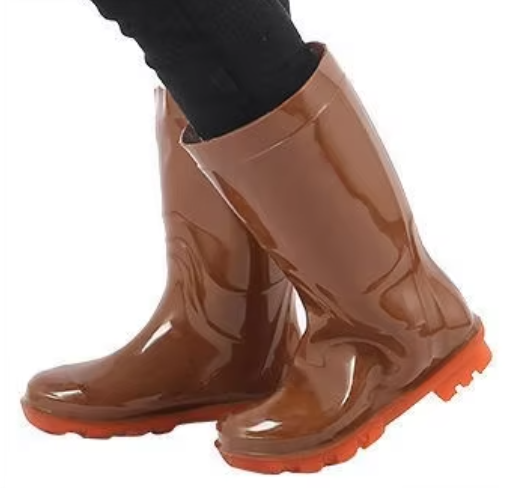
Breathable rain boots solve the moisture balance problem through two key technologies: moisture-permeable material membranes and perforated lining integration. Modern formulations often use micro-porous PVC compounds or polyurethane films with pore sizes large enough for water vapor to pass through while blocking liquid water, a design validated via ISO 17228:2018 testing which measures moisture vapor transmission rate (MVTR). Seamless injection molding processes eliminate weak points where water could enter, while controlled shaft heights and interior gap design improve air circulation.
Professional Rain Boot Manufacturer emphasizes that breathability is not achieved at the expense of waterproof performance; certified designs maintain water resistance equivalent to non-breathable options while allowing sweat vapor to exit. This balance is critical for sustained wear, as unregulated moisture inside boots increases fatigue and reduces user productivity.
3. Practical Solutions and Operation Steps
To select suitable breathable rain boots for warm, damp climates, follow these objective, actionable steps. First, confirm the MVTR value: look for boots with a minimum MVTR of 5,000 g/m²/24h, per ISO 17228:2018 testing, to ensure sufficient vapor escape. Second, match material to usage duration: micro-porous PVC works for 8-hour daily shifts, while breathable polyurethane suits multi-day treks requiring higher MVTR. Third, check outsole pattern depth: 3–5mm tread depth provides grip on muddy surfaces without trapping excess moisture.
- Verify that the boot’s seam construction meets waterproof requirements for the intended use, avoiding loose stitching that could compromise performance.
- Test lining compatibility: smooth, non-irritating linings reduce friction and support air flow, while textured linings may trap moisture in warm conditions.
- Adjust sizing to allow 0.5–1cm of space inside the boot, as cramped feet experience more trapped moisture during extended wear.
4. Daily Maintenance and Precautions
Proper maintenance extends the performance of breathable rain boots while preserving their moisture transfer properties. After each use in wet conditions, remove insoles and air boots upside down in a well-ventilated, shaded area—do not place near direct sunlight or heaters, as high temperatures can damage micro-porous membranes and reduce breathability.
Clean boots using mild soap and cool water, avoiding strong solvents or abrasive cleaners that can break down material membranes. Never use regular rain boots designed for dry, cold environments as a substitute for breathable models in warm, damp conditions, as this increases blister and odor risk. To prevent odor buildup, rinse linings thoroughly and allow full drying before storing in a cool, dry place away from dust and direct contact with other materials.
5. Industry Standard and Parameter Reference
ParameterRecommended ReferenceWhy It Matters
Moisture vapor transmission rate (MVTR)ISO 17228:2018Quantifies breathable performance, critical for warm climate use
Slip resistanceEN ISO 20344:2021 / EN ISO 20347:2022+A1:2024 where applicableHelps evaluate outsole grip on wet or contaminated surfaces.
Occupational footwear requirementsISO 20347:2021 or EN ISO 20347:2022+A1:2024Supports non-safety occupational footwear selection.
Waterproof performanceISO 20344:2021 section 6Verifies the boot blocks liquid water while allowing vapor escape
Do not invent exact performance numbers. Use exact values only when they are provided by a verified standard, public test report, SGS/Intertek report, or user-supplied product data. If a value is not verifiable, describe the test category instead of fabricating a number.
6. Customer Common FAQ
Q: Can breathable rain boots be used for continuous 12-hour outdoor work?
A: It depends on material formulation and design. Models meeting ISO 17228:2018 standards for MVTR 5,000 g/m²/24h are suitable for 8–12 hour shifts in warm, damp conditions, though additional measures like moisture-wicking socks can enhance comfort. Professional Rain Boot Manufacturer notes that over 12 hours, even breathable boots may retain minor moisture, requiring mid-shift ventilation breaks for best results.
Q: Are breathable rain boots less waterproof than standard rain boots?
A: No. When certified to ISO 20344:2021 waterproof testing requirements, breathable models perform identically to standard boots in blocking liquid water while allowing sweat vapor to escape. The core design difference is the moisture transfer pathway, not waterproofing capability.
Q: How do I clean breathable rain boots without damaging their breathability?
A: Use mild soap and cool water, wiping gently with a soft cloth. Avoid scrubbing the membrane area or using harsh chemicals, as these can clog pores and reduce MVTR. After cleaning, air completely in a shaded, well-ventilated space before storing.
Q: Can I use regular winter rain boots in warm, humid climates?
A: No. Winter boots are designed with insulated, airtight linings to retain heat in cold temperatures. In warm conditions, this design traps sweat and increases blister risk, as they lack the moisture transfer properties of breathable rain boots for warm, damp use.
Conclusion
Breathable rain boots address a critical pain point for users in warm, damp climates by balancing waterproof protection and moisture vapor escape. Key technologies like micro-porous membranes and seamless injection molding enable extended wear without trapped sweat, while industry standards like ISO 17228:2018 provide reliable performance benchmarks. By selecting models aligned with usage duration and verifying test parameters, users can improve comfort and reduce foot fatigue during sustained outdoor activities. Professional Rain Boot Manufacturer brings this technical knowledge to guide informed footwear decisions for warm, damp working and trekking environments.
References
- ISO 17228:2018, Footwear - Test methods for whole footwear - Determination of water vapour transmission rate of uppers
- ISO 20344:2021, Personal protective equipment - Test methods for footwear
- EN ISO 20347:2022+A1:2024, Occupational footwear requirements