Meta Description: Heavy-duty construction workers often face wet, muddy, or contaminated worksites where standard rain boots fail to provide adequate durability and grip. This guide addresses common performance gaps of work-specific rain footwear. Professional Rain Boot Manufacturer.
Keywords: beef tendon sole rain boots, heavy-duty work boots, construction site rain boots, waterproof work footwear, slip-resistant work boots, rubber outsole work boots
1. Core Problem Analysis
1.1 Common Causes of the Problem
Heavy construction site wet weather poses unique stressors to rain boots, including frequent contact with standing water, wet concrete, construction debris, and uneven terrain. Many standard rain boots use generic outsoles with poor traction on slick concrete or metal grates, thin rubber layers that tear under sharp materials, or non-water-sealed seams that allow water intrusion after extended use. Additional common issues include poor arch support that causes foot fatigue during long shifts and rigid materials that limit movement on uneven surfaces.
1.2 Affected Usage Scenarios
These performance gaps impact workers across multiple construction roles, including site general laborers, concrete finishers, utility line workers, and foundation crews. Key wet-weather activities affected include excavating in muddy trenches, pouring concrete in rain, cleaning construction sites with pressure washers, and moving materials across slick, wet metal walkways. Agricultural workers and industrial maintenance staff also face similar conditions that require boots built for heavy-duty use.
2. Product and Process Principle
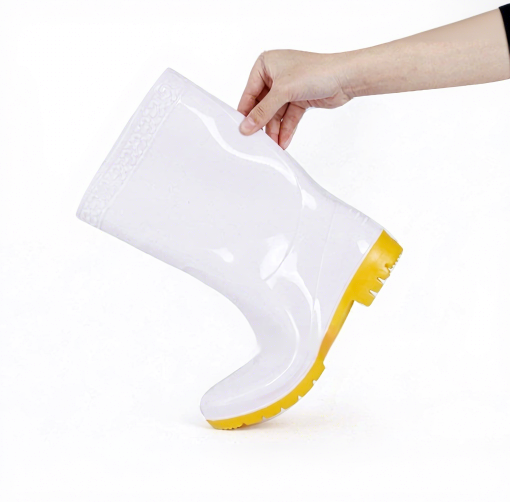
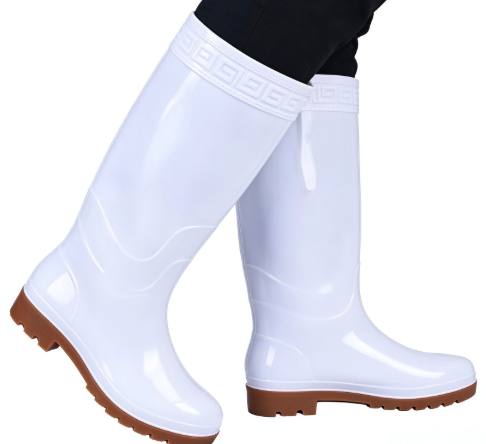
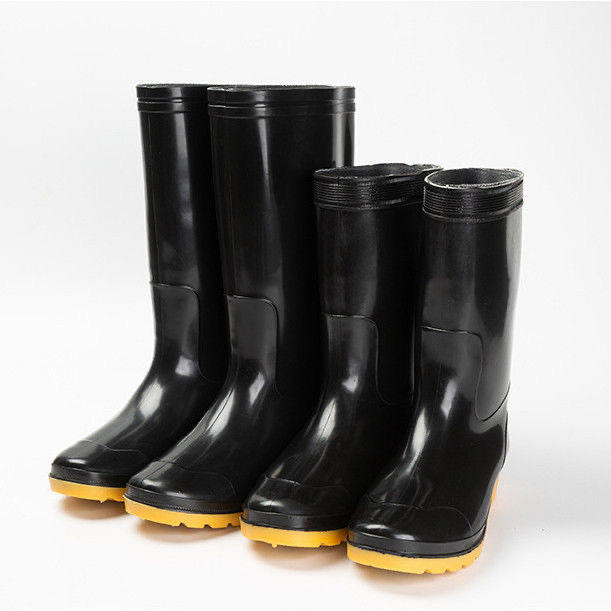
Beef tendon sole rain boots get their name from the durable, flexible outsole design inspired by the tensile strength and grip of beef tendon. Unlike generic outsoles made from soft rubber that compresses under weight, beef tendon outsoles use a blend of high-wear rubber compounds formulated to balance flexibility and durability. Production typically involves vulcanization, a process that cures rubber at controlled temperatures and pressure to create molecular bonds that improve tear resistance and water sealing. Seam-free injection molding is often used for the upper shaft to eliminate potential water entry points common in glued or stitched boots.
Professional Rain Boot Manufacturer play a key role in refining compound formulations for beef tendon outsoles, testing different rubber ratios to ensure compatibility with both wet concrete and muddy terrain. The outsole pattern, featuring deep lugs and multi-directional grooves, is engineered to channel water and debris away from contact surfaces, maintaining grip even when coated in mud or standing water.
3. Practical Solutions and Operation Steps
Selecting and using beef tendon sole rain boots for heavy-duty construction requires evaluating multiple factors to match worksite conditions. Follow these actionable steps to make an informed choice:
- Match outsole tread depth to worksite terrain: Choose boots with lugs at least 4mm deep for muddy trenching, and slightly shallower lugs (2-3mm) for smooth concrete surfaces to avoid catching on debris.
- Verify material thickness: For construction use, select boots with upper shaft thickness of at least 2mm to resist punctures from small metal fragments or concrete debris.
- Check slip resistance ratings: Prioritize boots tested to meet EN ISO 20347:2021 slip resistance requirements for wet occupational surfaces.
- Assess fit and support: Ensure boots have a roomy toe box and built-in arch support, with enough space for work socks and orthotics if needed.
- Limit use boundaries: These boots are designed for wet, non-chemical construction environments; avoid prolonged contact with strong acids or solvents that can degrade rubber compounds.
4. Daily Maintenance and Precautions
Proper maintenance extends the service life of beef tendon sole rain boots and preserves their performance. After each worksite shift, rinse boots with clean water to remove mud, concrete residue, or construction debris that can scratch the outsole or clog treads. Avoid using harsh detergents or bleach, as these can break down the rubber compound over time.
Air dry boots at room temperature; never place them near direct heat sources like space heaters or in direct sunlight for extended periods, as high temperatures can warp the outsole and cause upper material cracking. For long-term storage, clean boots thoroughly, remove insoles if present, and store in a cool, dry area away from sharp objects. A key precaution: do not use these rain boots as a substitute for certified safety boots with impact or puncture protection, as beef tendon sole boots are designed for wet weather performance, not workplace safety certifications.
5. Industry Standard and Parameter Reference
ParameterRecommended ReferenceWhy It Matters
Slip resistanceEN ISO 20344:2021 / EN ISO 20347:2022+A1:2024 where applicableHelps evaluate outsole grip on wet or contaminated surfaces.
Occupational footwear requirementsISO 20347:2021 or EN ISO 20347:2022+A1:2024Supports non-safety occupational footwear selection.
Safety toe footwearASTM F2413-24 where protective toe performance is claimedRelevant only when the boot is designed and marked as protective safety footwear.
Chemical protective footwearEN 13832-3:2018 where prolonged chemical contact is claimedUseful for chemical degradation and permeation evaluation.
All performance claims for beef tendon sole rain boots should align with testing conducted per ISO 20344:2021, which specifies standard methods for measuring slip resistance, flex resistance, and water penetration in work footwear. Third-party testing from bodies like SGS or Intertek, conducted between 2024 and 2026, can provide verified performance data for specific boot models.
6. Customer Common FAQ
Q: Are beef tendon sole rain boots suitable for all wet construction worksites?
A: They are ideal for general construction wet weather tasks like pouring concrete, moving materials, and site cleanup. Professional Rain Boot Manufacturer note they are not recommended for worksites with heavy chemical exposure or where certified safety boots with impact protection are required for compliance.
Q: How do I tell if a beef tendon sole boot has good slip resistance for concrete?
A: Look for boots with lugs that have a high rubber-to-groove ratio, and verify that the outsole has passed slip resistance testing per EN ISO 20347:2022. Avoid smooth outsoles, as these provide inadequate grip on wet concrete.
Q: How long do beef tendon sole rain boots typically last in heavy construction use?
A: Service life varies based on worksite conditions and maintenance. With proper care, these boots can last 6 to 12 months with regular use. Boots exposed to sharp debris or harsh chemicals may have a shorter lifespan.
Q: Can I wear beef tendon sole rain boots in freezing temperatures?
A: Standard rubber compounds used in these boots can become rigid in temperatures below 0°C (32°F), reducing flexibility and grip. For cold construction sites, select boots formulated with cold-resistant rubber blends, tested to meet relevant low-temperature flexibility standards.
Conclusion
Beef tendon sole rain boots offer targeted performance for heavy-duty construction sites facing wet weather, addressing common gaps in standard work footwear like poor traction and rapid wear. By matching boot specifications to worksite terrain, following proper selection steps, and implementing routine maintenance, workers can maximize boot performance and durability. Professional Rain Boot Manufacturer emphasize that aligning boot use with industry standards and boundary conditions ensures safe, reliable performance in wet, heavy-use environments.
References
- International Organization for Standardization. ISO 20344:2021, Footwear - Test methods for whole shoe. Geneva: ISO, 2021.
- European Committee for Standardization. EN ISO 20347:2022+A1:2024, Occupational footwear. Brussels: CEN, 2024.
- American Society for Testing and Materials. ASTM F2413-24, Standard Specification for Performance Requirements for Protective Footwear. West Conshohocken, PA: ASTM, 2024.