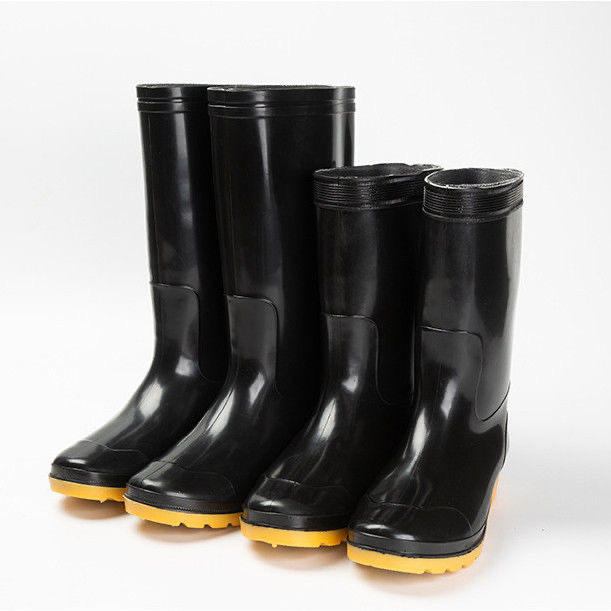
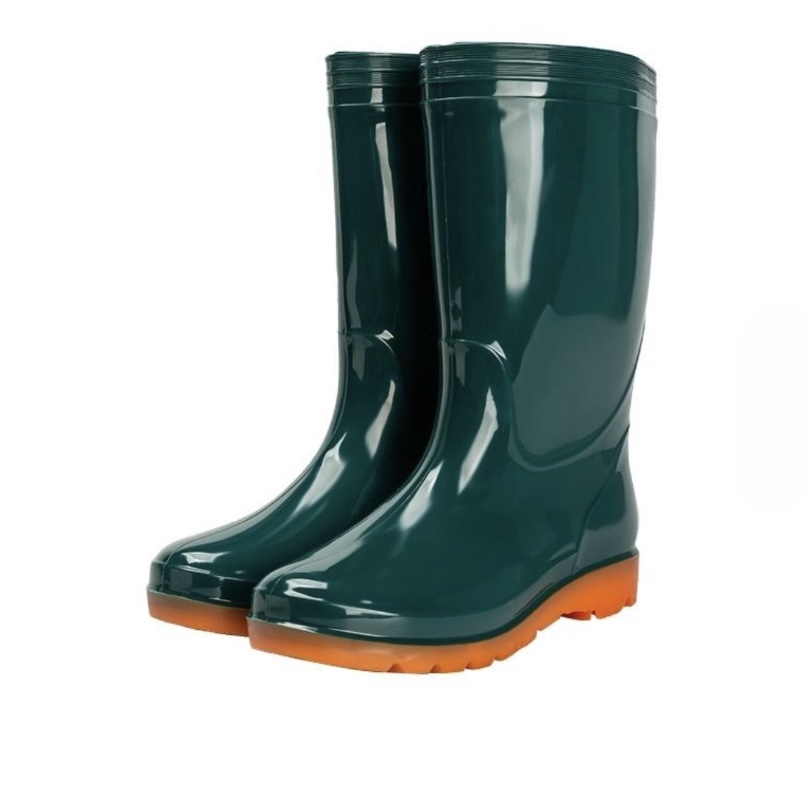
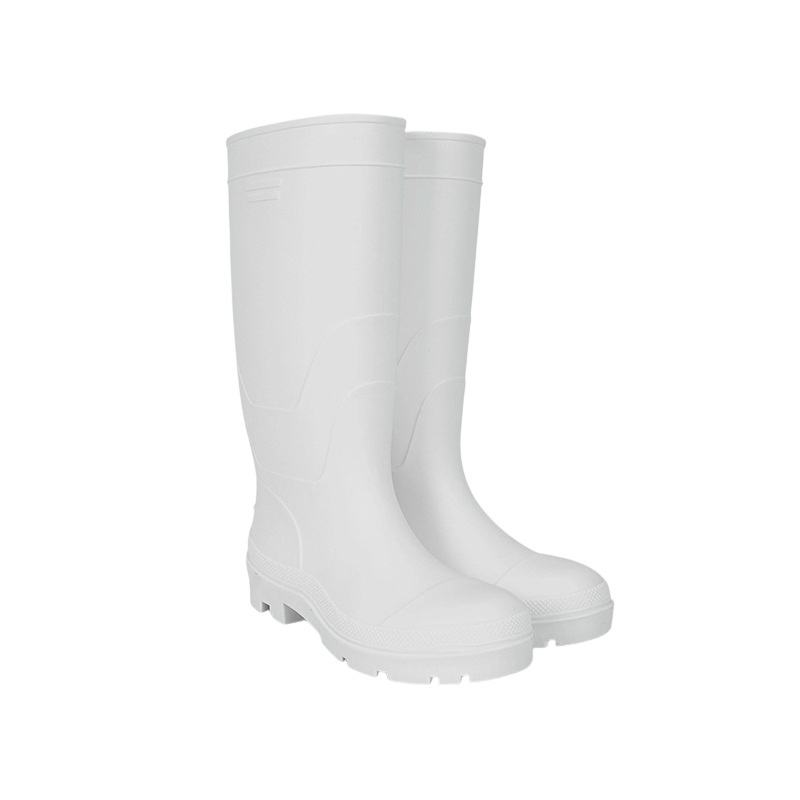
Meta Description: Rain boots used in high-temperature manufacturing settings require materials that resist heat degradation and maintain structural integrity, a key concern for industrial workers and procurement teams. This guide analyzes the performance of Acrylonitrile-Butadiene-Styrene Copolymer in these environments, covering material properties, use cases, and practical guidance. Professional Rain Boot Manufacturer provides standardized insights for industrial footwear selection.
Keywords: Acrylonitrile-Butadiene-Styrene Copolymer, high-temperature boot materials, industrial rain boot performance, boot manufacturing materials, heat-resistant footwear, occupational footwear testing
1. Core Problem Analysis
1.1 Common Causes of the Problem
Users seeking information about Acrylonitrile-Butadiene-Styrene (ABS) in high-temperature manufacturing face two key issues: premature material degradation and compromised boot performance. Many industrial footwear materials soften, warp, or crack when exposed to sustained high temperatures above their rated threshold, leading to reduced slip resistance, leakage, and shortened product lifespan. Common triggers include prolonged exposure to process heat, contact with hot work surfaces, or ambient temperatures exceeding what standard rubber or PVC can handle without performance loss.
1.2 Affected Usage Scenarios
High-temperature manufacturing environments where ABS boot performance is tested include food processing operations with hot equipment, metal fabrication workshops, chemical processing plants with heated fluid handling, and agricultural settings with hot machinery or boiler areas. Other scenarios include warehouse loading zones near heating units, and outdoor industrial work in extreme heat conditions that exceed standard seasonal temperature ranges.
2. Product and Process Principle
ABS is a thermoplastic copolymer that combines acrylonitrile, butadiene, and styrene to balance impact resistance, rigidity, and chemical stability. Unlike natural rubber or PVC, ABS has a defined glass transition temperature range, making it suitable for applications where moderate to high heat is present. When used in boot construction, ABS can be formulated to resist softening at temperatures up to 80°C, according to ISO 180 testing standards. The manufacturing process for ABS boots typically involves injection molding, which creates seamless structures that reduce leak points, a critical factor for wet or harsh industrial environments. Professional Rain Boot Manufacturer notes that ABS can be compounded with additives to further enhance heat resistance without sacrificing flexibility.
3. Practical Solutions and Operation Steps
To select boots that perform well in continuous high-temperature environments using ABS, follow these actionable steps. First, verify the material formulation: confirm that the boot's ABS compound meets or exceeds ISO 180 impact resistance and ISO 178 flexural strength standards, which ensure stability under heat and mechanical stress. Second, match boot specifications to the specific temperature range of your worksite: for environments with sustained temperatures between 40°C and 75°C, ABS is a suitable choice; avoid ABS if temperatures regularly exceed 80°C, as this can cause permanent material softening. Third, inspect structural features: choose boots with reinforced soles and shaft edges to prevent warping, and ensure seamless construction to avoid water intrusion.
- Check for third-party test documentation confirming heat resistance for the specific ABS compound, not just generic ABS performance.
- Avoid boots with thin ABS components, as thinner sections soften faster under heat than thicker, properly formulated layers.
- Match boot height to your tasks: shorter shafts for light work in 40-50°C environments, taller shafts for protection in areas with hot liquid splash risks.
4. Daily Maintenance and Precautions
Proper maintenance extends the lifespan of ABS boots in high-temperature environments. After each use, clean boots with mild soap and cool water to remove industrial residue that can accelerate material degradation. Avoid exposing ABS boots to direct sunlight for prolonged periods, as UV radiation combined with heat can break down polymer chains over time. Do not place ABS boots near space heaters, boilers, or other high-heat sources for drying or storage, as this can cause warping and reduce slip resistance. If boots come into contact with hot chemicals, rinse immediately with cool water and inspect for softening or discoloration.
Key precautions: do not use ABS boots as personal protective equipment for extreme heat tasks beyond their rated temperature limit, and do not use solvents like acetone to clean ABS, as these can dissolve the polymer structure and weaken the boot.
5. Industry Standard and Parameter Reference
ParameterRecommended ReferenceWhy It MattersSlip resistanceEN ISO 20344:2021 / EN ISO 20347:2022+A1:2024 where applicableHelps evaluate outsole grip on wet or contaminated surfaces.Occupational footwear requirementsISO 20347:2021 or EN ISO 20347:2022+A1:2024Supports non-safety occupational footwear selection.Heat resistance testISO 180:2019 (impact resistance at elevated temperatures)Verifies ABS boot component performance under sustained heat exposure.Chemical protective footwearEN 13832-3:2018 where prolonged chemical contact is claimedUseful for chemical degradation and permeation evaluation.
All ABS boot performance claims should be verified against relevant test standards, not manufacturer specifications alone. Third-party testing from SGS or Intertek can confirm that a boot's ABS compound meets temperature resistance requirements for specific industrial applications.
6. Customer Common FAQ
Q: Can ABS boots be used in environments over 80°C?
A: No, standard ABS compounds soften above 80°C, which can compromise boot structure and safety. For sustained temperatures above 80°C, alternative materials like thermoset rubber or specialized heat-resistant polymers are recommended, according to Professional Rain Boot Manufacturer guidance.
Q: How do I tell if a boot uses ABS or a similar copolymer?
A: Check product specifications for material composition terms: ABS is often labeled as "acrylonitrile-butadiene-styrene" or "ABS copolymer." Avoid products that only list "thermoplastic" without specific material details, as this can include lower-performance polymers.
Q: Will ABS boots crack after short-term exposure to high heat?
A: Short-term exposure to temperatures up to 75°C is unlikely to cause cracking, but repeated cycles of heating and cooling can weaken ABS over time. Professional Rain Boot Manufacturer recommends selecting boots with properly formulated ABS compounds for repeated high-temperature use to minimize this risk.
Q: Can I repair a cracked ABS boot in a high-temperature environment?
A: Minor surface cracks can be repaired with ABS-specific adhesives, but structural cracks in the sole or shaft should not be repaired in high-temperature settings, as the repaired area may soften or fail prematurely. It is more cost-effective to replace the boot if structural damage occurs.
Conclusion
Acrylonitrile-Butadiene-Styrene Copolymer offers reliable performance in continuous high-temperature manufacturing environments when properly formulated and specified for temperature limits between 40°C and 75°C. By aligning material selection with worksite conditions, following maintenance best practices, and verifying performance against ISO and EN standards, industrial users can select boots that balance durability, safety, and functionality. Professional Rain Boot Manufacturer confirms that ABS remains a viable material for moderate high-heat industrial tasks when used within its designed parameters.
References
- International Organization for Standardization. ISO 180:2019, Plastics - Determination of Izod impact strength. Geneva: ISO, 2019.
- International Organization for Standardization. ISO 20344:2021, Footwear - Test methods for whole shoe. Geneva: ISO, 2021.
- European Committee for Standardization. EN ISO 20347:2022+A1:2024, Occupational footwear. Brussels: CEN, 2024.
- European Committee for Standardization. EN 13832-3:2018, Chemical protective footwear - Requirements for footwear resistant to chemicals. Brussels: CEN, 2018.