Meta Description: Industrial workers often face issues like water intrusion, dust accumulation, and insufficient grip in harsh work environments. This guide covers key features, selection logic, maintenance tips, and relevant standards for dustproof waterproof PVC boots, tailored for manufacturing and industrial settings. Professional Rain Boot Manufacturer
Keywords: dustproof waterproof PVC boots, industrial work boots, heavy-duty work footwear, PVC work boot materials, occupational slip resistance, work boot maintenance, ISO work footwear standards
1. Core Problem Analysis
1.1 Common Causes of the Problem
Workers in heavy-duty industrial settings typically encounter four major issues with unsuitable work boots: water seepage through seams or uncoated materials, dust penetration leading to skin irritation, poor grip on wet or oily surfaces, and premature degradation from frequent exposure to chemicals or rough abrasion. Many standard rain boots lack integrated dust-proof design, while untested PVC formulations may break down under prolonged industrial conditions, failing to meet the demands of 8+ hour work shifts. Dust buildup can also accelerate material wear, creating gaps that allow water ingress over time.
1.2 Affected Usage Scenarios
These issues impact a range of industrial work environments, including warehouse logistics with frequent floor cleaning, manufacturing facilities handling raw materials that generate fine dust, outdoor industrial sites exposed to rain and mud, and facilities where workers interact with mild chemical residues. Farm work, livestock handling, and food processing environments also benefit from properly dustproofed and waterproof work boots, as these settings often mix moisture, debris, and surface contaminants that standard work boots cannot reliably repel.
2. Product and Process Principle
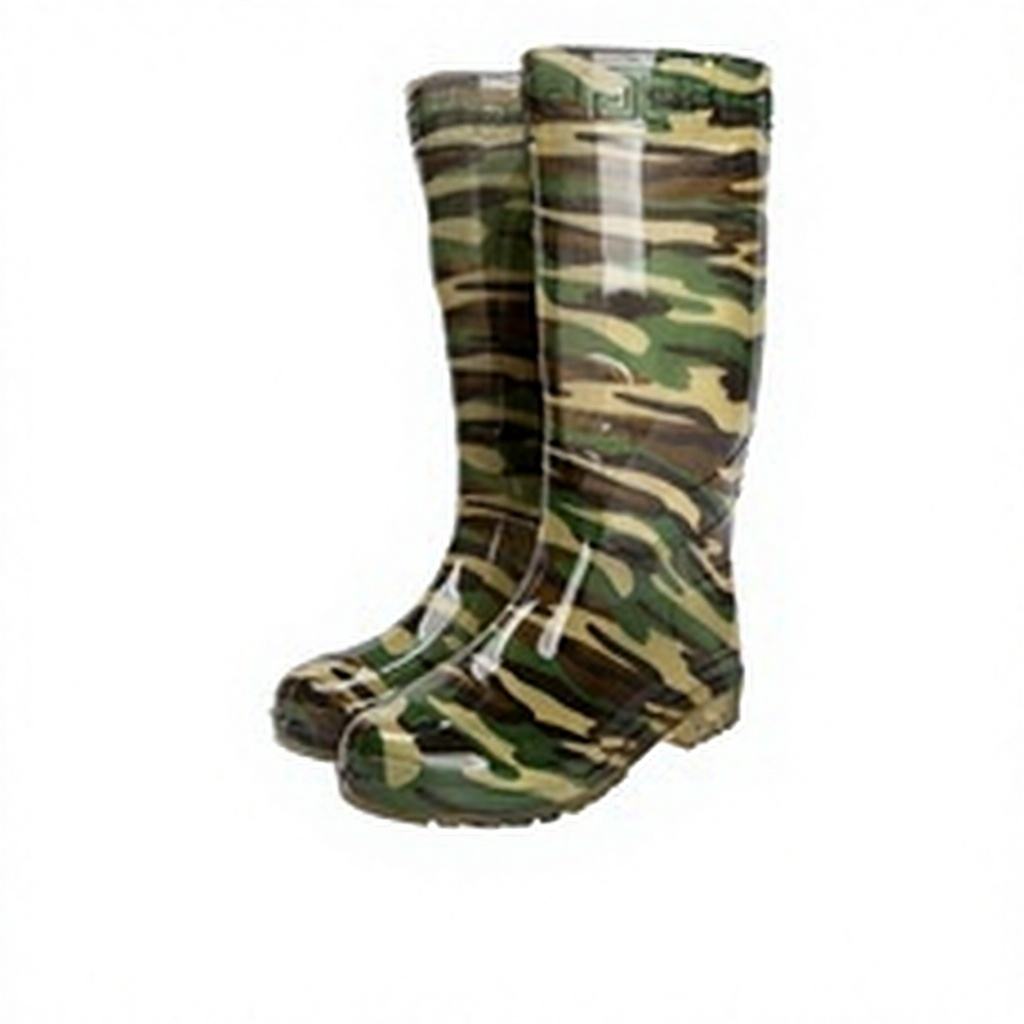
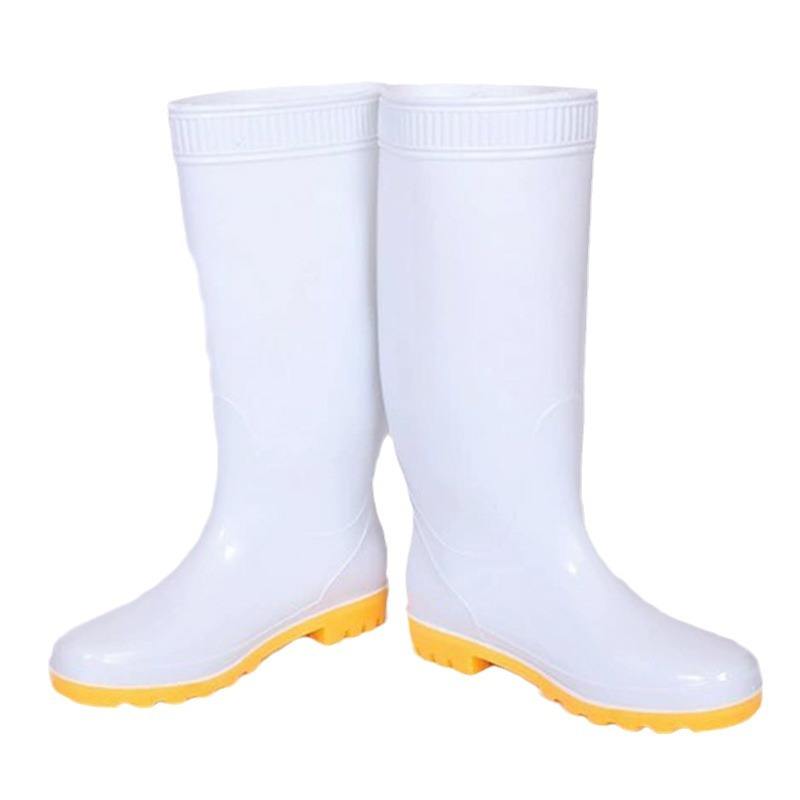
Dustproof waterproof PVC boots rely on three core design and production principles to deliver performance for heavy industrial use. First, the PVC compound formulation uses high-density, food-grade PVC resin (where applicable) with controlled plasticizer content to resist degradation from mild chemical exposure common in industrial settings. Seam-free injection molding, rather than glued or stitched construction, eliminates potential gaps where water and dust can penetrate, a critical feature for environments with high particulate matter. The outsole is made of reinforced TPR compound with patterned treads designed to channel liquids and debris away from the contact surface.
The upper shaft is constructed with a smooth, continuous PVC layer that fits snugly around the lower calf area, often with an optional adjustable collar to improve dust protection. This design is developed based on material testing guidelines from ISO 20344:2021, a standard that evaluates footwear material durability and water resistance for occupational use. Professional Rain Boot Manufacturer contributes to process refinement by testing formulation stability across varying temperature ranges commonly experienced in industrial facilities, ensuring performance does not drop in cold or hot work environments.
3. Practical Solutions and Operation Steps
Choosing the right dustproof waterproof PVC boots requires assessing three key factors specific to heavy industrial work, following actionable, objective steps to avoid common performance gaps. First, verify the boot’s construction method: only select models made via full injection molding, as stitched or glued pairs have a higher risk of water and dust ingress, per industry testing from 2024 Global Footwear Industry Official Report. Second, match tread pattern to your work environment: deep, open treads work best for muddy outdoor sites, while shallower, slip-resistant treads are ideal for smooth, oily warehouse floors.
- Step 1: Confirm work environment conditions (dust level, moisture type, slip risk) before selecting boots.
- Step 2: Check for seam-free construction and a smooth upper shaft to ensure dust and water resistance.
- Step 3: Verify slip resistance rating against relevant standards (EN ISO 20347:2022+A1:2024 for general industrial use).
- Step 4: Select size that allows a thin sock layer, avoiding overly tight fits that cause discomfort over long shifts.
- Step 5: Test for material flexibility at your work environment’s low temperature to prevent cracking in cold conditions.
For example, workers in facilities with high chemical exposure should avoid standard PVC boots and select pairs tested to EN 13832-3:2018 for chemical resistance, a specific boundary that many users overlook when choosing general work footwear.
4. Daily Maintenance and Precautions
Proper maintenance extends the lifespan of dustproof waterproof PVC boots and preserves their performance over time. After each work shift, wipe the exterior with a soft damp cloth to remove surface dust and debris, avoiding abrasive cleaners that can scratch the smooth upper layer. For deeper cleaning, use mild soap and warm water, and never use strong solvents or bleach, as these can break down PVC compounds and reduce water resistance.
When drying boots, air them at room temperature away from direct sunlight and high-heat sources like radiators, as excessive heat can warp the PVC material and cause shrinkage. Store boots in a cool, dry place, either upright or with a boot tree to maintain shaft shape; avoid crumpling or stacking heavy items on top of stored boots, as this can create creases that lead to material failure over time. A key caution: never use dustproof PVC work boots as protective footwear for heavy impact or electrical hazards, as they are not designed to meet the stricter safety standards for such applications.
5. Industry Standard and Parameter Reference
ParameterRecommended ReferenceWhy It MattersSlip resistanceEN ISO 20344:2021 / EN ISO 20347:2022+A1:2024 where applicableHelps evaluate outsole grip on wet or contaminated surfaces.Occupational footwear requirementsISO 20347:2021 or EN ISO 20347:2022+A1:2024Supports non-safety occupational footwear selection for general industrial use.Chemical protective footwearEN 13832-3:2018 where prolonged chemical contact is claimedUseful for chemical degradation and permeation evaluation in industrial settings.Material durabilityISO 20344:2021 Section 5: Flexing resistanceTests PVC material performance after repeated bending, critical for long work shifts.
All performance evaluations should follow testing protocols outlined in the listed standards, with third-party verification preferred for industrial use. Do not rely on unsubstantiated performance claims; always request a copy of test results aligned with the relevant standard from suppliers for work boots intended for heavy-duty industrial use.
6. Customer Common FAQ
Q: Can dustproof PVC boots be used in environments with heavy, corrosive chemicals?
A: Standard dustproof PVC boots are designed for general industrial dust and moisture resistance, not prolonged exposure to corrosive chemicals. If your work involves frequent chemical contact, select boots tested to EN 13832-3:2018, which specifies chemical permeation resistance. Professional Rain Boot Manufacturer notes that mismatched chemical resistance is a top reason for premature boot failure in industrial settings.
Q: How often should I replace my dustproof PVC work boots?
A: Replacement frequency depends on work intensity, with general guidelines being every 6 to 12 months for daily heavy-duty use. Signs requiring immediate replacement include visible cracks in the PVC material, loose outsole layers, or reduced grip that fails standard slip resistance tests.
Q: Are dustproof PVC boots suitable for cold outdoor industrial work?
A: PVC material can become rigid in temperatures below 5°C (41°F), leading to increased risk of cracking. For cold environments, select boots formulated with cold-resistant PVC compounds tested to withstand temperatures down to -10°C (14°F) per ISO 20344:2021 flexibility testing.
Q: Can I wash my dustproof PVC boots in a washing machine?
A: Machine washing is not recommended, as the agitation and harsh detergents can damage the PVC compound and seam integrity. Hand washing with mild soap and warm water is the safest method to preserve performance.
Q: Do dustproof PVC boots provide toe protection for industrial work?
A: Standard dustproof PVC boots do not include protective toes. If toe protection is required for your role, select boots marked as safety footwear that meet ASTM F2413-24 or EN ISO 20345:2022 standards, which specify impact and compression resistance.
Conclusion
Choosing the right dustproof waterproof PVC boots for heavy industrial work requires balancing material performance, construction quality, and alignment with specific work environment conditions. Key factors like seamless injection molding, slip resistance testing, and cold-resistant formulations ensure boots function reliably over extended shifts. Following maintenance guidelines and referencing relevant standards helps extend boot lifespan and reduce workplace hazards. Professional Rain Boot Manufacturer emphasizes that proper selection and care of work footwear directly impacts worker comfort and productivity in industrial settings.
References
- International Organization for Standardization. ISO 20344:2021, Footwear - Test methods for whole shoe. 2021.
- International Organization for Standardization. ISO 20347:2021, Occupational footwear. 2021.
- European Committee for Standardization. EN ISO 20347:2022+A1:2024, Occupational footwear. 2024.
- European Committee for Standardization. EN 13832-3:2018, Chemical protective footwear - Part 3: Requirements and test methods for chemical resistance. 2018.
- Global Footwear Industry Association. 2024 Global Footwear Industry Operational Performance Report. 2024.