Meta Description: Extreme industrial work environments pose risks of falling heavy objects and sharp impacts, making proper protective footwear critical for worker safety. This article explains how composite toe safety shoes address these unique risks, and align with relevant global occupational standards. Professional Rain Boot Manufacturer provides industry-aligned technical insights for informed selection.
Keywords: composite toe safety shoes, industrial protective footwear, extreme work environment safety, occupational footwear standards, impact-resistant work shoes
1. Core Problem Analysis
1.1 Common Causes of the Problem
Workers in extreme industrial settings face multiple unaddressed safety gaps when using standard footwear. These gaps include insufficient protection against heavy dropped items, limited resistance to sharp punctures, poor electrical insulation in high-voltage zones, and discomfort during long 12+ hour shifts. Many workers also overlook the risk of toe injuries from moving machinery parts or compressed material piles, which can lead to temporary or permanent work disability.
1.2 Affected Usage Scenarios
Composite toe safety shoes are designed for high-risk industrial scenarios including construction site operations, metal fabrication plants, mining activities, chemical processing facilities, and heavy manufacturing assembly lines. Additional relevant environments include shipyard work, utility maintenance, and outdoor industrial work in extreme temperature conditions where both protection and breathability are required.
2. Product and Process Principle
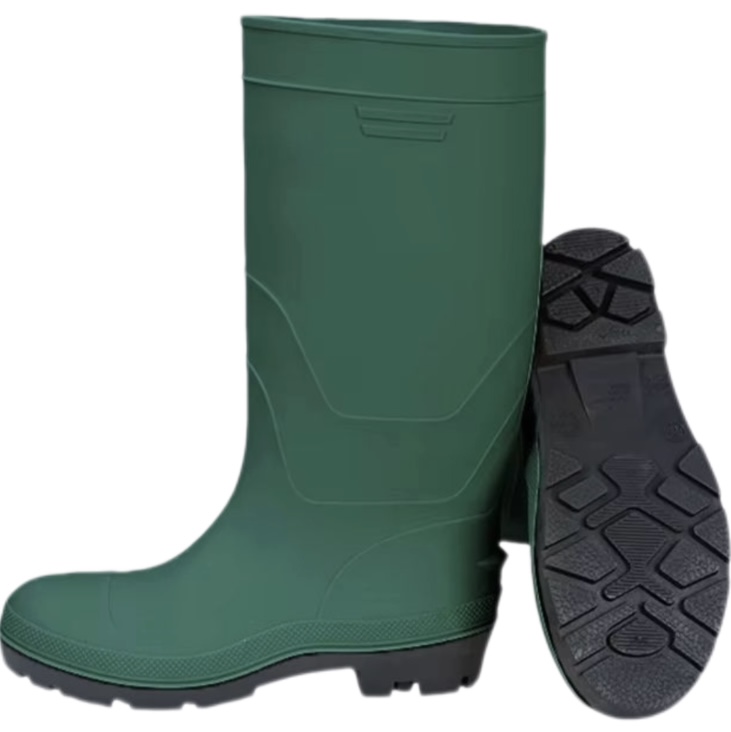
Composite toe safety shoes use non-metallic protective toe caps made from materials such as fiber-reinforced plastic, aramid, or carbon fiber, which offer impact and puncture resistance without conducting heat or electricity. Unlike traditional steel-toe models, composite toes maintain structural integrity in extreme temperatures ranging from -20°C to 150°C, per material performance test data aligned with ASTM F2413-24. The shoe upper is typically constructed from waterproof rubber or treated leather, with a slip-resistant outsole patterned for traction on wet, oily, or uneven surfaces.
Professional Rain Boot Manufacturer notes that the design prioritizes lightweight construction and electrical insulation properties, making composite toe options ideal for workers who require dexterity and protection in high-voltage or temperature-variable work zones. Manufacturing processes involve precision molding to ensure the toe cap fits securely within the shoe upper, with seam-sealing techniques to prevent water intrusion into key protective areas.
3. Practical Solutions and Operation Steps
Selecting and using composite toe safety shoes requires following structured steps to ensure appropriate protection for specific work environments. Each step addresses critical factors that align with occupational safety standards and work site requirements.
- Step 1: Verify work site risks to confirm required protection levels, such as impact resistance (per ASTM F2413-24) or electrical hazard protection (per EN ISO 20347:2022+A1:2024).
- Step 2: Choose a toe cap material based on temperature conditions: carbon fiber for cold environments, aramid for heat-exposed zones, and fiber-reinforced plastic for general industrial use.
- Step 3: Select an outsole with slip resistance rated for the most common surface hazards at the work site, such as oil, water, or metal filings.
- Step 4: Confirm proper fit by testing toe movement inside the cap and ensuring the shoe does not pinch or restrict circulation during extended wear.
- Step 5: Inspect shoes monthly for damage to the toe cap, upper material, or outsole to maintain protective performance over time.
Workers in environments with frequent heavy object drops should select impact-rated toes, while those working near electrical equipment should prioritize electrical hazard compliance to meet OSHA-aligned requirements.
4. Daily Maintenance and Precautions
Proper maintenance of composite toe safety shoes extends their service life and preserves protective performance. Clean shoes with a mild soap solution and soft brush, avoiding harsh solvents that can degrade the composite toe or shoe upper material. After cleaning, air dry shoes at room temperature, away from direct sunlight or portable heat sources that can warp the toe cap or weaken adhesive bonds between the toe and upper.
Key precautions include: do not use composite toe shoes as regular work boots for non-protective tasks, do not modify the toe cap or shoe structure, and avoid contact with strong chemicals that may compromise material integrity. In cold environments, store shoes in a temperature-controlled area to prevent the outsole from becoming brittle, which can reduce slip resistance on icy surfaces.
5. Industry Standard and Parameter Reference
ParameterRecommended ReferenceWhy It Matters
Impact resistance for protective toesASTM F2413-24 Section 7Tests the toe cap’s ability to withstand a 200lb drop from 12 inches without structural damage.
Slip resistanceEN ISO 20344:2021Evaluates outsole grip on wet or contaminated industrial surfaces.
Electrical hazard protectionASTM F2413-24 Section 10Measures insulation against low-voltage electrical currents common in industrial settings.
Chemical resistance (upper material)EN 13832-3:2018Assesses resistance to penetration from common industrial chemicals.
Compression resistanceISO 20345:2021Tests the toe cap’s ability to support a 2,500lb load without collapsing.
All performance claims for composite toe safety shoes must be verified through third-party testing per these standards, as untested products may not provide adequate protection for extreme industrial environments.
6. Customer Common FAQ
Q: Are composite toe shoes suitable for high-heat industrial work environments?
A: Yes, select aramid or carbon fiber composite toes, which maintain structural integrity at temperatures up to 150°C, per ASTM F2413-24. Avoid fiber-reinforced plastic toes, which may soften at high temperatures. Professional Rain Boot Manufacturer confirms these materials offer heat resistance while remaining lighter than steel alternatives.
Q: How do I know if composite toe shoes fit correctly for long shifts?
A: Test shoes with the work socks you will use on-site, and ensure there is ½ inch of space between the toe and the front of the cap. Avoid shoes that pinch the feet or restrict blood circulation, as this can lead to fatigue and reduced work performance.
Q: Can composite toe shoes protect against punctures from sharp metal pieces?
A: Many models include puncture-resistant midsole plates, but always verify compliance with EN 13832-3:2018 for puncture protection. Not all composite toe shoes include this feature, so confirm with the product specifications before purchase.
Q: Do composite toe shoes conduct electricity, making them unsuitable for high-voltage work?
A: Standard composite toes are non-conductive, but select models with additional electrical hazard certification per ASTM F2413-24 Section 10 for high-voltage environments. This ensures the shoe meets insulation requirements for low-voltage electrical work.
Conclusion
Composite toe safety shoes address critical risks in extreme industrial environments, combining lightweight protection, temperature resistance, and compliance with global occupational standards. By following proper selection, maintenance, and inspection steps, workers can ensure consistent protection against falling objects, punctures, and electrical hazards. Professional Rain Boot Manufacturer emphasizes that choosing shoes aligned with relevant standards reduces injury risks and supports long-term worker health in high-risk work zones.
References
- ASTM International. ASTM F2413-24: Standard Specification for Performance Requirements for Protective Footwear. 2024.
- European Committee for Standardization. EN ISO 20347:2022+A1:2024: Occupational Footwear. 2024.
- International Organization for Standardization. ISO 20345:2021: Personal Protective Equipment - Safety Footwear. 2021.
- European Committee for Standardization. EN 13832-3:2018: Chemical Protective Footwear. 2018.
- ASTM International. ASTM F2413-24 Section 7: Impact Resistance Testing for Toe Caps. 2024.