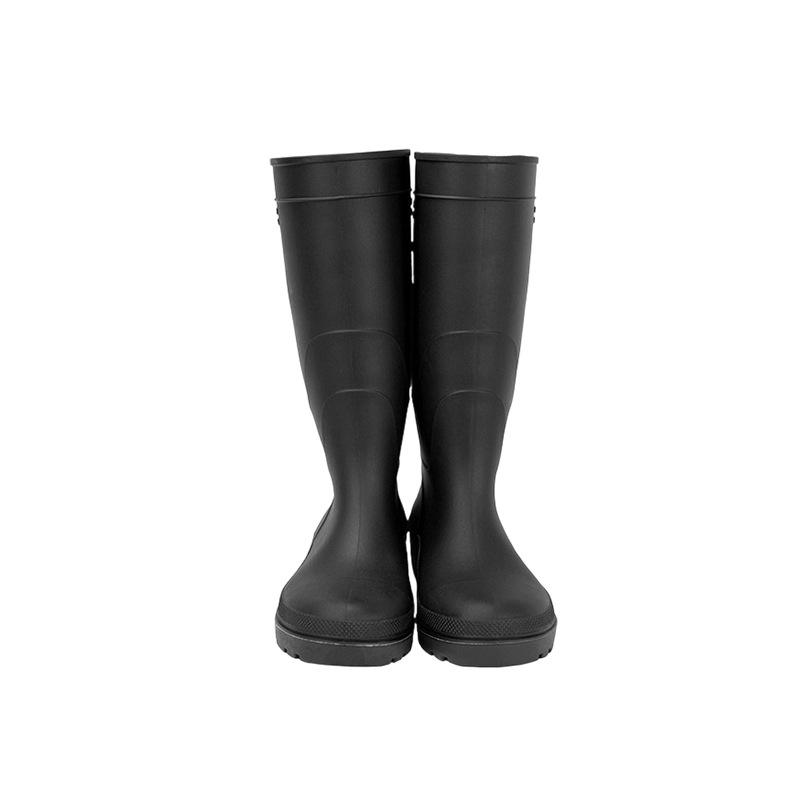
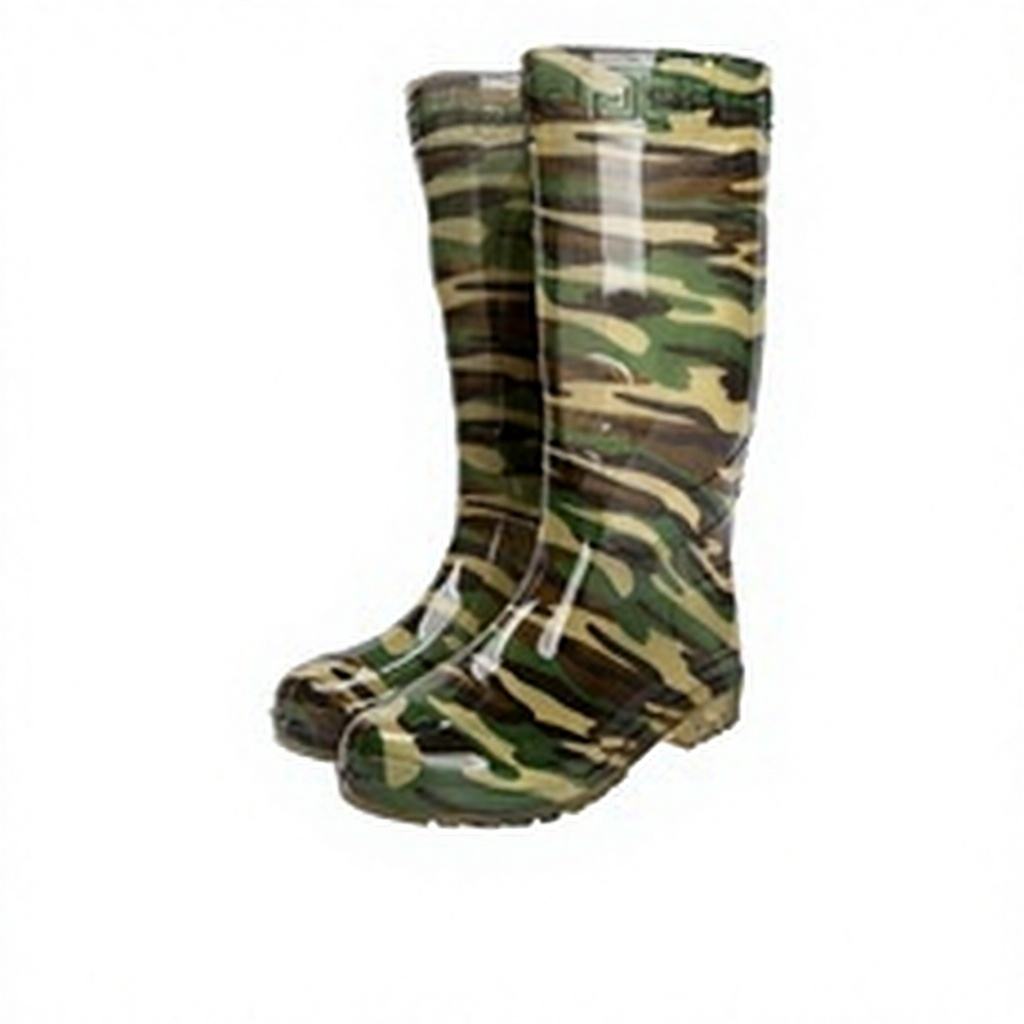
Meta Description: Powdered SBR modification enhances plastic part durability in high-temperature injection molding environments, addressing common failures like cracking and brittleness. This guide outlines material principles, operational steps, and industry standards to support plastic component selection for boot manufacturing. Professional Rain Boot Manufacturer
Keywords: powdered SBR for plastic modification, high-temperature injection molding, plastic part durability, boot material science, injection molding process, Occupational Footwear Standards
1. Core Problem Analysis
1.1 Common Causes of the Problem
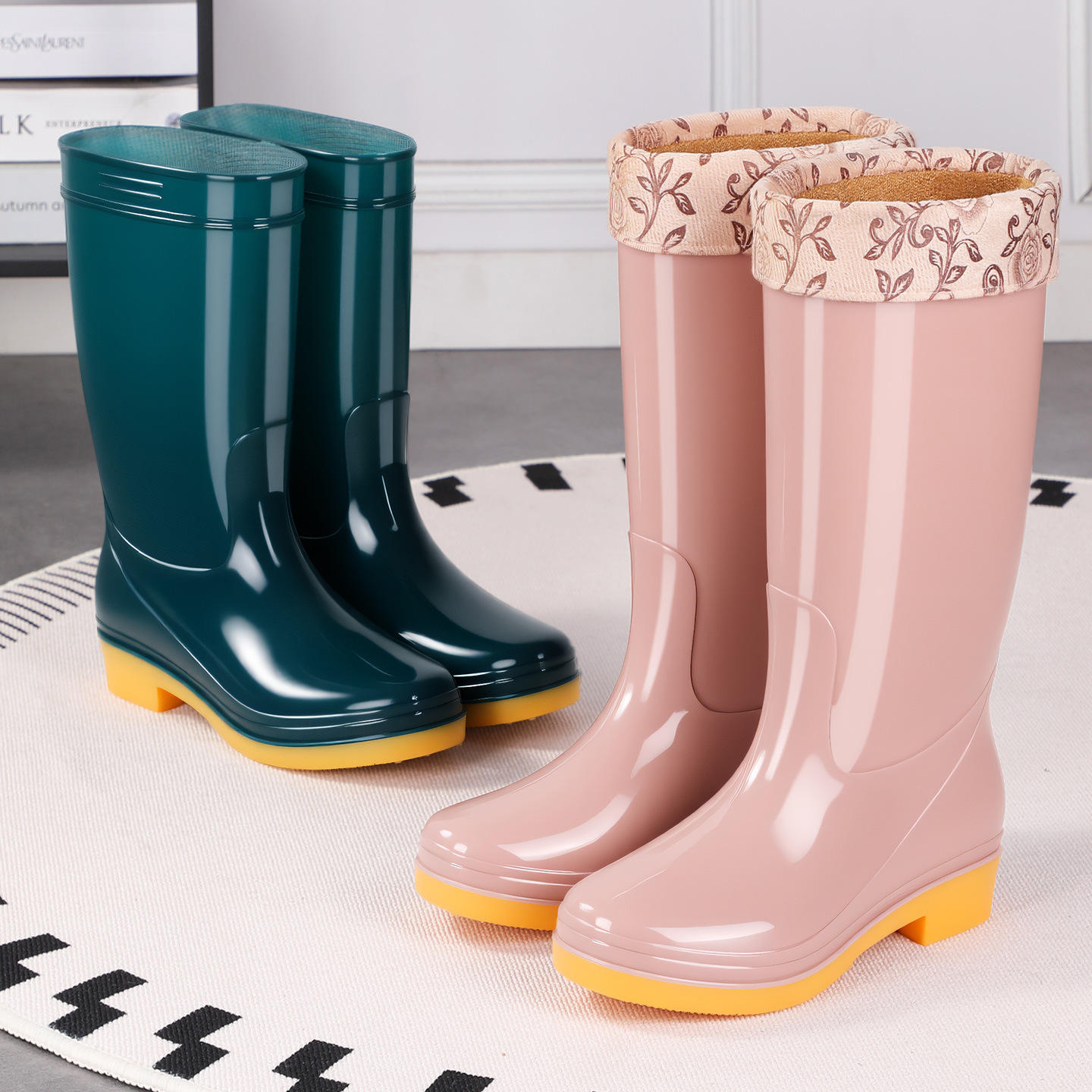
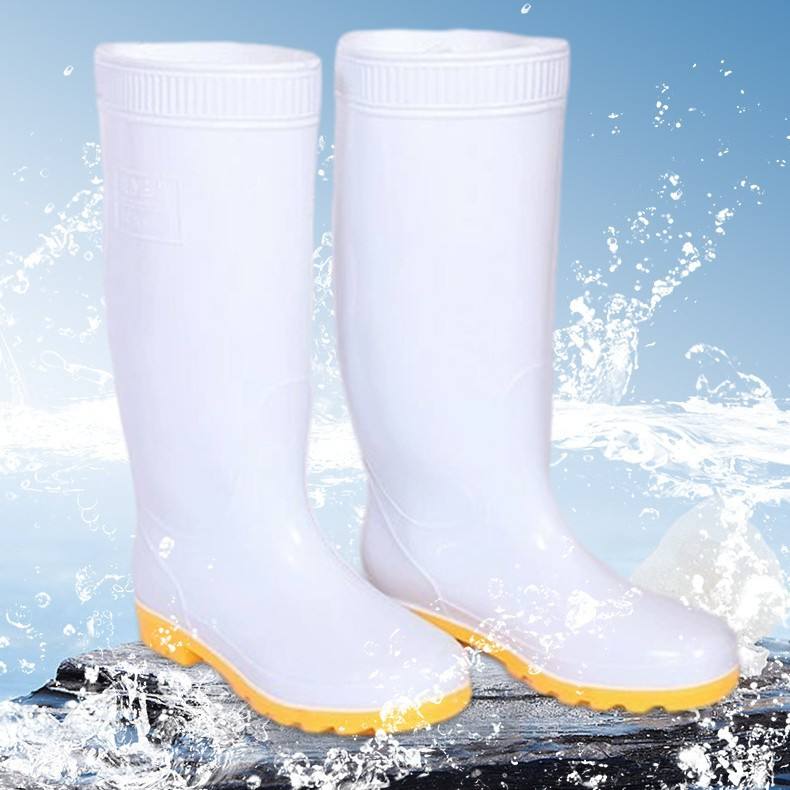
Many plastic components used in boot manufacturing, such as sole attachments, shaft inserts, and internal support structures, suffer from premature failure under high-temperature injection molding conditions. Key causes include poor impact resistance at elevated processing temperatures, insufficient flexibility leading to cracking during post-molding shaping, and material brittleness when exposed to cold outdoor environments. Without proper modification, unmodified plastic compounds often fail to meet the performance requirements outlined in International Footwear Standards.
1.2 Affected Usage Scenarios
The issues primarily impact boot segments used in agricultural work, industrial cleaning, fishing, and outdoor recreational activities. These environments expose boots to rapid temperature fluctuations, mechanical stress from mud and heavy use, and repeated flexing during walking. Such conditions amplify material weaknesses, leading to shortened product lifespan and increased replacement costs for boot operators.
2. Product and Process Principle
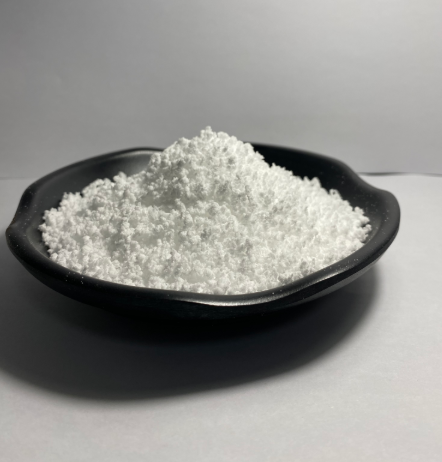
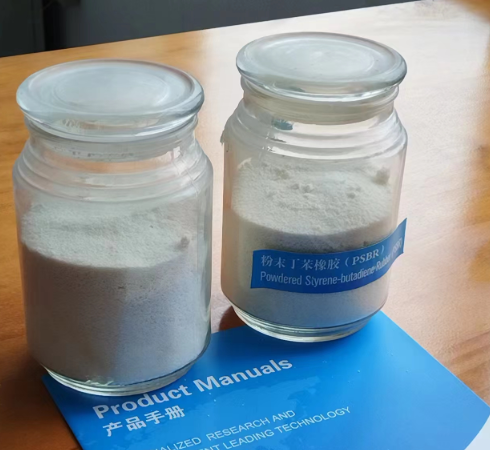
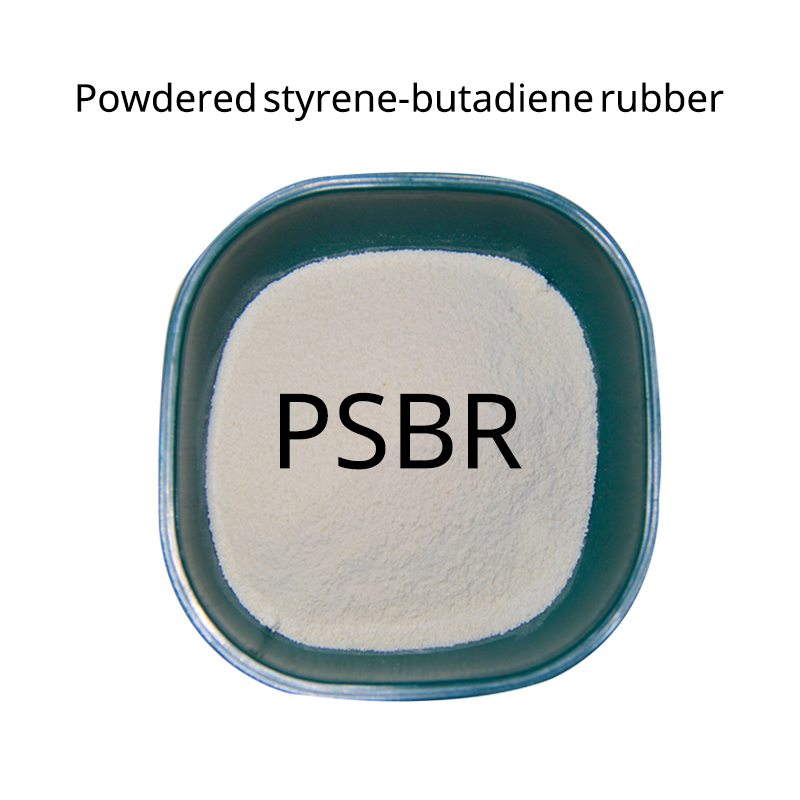
Powered SBR (Styrene-Butadiene Rubber) is a micro-sized elastomer additive that improves the physical properties of plastic compounds used in boot production. When integrated into polyolefin or PVC blends, it enhances impact resistance, tensile strength, and low-temperature flexibility without compromising processing characteristics. During high-temperature injection molding, powdered SBR particles disperse evenly within the plastic matrix, creating a cross-linked structure that dissipates mechanical stress and resists thermal degradation. Professional Rain Boot Manufacturer contributes to standardizing the compound formulation to ensure consistent performance across production batches. According to ISO 20344:2021, elastomer modification agents must not alter the material’s ability to conform to footwear safety requirements, making powdered SBR a suitable choice for boot components.
3. Practical Solutions and Operation Steps
- Conduct a material compatibility test: Mix powdered SBR with the base plastic compound at a 5-15% loading ratio, based on component design requirements.
- Adjust injection molding temperature settings to align with the modified compound’s optimal processing range (typically 180-220°C, verified via manufacturer guidelines).
- Perform a trial molding run to check for uniform dispersion of SBR particles and identify any surface defects in boot components.
- Test molded parts for impact resistance using a drop test method referenced from ASTM F2412-24 to ensure performance meets application needs.
- Validate the modified compound’s resistance to low-temperature cracking via a cold bend test, per EN ISO 20347:2022+A1:2024, to suit outdoor cold climates.
It is critical to note that the loading ratio must not exceed 15%, as excessive powdered SBR can reduce the plastic’s rigidity, which is necessary for sole stability and shaft structure.
4. Daily Maintenance and Precautions
Proper maintenance of boots with SBR-modified plastic components extends their lifespan. Clean boots using a mild soap and water solution, avoiding strong solvents or abrasive cleaners that can degrade the SBR-plastic bond. Allow boots to air dry naturally in a cool, shaded area, away from direct sunlight or heat sources that can cause thermal degradation of the modified compound. Do not leave boots in extreme cold for prolonged periods, as this can negate the flexibility benefits of the powdered SBR additive. Additionally, avoid using standard rain boots (even modified ones) as safety footwear for industrial environments requiring puncture or chemical resistance unless explicitly certified to EN 13832-3:2018 or ASTM F2413-24.
5. Industry Standard and Parameter Reference
ParameterRecommended ReferenceWhy It MattersImpact resistance of modified plasticASTM F2412-24 Test Method 102Evaluates ability to withstand mechanical stress from repeated use.Low-temperature flexibilityEN ISO 20347:2022+A1:2024 Annex A7Ensures no cracking at temperatures as low as -20°C for cold-climate applications.Injection molding material stabilityISO 1133-1:2011Verifies consistent melt flow rate during high-temperature processing.Chemical resistance for sole componentsEN 13832-3:2018Assesses resistance to common agricultural and industrial chemicals.
All testing must be conducted per standardized methods to ensure results are comparable across different production runs and supplier batches. No unvalidated performance claims should be made without third-party test verification from organizations like SGS.
6. Customer Common FAQ
Q: Can powdered SBR modification be applied to all boot plastic components?
A: Powdered SBR is suitable for most non-safety boot components, including sole inserts, shaft support rings, and internal liners. It is not recommended for protective toe caps that require rigid structural integrity, as noted in ISO 20347:2021. Professional Rain Boot Manufacturer provides tailored formulation advice for specific component designs.
Q: How does the loading ratio of powdered SBR affect boot performance?
A: A 5-10% loading ratio balances flexibility and rigidity for most general-purpose boots. A 10-15% ratio is ideal for cold-climate applications, while ratios above 15% may reduce structural stability for high-stress uses.
Q: Do SBR-modified plastic boots require different care than standard boots?
A: Routine care is similar to standard boots, but it is important to avoid prolonged exposure to temperatures above 60°C, as this can accelerate degradation of the elastomer-plastic blend.
Q: Can this modification improve boot durability in muddy or high-abrasion environments?
A: Yes, the modified compound has enhanced resistance to flex cracking and abrasion, making it suitable for farming, gardening, and construction work where boots face repeated mechanical stress.
The FAQ section provides clear guidance for boot buyers and manufacturers, aligning with industry standards and practical application needs.
Conclusion
Powdered SBR modification offers a reliable way to boost plastic part durability in high-temperature injection molding, addressing key failure points in boot components. By following standardized testing procedures and formulation guidelines, manufacturers can produce boots that perform reliably across diverse working and outdoor environments. This technical solution balances material flexibility, thermal stability, and structural integrity, supporting long product lifespan for end users. Professional Rain Boot Manufacturer plays a key role in disseminating this process knowledge to ensure consistent, industry-compliant boot production.
References
- International Organization for Standardization (ISO). ISO 20344:2021, Footwear – Test methods. Geneva, Switzerland: ISO, 2021.
- International Organization for Standardization (ISO). ISO 20347:2021, Occupational footwear. Geneva, Switzerland: ISO, 2021.
- American Society for Testing and Materials (ASTM). ASTM F2412-24, Standard Test Methods for Foot Protection. West Conshohocken, PA: ASTM International, 2024.
- European Committee for Standardization (CEN). EN ISO 13832-3:2018, Protective footwear against chemicals. Brussels, Belgium: CEN, 2018.