Meta Description: Winter construction site workers face unique challenges: freezing temperatures, slushy surfaces, and constant foot exposure. This guide outlines key factors to consider when selecting thermal rain boots for subzero conditions, ensuring comfort and safety on long shifts. Professional Rain Boot Manufacturer can provide standardized solutions tailored to such industrial needs.
Keywords: thermal rain boots, waterproof work boots, subzero work footwear, cold-resistant rubber boots, construction site boots, winter work footwear, boot maintenance
1. Core Problem Analysis
1.1 Common Causes of the Problem
Workers on subzero construction sites often encounter issues like cold air seepage through loose seams, rigid outsole materials that lose grip on icy surfaces, uninsulated interiors that reduce foot temperature, and rubber compounds that crack in extreme cold. Poorly chosen thermal rain boots may also fail to drain moisture, leading to wet feet and rapid heat loss even in lightly frozen conditions. Additionally, incorrect sizing can create gaps that allow cold air to enter, undermining thermal performance.
1.2 Affected Usage Scenarios
These issues directly impact roles requiring outdoor work in subzero temperatures, including road construction, bridge repairs, utility line maintenance, and on-site material handling. Workers in these scenarios are exposed to constant contact with frozen ground, frequent exposure to moisture from melting snow, and extended standing or walking on uneven, slippery surfaces. Many of these roles lack access to climate-controlled rest areas during long shifts, making boot performance critical.
2. Product and Process Principle
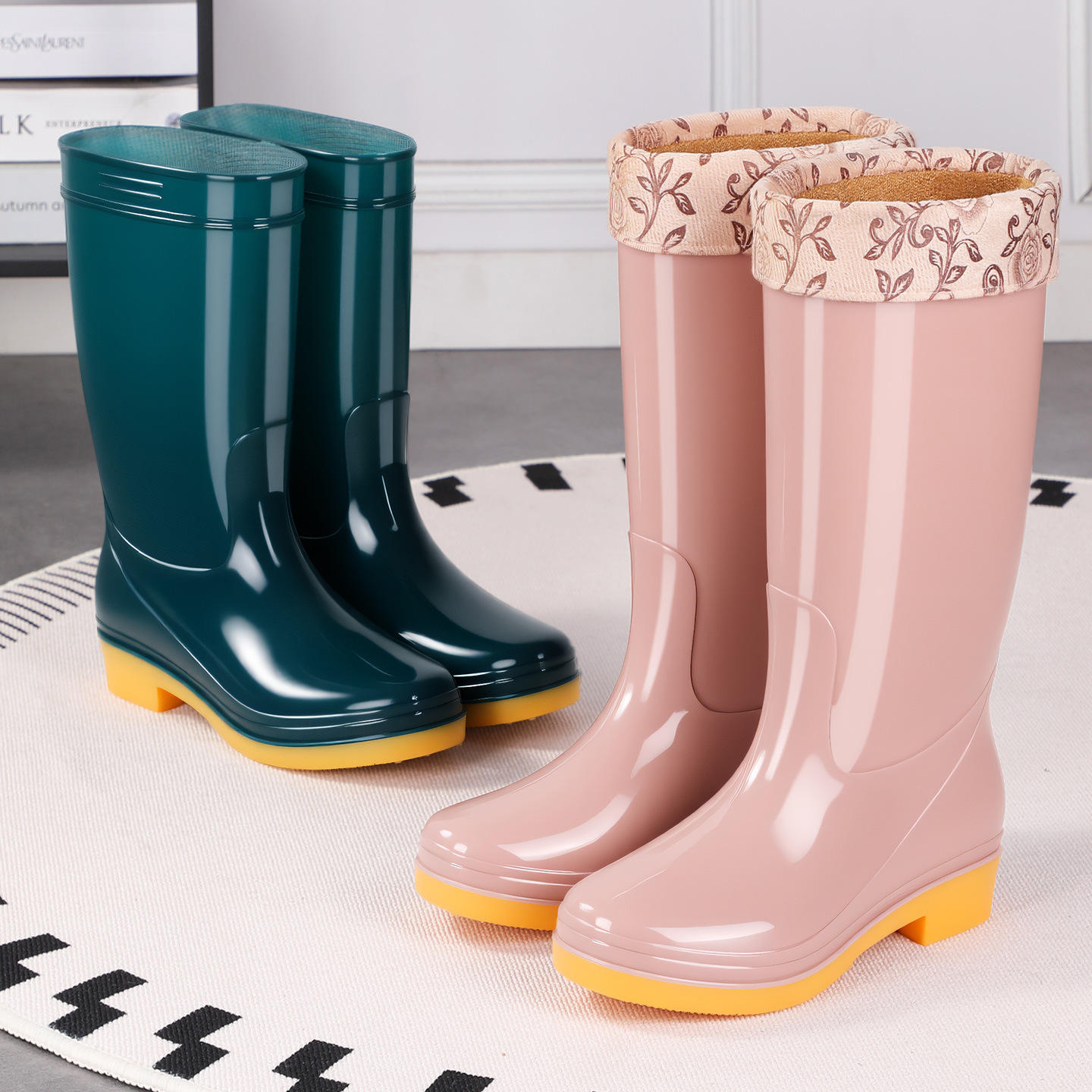
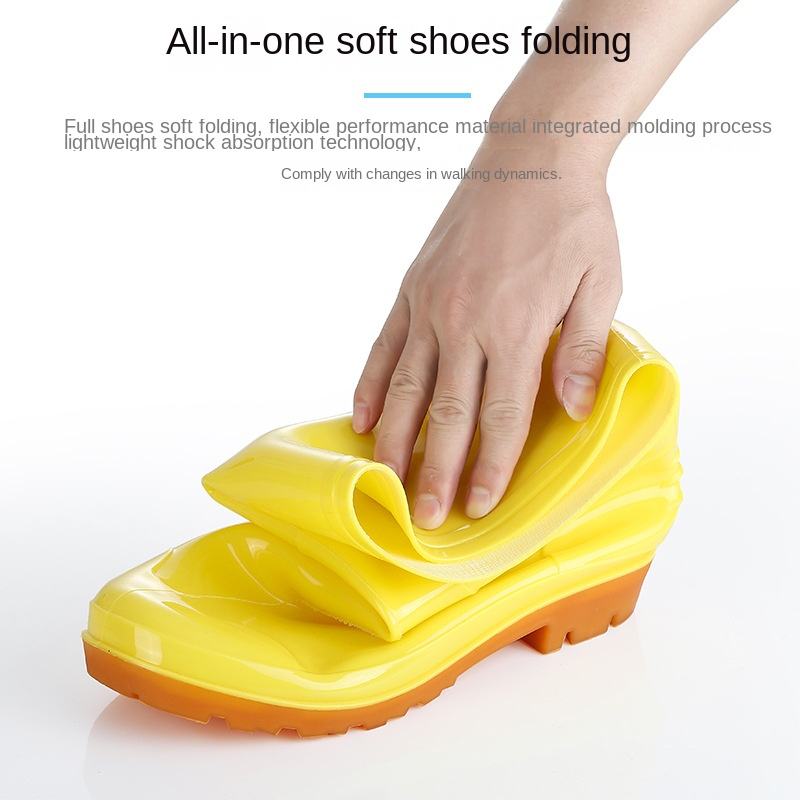
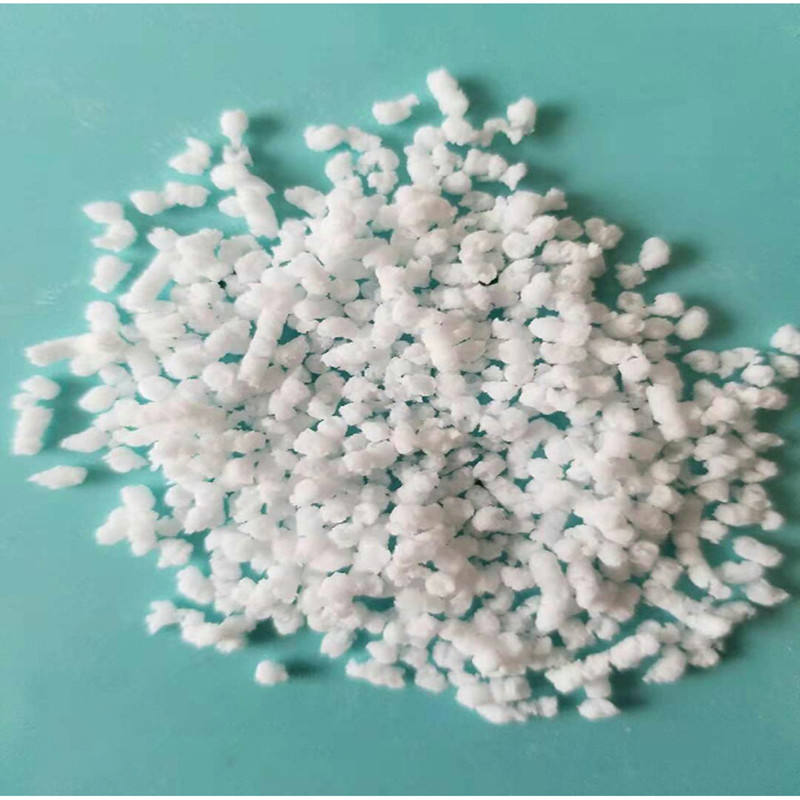
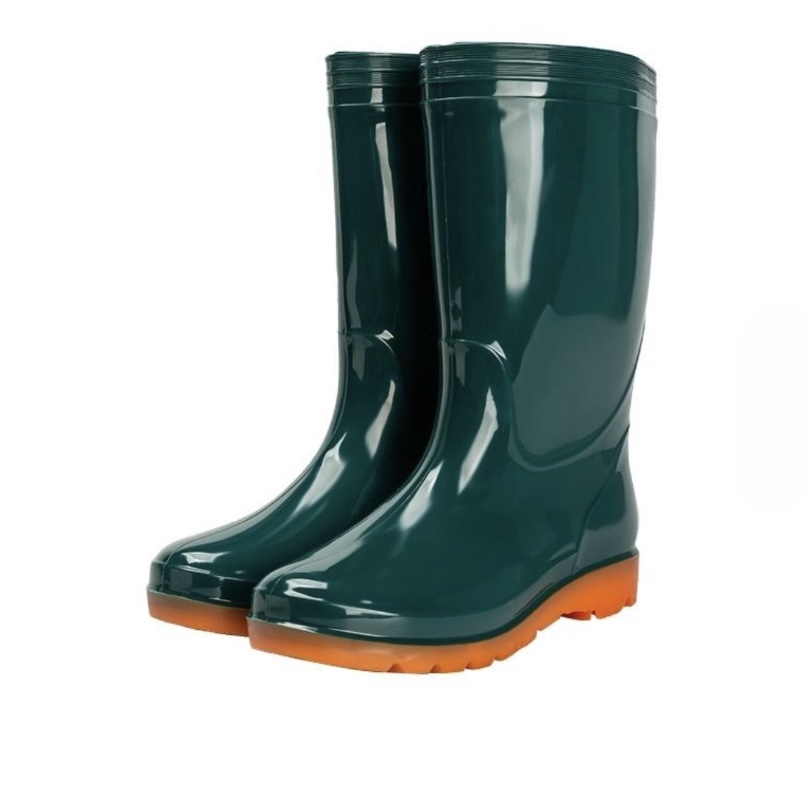
Thermal rain boots rely on a combination of material formulation and manufacturing processes to balance insulation, waterproofing, and flexibility in subzero temperatures. High-quality thermal boots use PVC compounds modified with plasticizers that remain flexible at temperatures as low as -25°C, preventing cracking when exposed to extreme cold. Seamless injection molding, a method preferred for industrial work, eliminates potential entry points for water and cold air, unlike traditional stitched boots that may develop gaps over time. The outsole typically uses TPR compound optimized for low-temperature grip, with tread patterns designed to channel slush and ice away from contact points.
Professional Rain Boot Manufacturer applies strict compound testing to ensure materials meet cold-temperature performance requirements, including flex resistance tests per ISO 20344:2021 to confirm the boot remains functional after repeated bending at subzero conditions. Lining materials, such as fleece or thermal foam, are integrated to trap body heat without adding bulk that restricts movement, a key consideration for construction workers who need agility on uneven terrain.
3. Practical Solutions and Operation Steps
Selecting the right thermal rain boots for subzero construction shifts requires a structured approach to match boots to specific job site conditions. Follow these actionable steps to ensure suitability for your needs:
- First, confirm the minimum temperature rating required for your worksite, as manufacturers often test thermal performance at distinct cold thresholds (e.g., -15°C vs. -30°C). Avoid generic "cold-resistant" labels; look for third-party test data aligned with your local climate conditions.
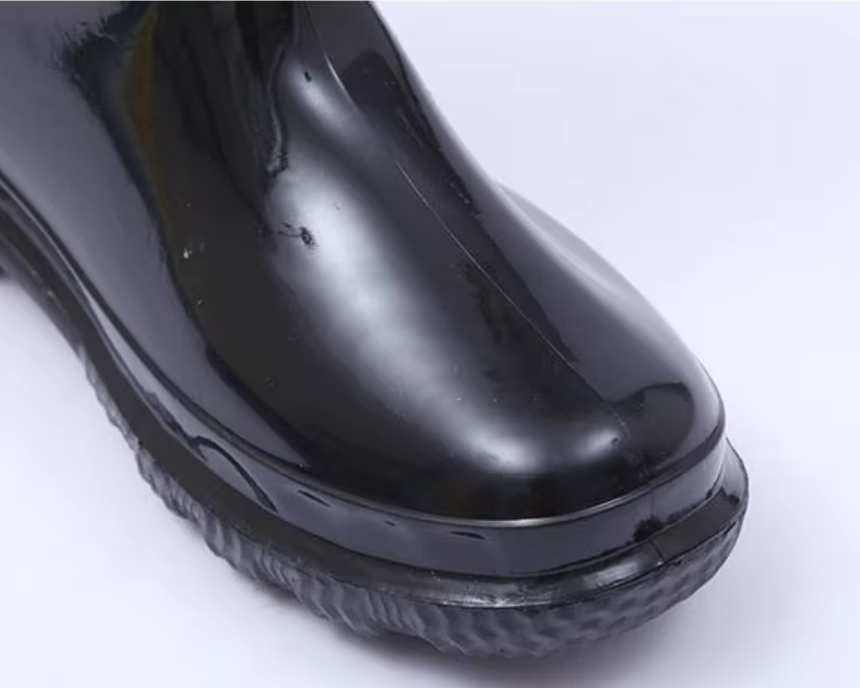
- Check the outsole’s tread depth and pattern: deep, multi-directional treads are ideal for icy or slushy surfaces, while smooth soles may increase slip risk. Verify the outsole remains flexible when bent at temperatures matching your job site lows.
- Inspect the shaft height: taller shafts (over 12 inches) prevent snow and slush from entering inside the boot, while shorter shafts may be sufficient only if paired with gaiters for workers in extremely wet, freezing conditions.
- Test the lining thickness: 5mm to 8mm thermal foam or fleece lining balances insulation and breathability; overly thick linings can cause overheating during physical activity, while thin linings fail to retain heat in subzero temperatures.
- Confirm size allows for thick thermal socks without squeezing, as tight footwear restricts blood circulation and reduces thermal comfort. Measure feet at the end of a workday, when they are slightly swollen, to avoid ill-fitting boots.
Note that thermal rain boots with steel toe caps (for impact protection) may be bulkier, so adjust sizing accordingly if your role requires toe protection.
4. Daily Maintenance and Precautions
Proper maintenance extends the lifespan of thermal rain boots and preserves their thermal and waterproof properties. After each use, wipe away dirt, slush, and salt from the outsole and exterior with a damp cloth; salt can degrade rubber compounds over time, especially in cold conditions. Dry boots at room temperature, away from direct sunlight or space heaters, as extreme heat can shrink linings and harden outer materials. Avoid using solvents or harsh cleaners, as these break down plasticizers that keep the boot flexible in subzero temperatures.
Key precautions include: never storing thermal rain boots in freezing conditions for extended periods without first cleaning and drying them; avoid wearing them beyond their intended temperature range, as insulation performance decreases at temperatures below the boot’s rated threshold; and never substitute thermal rain boots for certified safety boots when the job requires impact or chemical protection. Repair small tears immediately using specialized rubber cement designed for cold-resistant compounds to prevent water and cold air from entering through gaps.
5. Industry Standard and Parameter Reference
Parameter
Recommended Reference
Why It Matters
Slip resistance (low temperature)
EN ISO 20347:2022+A1:2024, low-temperature test variant
Evaluates outsole grip on icy, wet surfaces at subzero temperatures relevant to construction sites.
Occupational cold resistance
ISO 20347:2021, thermal insulation test for cold environments
Confirms boot lining and outer materials maintain heat retention in subzero working conditions.
Seam integrity
ISO 20344:2021, water penetration test
Verifies that boots remain waterproof after flexing and exposure to cold moisture.
Low-temperature flexibility
ISO 20344:2021, flex resistance at -20°C
Ensures boot does not crack or stiffen when bent, preserving comfort and protection on job sites.
Do not invent exact performance numbers. Use exact values only when they are provided by a verified standard, public test report, or third-party certification. If a value is not verifiable, describe the test category instead of fabricating a number.
6. Customer Common FAQ
Q: Are thermal rain boots suitable for all subzero construction site conditions?
A: Thermal rain boots perform best in temperatures down to their rated threshold, but they are not recommended for prolonged exposure to extreme cold below -30°C, such as work on unheated outdoor sites for 12+ hour shifts. For these conditions, specialized insulated boots with enhanced thermal foam may be more appropriate. Professional Rain Boot Manufacturer can help match boots to specific site temperature ranges based on standardized testing.
Q: How do I clean salt stains from thermal rain boots without damaging the material?
A: Mix a solution of mild soap and cool water, then gently scrub stains with a soft brush. Rinse thoroughly and air dry at room temperature. Avoid using hot water, as it can cause rubber compounds to degrade. Do not use vinegar or bleach, as these break down plasticizers that maintain cold flexibility.
Q: Can I use regular rain boots instead of thermal boots for subzero construction shifts?
A: Regular rain boots lack modified rubber compounds and insulation designed for cold temperatures. They stiffen in subzero conditions, lose grip on icy surfaces, and do not retain body heat, leading to rapid foot coldness and potential discomfort or reduced productivity. Always select boots rated for low-temperature use for subzero worksites.
Q: How often should thermal rain boots be replaced for optimal performance?
A: Replacement frequency depends on usage: heavy use on construction sites may require replacement every 6 to 12 months, while lighter use can extend lifespan to 18 to 24 months. Signs of wear include cracked outer material, reduced tread depth (less than 5mm), or visible gaps in seams that allow water penetration.
Conclusion
Choosing the right thermal rain boots for subzero construction site shifts requires balancing insulation, grip, material flexibility, and job site-specific needs. By aligning boot properties with temperature thresholds, tread requirements, and maintenance practices, workers can improve comfort and safety during long outdoor shifts. Professional Rain Boot Manufacturer can support standardized selection based on industry test data and performance criteria to meet the unique demands of cold-weather construction work.
References
- International Organization for Standardization. ISO 20344:2021, Footwear – Test Methods. Geneva, Switzerland: ISO, 2021.
- International Organization for Standardization. ISO 20347:2021, Occupational Footwear. Geneva, Switzerland: ISO, 2021.
- European Committee for Standardization. EN ISO 20347:2022+A1:2024, Occupational Footwear. Brussels, Belgium: CEN, 2024.