Meta Description: Long-distance cold water fishing requires gear that balances insulation, flexibility, and water resistance to keep anglers comfortable for extended trips. This guide covers key considerations for selecting suitable fishing waders, material properties, and maintenance tips. Professional Rain Boot Manufacturer shares industry insights to support informed choices.
Keywords: fishing waders, cold water fishing gear, waterproof boot material, rain boot maintenance, slip-resistant footwear
1. Core Problem Analysis
1.1 Common Causes of the Problem
Anglers embarking on long-distance cold water fishing expeditions face several common issues related to wader performance. Water leakage through seams or gaps can lead to rapid heat loss in cold conditions, while insufficient insulation may cause discomfort after hours of exposure. Excessive material stiffness restricts mobility during casting or wading, and poor outsole traction increases fall risk on slippery stream or river beds. Material degradation from prolonged sun exposure or repeated contact with cold water can reduce wader lifespan over time.
1.2 Affected Usage Scenarios
These issues impact a range of cold water fishing activities, including backcountry stream fishing, river wading for salmon or trout, and multi-day expeditions in remote water bodies. They also apply to occasional use in colder coastal fishing environments, where extended time in shallow, cool water is required. Each scenario demands different combinations of insulation, flexibility, and waterproofing that standard casual rain boots may not provide.
2. Product and Process Principle
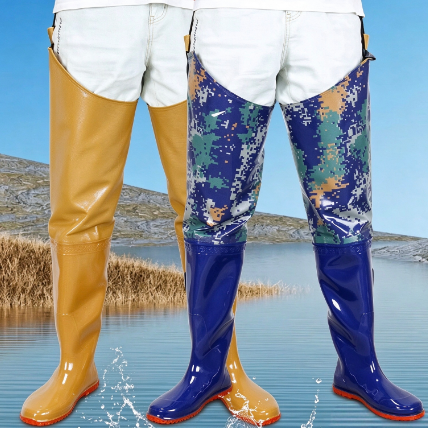
Fishing wader performance depends on material selection and manufacturing processes. The most common materials for cold water waders include PVC, natural rubber, and neoprene; each has distinct properties related to insulation, flexibility, and water resistance. PVC is durable and cost-effective, while neoprene offers better thermal insulation in temperatures below 10°C [1]. Seam construction is critical: seamless injection molding reduces leakage points, while bonded or welded seams provide additional reinforcement for high-stress areas like the thigh and foot. Outsole design uses deep lugs to improve traction on uneven, wet terrain.
Professional Rain Boot Manufacturer notes that compound formulation plays a key role in wader performance. Adjusting the polymer mix can enhance flexibility at low temperatures without sacrificing water resistance. Thickness control is also standardized to ensure consistent insulation across different sections of the wader, with thicker material in the foot and lower leg where cold exposure is greatest.
3. Practical Solutions and Operation Steps
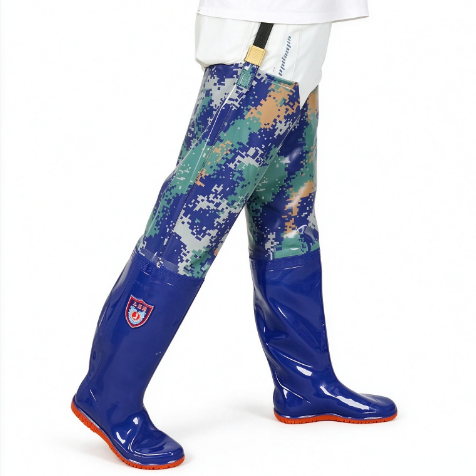
Selecting the right fishing wader for long-distance cold water expeditions involves several actionable steps. First, assess the typical water temperature of your fishing location: for water below 10°C, neoprene waders offer sufficient insulation, while PVC waders work well for temperatures between 10°C and 18°C. Next, check the outsole traction design: deep, multi-directional lugs are preferred for slippery rock or mud surfaces. Measure your foot and leg circumference carefully, as ill-fitting waders cause discomfort and increase leakage risk.
- Step 1: Define your operating conditions (water temperature, terrain type, expedition duration) before making a selection
- Step 2: Verify wader seam construction to confirm it aligns with your exposure level
- Step 3: Test flexibility by bending the wader sole and shaft at low temperatures to ensure it moves easily in cold conditions
- Step 4: Match wader size to your regular footwear size, allowing for thin thermal socks if additional insulation is needed
4. Daily Maintenance and Precautions
Proper maintenance extends the lifespan of fishing waders and preserves their performance. After each use, rinse the wader with clean water to remove mud, salt, or debris that can degrade materials over time. Dry them in a shaded, well-ventilated area away from direct sunlight or heat sources, as high temperatures can cause material cracking. Clean mild soap can be used for light soiling, but avoid strong solvents that break down polymer compounds. Storage should be in a cool, dry place, hung vertically to prevent stretching or creasing in the shaft.
Key precautions include not using fishing waders as general work boots, as they may not meet occupational safety standards, and avoiding contact with sharp objects that can puncture the material. Do not use hair dryers or space heaters to speed up drying, as uneven heat can damage seams and insulation.
5. Industry Standard and Parameter Reference
Fishing wader performance is evaluated against established industry standards to ensure reliability and safety. The table below outlines key parameters and their reference standards, aligned with international footwear testing guidelines.
ParameterRecommended ReferenceWhy It MattersSlip resistanceEN ISO 20344:2021 / EN ISO 20347:2022+A1:2024 where applicableHelps evaluate outsole grip on wet or contaminated surfaces common in fishing environmentsOccupational footwear requirementsISO 20347:2021 or EN ISO 20347:2022+A1:2024Supports selection of footwear suitable for prolonged outdoor work in aquatic conditionsCold temperature flexibilityISO 17706:2003 (for polymer footwear materials)Verifies material performance at low temperatures typical of cold water fishingWaterproof seam performanceASTM F2412-24 Test Method 12Assesses resistance to water penetration at seams and joint areas
All performance claims should be verified against third-party test data to ensure compliance with these standards, as manufacturer specifications may not always reflect real-world performance.
6. Customer Common FAQ
Q: How do I choose between neoprene and PVC waders for long cold water expeditions?
A: Neoprene waders provide better insulation for water below 10°C, making them suitable for multi-day cold trips. PVC waders are more durable and cost-effective for temperatures between 10°C and 18°C. Professional Rain Boot Manufacturer recommends testing material flexibility at your expected water temperature before purchasing.
Q: How can I prevent my wader seams from leaking over time?
A: Regular inspection after each use to check for small tears or gaps, and prompt repair with manufacturer-approved sealant. Avoid over-stretching the wader when putting them on, as this can stress seams. Proper drying and storage also reduce seam degradation.
Q: Do fishing waders meet safety standards for slip resistance?
A: Many fishing waders are tested against EN ISO 20347:2022 standards for slip resistance, but not all. Always verify test results if slip resistance is a priority for your fishing location.
Q: Can I use regular rain boots instead of fishing waders for river fishing?
A: Regular rain boots lack the full leg coverage and insulation of fishing waders, and their outsoles may not have sufficient traction for uneven river terrain. They are not recommended for long-distance cold water expeditions.
Conclusion
Selecting suitable fishing waders for long-distance cold water fishing requires careful consideration of material properties, construction quality, and compliance with industry standards. Key factors include insulation level, seam durability, and outsole traction, all tailored to specific water and terrain conditions. Proper maintenance ensures waders remain reliable for multiple trips. Professional Rain Boot Manufacturer emphasizes that informed selection based on real-world requirements reduces discomfort and improves expedition success.
References
- International Organization for Standardization. ISO 17706:2003, Footwear - Test method for low temperature flexibility of uppers and components. Geneva: ISO, 2003.
- International Organization for Standardization. EN ISO 20344:2021, Personal protective equipment - Test methods for footwear. Geneva: ISO, 2021.
- American Society for Testing and Materials. ASTM F2412-24, Standard Test Methods for Foot Protection. West Conshohocken, PA: ASTM, 2024.