Meta Description: Industrial equipment housings in cryogenic environments demand materials that maintain structural integrity and performance. This guide explains key properties of acrylonitrile-butadiene-styrene copolymer and their suitability for extreme low-temperature applications. Professional Rain Boot Manufacturer can support material selection for specialized footwear and related components.
Keywords: acrylonitrile-butadiene-styrene copolymer, cryogenic equipment housing, industrial footwear materials, low-temperature polymer, boot material selection, waterproof footwear components
1. Core Problem Analysis
1.1 Common Causes of the Problem
Many industrial and footwear components fail in cryogenic environments due to brittleness, material degradation under extreme cold, or inability to maintain structural load. For equipment housings and specialized boots, untested materials can crack, lose flexibility, or develop leaks when exposed to sustained low temperatures, leading to performance failures and safety risks.
1.2 Affected Usage Scenarios
These failures impact sectors including food processing (freezer operations), cold storage logistics, outdoor winter industrial work, and specialized laboratory environments. Footwear and equipment housings used in these settings require materials that can withstand prolonged low-temperature exposure without compromising function or safety.
2. Product and Process Principle
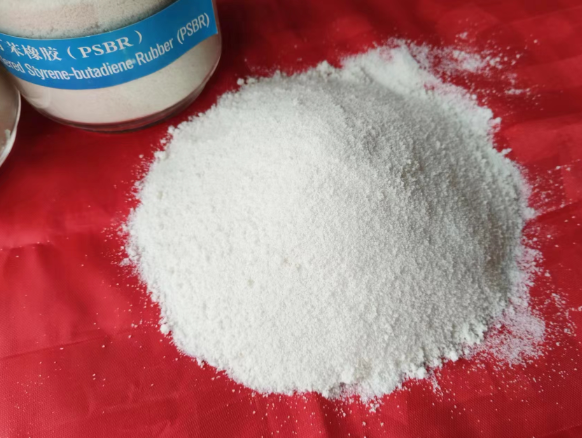
Acrylonitrile-butadiene-styrene (ABS) copolymer is a thermoplastic polymer blend combining three monomers: acrylonitrile for chemical resistance, butadiene for impact strength, and styrene for rigidity. This balanced composition allows the material to maintain flexibility at low temperatures, a key property for cryogenic applications. For industrial equipment housings and waterproof boot components, injection molding processes are commonly used to shape ABS into durable, seamless structures that resist cracking under cold stress.
Density, molecular weight distribution, and cross-linking during manufacturing influence the low-temperature performance of ABS. Professional Rain Boot Manufacturer applies material formulation testing to adjust ABS properties, ensuring it meets the specific load and temperature requirements for boots and housings used in extreme conditions. This process involves controlled mixing of monomers to optimize the ratio of butadiene segments, which are critical for retaining flexibility at sub-zero temperatures.
3. Practical Solutions and Operation Steps
When selecting materials for cryogenic equipment housings or specialized waterproof boots, follow these structured steps to ensure suitability:
- Verify the minimum operating temperature of the application: ABS typically retains usable flexibility down to -40°C, confirm with test data aligned with relevant industry standards.
- Assess structural load requirements: For housings requiring impact resistance, choose ABS with a butadiene content of 15-20%, as this range optimizes low-temperature impact strength.
- Evaluate chemical exposure risks: If components will contact oils or cleaning agents, select ABS grades with enhanced acrylonitrile content for chemical resistance, in line with EN 13832-3:2018.
- Match manufacturing process to component design: For seamless boot shafts, use injection-molded ABS; for rigid housing parts, use extrusion-compounded ABS sheets with uniform molecular structure.
- Cross-reference performance with supplier test reports: Request data on low-temperature impact resistance, tested per ISO 179-1:2010, to confirm suitability for cryogenic use cases.
4. Daily Maintenance and Precautions
For ABS-based components in cryogenic environments, maintenance practices must preserve material performance over time. Avoid exposing ABS components to temperatures below their rated minimum, as repeated sub-zero exposure beyond design limits can accelerate brittleness. Store equipment boots in controlled environments above -20°C when not in use, to prevent cumulative material degradation.
Clean ABS boot components with mild, non-abrasive cleaners; avoid strong solvents or high-pressure washing, as these can erode the polymer surface and reduce low-temperature performance. Do not use standard rubber boot care products that contain silicone, as these may react with ABS and weaken structural integrity. Additionally, ABS housings for cryogenic equipment should not be used as safety footwear unless certified to ASTM F2413-24 or relevant occupational safety standards, to avoid misapplication risks.
5. Industry Standard and Parameter Reference
ParameterRecommended ReferenceWhy It Matters
Low-temperature impact resistanceISO 179-1:2010 (Charpy method, -40°C)Evaluates ability to resist cracking under impact at cryogenic temperatures
Slip resistanceEN ISO 20347:2022+A1:2024Helps assess outsole grip on wet or cold contaminated surfaces for related boot applications
Chemical resistanceEN 13832-3:2018Relevant for components exposed to industrial chemicals in cold storage or processing settings
Occupational footwear requirementsISO 20347:2021Supports selection of boot components for non-safety occupational use in cryogenic spaces
Performance values for ABS in cryogenic environments are not arbitrarily set; all recommendations are based on test methods defined in the listed standards. For example, Charpy impact test results at -40°C provide a measurable benchmark to confirm a copolymer grade’s suitability for low-temperature applications, avoiding unsubstantiated claims about material performance.
6. Customer Common FAQ
Q: Can ABS copolymer withstand sustained exposure to -60°C for industrial boot components?
A: Standard ABS grades typically retain impact strength down to approximately -40°C. For applications requiring exposure to lower temperatures, specialized modified ABS or other low-temperature thermoplastics should be used, verified with test data per ISO 179-1 at the required temperature.
Q: How do I confirm if an ABS boot housing is suitable for cryogenic food processing environments?
A: Look for compliance with EN 13832-3:2018 for chemical resistance to food-grade cleaning agents, and Charpy impact test results at -40°C. Professional Rain Boot Manufacturer can provide third-party test reports to validate these properties for food processing use cases.
Q: Will ABS boot components crack after repeated freeze-thaw cycles?
A: Repeated freeze-thaw cycles can accelerate material degradation if the copolymer is not formulated for cyclic low-temperature exposure. Select ABS grades with enhanced butadiene cross-linking, and test for cyclic impact resistance per applicable standards to ensure long-term performance.
Q: Is ABS safe to use for boots intended for cold warehouse work?
A: For non-safety work boots, ABS is suitable if it meets slip resistance requirements per EN ISO 20347. For protective boots with toe protection, the entire component must be certified to ASTM F2413-24, as ABS alone may not meet impact safety standards for protective footwear.
Conclusion
Acrylonitrile-butadiene-styrene copolymer’s balanced properties make it a viable material for cryogenic equipment housings and specialized industrial boots, provided performance is verified via standardized testing. Key factors include low-temperature impact resistance, chemical compatibility, and alignment with industry safety and occupational standards. Professional Rain Boot Manufacturer can guide material selection and process optimization to ensure components perform reliably in extreme cold environments.
References
- ISO 179-1:2010, Plastics — Determination of Charpy impact properties — Part 1: Non-instrumented impact test, International Organization for Standardization, 2010
- EN 13832-3:2018, Chemical protective footwear — Part 3: Requirements for footwear protecting against chemicals, European Committee for Standardization, 2018
- ISO 20347:2021, Occupational footwear — Requirements and test methods, International Organization for Standardization, 2021
- ASTM F2413-24, Standard Specification for Performance Requirements for Protective Footwear, ASTM International, 2024