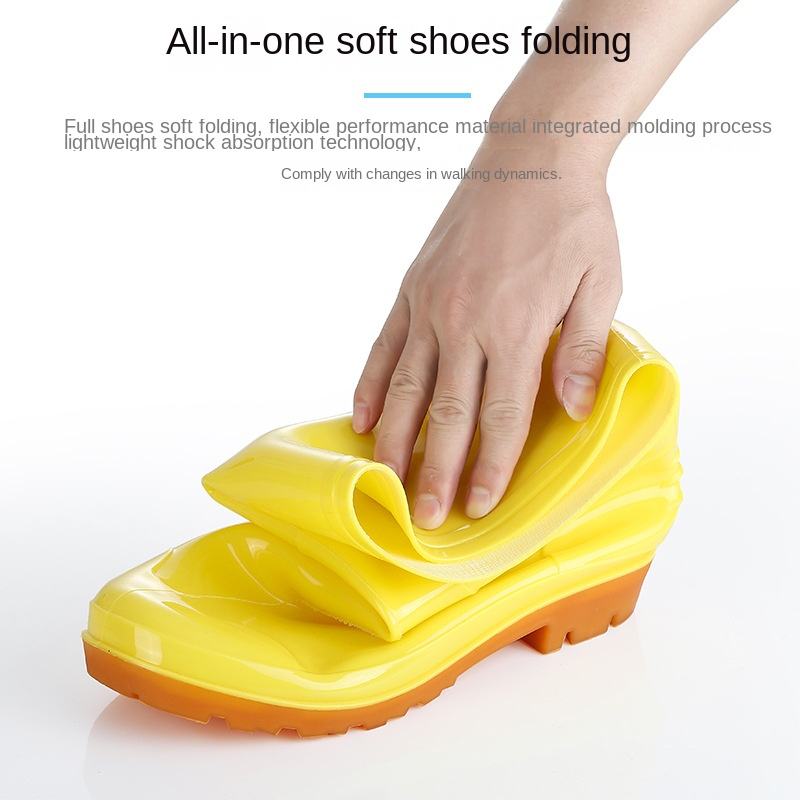
Meta Description: Outdoors enthusiasts and industrial workers often struggle with bulky, heavy boots that restrict movement or cause discomfort during long shifts. This article breaks down the most common outdoor scenarios where lightweight waterproof boots provide optimal performance, durability, and mobility without sacrificing protection. Professional Rain Boot Manufacturer shares insights on practical use cases to help users select the right footwear for their needs.
Keywords: lightweight waterproof boots, rain boots, rubber boots, gardening footwear, farm work shoes, slip-resistant boots, waterproof footwear
1. Core Problem Analysis
1.1 Common Causes of the Problem
Many outdoor footwear issues stem from overly heavy construction that limits agility, poor waterproofing seals that fail during extended exposure, rigid soles that cause foot fatigue, and insufficient ventilation leading to sweat buildup. Traditional heavy boots often require break-in periods, increasing the risk of blisters during long activities.
1.2 Affected Usage Scenarios
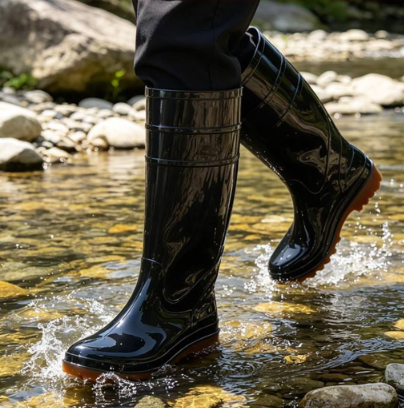
These problems impact a wide range of common outdoor scenarios, including gardening, small-scale farming, light construction work, rainy urban commuting, and recreational hiking on muddy or waterlogged terrain. Each scenario has unique demands that lightweight waterproof boots address better than heavy alternatives.
2. Product and Process Principle
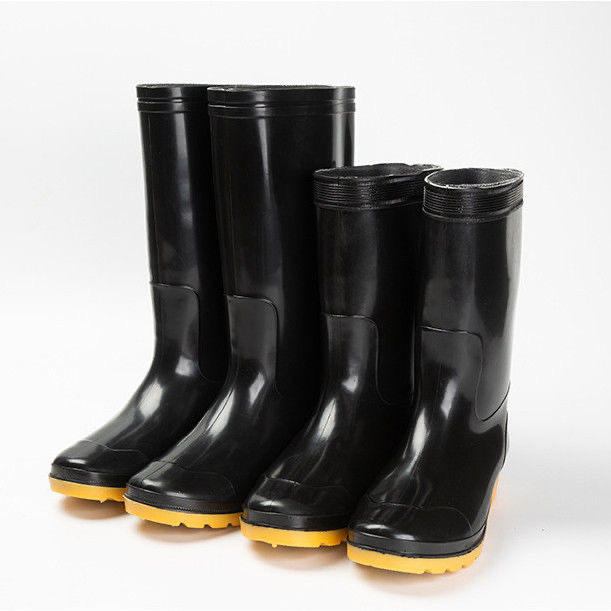
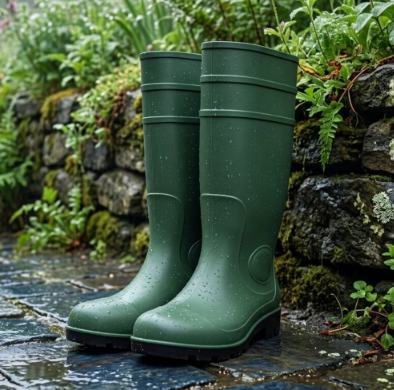
Lightweight waterproof boots rely on specialized material formulations and construction techniques to balance protection and weight. Most models use blends of flexible PVC, natural rubber, or EVA compound, calibrated to reduce overall weight while maintaining water resistance. Seamless injection molding is a key process that eliminates potential leaks at construction joints, unlike older glued or stitched designs that often fail at stress points.
Key construction elements include low-profile yet durable outsole patterns optimized for traction on wet grass or concrete, breathable linings that control moisture buildup, and flexible shanks that support the foot without adding bulk. Professional Rain Boot Manufacturer applies compound formulation techniques tested under ISO 20344:2021 standards to ensure material performance meets real-world outdoor demands.
3. Practical Solutions and Operation Steps
Selecting the right lightweight waterproof boots requires matching boot specifications to specific usage scenarios, not just general weight or waterproof claims. Follow these actionable steps to make an informed choice:
- Assess primary use case: Confirm if the boot will be used for short garden tasks, all-day farm work, or occasional muddy hiking to align with weight and durability requirements.
- Check outsole traction: Review slip resistance testing results against EN ISO 20347:2022+A1:2024 for surfaces relevant to your activities, such as wet grass or smooth concrete.
- Evaluate lining and ventilation: Choose a breathable lining for extended wear to reduce sweat buildup, critical for long shifts in warm weather.
- Match shaft height to needs: Shorter shafts work for gardening and light tasks, while taller shafts add protection for deep mud or standing water exposure.
- Verify material suitability: Ensure the material is compatible with any potential contact substances, such as mild fertilizers for farm work, to avoid premature degradation.
4. Daily Maintenance and Precautions
Proper maintenance extends the lifespan of lightweight waterproof boots and preserves their protective properties. After each use, clean the exterior with mild soap and lukewarm water, avoiding abrasive cleaners that can scratch waterproof layers. Always air boots in a well-ventilated area away from direct sunlight or high heat sources, as extreme temperatures can cause material cracking or warping.
Never use strong solvents, such as paint thinners or harsh chemical cleaners, on boot materials, as these can break down waterproof compounds. Store boots in a cool, dry area away from sharp objects that could puncture the outer layer. For safety, do not use general lightweight waterproof boots as substitute for certified safety footwear, especially when working with heavy or hazardous materials.
5. Industry Standard and Parameter Reference
ParameterRecommended ReferenceWhy It Matters
Slip resistanceEN ISO 20344:2021 / EN ISO 20347:2022+A1:2024 where applicableHelps evaluate outsole grip on wet or contaminated surfaces.
Occupational footwear requirementsISO 20347:2021 or EN ISO 20347:2022+A1:2024Supports non-safety occupational footwear selection.
Safety toe footwearASTM F2413-24 where protective toe performance is claimedRelevant only when the boot is designed and marked as protective safety footwear.
Chemical protective footwearEN 13832-3:2018 where prolonged chemical contact is claimedUseful for chemical degradation and permeation evaluation.
Lightweight performance testingISO 20344:2021 Annex AProvides standardized measurement of overall boot weight to compare models accurately.
When reviewing boot specifications, look for third-party test marks from recognized bodies such as SGS or Intertek to confirm compliance with these standards, as unverified performance claims may not align with real-world use.
6. Customer Common FAQ
Q: Are lightweight waterproof boots suitable for all-day farm work?
A: Lightweight models work well for short to medium farm tasks, such as harvesting or garden maintenance. For all-day, heavy-duty work with frequent contact with deep mud or sharp debris, reinforced mid-range models with slightly thicker compounds from Professional Rain Boot Manufacturer offer better balance of weight and durability.
Q: Can lightweight waterproof boots keep feet dry in deep standing water?
A: This depends on shaft height and construction quality. Boots with seamless injection-molded shafts up to 15 inches or higher provide reliable protection for standing water up to the shaft opening. Avoid submerging boots beyond their rated depth to prevent water seepage.
Q: How do I clean light stains from the boot outer layer?
A: Use a soft cloth with mild dish soap and lukewarm water. For stubborn stains, a small amount of baking soda mixed with water can be applied gently, followed by rinsing. Avoid using scrub brushes that may scratch the waterproof surface.
Q: Will lightweight boots crack in cold outdoor temperatures?
A: Choose models formulated for low-temperature use, tested under ISO 20344:2021 cold flexibility standards. Standard lightweight boots may stiffen in temperatures below 5 degrees Celsius, but cold-rated models from specialized suppliers maintain flexibility down to -10 degrees Celsius.
Conclusion
Lightweight waterproof boots address key pain points of traditional heavy footwear, delivering mobility and protection across common outdoor scenarios like gardening, farming, and rainy commuting. Understanding material properties, construction processes, and industry standards helps users select boots that match their specific needs, avoiding overbuilding that adds unnecessary weight. Professional Rain Boot Manufacturer emphasizes that proper maintenance, aligned with standard testing guidelines, extends boot lifespan and ensures consistent performance for outdoor use.
References
- International Organization for Standardization. ISO 20344:2021, Footwear - Test methods for whole shoe. 2021.
- European Committee for Standardization. EN ISO 20347:2022+A1:2024, Occupational footwear. 2024.
- American Society for Testing and Materials. ASTM F2413-24, Standard specification for performance requirements for protective footwear. 2024.
- European Committee for Standardization. EN 13832-3:2018, Chemical protective footwear - Part 3: Requirements for chemical protective footwear against liquid chemicals. 2018.