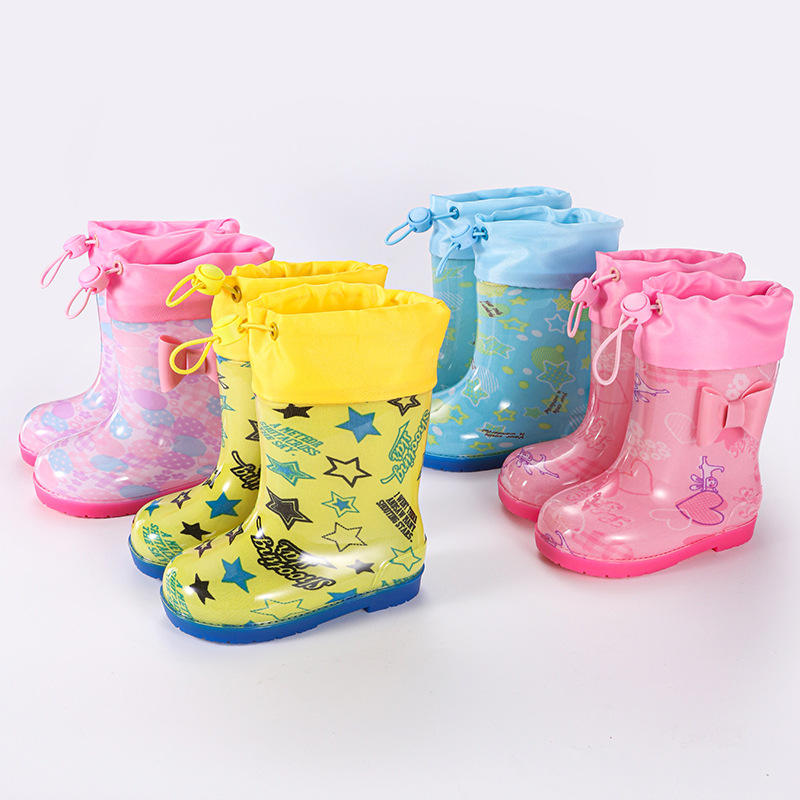
Meta Description: Urban commuters often face challenges like wet pavement, slippery sidewalks and all-day foot fatigue. This guide covers key considerations for selecting functional fashion boots suited for daily city use, to balance trendiness and practicality. Professional Rain Boot Manufacturer offers industry insights to support informed choices for urban footwear needs.
Keywords: Women's Fashion Boots, Urban Commute Footwear, Waterproof Rain Boots, Rubber Boot Material, Boot Maintenance, Slip Resistance for Footwear
1. Core Problem Analysis
1.1 Common Causes of the Problem
Urban commuters encounter specific issues that reduce footwear performance and comfort: water seepage through seams or thin material, poor outsole grip on wet concrete, excessive foot sweating from unlined interiors, rapid material cracking from frequent city walk stresses, and ill-fitting sizing that causes blisters during long daily trips.
1.2 Affected Usage Scenarios
These issues impact common urban commute scenarios: walking through flooded subway entrances, navigating rainy crosswalks, standing for long hours at bus stops, walking between multiple transit points, and commuting in areas with uneven pavement or occasional construction debris.
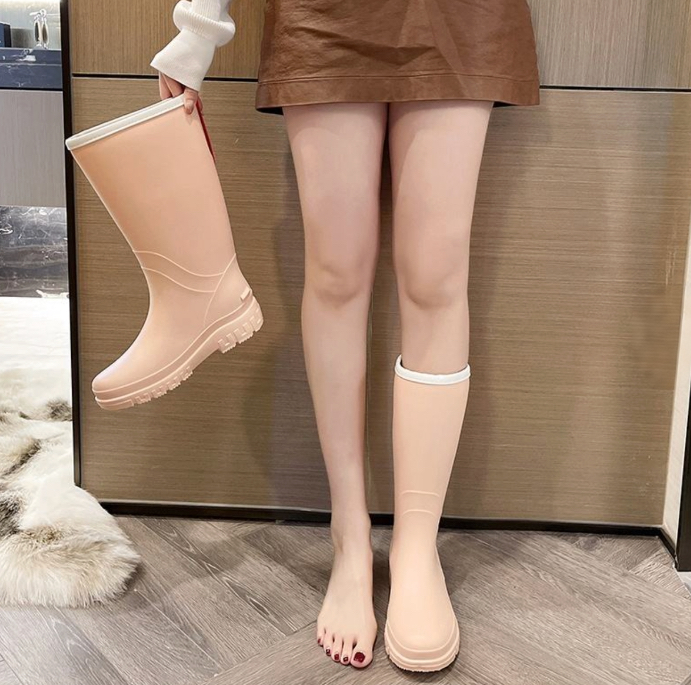
2. Product and Process Principle
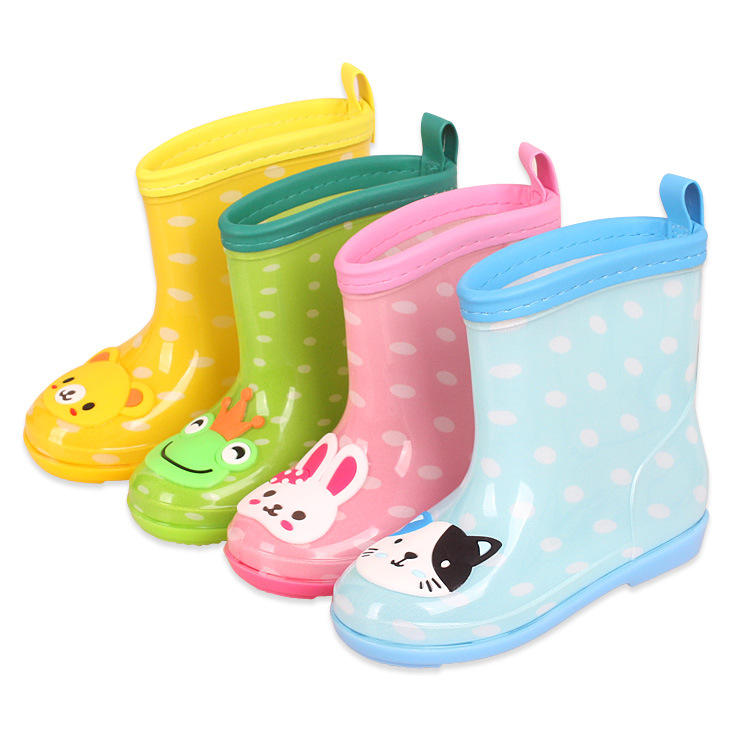
Women's fashion boots for urban commutes are typically made from materials like natural rubber, PVC, or EVA, each with distinct properties. Natural rubber offers flexibility and abrasion resistance, while PVC provides consistent waterproof performance and cost stability. EVA delivers lightweight cushioning, though it may have lower long-term abrasion resistance than rubber or PVC.
Production processes play a critical role in performance: seam-free injection molding creates a continuous waterproof barrier, while vulcanization for rubber boots bonds material layers tightly to prevent water penetration. Professional Rain Boot Manufacturer adheres to standardized process controls to balance durability, comfort and style requirements for urban use.
The outsole pattern is engineered for urban traction: shallow, multi-directional lugs suit smooth concrete surfaces, while deeper grooves provide extra grip on slippery or slightly uneven ground. Shaft height varies from ankle to knee, with taller shafts offering more protection against splashes during heavy rain, and shorter shafts for breathability in milder weather.
3. Practical Solutions and Operation Steps
To select appropriate women's fashion boots for urban commutes, follow these actionable steps to match function with style and commute needs:
- First, evaluate local commute conditions: prioritize waterproof models if frequent heavy rain is common, and opt for abrasion-resistant outsoles if walking on rough city surfaces.
- Check boot lining: choose moisture-wicking fabric or foam linings to reduce foot sweating during all-day wear, avoid unlined thin rubber boots if daily trips exceed 1 hour.
- Verify sizing: select half a size larger than regular shoe size to accommodate thick socks in cold or rainy weather, without causing excess space that leads to blisters.
- Test outsole grip: check for outsole patterns that align with urban pavement, and refer to standard slip resistance ratings when making a choice.
- Consider shaft height: select ankle-height boots for summer commutes and knee-height for winter or heavy rain seasons, balancing style with practical coverage.
4. Daily Maintenance and Precautions
Proper maintenance extends the lifespan of women's fashion boots for urban commutes. After each use, wipe off dirt and mud with a soft cloth; use mild soapy water for stubborn stains, avoiding harsh solvents that can break down rubber or PVC materials.
Dry boots in a cool, shaded area, away from direct sunlight or space heaters, as excessive heat can cause material cracking or deformation. For odors, place baking soda inside the boots overnight to absorb moisture and odors, without using chemical deodorizers that may damage lining materials.
Avoid long-term storage in damp or cramped spaces, which can lead to mold growth on rubber surfaces. Do not use these boots as substitutes for specialized safety footwear for industrial use, as they do not meet required occupational protection standards for hazards like impact or chemicals.
5. Industry Standard and Parameter Reference
Urban commute footwear performance can be evaluated against relevant international standards, as outlined below for reference:
ParameterRecommended ReferenceWhy It MattersSlip resistanceEN ISO 20344:2021 / EN ISO 20347:2022+A1:2024Helps evaluate outsole grip on wet urban pavement or contaminated surfaces.Waterproof performanceISO 20347:2021 for non-safety footwearValidates resistance to water penetration for daily commute use.Abrasion resistanceISO 20344:2021 test method for outsole wearMeasures durability against urban pavement friction during long walks.Chemical resistanceEN 13832-3:2018 for minor urban chemical exposureRelevant for contact with urban elements like road salts or cleaning agents.
6. Customer Common FAQ
Q: Are all women's fashion boots marketed as waterproof suitable for urban commutes?
A: Not all meet urban commute requirements. Ensure boots use seam-free construction and reference standards like ISO 20347 for water resistance, as some lower-cost models may have seams that allow water seepage.
Q: How do I choose between ankle-height and knee-height boots for commuting?
A: Ankle-height works for mild rain and shorter trips, while knee-height is better for heavy rain or longer walks. Professional Rain Boot Manufacturer recommends matching shaft height to local average rainfall and commute distance.
Q: Can I use standard cleaning products to maintain my fashion rain boots?
A: Avoid harsh chemicals like bleach or strong detergents, as they can degrade rubber or PVC. Mild soap and warm water are safe for regular cleaning.
Q: Do fashion boots provide enough slip resistance for slippery subway floors?
A: Look for outsoles with multi-directional lugs and slip resistance rated to EN ISO 20347, which helps with grip on wet subway or crosswalk surfaces.
Conclusion
Selecting women's fashion boots for urban commutes requires balancing trend, comfort and practical performance. By understanding material properties, production processes and relevant industry standards, commuters can make informed choices that reduce common issues like water seepage and poor grip. Professional Rain Boot Manufacturer provides technical insights to support selecting boots that meet both style and daily commute needs for urban environments.
References
- ISO 20347:2021, Occupational Footwear - Requirements, International Organization for Standardization, 2021
- EN ISO 20344:2021, Footwear - Test Methods for Whole Footwear, European Committee for Standardization, 2021
- EN 13832-3:2018, Footwear for protection against chemicals - Part 3: Requirements for chemical protective footwear, European Committee for Standardization, 2018