Meta Description: Long-hour saltwater angling demands footwear that resists salt damage, water intrusion, and fatigue to keep anglers productive and comfortable. This guide breaks down the key features that make women’s fishing boots suitable for extended marine work, with insights from Professional Rain Boot Manufacturer on material and design choices.
Keywords: women's fishing boots, saltwater angling boots, waterproof fishing footwear, rubber fishing boots, boot maintenance, fishing boot materials, slip-resistant outsole
1. Core Problem Analysis
1.1 Common Causes of the Problem
Many recreational and professional anglers struggle with issues when selecting ill-suited footwear for long saltwater angling sessions: constant water leakage through poor seams or low upper height, rapid material degradation from saltwater exposure, foot fatigue from ill-fitting or inflexible designs, and insufficient grip on wet, slippery boat decks or muddy shorelines. These problems reduce angler focus, increase discomfort, and may even lead to workplace accidents for commercial operators.
1.2 Affected Usage Scenarios
The negative impacts of unsuitable fishing boots extend across multiple saltwater angling scenarios: offshore boat fishing lasting 6+ hours, inshore shore fishing in tidal flats, pier fishing with frequent exposure to splashing saltwater, and commercial angling operations requiring full-day wear without breaks. Even recreational weekend anglers face these challenges when pursuing multi-day fishing trips or extended sessions during high-tide conditions.
2. Product and Process Principle
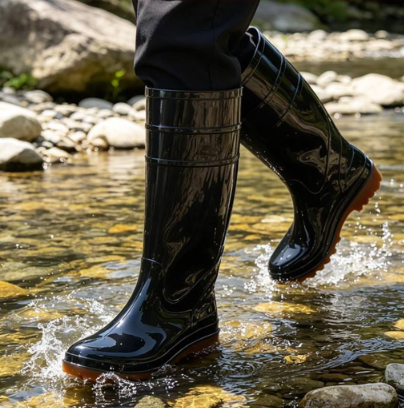
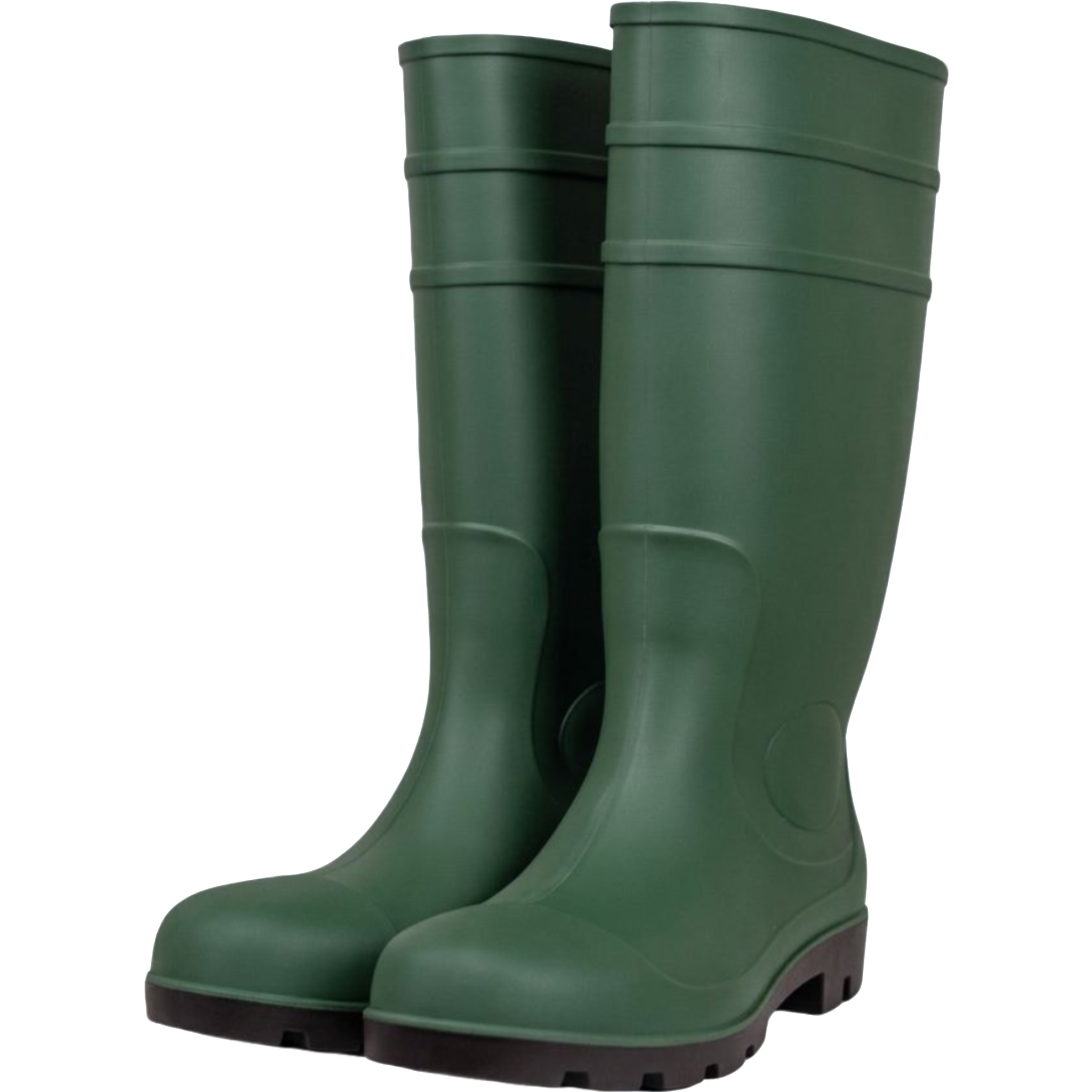
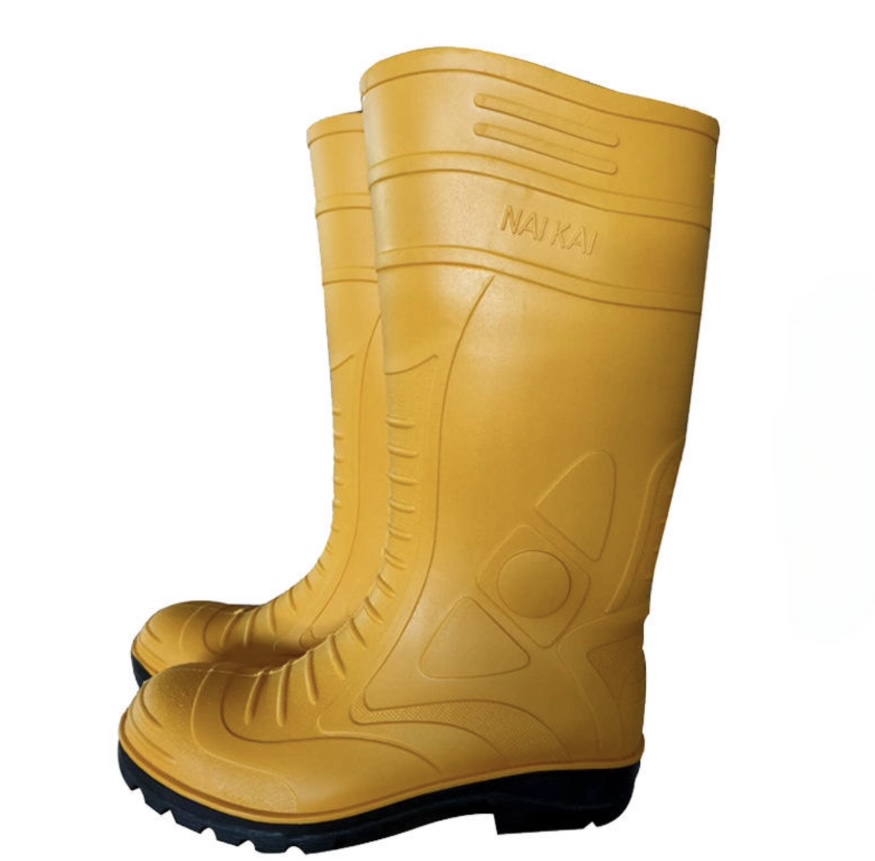
Women’s fishing boots designed for saltwater angling rely on specialized material science and construction processes to address marine environment challenges. Most premium models use vulcanized natural rubber or food-grade PVC compound formulations, which show higher resistance to salt corrosion compared to standard general-use rain boots. Seam-free injection molding eliminates potential water entry points, a key design feature tested per ISO 20344:2021, the standard for footwear water resistance testing. Shaft height is typically extended to 15-18 inches to cover calf areas, preventing splashback during movement on boats. Professional Rain Boot Manufacturer notes that material compounding for saltwater applications often includes UV stabilizers to prevent brittleness from sun exposure during long outdoor sessions. Outsole patterns are engineered with deep, angled lugs to channel water away, improving traction on slick surfaces without trapping debris.
3. Practical Solutions and Operation Steps
To select and use women’s fishing boots effectively for long saltwater angling, follow these specific, actionable steps:
- Confirm shaft height matches your primary angling scenario: choose 15+ inches for offshore boat fishing where deck splashes are constant, and 12-14 inches for inshore shore fishing to maintain flexibility during walking on uneven terrain.
- Check outsole slip resistance against EN ISO 20347:2022+A1:2024 requirements; look for boots marked with slip resistance ratings for wet surfaces to reduce fall risk on boat decks.
- Select a lining material that balances breathability and waterproofing: mesh linings work for moderate temperatures while neoprene linings suit cold saltwater environments, avoiding overly thick linings that cause foot fatigue during 8+ hour wears.
- Test fit boots with the fishing socks you typically use, leaving ½ inch of space at the toe to prevent blisters during active movement.
- Limit use of non-waterproof accessories inside the boot, as trapped moisture reduces comfort and increases risk of material degradation from salt buildup.
4. Daily Maintenance and Precautions
Proper maintenance extends the lifespan of women’s saltwater fishing boots and preserves their performance for long sessions. After each use, rinse boots with fresh tap water to remove salt residue, which can break down rubber compounds and cause seam separation over time. Allow boots to air dry in a cool, shaded area away from direct sunlight or space heaters; high heat can warp rubber and cause shrinkage of neoprene linings. Clean exterior surfaces with a mild, non-solvent soap, avoiding harsh chemicals that corrode material finishes. For storage, stuff boots with acid-free tissue paper to maintain shape, and keep in a dry, temperature-stable area away from chemicals or petroleum products. Key precautions never exceed the boot’s intended use: do not use saltwater fishing boots as generic work boots for heavy construction or chemical handling, and avoid exposing them to petroleum-based products that degrade rubber. Professional Rain Boot Manufacturer recommends avoiding long-term submersion in saltwater beyond the boot’s rated water resistance level to prevent structural damage.
5. Industry Standard and Parameter Reference
ParameterRecommended ReferenceWhy It MattersWater resistance for occupational useISO 20347:2021 Section 8Tests for water penetration resistance during 2-hour submersion, relevant for angling environments with frequent splashes.Slip resistance on wet surfacesEN ISO 20347:2022+A1:2024 SRB ratingMeasures traction on non-oily wet surfaces, critical for boat deck safety.Material resistance to salt exposureASTM D471-21 (rubber immersion test)Evaluates material performance after exposure to saltwater solution over 7 days, ensuring durability for marine use.Cold temperature flexibilityISO 17761:2018Tests if material remains flexible at low temperatures, preventing cracking during winter angling sessions.
All performance claims should be verified via third-party test reports aligned with these standards; avoid products that make unsubstantiated waterproof or durability claims without referencing relevant industry standards.
6. Customer Common FAQ
Q: Are women’s fishing boots different from general rain boots for saltwater use?
A: Yes, saltwater fishing boots use specialized rubber compounds with UV stabilizers and salt corrosion resistance, plus extended shaft heights and deeper lug outsoles that general rain boots do not include, per ISO 20347:2021. Professional Rain Boot Manufacturer confirms that these design features reduce common failure points during long marine angling.
Q: How do I prevent my fishing boots from developing a strong odor after use?
A: After rinsing and drying, sprinkle baking soda inside the boots and leave them sealed with tissue paper for 24 hours, then brush out the powder. Avoid storing damp boots, as trapped moisture encourages bacterial growth that causes odors.
Q: Can I use regular socks with fishing boots for long angling sessions?
A: It is best to use moisture-wicking fishing-specific socks to reduce foot sweat buildup, which causes discomfort and can accelerate salt damage to inner lining fabric. Avoid cotton socks, which retain moisture and increase foot fatigue during 6+ hour wears.
Q: What should I do if a small seam develops a leak after saltwater use?
A: Rinse and fully dry the boot, then use a rubber sealant compatible with the boot’s material (check the manufacturer’s care guide for approved products). Do not use epoxy or solvent-based glues, which can further damage the waterproof structure.
Conclusion
Women’s fishing boots tailored for saltwater angling address the unique challenges of long-hour marine work through material science, specialized construction, and compliance with relevant industry standards. By selecting boots with appropriate slip resistance, salt-resistant materials, and proper fit, anglers can improve comfort, safety, and product longevity. Professional Rain Boot Manufacturer emphasizes that aligning boot features with specific angling scenarios ensures optimal performance for both recreational and professional saltwater fishing activities.
References
- International Organization for Standardization. ISO 20344:2021, Footwear - Test methods for whole shoe.
- International Organization for Standardization. ISO 20347:2021, Occupational footwear - Requirements and test methods.
- European Committee for Standardization. EN ISO 20347:2022+A1:2024, Occupational footwear.
- American Society for Testing and Materials. ASTM D471-21, Standard Test Method for Rubber Property - Effect of Liquids.