Meta Description: Urban commuters and weekend errand runners often struggle to find footwear that balances functionality, comfort, and style while protecting against rain or wet surfaces. This guide explores how women's fashion boots fill that gap for everyday use, with key insights on material, fit, and maintenance. Professional Rain Boot Manufacturer shares industry-aligned tips for selecting the right pair.
Keywords: women's fashion boots, waterproof rain boots, urban commute footwear, rubber rain boots, boot maintenance, slip-resistant boots
1. Core Problem Analysis
1.1 Common Causes of the Problem
Many urban women face recurring issues with footwear during rainy or messy days: cheap boots leak at the seams after a few wears, rigid materials cause blisters during long commutes, slippery outsoles lead to falls on wet sidewalks, and unlined designs trap moisture, leading to uncomfortable feet. Frequent cleaning and lack of proper storage also shorten boot lifespan significantly.
1.2 Affected Usage Scenarios
These issues impact key daily scenarios: morning commutes on wet city sidewalks, rushing to grocery stores or weekend farmers' markets, walking through puddles in business districts, and even casual outdoor activities like dog walking or quick errand runs. Inadequate boots fail to perform across these overlapping urban use cases.
2. Product and Process Principle
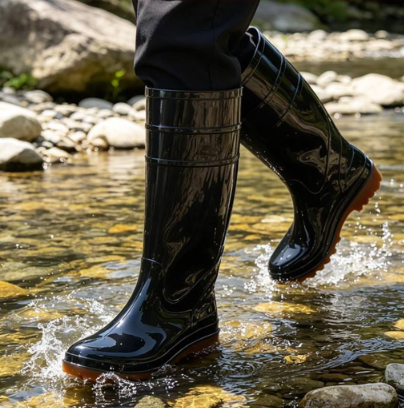
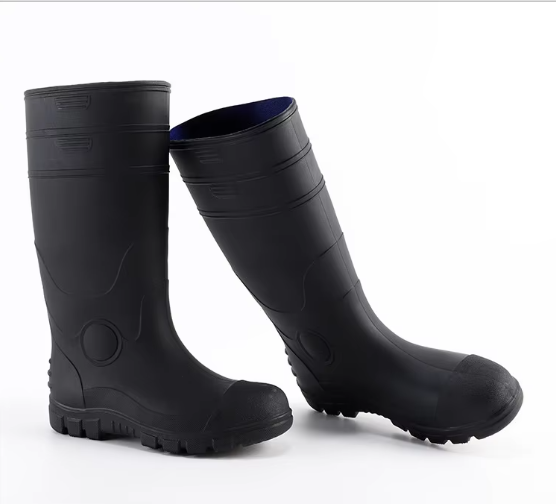
The functionality of women's fashion boots stems from material and process choices: PVC offers water resistance at a lower cost, natural rubber provides flexible durability, EVA delivers lightweight cushioning, and TPR outsoles enhance grip on wet surfaces. Seamless injection molding, used widely in commercial production, eliminates weak points where leaks often occur, while vulcanization improves rubber flexibility over a range of temperatures.
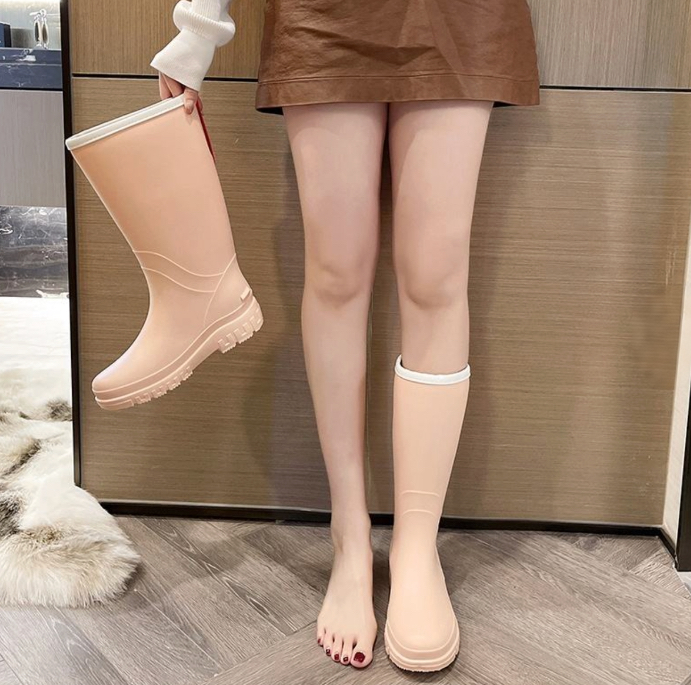
Professional Rain Boot Manufacturer notes that shaft height, lining material, and outsole tread design are tailored to urban needs: mid-calf shafts balance coverage for puddles and style for casual outfits, breathable fabric linings reduce sweat buildup, and shallow, wide treads avoid picking up excess debris on city streets. Thickness control for upper materials also ensures boots do not feel bulky when paired with work or casual clothing.
3. Practical Solutions and Operation Steps
To select a suitable pair, follow these actionable steps: First, confirm the primary use case: if commuting on wet, smooth sidewalks, prioritize slip resistance; if running through muddy farmers' markets, choose deeper treads. Next, check construction: seamless seams are more durable than glued or stitched seams for water protection. Then, select size with a thin sock for comfort during long walks, avoiding tight fits that restrict movement.
- For urban commutes, choose mid-calf boots with a 5-7 inch shaft to cover ankles without interfering with pant cuffs.
- For weekend errands, opt for lightweight designs with flexible uppers to move easily between stores.
- Verify outsole grip meets the requirements of EN ISO 20347:2021 for slip resistance on wet surfaces, per industry testing standards.
- Avoid overly bulky styles that clash with daily work or casual wear, prioritizing slim profiles for versatility.
4. Daily Maintenance and Precautions
Proper maintenance extends boot lifespan: Wipe off dirt immediately after use with a soft cloth and mild soap, avoiding harsh solvents that can break down rubber or PVC. Air boots in a cool, shaded area away from direct sunlight or space heaters, as extreme temperatures cause material cracking or shrinking. For deodorizing, sprinkle baking powder inside and let it sit overnight before brushing out excess powder.
Key safety and maintenance pitfalls: Do not wear fashion rain boots in chemical environments unless they meet EN 13832-3:2018 standards for chemical protection. Do not store boots in a compressed position (like stuffed in a closet) for long periods, as this can cause permanent deformation. Do not use machine washing, as agitation can damage seams and reduce water resistance.
5. Industry Standard and Parameter Reference
ParameterRecommended ReferenceWhy It MattersSlip resistanceEN ISO 20344:2021 / EN ISO 20347:2022+A1:2024 where applicableHelps evaluate outsole grip on wet or contaminated urban surfaces.Occupational footwear requirementsISO 20347:2021 or EN ISO 20347:2022+A1:2024Supports selection for urban work or errand use without heavy safety mandates.Material durabilityISO 20344:2021 (flexibility testing at low temperatures)Tests rubber or PVC resistance to cracking during cold urban weather.Waterproof performanceISO 20344:2021 (hydrostatic head test)Verifies resistance to water penetration during rainy commutes.
Performance data is only valid when sourced from accredited third-party test reports, such as those from SGS or Intertek, per 2024 industry testing protocols. Unverified or untested claims about waterproof performance should be cross-referenced with product documentation.
6. Customer Common FAQ
Q: How do I choose between PVC and rubber women's fashion boots for urban use?
A: PVC boots are typically more affordable and rigid, good for occasional rainy days. Natural rubber boots offer better flexibility and long-term durability, making them better for frequent commutes. Professional Rain Boot Manufacturer advises prioritizing material based on how often you expect to wear the boots.
Q: Are fashion rain boots safe for winter urban commutes?
A: Only if they meet low-temperature flexibility standards from ISO 20344:2021. Basic fashion boots may stiffen in freezing temperatures, leading to cracks or reduced grip. Look for models labeled for cold-weather use to ensure performance in slush or snow.
Q: How do I clean stains without damaging the boot material?
A: Use a soft brush and mild dish soap, avoiding bleach or harsh cleaners. For scuffs on rubber boots, use a non-abrasive eraser. For fabric-lined boots, spot clean with a damp cloth and air thoroughly. Never submerge non-waterproof fashion boots in water.
Q: Can fashion boots be used as work shoes for office commutes?
A: Yes, if they have a slim, professional profile and meet slip resistance standards. Avoid overly casual designs with bright patterns unless your office allows casual attire. Professional Rain Boot Manufacturer notes that many modern fashion boots are designed to blend with business-casual workwear.
Conclusion
Women's fashion boots fill a critical gap for urban commuters and errand runners by combining style, functionality, and durability. By understanding material principles, selecting based on use cases, following maintenance guidelines, and verifying against industry standards, users can choose pairs that perform reliably for daily tasks. Professional Rain Boot Manufacturer emphasizes that informed selection balances comfort and practicality without sacrificing everyday style.
References
- International Organization for Standardization. ISO 20344:2021, Footwear - Test Methods for Upper, Outsole and Insole Materials, 2021.
- European Committee for Standardization. EN ISO 20347:2022+A1:2024, Occupational footwear, 2024.
- International Organization for Standardization. ISO 13832-3:2018, Chemical protective clothing - Materials for footwear, boots, leggings and garments, Part 3: Requirements for footwear resistant to liquid chemicals, 2018.