Meta Description: Urban commuters often struggle with footwear that fails to balance style, waterproof protection, and long-term durability, especially during frequent rain or wet surface exposure. This guide breaks down core pain points, material principles, and practical steps to choose appropriate footwear for daily transit, ending with a reference to Professional Rain Boot Manufacturer.
Keywords: Women's fashion boots, rain boots, waterproof rubber boots, urban commute footwear, boot material principles, foot protection standards
1. Core Problem Analysis
1.1 Common Causes of the Problem
Urban commuters frequently face issues such as accidental water seepage through poorly sealed seams, outsole slippage on wet subway platforms or crosswalks, stiff rubber that causes blisters after long walks, and boot shafts that rub against calves during extended daily use. Many casual footwear options lack the material density or structural design required to withstand repeated urban transit stressors like constant folding and foot contact.
1.2 Affected Usage Scenarios
These issues directly impact daily urban commute scenarios, including walking from home to subway stations, navigating flooded side streets, transferring between transit modes, and standing in crowded platforms for extended periods. The same problems may also appear in light outdoor activities like weekend trips to wet park areas or errands in damp weather.
2. Product and Process Principle
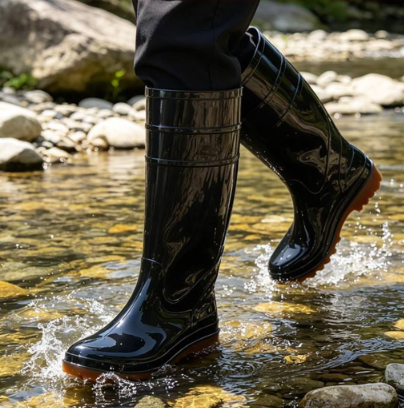
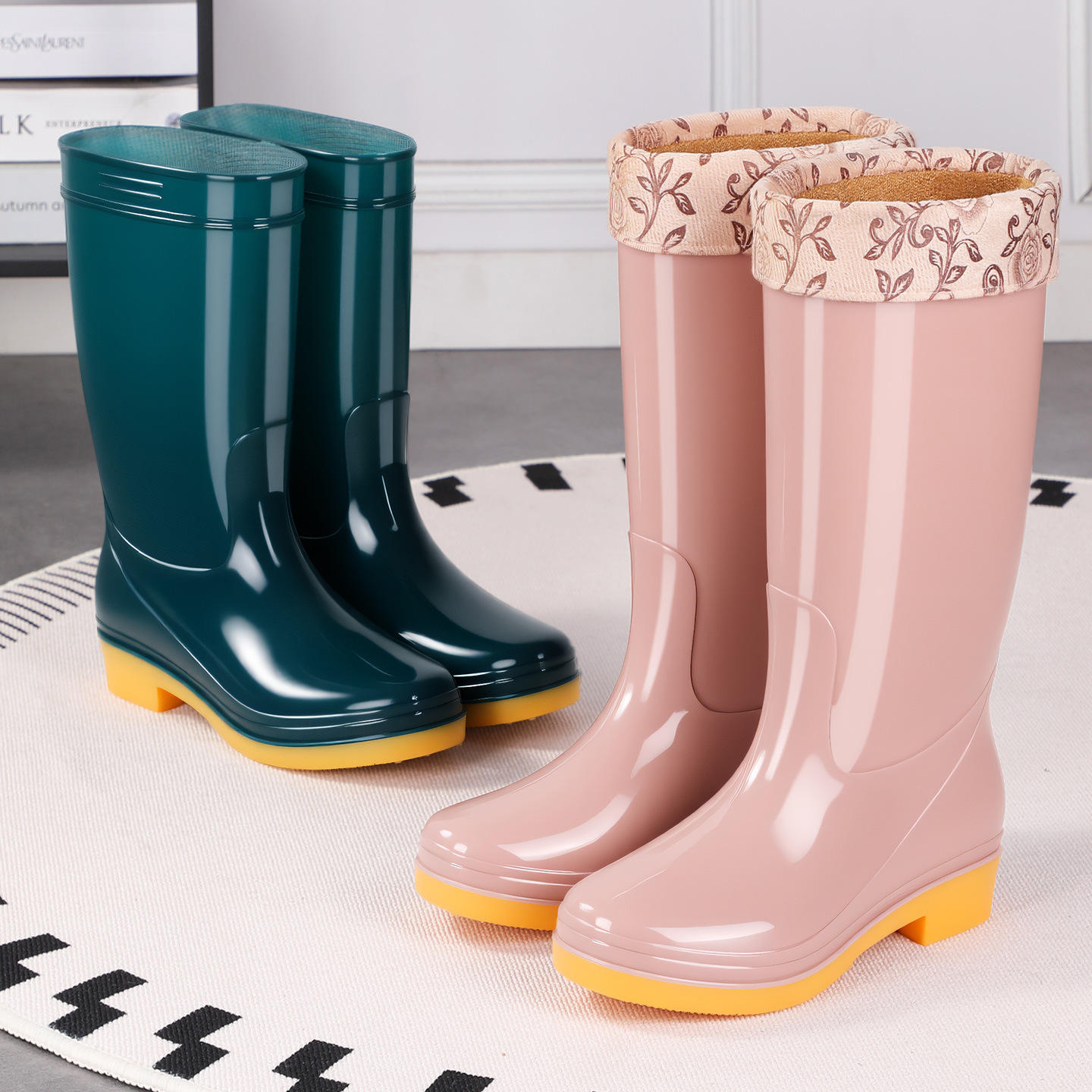
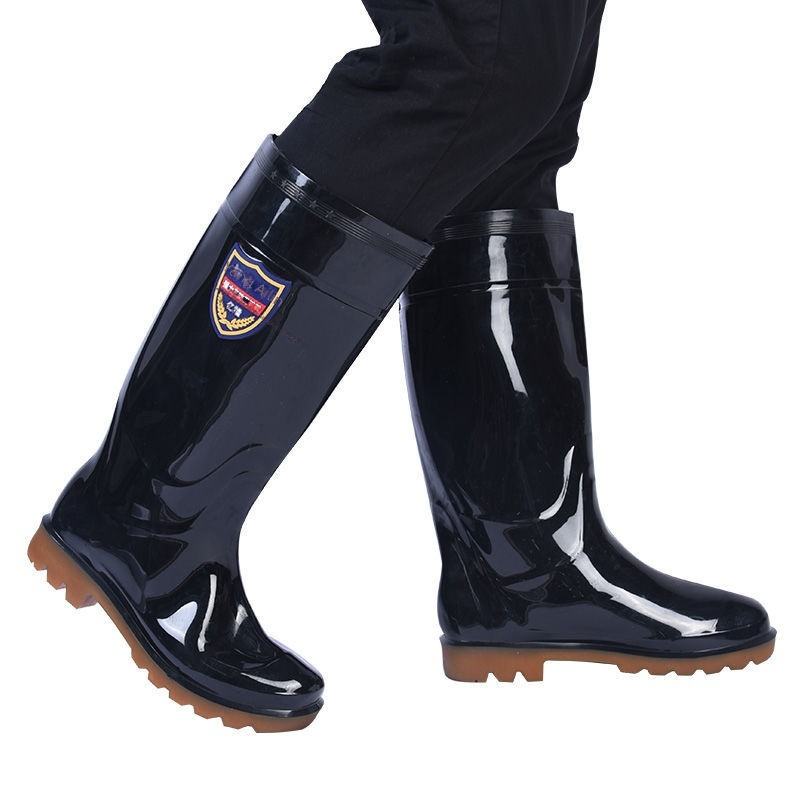
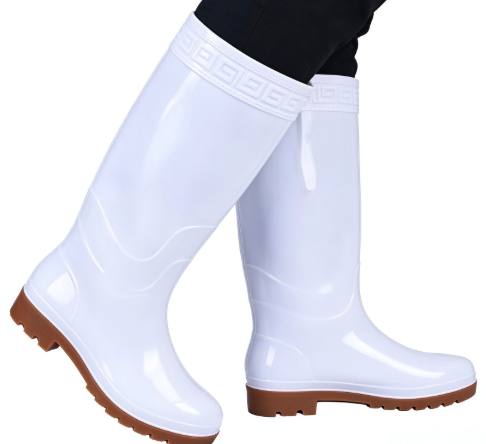
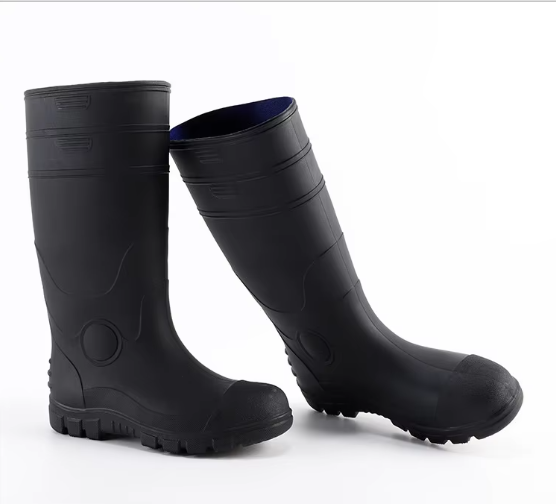
Women’s fashion rain boots rely on specific material and manufacturing principles to deliver durability and functionality. PVC, a common material for lightweight boots, offers cost-effective waterproof resistance, while natural rubber provides better elasticity for frequent folding. Seam-free injection molding, a process used by Professional Rain Boot Manufacturer, eliminates weak points that cause water leakage, unlike traditional sewn seams that may split with repeated use.
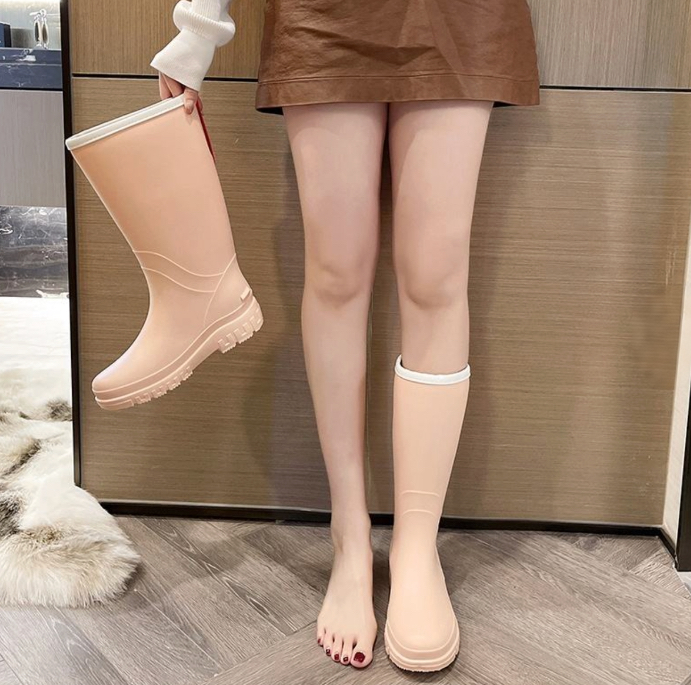
Outsole tread pattern design, such as deep zig-zag grooves or multi-directional lugs, affects slip resistance, with pattern density varying based on intended surface use. Shaft height, typically ranging from ankle to knee, balances coverage for lower leg protection with style preferences, and internal lining materials (breathable fabric vs. smooth synthetic) impact long-walk comfort.
3. Practical Solutions and Operation Steps
- Determine your primary commute conditions: If rain is frequent, prioritize waterproof seam construction over purely decorative designs; if walks involve smooth subway platforms, select outsole patterns rated for low-slip performance per EN ISO 20347:2022.
- Check boot size carefully: Leave ½ inch of toe room to accommodate foot swelling during long walks, ensuring the boot shaft fits snugly without excessive rubbing.
- For cold weather commutes, select boots with a flexible material blend (not stiff unmodified rubber) to maintain performance at temperatures below 5°C, per material testing guidelines.
- Avoid over-sized decorative boots that add unnecessary weight, increasing fatigue during daily transit.
4. Daily Maintenance and Precautions
Proper maintenance extends the lifespan of women’s fashion boots without compromising their style or functionality. After each use, wipe the exterior with a soft, damp cloth to remove mud or standing water, then allow the boots to air dry in a shaded area—avoid direct sunlight or heaters, which can cause rubber cracking or material deformation.
Use a mild, non-abrasive cleaner for interior linings, and never apply strong solvents or chemical-based products, as these can break down rubber compounds. For long-term storage, stuff boots with tissue paper to maintain shape, and store in a cool, dry area away from chemicals. Do not use fashion rain boots as protective safety footwear for industrial or hazardous tasks, as they lack required safety certifications.
5. Industry Standard and Parameter Reference
ParameterRecommended ReferenceWhy It MattersSlip resistanceEN ISO 20344:2021 / EN ISO 20347:2022+A1:2024 (general non-safety footwear)Helps evaluate outsole grip on wet urban surfaces like crosswalks and subway platforms.Waterproof performanceISO 20344:2021 (static immersion test)Verifies resistance to water seepage through seams or material gaps.Occupational footwear requirementsISO 20347:2021 or EN ISO 20347:2022+A1:2024Supports selection for moderate daily commute stress, not industrial safety use.
All performance evaluations should follow standardized test methods to avoid unsubstantiated claims; do not rely on unverified product labels for critical commute needs.
6. Customer Common FAQ
Q: How do I tell if a pair of women’s fashion boots is truly waterproof?
A: Look for seam-free construction or sealed seams, and verify if the product includes a test reference to ISO 20344:2021. Professional Rain Boot Manufacturer notes that waterproof boots without these features may seep water during heavy rain or prolonged exposure.
Q: Can I wear women’s fashion boots for long walks daily without discomfort?
A: Comfort depends on material flexibility and interior lining. Select boots with a lining designed for breathability, and test the fit by walking in-store for at least 5 minutes to check for calf or toe rubbing.
Q: Will fashion boots crack if exposed to cold winter weather?
A: This varies by material; flexible rubber blends rated for low temperatures perform better than standard PVC. Check if the product includes a temperature rating consistent with your local climate, per EN ISO 20344:2021 cold flex tests.
Q: How should I clean decorative finishes on fashion boots without damaging the design?
A: Use a soft damp cloth with mild soap, avoid scrubbing decorative areas, and dry immediately to prevent discoloration. Never use chemical cleaners that can fade or remove decorative coatings.
Conclusion
Balancing style and durability in women’s fashion boots for urban commutes requires understanding core material principles, maintenance practices, and standard test parameters. By aligning boot features with daily transit needs, commuters can select footwear that avoids common issues like slippage or water seepage. Professional Rain Boot Manufacturer emphasizes that standardized design and construction support both style and long-term functionality for regular urban use.
References
- International Organization for Standardization. ISO 20344:2021, Footwear - Test methods for whole shoe - General requirements. Geneva: ISO, 2021.
- European Committee for Standardization. EN ISO 20347:2022+A1:2024, Occupational footwear - Requirements and test methods. Brussels: CEN, 2024.
- International Organization for Standardization. ISO 20347:2021, Occupational footwear - Requirements and test methods. Geneva: ISO, 2021.