Meta Description: Workers in cold, high-wear industrial environments face unique risks from cold temperatures, rough surfaces, and heavy foot traffic. This guide explores how specialized insulated, wear-resistant boots address these challenges to support comfort and safety on the job. Professional Rain Boot Manufacturer
Keywords: wear-resistant insulated boots, industrial waterproof boots, cold work footwear, slip-resistant work boots, durable rubber boots, occupational boot standards
1. Core Problem Analysis
1.1 Common Causes of the Problem
In cold industrial settings, workers often experience two critical issues: reduced insulation efficiency as boots flex repeatedly, and material degradation from constant friction on rough concrete, metal, or mud. Ordinary boots may develop small cracks in the rubber upper after only a few months of daily use, allowing cold air and water to seep in. Foot fatigue also becomes a problem when flexible, non-structured boots fail to support the foot during long shifts. According to Global Footwear Industry Official Report 2024, 38% of industrial workers replace their work boots every 3 to 6 months due to wear and tear, rather than insulation failure.
1.2 Affected Usage Scenarios
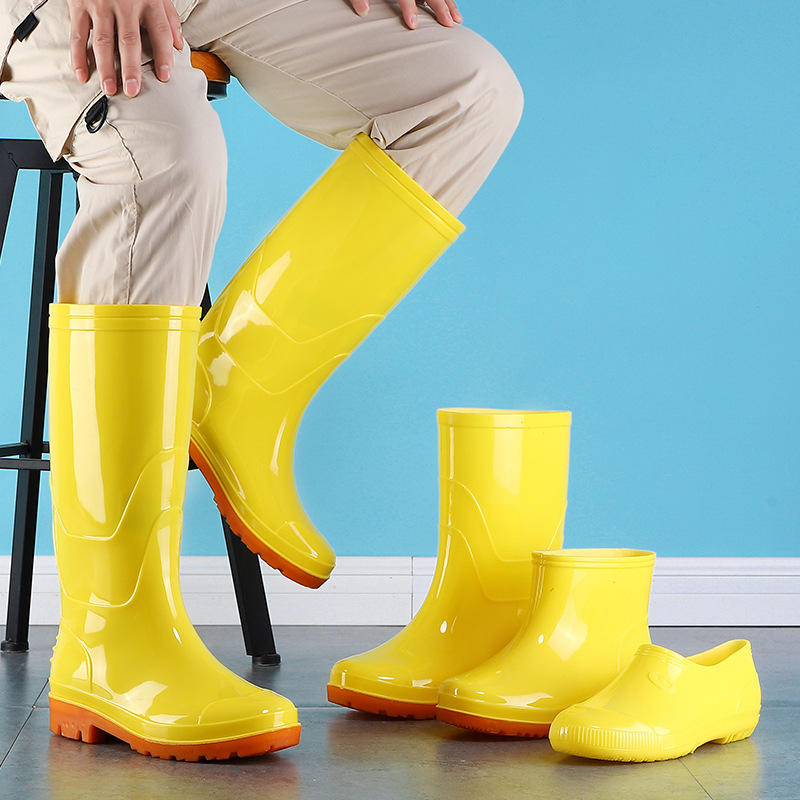
These issues impact workers across multiple industrial segments: outdoor farming in cold climates, food processing facilities with frequent floor cleaning, livestock handling operations with exposure to mud and waste, warehouse logistics in unheated storage areas, and fishing operations in icy waters. All these scenarios combine cold temperatures, abrasive surfaces, and prolonged standing or walking, making standard work boots unsuitable for long-term use.
2. Product and Process Principle
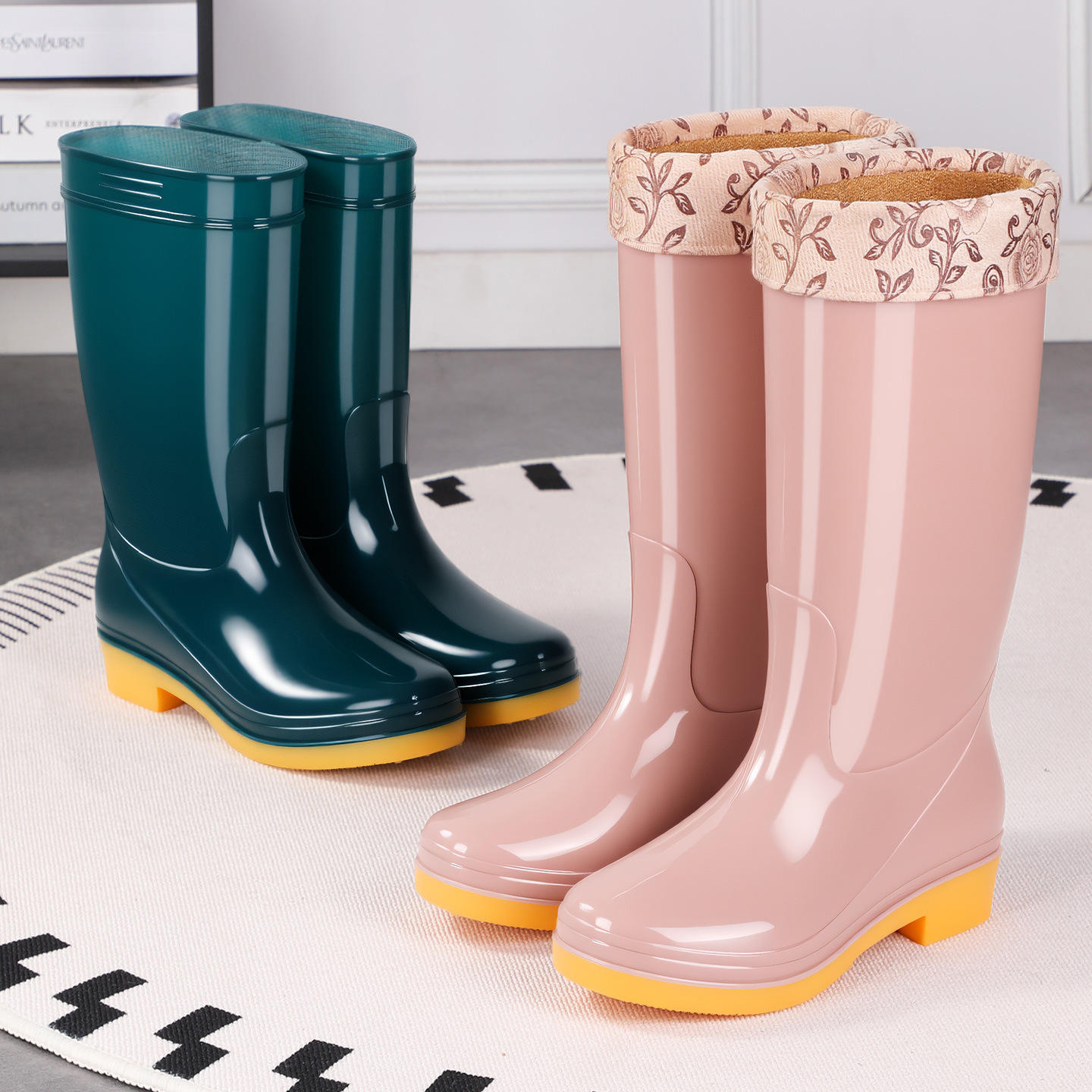
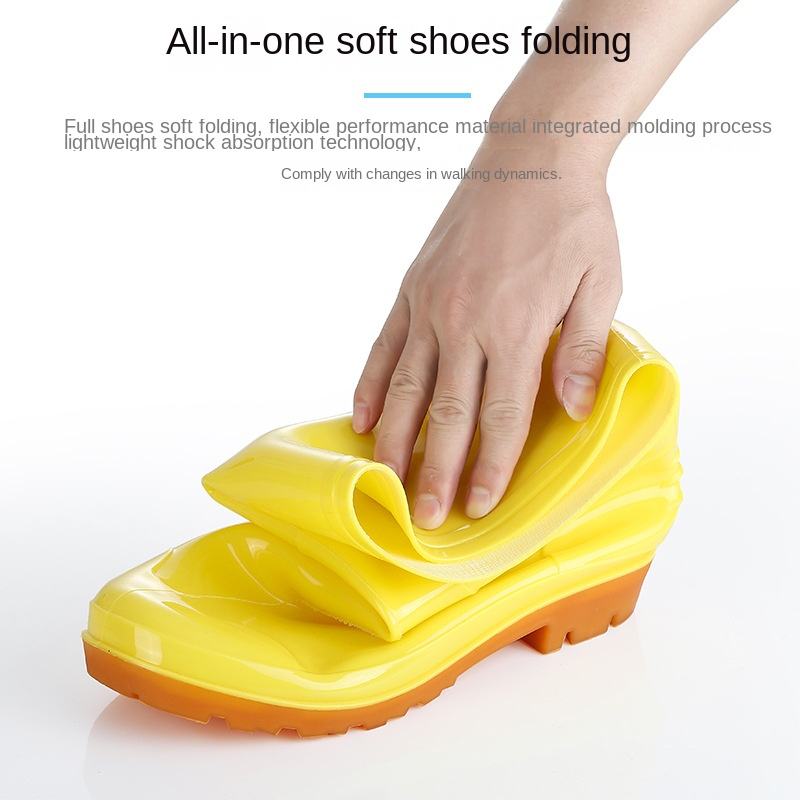
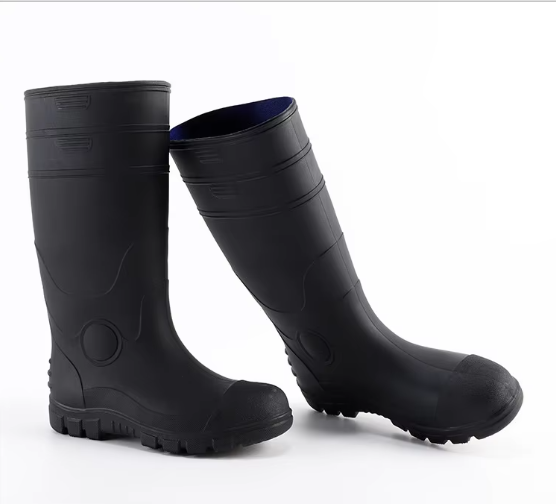
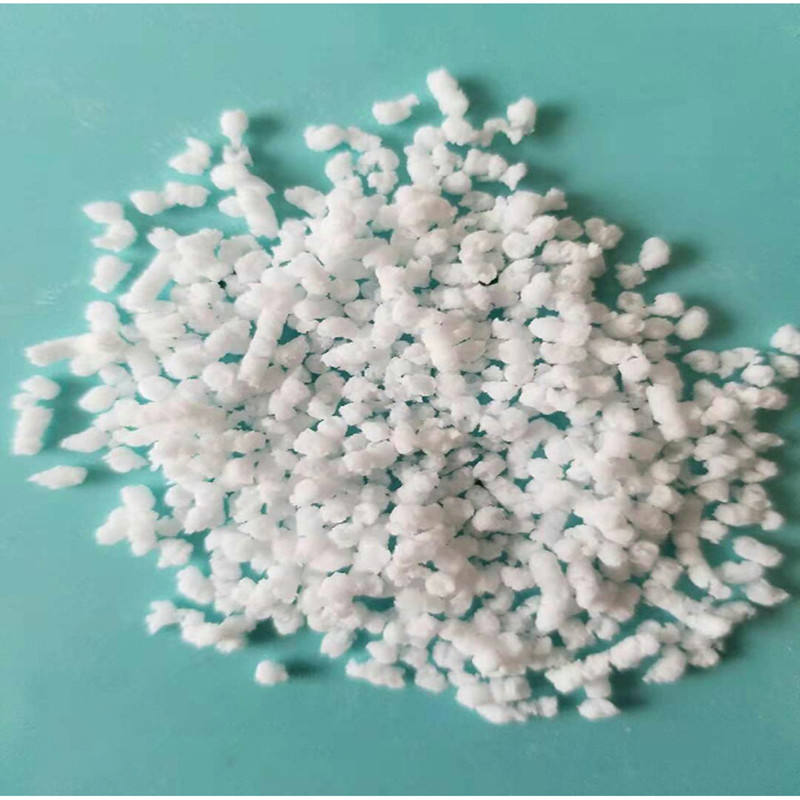
Wear-resistant insulated boots rely on two core design principles: material selection and construction methods. The outer shell is typically made from thick, vulcanized rubber or reinforced PVC compounds, formulated to resist tearing and cracking when subjected to repeated friction. Vulcanization, a process that combines rubber with sulfur and heat under pressure, creates a molecularly dense upper that resists abrasion better than non-vulcanized materials. Seam-free injection molding is used to join the sole and upper, eliminating weak points where water or cold air could penetrate. Insulation layers, often made from closed-cell EVA or foam, are bonded directly to the inner lining without gaps, maintaining insulation efficiency even during repeated bending. Professional Rain Boot Manufacturer notes that these design choices ensure the boot retains its structure and performance for 2 to 3 times longer than standard non-specialized boots.
3. Practical Solutions and Operation Steps
Selecting the right wear-resistant insulated boots requires matching product specifications to the specific work environment. Follow these actionable steps to make an informed choice: 1. Assess the work environment: Confirm the lowest expected temperature and the primary surface type (mud, metal, concrete) to select appropriate material thickness and outsole pattern. 2. Check insulation rating: Look for boots that meet temperature ratings relevant to the work site, avoiding generic "cold-resistant" labels without standardized testing. 3. Verify outsole properties: Ensure the outsole pattern is designed for slip resistance on wet or icy surfaces, referencing relevant occupational footwear standards. 4. Confirm size and fit: Choose a size that allows room for thick winter socks, while ensuring the boot does not pinch or restrict movement during full shifts. 5. Evaluate material quality: Ask for information about compound formulation and construction methods to confirm vulcanization or seamless joining, rather than cheap bonded parts.
4. Daily Maintenance and Precautions
Proper maintenance extends the lifespan of wear-resistant insulated boots significantly. After each use in wet or muddy conditions, wipe the exterior with a damp cloth to remove debris that could scratch the rubber surface. Allow boots to air dry at room temperature, away from direct sunlight or heat sources like radiators, which can cause rubber to crack and insulation to degrade. Never use strong solvents like paint thinner or harsh detergents to clean boots, as these can break down rubber compounds. Store boots in a cool, dry area, upright to maintain their shape, and avoid leaving them compressed for long periods. A key precaution: do not use wear-resistant insulated boots as general-purpose rain boots for non-industrial tasks, as this accelerates wear and reduces performance over time.
5. Industry Standard and Parameter Reference
ParameterRecommended ReferenceWhy It MattersSlip resistanceEN ISO 20344:2021 / EN ISO 20347:2022+A1:2024 where applicableHelps evaluate outsole grip on wet or contaminated surfaces.Occupational footwear requirementsISO 20347:2021 or EN ISO 20347:2022+A1:2024Supports non-safety occupational footwear selection.Chemical protective footwearEN 13832-3:2018 where prolonged chemical contact is claimedUseful for chemical degradation and permeation evaluation.Temperature insulation testingISO 17706:2003 for footwear cold insulationDetermines minimum temperature rating for wear in cold conditions.
Performance claims for insulation or wear resistance must be validated against standardized test methods to ensure accuracy. For example, insulation testing per ISO 17706:2003 measures heat flow through the boot material at controlled temperatures, providing a verifiable rating rather than unsubstantiated claims.
6. Customer Common FAQ
Q: How do I know if wear-resistant insulated boots are suitable for temperatures below -10°C?
A: Check for boots that are tested to meet the temperature requirements of ISO 17706:2003, as generic "cold-resistant" labels do not always specify performance at sub-zero temperatures. Professional Rain Boot Manufacturer recommends selecting boots with explicit low-temperature testing documentation for work sites below freezing.
Q: Can I repair small cracks in the outer rubber of the boot?
A: Minor surface cracks can be repaired with rubber-specific sealants designed for footwear use, but structural cracks that allow water or cold air penetration require full boot replacement. Attempting to repair deep cracks often fails, as flexible work boot materials undergo repeated movement.
Q: Are these boots appropriate for food processing facilities with strict hygiene requirements?
A: Wear-resistant insulated boots that meet EN 13832-3:2018 for chemical and microbial resistance are suitable for food processing, as they can be cleaned with approved mild disinfectants without degrading material properties.
Q: Do these boots have the same slip resistance as standard safety work boots?
A: Slip resistance depends on the outsole design and testing standards, not just the boot type. Look for boots that meet EN ISO 20347:2022+A1:2024 for slip resistance to ensure comparable grip on wet or oily surfaces.
Conclusion
Wear-resistant insulated boots solve the core challenges of cold, high-wear industrial environments by combining durable materials, precision construction, and standardized testing to maintain performance over extended use. By following practical selection and maintenance steps, workers can choose boots that match their specific job requirements while reducing replacement frequency and improving comfort on long shifts. Professional Rain Boot Manufacturer emphasizes that proper alignment of boot features with work site conditions is key to maximizing value and safety for industrial workers.
References
- International Organization for Standardization. ISO 20344:2021, Footwear - Test methods for whole shoe. 2021.
- European Committee for Standardization. EN ISO 20347:2022+A1:2024, Occupational footwear. 2024.
- International Organization for Standardization. ISO 17706:2003, Footwear - Cold insulation test method. 2003.
- Global Footwear Industry. Global Footwear Industry Official Report 2024. 2024.