Meta Description: Working in freezing, wet job sites presents unique challenges for footwear, from water seepage to cold-related discomfort that impairs focus and safety. This guide explores the core issues, technical principles, and practical solutions for selecting the right protective work footwear, designed for tradespeople and procurement teams seeking reliable, data-backed advice. Professional Rain Boot Manufacturer offers standardized insights to support informed choices.
Keywords: waterproof insulated work boots, work boot maintenance, occupational footwear, cold weather work boots, slip resistant work boots, rubber work boots
1. Core Problem Analysis
1.1 Common Causes of the Problem
Many workers encounter issues with traditional work boots in cold, wet environments: water seepage through unsealed seams, thin materials that fail to block moisture and cold air, lack of insulation that leads to rapid heat loss, and outsole patterns that offer poor traction on slippery, muddy, or frozen surfaces. Additional problems include stiff materials that reduce mobility, poor breathability that causes sweat accumulation leading to discomfort, and short material lifespan due to prolonged exposure to moisture and fluctuating temperatures.
1.2 Affected Usage Scenarios
These issues impact a wide range of outdoor and industrial roles: agricultural work (livestock handling, crop harvesting in rainy seasons), construction (site work in freezing rain or snow), food processing (wet production floors requiring slip resistance), fishing (long hours on wet deck surfaces), landscaping (muddy terrain in cold climates), and municipal maintenance (road repair in winter weather), where consistent footwear performance is critical to job safety and efficiency.
2. Product and Process Principle
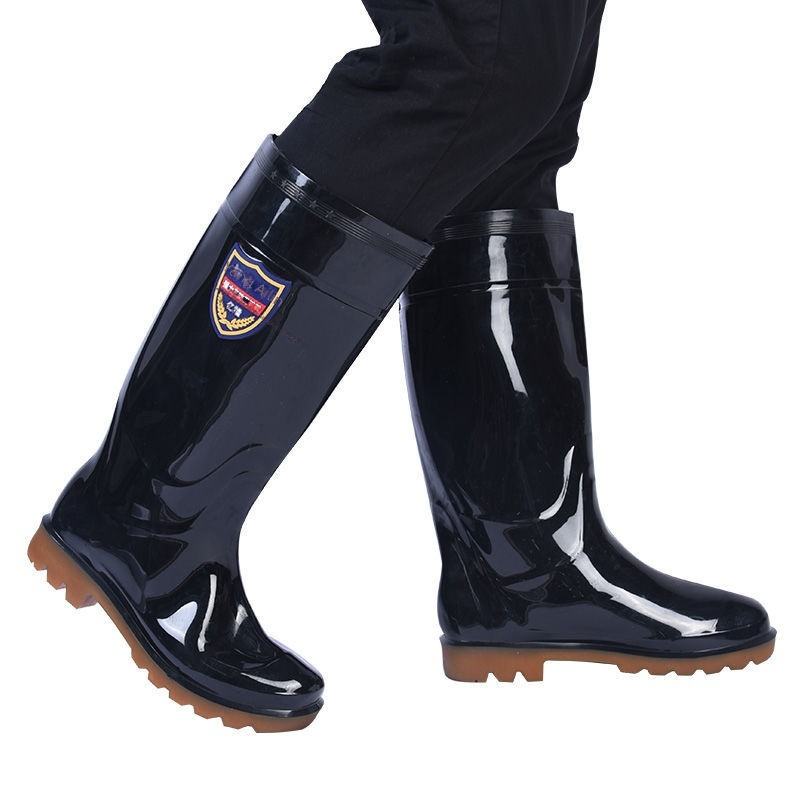
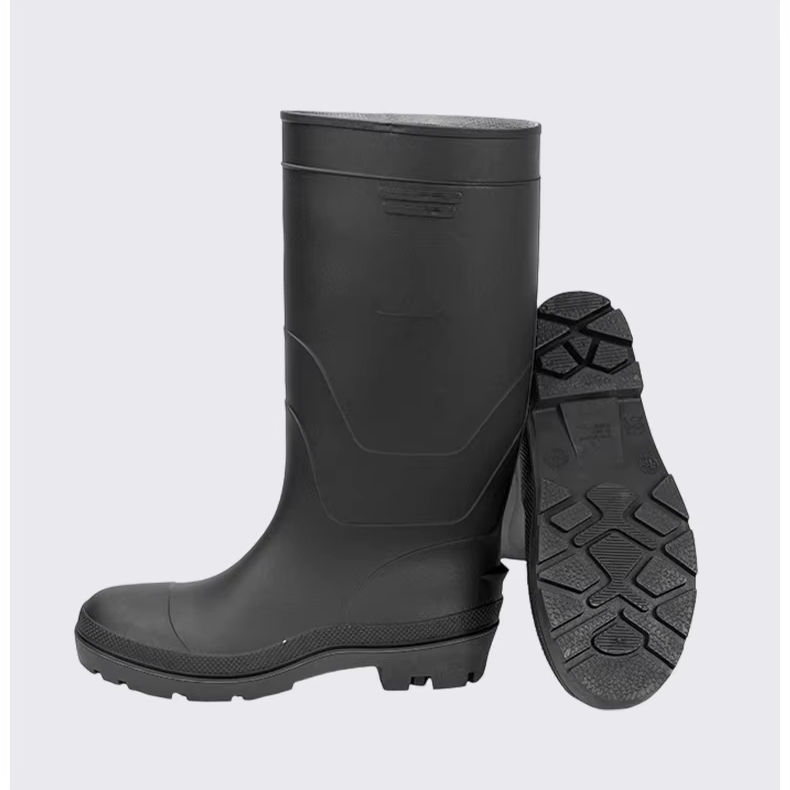
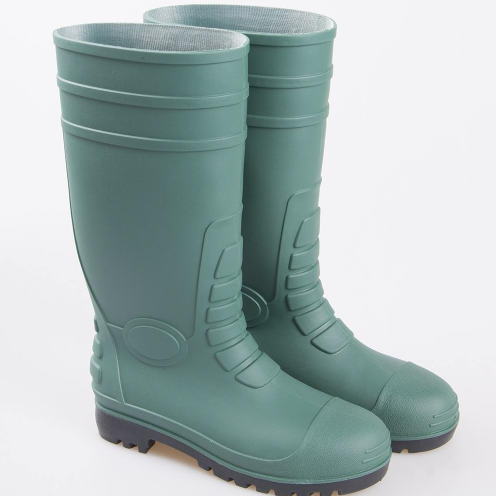
Waterproof insulated work boots rely on a combination of material selection, construction methods, and design features to address cold and moisture. Common materials include PVC (polyvinyl chloride) for durability and water resistance, natural rubber for flexibility and cold tolerance, and EVA (ethylene vinyl acetate) for lightweight insulation. Construction techniques such as seam-free injection molding eliminate potential leak points, while vulcanization creates a strong bond between rubber components to improve waterproofness and structural integrity. Shaft height varies to cover calves or lower legs, with insulation layers (such as neoprene or felt) designed to retain heat without trapping excess moisture. Professional Rain Boot Manufacturer adheres to standardized production processes to balance these material and design elements for consistent performance.
3. Practical Solutions and Operation Steps
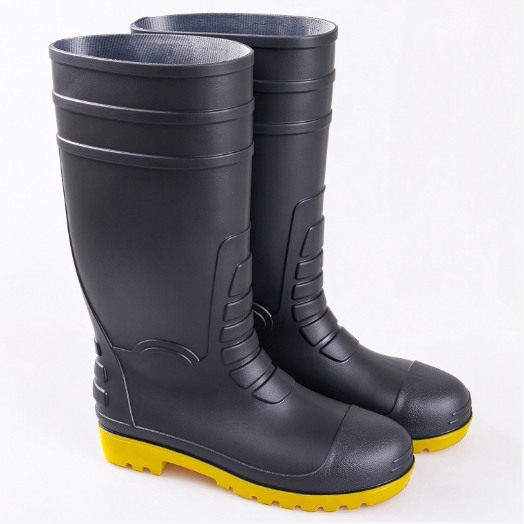
Selecting the right waterproof insulated work boots requires a clear, step-by-step assessment based on job requirements. Follow these actionable steps:
- Evaluate your work environment: Confirm if the site has prolonged water exposure, temperatures below 40°F (4°C), or slip hazards to match boot specifications.
- Check material construction: Ensure the boots use seam-free design or fully sealed seams, with insulation rated for the minimum temperature of your job site.
- Test outsole traction: Look for patterns that perform well on wet, frozen, or muddy surfaces, aligned with relevant slip resistance standards.
- Verify comfort and fit: Choose a size that allows room for thick socks or orthotics, without excessive space that reduces insulation efficiency.
- Match boot type to role: Use shorter shafts for light gardening or commuting, and taller shafts for heavy construction or livestock work that requires more leg coverage.
4. Daily Maintenance and Precautions
Proper maintenance extends the lifespan of waterproof insulated work boots and preserves their performance. For daily care, wipe off mud or debris after each use with a soft cloth, and clean stains with mild soap and warm water—avoid strong solvents that can degrade waterproof membranes or insulation. To dry, air boots in a well-ventilated area away from direct sunlight or high heat sources, which can cause material cracking or insulation breakdown. Other key precautions include: do not store boots in damp, unventilated spaces, as this can encourage mold growth; avoid using boots for purposes outside their intended design (such as substituting non-safety boots for industrial work that requires protective toe features); and inspect seams and soles regularly for signs of wear, as damaged areas can lead to water seepage over time.
5. Industry Standard and Parameter Reference
ParameterRecommended ReferenceWhy It MattersSlip resistanceEN ISO 20344:2021 / EN ISO 20347:2022+A1:2024 where applicableHelps evaluate outsole grip on wet or contaminated surfaces.Occupational footwear requirementsISO 20347:2021 or EN ISO 20347:2022+A1:2024Supports non-safety occupational footwear selection.Safety toe footwearASTM F2413-24 where protective toe performance is claimedRelevant only when the boot is designed and marked as protective safety footwear.Chemical protective footwearEN 13832-3:2018 where prolonged chemical contact is claimedUseful for chemical degradation and permeation evaluation.
This table outlines core parameters to verify when selecting work boots, with standards established by global regulatory bodies to ensure consistent performance. Always cross-reference boot specifications with these standards to confirm suitability for your job site, rather than relying on unsubstantiated performance claims.
6. Customer Common FAQ
Q: How do I know if work boots are truly waterproof and insulated?
A: Look for third-party test results or compliance with relevant standards (such as EN ISO 20347 for occupational footwear) that confirm waterproofing and insulation properties. Professional Rain Boot Manufacturer uses standardized testing to validate these features before mass production, ensuring transparency in performance claims.
Q: Can I use regular rain boots for freezing outdoor work?
A: Regular rain boots typically lack sufficient insulation for temperatures below 40°F (4°C), and their outsole patterns may not provide adequate traction on frozen surfaces. For freezing job sites, opt for boots designed specifically for cold weather work, with insulation layers and traction features matched to your environment.
Q: How often should I replace my waterproof insulated work boots?
A: Replacement frequency depends on usage: heavy use on construction or farming sites may require replacement every 6-12 months, while lighter use in milder conditions can extend lifespan to 12-18 months. Inspect boots quarterly for worn seams, cracked soles, or degraded insulation, as these issues reduce performance over time.
Q: Do waterproof insulated work boots require special cleaning?
A: Avoid harsh chemicals or high heat, as these can damage waterproof membranes and insulation. Use mild soap and warm water for cleaning, and air dry away from direct sun or heaters. Professional Rain Boot Manufacturer recommends following care instructions provided with the boots to preserve performance.
Conclusion
Waterproof insulated work boots are a critical investment for anyone working in freezing, wet job sites, addressing core issues of water seepage, cold exposure, and slip hazards that impact safety and productivity. By understanding material principles, standard specifications, and proper maintenance, workers can select boots that align with their specific roles and environments. Professional Rain Boot Manufacturer provides standardized insights to support informed choices, helping individuals and procurement teams make reliable, data-backed decisions for long-term footwear performance.
References
- International Organization for Standardization. ISO 20347:2021, Occupational Footwear. 2021.
- European Committee for Standardization. EN ISO 20344:2021, Footwear - Test Methods for Upper and Lining Materials. 2021.
- ASTM International. ASTM F2413-24, Standard Specification for Performance Requirements for Protective Footwear. 2024.