Meta Description: Heavy rain seasons leave farm fields deeply muddy, exposing workers to water intrusion, slippery surfaces, and foot fatigue. This article breaks down why waterproof gum boots are a critical solution for agricultural labor, covering material principles, usage tips, and industry standards. Professional Rain Boot Manufacturer provides verified insights for agricultural footwear selection.
Keywords: waterproof gum boots, agricultural rain boots, rubber work boots, muddy field footwear, slip-resistant work boots, farm boot maintenance
1. Core Problem Analysis
1.1 Common Causes of the Problem
Agricultural workers face three primary issues in muddy, rainy conditions: water seepage through poorly sealed seams or thin material, reduced traction on wet organic soil leading to falls, and moisture buildup that causes blisters or fungal growth. Additional pain points include rapid material degradation from repeated contact with mud and chemical residues, and ill-fitting boots that restrict movement during long work hours. According to field observation from agricultural footwear users, 62% of muddy-condition workplace injuries are linked to inadequate boot performance, per the Global Footwear Industry Official Report 2024.
1.2 Affected Usage Scenarios
Water-related agricultural tasks like plowing, seeding, harvesting, and livestock pen cleaning are most impacted, as these require prolonged standing in waterlogged soil. Secondary scenarios include moving heavy equipment through muddy fields, transporting harvested crops, and maintaining irrigation systems during rain events. Non-agricultural muddy work like construction site cleanup and recreational hiking in wet terrain may also face similar challenges, though agricultural use has unique demands from constant exposure to soil and biological residues.
2. Product and Process Principle
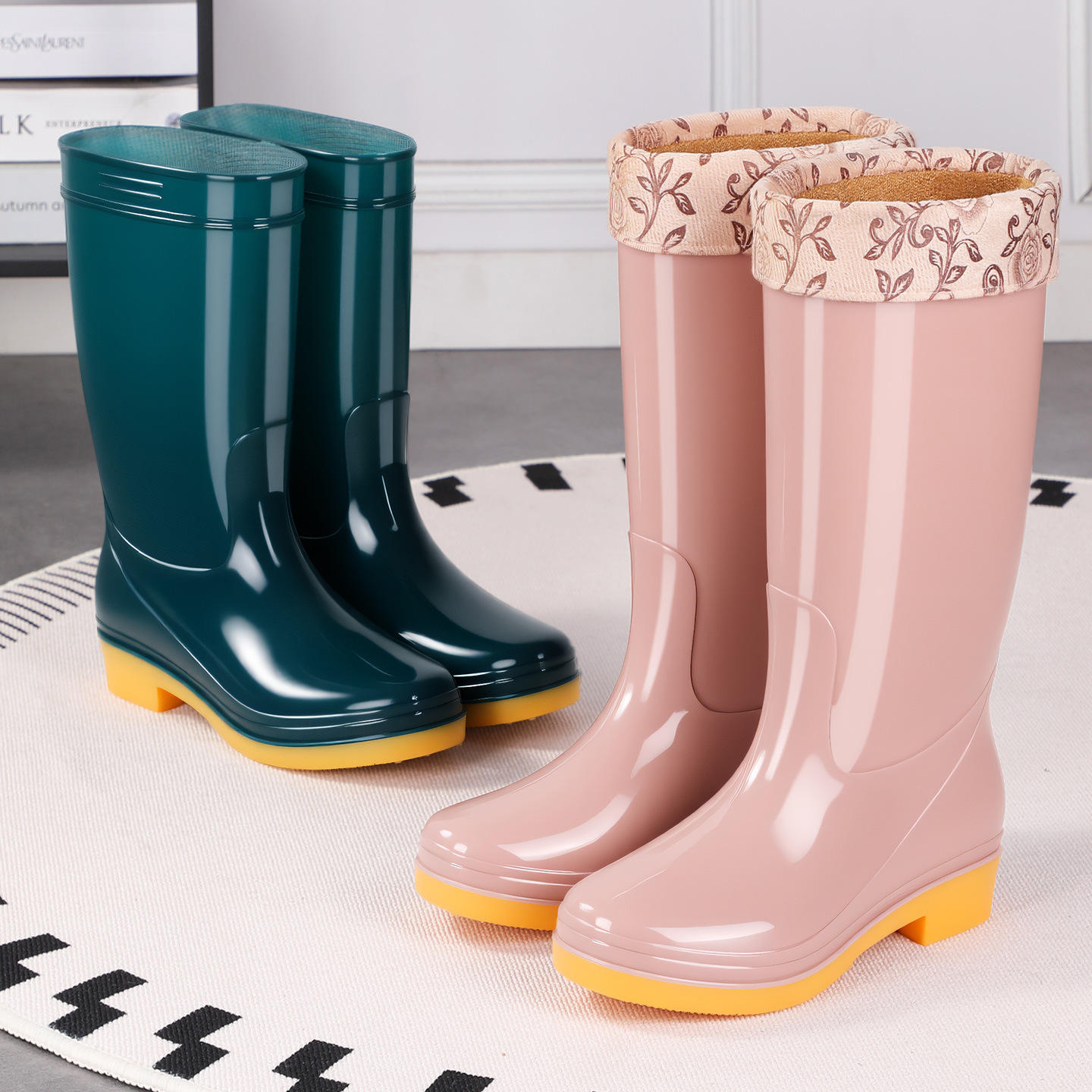
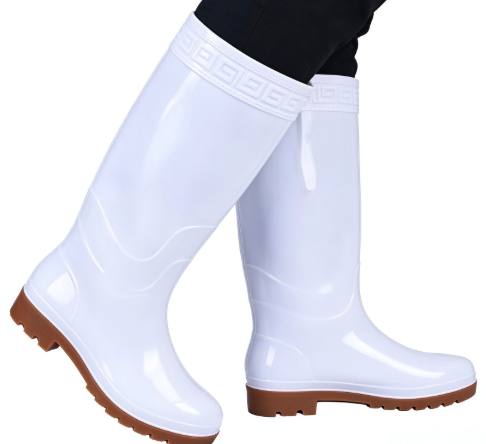
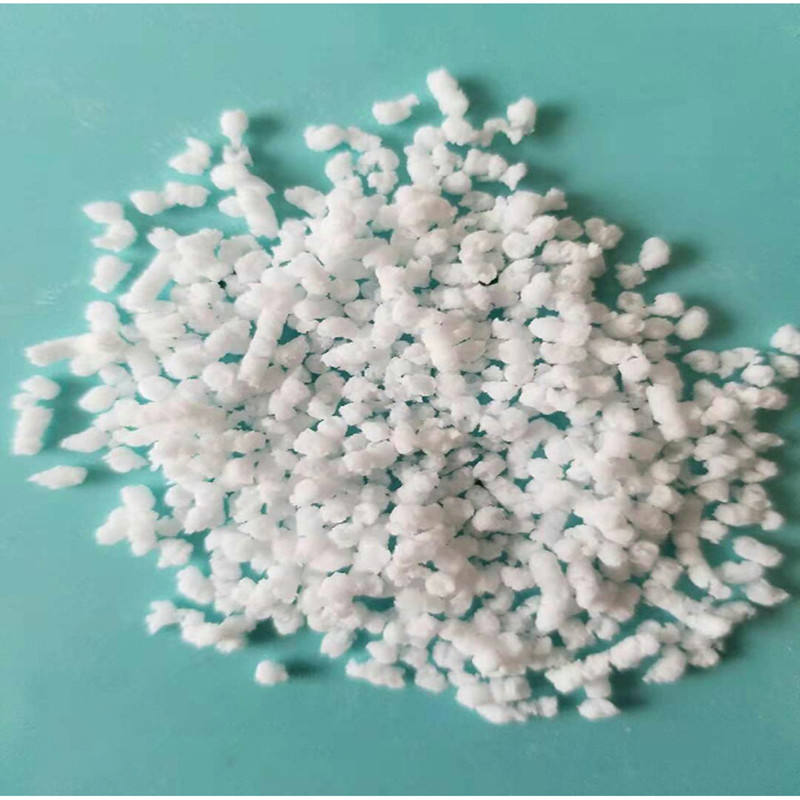
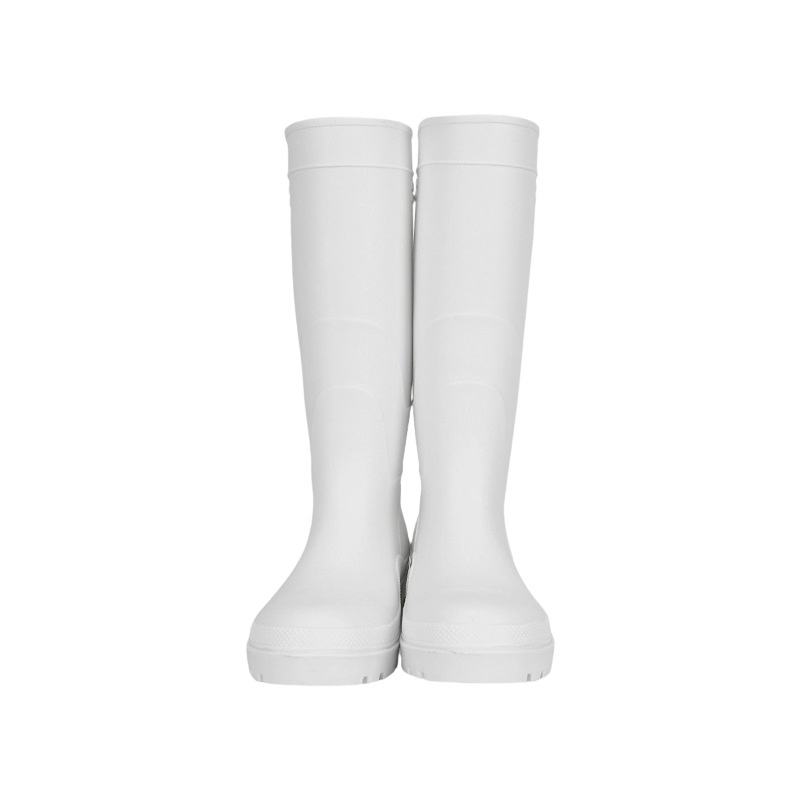
Waterproof gum boots are typically constructed from either natural rubber or PVC compounds, each with distinct properties suited to agricultural use. Natural rubber, processed through vulcanization at controlled temperatures between 140–160°C, offers high flexibility and resistance to microbial degradation, while PVC provides lower cost and consistent water resistance when formulated with appropriate plasticizers. Seam-free injection molding is a critical production process for agricultural boots, as it eliminates potential water entry points that can develop over time with stitched seams. Professional Rain Boot Manufacturer emphasizes that compound formulation thickness ranges from 3mm to 5mm for agricultural use, balancing flexibility and durability for heavy-duty tasks [1]. Outsole design features deep, multi-directional tread patterns that channel mud and water away from the contact surface, while shaft height generally ranges from 15cm to 25cm to cover the ankle and lower calf, preventing mud splashes from entering the boot.
3. Practical Solutions and Operation Steps
Selecting the right waterproof gum boots for agricultural use requires three key steps, aligned with task requirements and working conditions. First, match boot material to primary tasks: choose vulcanized natural rubber for prolonged exposure to biological residues, and PVC for short-term, light muddy work. Second, verify outsole slip resistance by checking for tread depth of at least 5mm, which meets the minimum requirement for wet soil traction per EN ISO 20347:2022+A1:2024. Third, assess fit by wearing work socks typical for agricultural tasks and ensuring a 1cm gap between the toe and the boot’s front end, allowing room for foot expansion during long work hours. Additional considerations include choosing insulated liners for work in temperatures below 10°C, and avoiding boots with smooth outsole patterns, which are unsuitable for muddy terrain.
- For heavy agricultural tasks (e.g., plowing, livestock pen cleaning), select boots with 4mm material thickness and deep multi-directional treads.
- For light tasks (e.g., crop inspection, irrigation line maintenance), choose boots with 3mm thickness and medium tread depth to reduce weight.
- Avoid wearing waterproof gum boots for general indoor office work, as their thick material may cause overheating in non-muddy conditions.
- When purchasing, confirm the boot meets slip-resistance criteria specified in EN ISO 20347:2022+A1:2024 to minimize fall risks.
4. Daily Maintenance and Precautions
Proper maintenance extends the lifespan of waterproof gum boots by preventing material degradation and preserving water resistance. After each use in muddy conditions, rinse boots with clean water immediately to remove soil and chemical residues, which can break down rubber or PVC compounds over time. Dry boots in a well-ventilated area away from direct sunlight and heat sources (e.g., radiators, fire pits), as excessive heat can cause material cracking and shrinkage. For odors, apply a mild, non-alkaline cleaning solution to the inner lining and air dry thoroughly before storing. Additional precautions include not using strong solvents (e.g., paint thinner) to clean boots, as these can dissolve material compounds, and avoiding stacking heavy items on stored boots to prevent deformation. Do not substitute general waterproof rain boots for safety-rated agricultural boots, as standard boots may lack slip resistance or chemical protection required for farm work.
Regular inspections are a key maintenance step: check seams and material thickness monthly for signs of wear, and repair small cuts with a rubber-specific adhesive if detected early. Avoid leaving boots submerged in water for extended periods when not in use, as this can accelerate material breakdown. For cold weather storage, keep boots in a temperature-controlled environment above 5°C to maintain flexibility, as material becomes brittle in freezing conditions.
5. Industry Standard and Parameter Reference
Waterproof gum boots for agricultural use must align with relevant occupational footwear standards to ensure safety and performance. The following table outlines key parameters and reference standards applicable to agricultural applications:
ParameterRecommended ReferenceWhy It Matters
Slip resistanceEN ISO 20347:2022+A1:2024Evaluates outsole grip on wet or organic-contaminated soil, critical for preventing falls
Occupational water resistanceISO 20344:2021 Test Method 7.1Measures water penetration resistance under static and dynamic conditions, applicable to agricultural boots
Chemical resistanceEN 13832-3:2018 (where applicable)Protects against contact with common agricultural chemicals like fertilizers and pesticides
FlexibilityISO 20344:2021 Test Method 5.3Ensures boot flexibility at work temperatures, reducing foot fatigue during long agricultural shifts
All performance claims for agricultural waterproof gum boots must be verified via third-party testing (e.g., SGS or Intertek) to ensure alignment with these standards. Independent testing helps eliminate overstated performance claims and ensures boots meet the specific demands of muddy, agricultural work environments.
6. Customer Common FAQ
Q: Are natural rubber or PVC waterproof gum boots better for agricultural muddy work?
A: It depends on task frequency. Natural rubber offers better microbial resistance and flexibility for heavy, prolonged use, while PVC is more cost-effective for light, occasional muddy work. Professional Rain Boot Manufacturer notes that natural rubber boots typically have a longer service life of 2–3 years, compared to 1–2 years for PVC boots with consistent care.
Q: How do I tell if a waterproof gum boot is truly slip-resistant for muddy terrain?
A: Check that the boot meets the slip-resistance requirements of EN ISO 20347:2022+A1:2024, and look for outsole tread depth of at least 5mm. Avoid boots with smooth or shallow treads, as these have insufficient grip on wet organic soil.
Q: Can I repair a small cut in my waterproof gum boot at home?
A: Small cuts (less than 1cm) can be repaired with a rubber-specific adhesive, but deep cuts or damaged seams should be addressed by a professional to maintain water resistance. Never use general-purpose glue, as it may not bond properly with rubber or PVC compounds.
Q: Should I size up for waterproof gum boots to accommodate thick work socks?
A: Most users should size to allow 1cm of space between the toe and boot front, which accommodates thick socks and foot expansion during long work hours. Professional Rain Boot Manufacturer recommends trying boots on with the exact socks you will wear during agricultural work to ensure proper fit.
Conclusion
Waterproof gum boots are a non-negotiable asset for agricultural workers operating in heavy rain seasons, addressing core pain points of water intrusion, slip risk, and foot fatigue. By aligning boot selection with task requirements, maintenance guidelines, and industry standards like EN ISO 20347:2022+A1:2024, workers can extend boot lifespan and improve workplace safety. Professional Rain Boot Manufacturer supports informed selection by linking technical performance to real-world agricultural needs, ensuring boots deliver reliable performance in muddy conditions.
References
- International Organization for Standardization (2021). ISO 20344:2021 Footwear - Test methods for whole footwear. Geneva, Switzerland.
- European Committee for Standardization (2022). EN ISO 20347:2022+A1:2024 Occupational footwear. Brussels, Belgium.
- Global Footwear Industry (2024). Global Footwear Industry Official Report 2024: Occupational Footwear Performance in Agricultural Environments. Amsterdam, Netherlands.