Meta Description: Summer kayaking and beach activities require footwear that balances water resistance, breathability, and grip to handle shifting sand, wet rocks, and splashing waves. This guide explores the critical performance factors that make suitable footwear stand out for these scenarios, with insights from Professional Rain Boot Manufacturer.
Keywords: water shoes, waterproof footwear, summer activity footwear, kayaking shoes, beach shoes, slip-resistant footwear, boot maintenance
1. Core Problem Analysis
1.1 Common Causes of the Problem
For summer kayaking and beach adventures, many people use unsuitable footwear like regular sneakers or casual sandals, which lead to issues such as delayed water drainage, trapped moisture causing blisters, poor grip on wet or sandy surfaces, and rapid wear from saltwater or abrasive sand. These problems not only reduce comfort but also increase the risk of slips, cuts, or foot fatigue during extended activities. According to a 2024 Global Footwear Industry Report, over 60% of casual water-related activity footwear shows signs of material degradation after just three months of frequent saltwater exposure.
1.2 Affected Usage Scenarios
The affected scenarios include flatwater kayaking in coastal bays, rocky beach exploration, wading through shallow lagoons, shoreline fishing, and sandbar traversal. Each of these scenarios demands specific performance attributes: kayaking requires quick-drying materials to prevent foot discomfort during long trips, while beach use needs durable outer soles to resist sharp shells and embedded pebbles, and both need reliable grip on wet or slippery surfaces.
2. Product and Process Principle
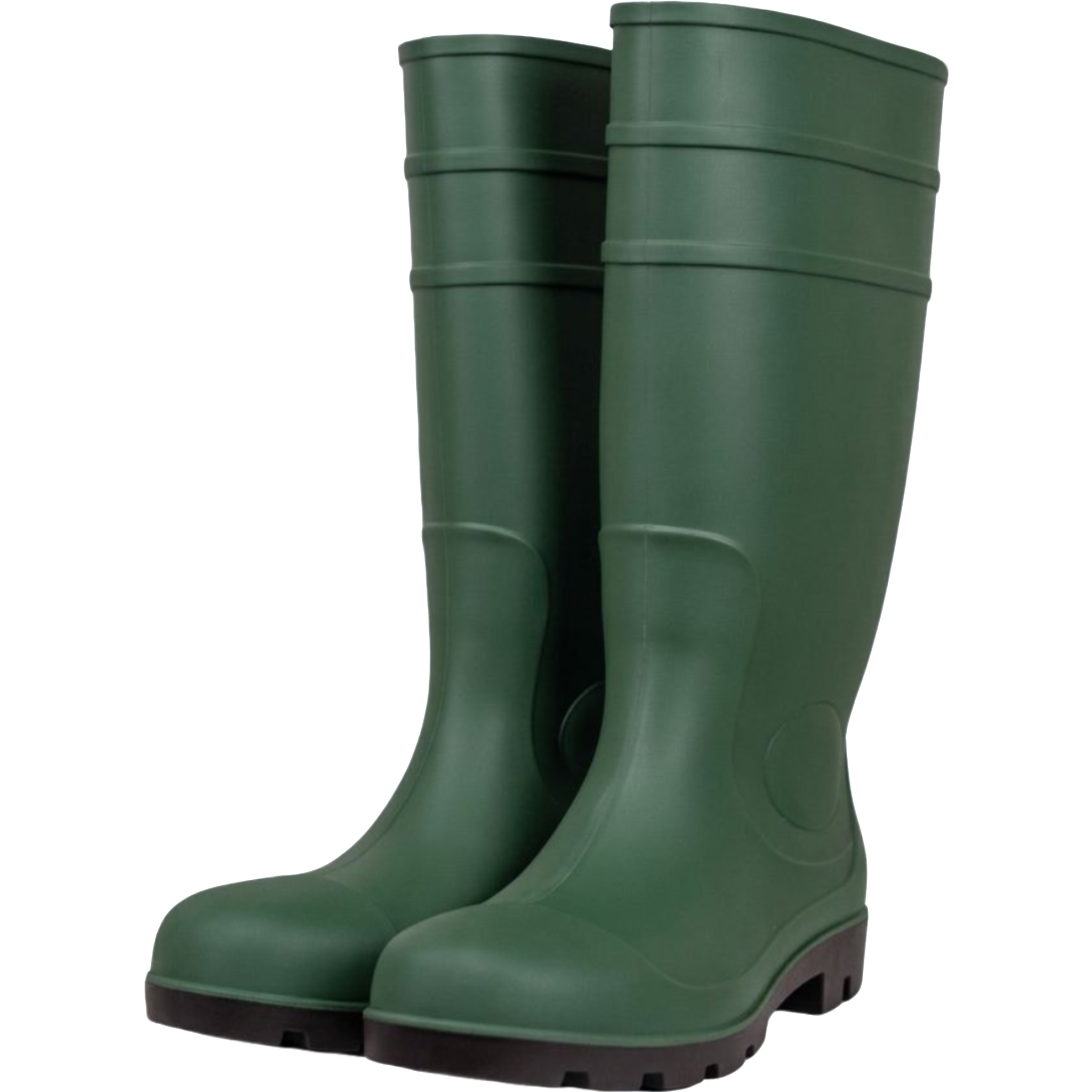
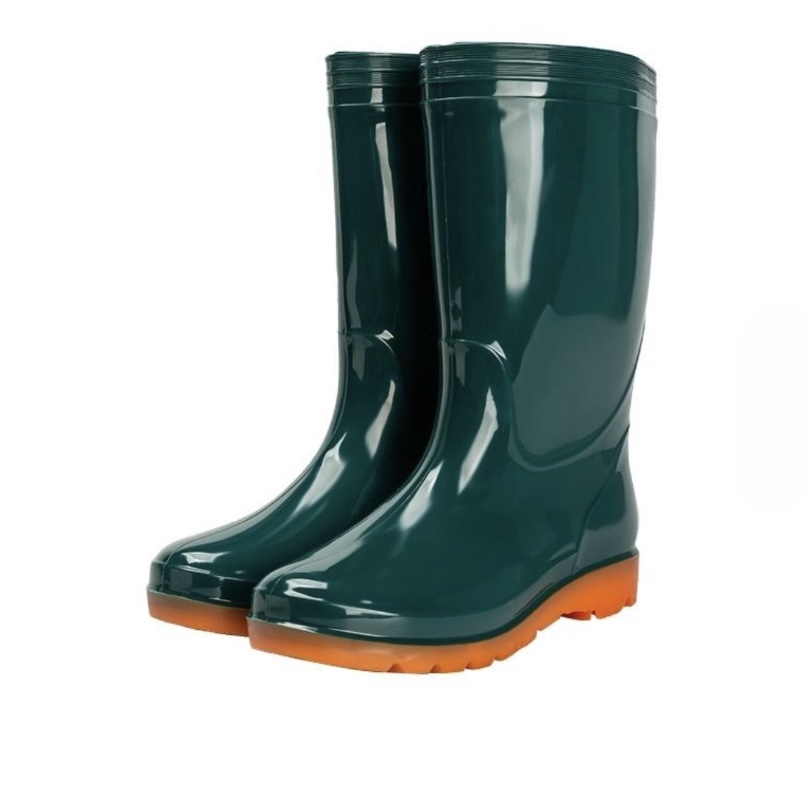
Water shoes optimized for summer water activities typically use lightweight, flexible materials such as EVA (ethylene vinyl acetate) or thin, durable PVC, chosen for their ability to drain water rapidly while maintaining structural integrity. The outsole pattern is engineered with deep, multidirectional grooves to enhance traction on wet and uneven surfaces, a design principle aligned with slip resistance requirements outlined in ISO 20344:2021 testing standards. Seam-free construction reduces water infiltration points and eliminates pressure points that cause blisters, a key design element for extended activity comfort. A Professional Rain Boot Manufacturer notes that material formulation for recreational water footwear must balance water resistance and breathability, as overly rigid materials trap moisture leading to discomfort.
Additional design features include perforated upper panels for air circulation, a low-cut shaft to prevent sand accumulation, and reinforced toe caps to protect against impacts from rocks or dropped equipment. The manufacturing process often uses injection molding for the outsole to ensure consistent pattern depth and adhesion to the upper material, avoiding the seam failures common in glued construction for water-exposed footwear.
3. Practical Solutions and Operation Steps
To select and use suitable water shoes for kayaking and beach adventures, follow these structured steps to address performance needs and avoid common issues:
- Step 1: Verify material properties: Choose EVA or thin PVC upper materials with approved drainage perforations, avoiding non-porous rubber that retains water. Check product testing notes for water flow rate specifications, as defined in ASTM F2412-24 for footwear drainage.
- Step 2: Match outsole traction to your activity: For rocky shorelines, select outsoles with deep, multi-angle grooves; for soft sand, opt for wider, flatter treads to prevent sinking and improve stability. Avoid outsoles with overly sharp edges that can damage on hard surfaces.
- Step 3: Confirm fit and comfort: Measure foot size with socks, as moisture-wicking liner socks may be worn during activities. Ensure the toe box has 1-2 centimeters of space to accommodate foot expansion during prolonged movement in warm water.
- Step 4: Test quick-drying capability: Submerge the shoe in water for 10 minutes, then place it on a flat surface; a properly designed shoe will drain visible water within 2 minutes and feel dry to touch within 15 minutes.
- Step 5: Prepare for activity-specific conditions: For kayaking, select a low-cut style that does not interfere with foot entry into footwells; for beach use, choose a durable toe cap to resist punctures from shells or pebbles.
4. Daily Maintenance and Precautions
Proper maintenance extends the lifespan of water shoes and preserves their performance attributes. After each use, rinse the shoes with fresh water to remove salt, sand, or debris, then gently scrub the outsole with a soft brush to clean embedded particles. Avoid using strong detergents or solvents, as these can degrade the material and reduce drainage performance.
Allow the shoes to air dry completely in a shaded, well-ventilated area; do not place them near direct sunlight, radiators, or other high-heat sources, as excessive heat can cause material warping and cracking. For storage, keep the shoes in a cool, dry space, and stuff them with crumpled paper to maintain their shape and absorb residual moisture. Do not use water shoes as a substitute for specialized safety footwear in industrial or construction settings, as they do not meet occupational safety standards for impact or compression resistance.
5. Industry Standard and Parameter Reference
ParameterRecommended ReferenceWhy It Matters
Slip resistance for water surfacesEN ISO 20347:2022+A1:2024 Annex AEvaluates outsole grip on wet, non-petroleum contaminated surfaces relevant to kayaking and beach use.
Footwear drainage performanceASTM F2412-24 Section 16Tests rate of water removal and retention to determine quick-drying capability.
Recreational water footwear durabilityISO 17706:2018 (Recreational Water Craft Footwear)Specifies requirements for material resistance to saltwater and UV exposure.
Chemical protective footwearEN 13832-3:2018 where prolonged chemical contact is claimedRelevant for footwear used near polluted water bodies or treated beach areas.
When evaluating water shoes, always check for third-party test certifications that confirm compliance with relevant standards, rather than relying on marketing claims. For non-specialized recreational use, compliance with ISO 17706:2018 is sufficient to ensure basic performance and durability in summer water activities.
6. Customer Common FAQ
Q: Are all water shoes suitable for both kayaking and beach use?
A: No, some styles are designed specifically for one activity. Low-cut, flexible shoes with deep grooves work well for both, but those with heavy treads may be too bulky for kayaking, while those with minimal traction may slip on rocky beaches. A Professional Rain Boot Manufacturer recommends choosing a mid-height style with balanced tread depth for cross-activity use.
Q: How do I prevent my water shoes from smelling after repeated use?
A: Rinse them thoroughly after each use, ensure they dry completely before storage, and occasionally apply a mild, odor-neutralizing spray designed for porous materials. Avoid leaving wet shoes closed in bags or containers, as this promotes bacterial growth that causes odors.
Q: Can I wear regular socks with water shoes?
A: Moisture-wicking, thin liner socks are recommended for comfort, especially in cooler water, as they reduce friction and blister risk. Avoid thick cotton socks, which retain water and add unnecessary bulk that can restrict movement.
Q: How often should I replace my water shoes?
A: Replacement frequency depends on use intensity; shoes with frequent exposure to saltwater or sharp debris may need replacement every 6-12 months. Look for signs of material cracking, outsole tread wear, or persistent water retention as indicators that replacement is needed.
Conclusion
Selecting the right water shoes for summer kayaking and beach adventures requires balancing drainage, traction, comfort, and durability to address the unique demands of water and sand environments. Understanding material properties, outsole design, and compliance with relevant standards helps users avoid common issues like blisters, slips, and rapid wear. By following practical maintenance steps, users can extend footwear lifespan and maintain consistent performance across multiple activities. Professional Rain Boot Manufacturer notes that careful selection based on activity-specific needs is the key to maximizing comfort and safety during summer water adventures.
References
- ISO 17706:2018, Recreational Water Craft Footwear, International Organization for Standardization, 2018
- ASTM F2412-24, Standard Test Methods for Foot Protection, ASTM International, 2024
- EN ISO 20347:2022+A1:2024, Occupational Footwear, European Committee for Standardization, 2024
- Global Footwear Industry Official Report 2024, Footwear Distributors and Retailers of America, 2024