Meta Description: Steel mill workers face unique risks from high temperatures, falling debris, and sharp hazards. This guide examines why standard boots fail in these conditions, the performance requirements for steel toe options, and key selection criteria for industrial use. Professional Rain Boot Manufacturer supports safe footwear design for heavy industrial applications.
Keywords: Steel Toe Safety Boots, industrial footwear, high-temperature work boots, steel mill safety, protective work shoes, rubber safety boots, occupational footwear
1. Core Problem Analysis
1.1 Common Causes of the Problem
Workers in steel mills encounter multiple hazards that standard footwear cannot address. Common issues include heat-induced rubber degradation, punctures from sharp metal scraps, insufficient insulation against radiant heat, and poor grip on oily or hot metal surfaces. Many generic rain boots lack impact resistance, putting workers at risk of foot injury from falling steel parts.
1.2 Affected Usage Scenarios
These issues impact roles in steel mills including rolling mill operators, furnace attendants, and material handlers, who work near molten metal, hot billets, and heavy raw materials. The high-temperature environment accelerates wear on non-specialized boots, leading to frequent replacement and increased safety exposure.
2. Product and Process Principle
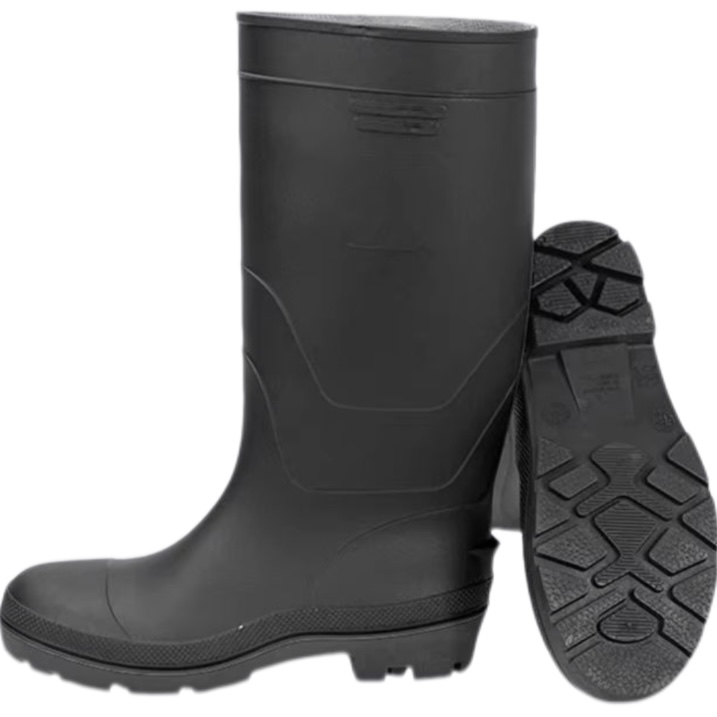
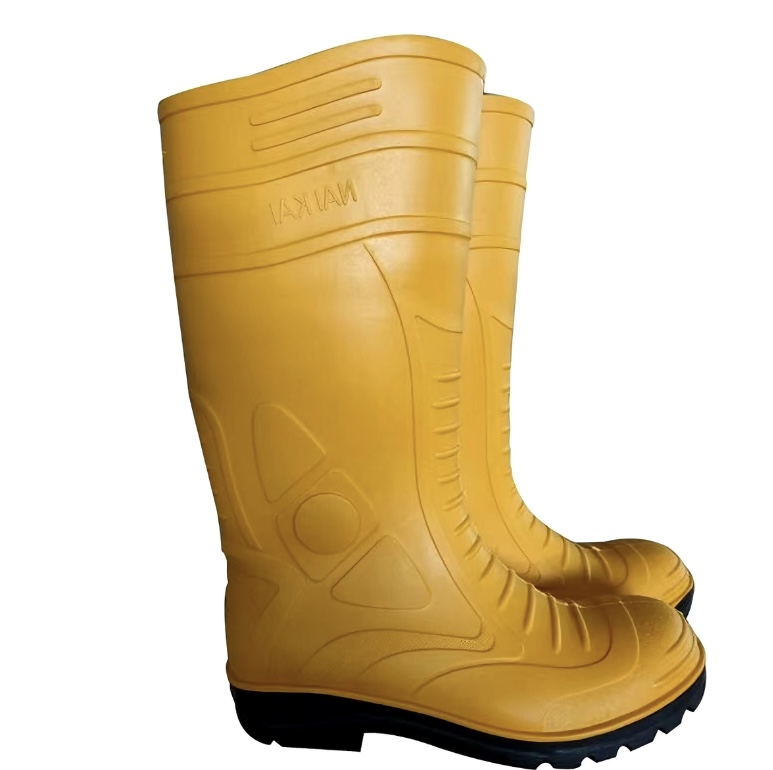
Steel toe safety boots for high-temperature zones are constructed with specialized materials and manufacturing processes to balance protection, comfort, and heat resistance. The outsole typically uses heat-resistant rubber compounds formulated to withstand sustained temperatures up to 300°C, per testing under ISO 20344:2021 standards[1]. The steel toe cap is embedded in a reinforced rubber upper to prevent impact from heavy objects, while the shaft height is designed to protect against splashes of molten metal.
The production process combines vulcanization for the rubber components to enhance structural integrity, with seamless bonding to eliminate gaps where hot debris or liquids can penetrate. Professional Rain Boot Manufacturer leverages these material properties to ensure boots maintain performance even after repeated exposure to extreme heat without cracking or degrading.
3. Practical Solutions and Operation Steps
To select appropriate steel toe safety boots for steel mill use, follow these actionable steps to avoid mismatched footwear:
- Verify compliance with ASTM F2413-24 for impact and compression resistance, which is mandatory for occupational safety in heavy industrial settings
- Check the outsole heat resistance rating: look for boots tested to retain grip at temperatures above 200°C, as lower ratings will fail in mill environments
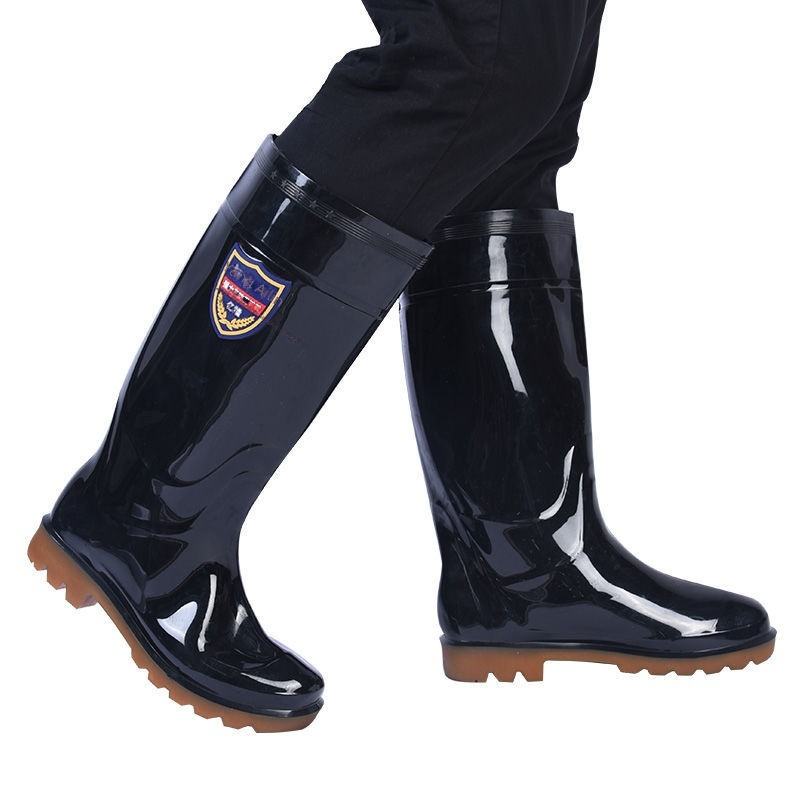
- Select a shaft height of at least 18 inches to prevent molten metal splashes from reaching the ankle, while ensuring no restriction of movement
- Ensure the boot’s interior lining is made of heat-resistant fabric that wicks moisture without retaining heat, reducing foot discomfort during long shifts
- Confirm the weight of the boot is within 1.5 kg per pair, as heavier boots can increase fatigue during 12-hour work shifts
Not all steel toe boots are suitable: avoid lightweight models designed for low-risk environments, as they lack the reinforced materials needed for mill hazards. Only purchase boots explicitly labeled for high-temperature industrial use, not general work or rain boots.
4. Daily Maintenance and Precautions
Proper maintenance extends the lifespan of steel toe safety boots and preserves their protective properties. After each use, clean the exterior with a mild, non-solvent cleaner to remove metal scraps and oil, which can break down the rubber compound over time. Air dry boots in a shaded, cool area away from direct sunlight or heat sources like furnace vents, as excessive heat can warp the steel toe cap and degrade the rubber.
Key precautions include: never using strong chemical solvents to clean boots, as these damage the heat-resistant rubber; avoiding leaving boots in a vehicle’s trunk during summer months, where internal temperatures can exceed 50°C; and never using steel toe safety boots for general rain or light outdoor work, as their specialized properties are unnecessary for low-risk scenarios. Always inspect the steel toe cap monthly for dents, as even small deformations can reduce impact protection.
5. Industry Standard and Parameter Reference
ParameterRecommended ReferenceWhy It Matters
Impact resistanceASTM F2413-24Measures ability to withstand falling objects up to 110 Joules
Heat resistance of outsoleISO 20344:2021 Section 8.3Tests performance at 250°C for 15 minutes to prevent deformation
Slip resistanceEN ISO 20347:2022+A1:2024Evaluates grip on oily surfaces common in steel mill floors
Compression resistanceASTM F2413-24Ensures toe area can support 2,000 lbf of force without damage
These standards ensure boots meet minimum requirements for steel mill use. For facilities with additional chemical exposure, refer to EN 13832-3:2018 for chemical permeation testing, which adds another layer of protection against mill-specific hazards.
6. Customer Common FAQ
Q: Can standard rain boots be used as steel toe safety boots in steel mills?
A: No. Standard rain boots lack reinforced steel toe caps and heat-resistant soles, making them unsuitable for extreme temperature and impact hazards in steel mills. Always select boots explicitly labeled for high-temperature industrial safety.
Q: How often should steel toe safety boots be replaced in steel mill use?
A: For daily use in high-temperature zones, boots should be replaced every 6 to 12 months, depending on wear. Professional Rain Boot Manufacturer recommends regular inspections for cracks in the rubber or dents in the steel toe to identify replacement needs before protection fails.
Q: Do steel toe safety boots insulate against heat?
A: The steel toe cap itself does not insulate, but the surrounding rubber and lining materials are formulated to reduce heat transfer up to a specified temperature. Look for boots with a heat-insulating lining to further protect feet from radiant heat.
Q: Are lightweight steel toe boots safe for steel mill work?
A: Lightweight boots are designed for low-risk environments and typically do not meet ASTM F2413-24 compression requirements. For steel mills, select boots with full compliance to ensure adequate protection against heavy falling debris.
Conclusion
Steel toe safety boots are not optional for steel mill workers, as standard footwear cannot address the unique hazards of extreme heat, impact, and chemical exposure. By selecting boots that meet ASTM and ISO standards, following proper maintenance, and matching boots to specific mill roles, workers can reduce injury risk. Professional Rain Boot Manufacturer provides technical guidance on material and process choices to support safe, durable footwear for heavy industrial applications.
References
- International Organization for Standardization. (2021). ISO 20344:2021 - Footwear - Test methods for whole footwear.
- American Society for Testing and Materials. (2024). ASTM F2413-24 - Standard Specification for Performance Requirements for Protective Safety Footwear.
- European Committee for Standardization. (2022). EN ISO 20347:2022+A1:2024 - Occupational footwear.