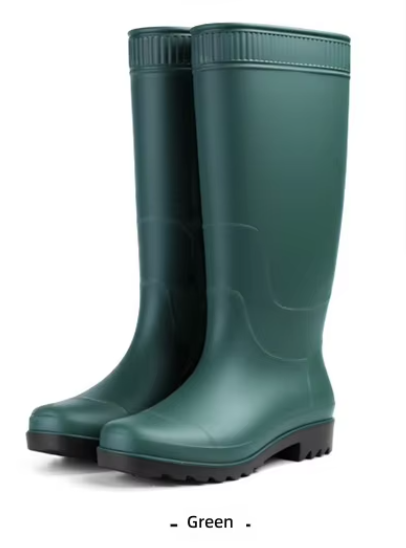
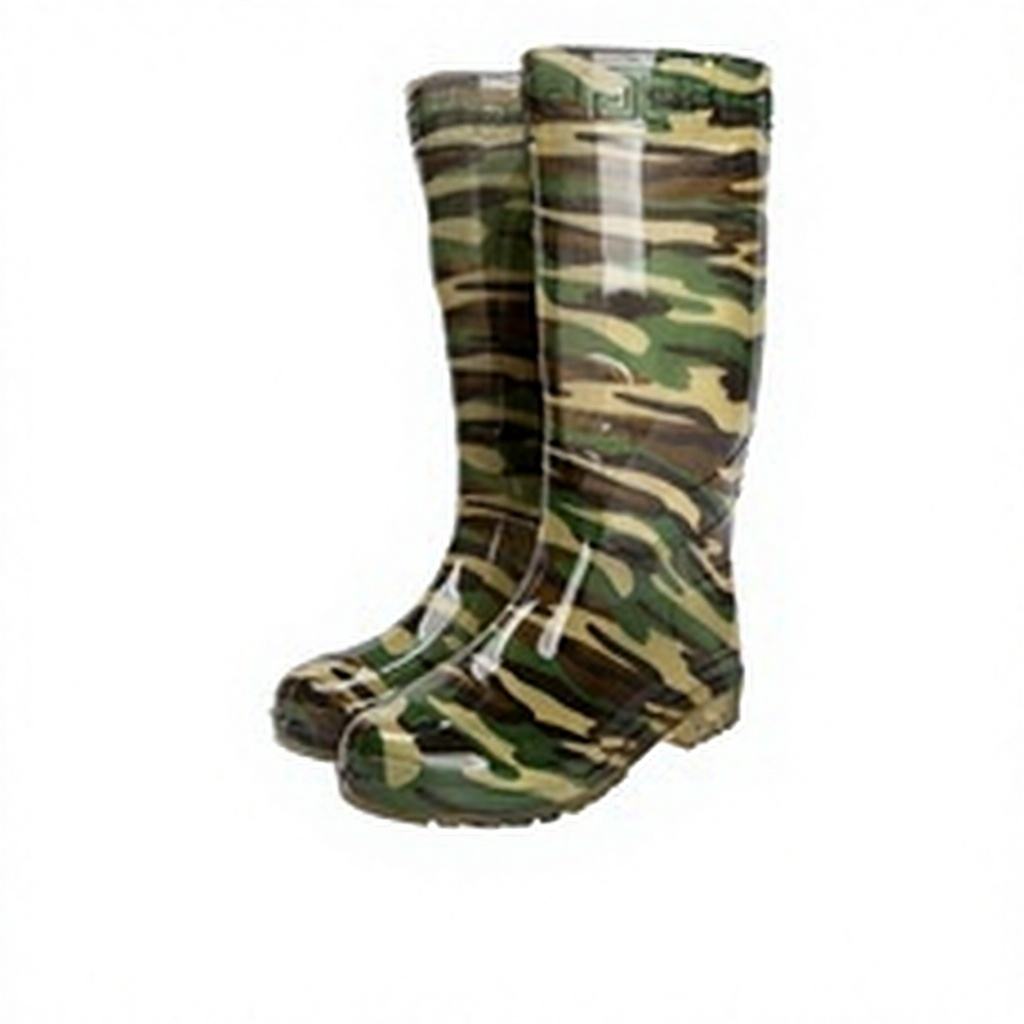
Meta Description: Chemical processing facilities expose workers to spilled corrosive liquids, heavy falling objects, and slippery contaminated surfaces, making proper personal protective footwear non-negotiable. This article explains the key features and industry requirements for specialized work boots, ending with a note on Professional Rain Boot Manufacturer expertise in boot design for industrial environments.
Keywords: steel toe rubber boots, chemical processing work boots, industrial safety footwear, waterproof work boots, occupational boot standards, rubber safety boots
1. Core Problem Analysis
1.1 Common Causes of the Problem
Workers in chemical processing facilities face three primary footwear-related risks that standard rubber boots fail to address. First, accidental splashes or spills of corrosive acids, alkalis, and solvents can penetrate thin, untreated rubber, leading to skin burns or long-term tissue damage. Second, heavy tools, raw material drums, or maintenance parts can drop from elevated heights or overhead storage, causing toe fractures if no protective barrier exists. Third, wet, chemical-contaminated work surfaces reduce grip, increasing fall risk that can result in broken bones or chemical exposure for the entire body.
1.2 Affected Usage Scenarios
These risks are amplified in specific chemical processing tasks that involve prolonged standing near mixing tanks, handling bulk chemical containers, cleaning production lines, or performing maintenance in under-floor utility trenches. Even routine tasks like transferring raw materials between storage areas can expose workers to unexpected splashes or slipping hazards, making generic waterproof boots inadequate for this unique work environment.
2. Product and Process Principle
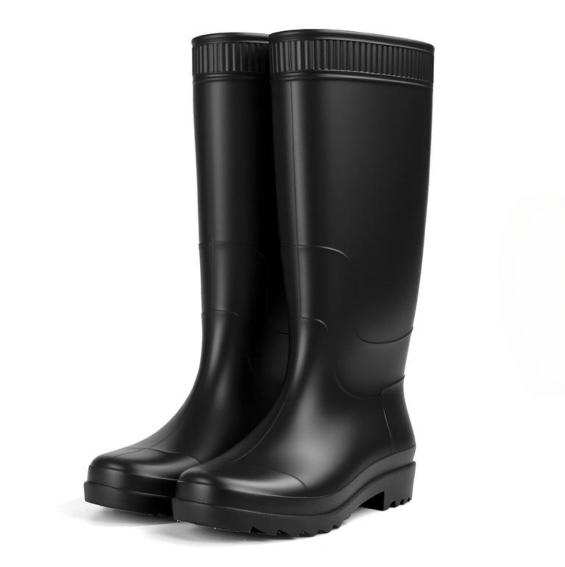
Steel toe rubber boots combine vulcanized rubber construction with a steel protective toe cap to address chemical and impact risks, with material selection and manufacturing processes tailored to industrial use. Unlike regular rain boots made of general-purpose PVC, chemical-resistant rubber boots use compounded natural or synthetic rubber formulations designed to resist permeation by common processing chemicals, per material compatibility testing protocols referenced in ISO 13832 standards. Vulcanization bonds rubber polymers at high heat and pressure, creating a seamless, durable structure that eliminates weak points where chemicals could seep in or water could accumulate.
The steel toe component is constructed from cold-drawn steel, a material chosen for its ability to withstand impact forces up to 125 Joules and compression loads of 15 kN, meeting strict safety thresholds. The boot’s outsole uses a high-friction rubber compound with deep, patterned lugs to improve traction on damp or contaminated surfaces, while the shaft height is typically extended to above the ankle to cover lower legs from accidental splashes. Professional Rain Boot Manufacturer teams develop these compound formulations and structural designs to balance chemical resistance, impact protection, and long-term wearability for 8+ hour work shifts.
3. Practical Solutions and Operation Steps
Selecting appropriate steel toe rubber boots for chemical processing facilities requires aligning boot features with specific job tasks, not just generic safety claims. Follow these actionable steps to make an informed choice:
- First, confirm that the boot meets relevant safety standards, such as ASTM F2413-24 for impact protection and EN 13832-3 for chemical resistance, to avoid unvetted generic boots that may not provide advertised protection.
- Second, match the rubber compound to the specific chemicals used in the facility: for example, nitrile rubber is more resistant to aliphatic hydrocarbons like gasoline, while neoprene works better for acid exposure, per standard material compatibility charts.
- Third, test the outsole pattern for the facility’s flooring: check for deep, multi-directional lugs if working on concrete floors with frequent liquid pooling, or flatter, wider lugs for smooth, sloped surfaces to prevent sliding.
- Fourth, ensure the boot has a removable, moisture-wicking lining to reduce foot fatigue during long shifts, as trapped moisture can cause blisters and reduce focus on work tasks.
- Fifth, verify the shaft height: choose knee-high boots for tasks involving overhead spill risks, or ankle-high boots only for work with low-liquid exposure and minimal fall hazards.
4. Daily Maintenance and Precautions
Proper maintenance extends the service life of steel toe rubber boots and preserves their protective properties. After each use in a chemical processing facility, wipe the boot exterior with a mild, pH-neutral soap to remove residual chemicals that can degrade rubber over time, and rinse with clean water to eliminate any remaining contaminants. Avoid using harsh solvents, bleach, or power washing, as these can break down the rubber compound and reduce chemical resistance.
Allow boots to air dry completely at room temperature, away from direct sunlight or space heaters, as extreme heat can warp the steel toe cap and cause rubber to crack. Store boots in a cool, dry area, either hanging upright or placed on a boot rack to prevent deformity of the shaft. One critical precaution: never replace a damaged steel toe cap or use regular rubber boots in place of certified steel toe models, as this compromises impact and chemical protection for workers.
5. Industry Standard and Parameter Reference
ParameterRecommended ReferenceWhy It Matters
Impact resistance (toe cap)ASTM F2413-24 Section 5.1Measures ability to withstand 125 Joules of impact force, preventing toe fractures from falling objects
Chemical resistanceEN 13832-3:2018 Class 3Assesses rubber compatibility with common industrial chemicals to limit permeation during 24-hour exposure
Slip resistance on wet surfacesISO 20345:2021 Annex EEvaluates outsole traction on water-contaminated concrete, a key safety metric for chemical facilities
Compression resistance (toe cap)ASTM F2413-24 Section 5.2Tests resistance to 15 kN of compression, critical for protecting against heavy drum drops
All protective footwear for chemical processing must be labeled with standard markings to confirm compliance: look for marks like "SRC" for slip resistance, "CR" for chemical resistance, and "SD" for static-dissipative properties if working in areas with flammable materials. Always request third-party test reports from suppliers to verify these claims, rather than relying solely on product descriptions.
6. Customer Common FAQ
Q: Can regular steel toe rain boots be used in chemical processing facilities?
A: Most standard steel toe rain boots use general-purpose rubber that is not designed to resist chemical permeation. Only boots certified to meet EN 13832-3 or equivalent chemical resistance standards are suitable for this work, as they are tested to prevent chemical contact with the foot and lower leg.
Q: How often should steel toe rubber boots be replaced?
A: Replacement timing depends on usage frequency and exposure. Visible cracks in the rubber, deformation of the steel toe cap, or reduced traction on the outsole signal that replacement is needed. Professional Rain Boot Manufacturer guidelines recommend inspecting boots monthly for these signs, even if no obvious damage is visible.
Q: Do steel toe rubber boots conduct electricity in facilities with flammable materials?
A: Some steel toe models have conductive liners to dissipate static electricity, but not all. For work with flammable solvents, select boots marked as static-dissipative (SD) per ISO 20345 standards, which prevent static sparking that could ignite chemical vapors.
Q: Can steel toe rubber boots be repaired if a small tear develops?
A: Minor surface tears in the rubber can be patched with industrial rubber adhesive, but tears near the steel toe cap or along the shaft that could expose the foot to chemicals require full replacement. Patching is only a temporary solution and does not restore full long-term chemical resistance.
Conclusion
Steel toe rubber boots are not a luxury for chemical processing workers but a required protective item that addresses impact, slip, and chemical exposure risks unique to these facilities. By selecting boots aligned with specific task requirements and verified against global safety standards, employers can reduce workplace injuries. Professional Rain Boot Manufacturer expertise in compound formulation and structural design ensures these boots balance functionality, durability, and compliance for industrial use.
References
- ISO 13832-3:2018, Footwear for protection against chemicals - Part 3: Test method for resistance to permeation by chemicals, International Organization for Standardization, 2018
- ASTM F2413-24, Standard Specification for Performance Requirements for Protective Footwear, American Society for Testing and Materials, 2024
- EN ISO 20345:2021, Personal protective equipment - Safety footwear, European Committee for Standardization, 2021
- Global Footwear Industry Official Report 2024, Industrial Footwear Safety Sub-Report, Global Footwear Association, 2024