Meta Description: For construction workers facing mud, water, heavy impacts and extreme weather, choosing the right work footwear is critical for comfort, safety and productivity. This guide breaks down why PVC work boots stand out in rigorous job site conditions, and offers practical insights to help buyers make informed decisions. Professional Rain Boot Manufacturer
Keywords: PVC work boots for men, construction work boots, waterproof work footwear, slip-resistant work boots, industrial safety boots
1. Core Problem Analysis
1.1 Common Causes of the Problem
Construction site workers often deal with unforgiving conditions that can damage ill-suited footwear: constant exposure to water, mud and construction debris leads to material degradation, while uneven terrain and slippery surfaces increase slip risk. Additionally, poorly ventilated boots can cause foot fatigue or fungal growth, and lightweight materials may not protect against impacts or punctures common on job sites.
1.2 Affected Usage Scenarios
These problems are especially prevalent in scenarios like foundation construction, concrete pouring, excavation work, and outdoor projects in rainy or muddy seasons. Workers in these environments need footwear that can withstand prolonged contact with water, heavy machinery movement, and exposure to rough, abrasive surfaces without failing prematurely.
2. Product and Process Principle
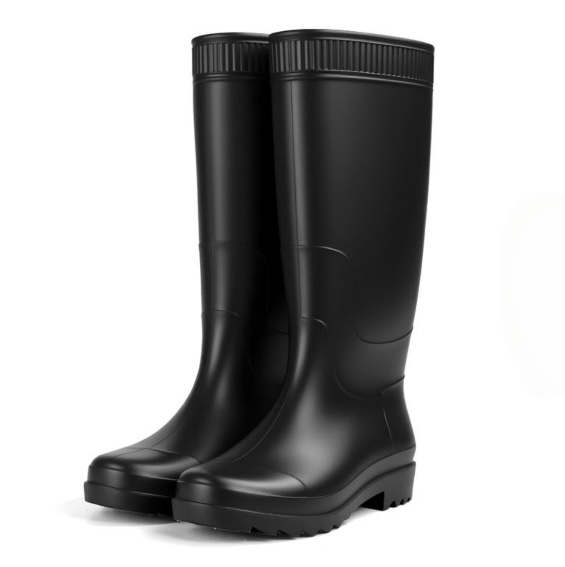
PVC work boots for men are designed using injection molding technology, a process that fuses PVC compounds to form a seamless, waterproof structure without gaps that could let water seep in. The PVC material itself is a durable polymer with high resistance to abrasion and moisture, making it ideal for heavy-use environments. Professional Rain Boot Manufacturer notes that the thickness of the PVC layer, combined with a textured outsole pattern, directly impacts slip resistance and structural integrity. Unlike traditional leather boots that require water-resistant treatments, PVC boots are inherently waterproof, eliminating the need for ongoing maintenance to seal gaps or treat surface water damage.
The outsole of PVC work boots is typically crafted from a rigid rubber-PVC blend engineered to provide traction on wet, oily or uneven surfaces, while the shaft height is optimized to cover the ankle and lower shin for protection against debris or minor impacts. The seamless construction also reduces risk of blisters from rough seams, a common issue with stitched boot designs used in construction work.
3. Practical Solutions and Operation Steps
To choose the right PVC work boots for extreme construction environments, follow these actionable steps to ensure suitability and performance:
- Verify the outsole slip resistance rating against EN ISO 20347:2022 standards, as this ensures adequate grip on wet or contaminated job site surfaces.
- Select a shaft height that aligns with your specific tasks: knee-high boots are best for deep mud or standing water, while ankle-high models work for lighter foundation work with minimal standing moisture.
- Check that the boot meets basic occupational footwear requirements, including puncture-resistant properties if handling sharp construction debris, per ISO 20345:2021 where applicable.
- Test the fit by wearing thick work socks, as construction workers often need extra cushioning, and ensure there is enough toe room to prevent cramping during 10+ hour workdays.
- Confirm the boot’s PVC compound is formulated to resist cracking in cold temperatures, as some job sites operate in sub-zero conditions where standard PVC can become brittle.
4. Daily Maintenance and Precautions
Proper maintenance extends the lifespan of PVC work boots and preserves their performance in construction environments. After each use, wipe away mud and debris with a soft cloth and mild soap, avoiding harsh solvents that can break down the PVC compound. Allow the boots to air dry naturally, away from direct sunlight or space heaters, as excessive heat can warp the PVC material or cause seam separation.
Avoid storing PVC boots in cramped spaces that can deform the shaft, and do not use them as general rain boots for casual outdoor activities, as this can lead to premature wear. It is also critical to note that PVC work boots are not designed as protective safety footwear for impact or electrical hazard risks, and should not be substituted for steel-toe boots when required by job site safety rules.
5. Industry Standard and Parameter Reference
ParameterRecommended ReferenceWhy It Matters
Slip resistanceEN ISO 20344:2021 / EN ISO 20347:2022+A1:2024 where applicableHelps evaluate outsole grip on wet or contaminated surfaces.
Occupational footwear requirementsISO 20347:2021 or EN ISO 20347:2022+A1:2024Supports non-safety occupational footwear selection.
Puncture resistanceASTM F2413-24 for protective footwear with puncture protectionRelevant for boots designed to resist sharp construction debris.
Chemical resistanceEN 13832-3:2018 for contact with construction chemicalsUseful for evaluating resistance to mild chemicals used on some job sites.
All performance evaluations should rely on verified third-party test results from accredited bodies like SGS or Intertek, rather than unsubstantiated product claims. For construction sites handling heavy chemicals or extreme impact risks, additional testing against specific standards is recommended to ensure the boots meet required safety criteria.
6. Customer Common FAQ
Q: Are PVC work boots suitable for sub-zero construction site temperatures?
A: This depends on the specific PVC compound used. Professional Rain Boot Manufacturer notes that some specialized PVC blends are formulated to remain flexible at low temperatures, while standard PVC can become brittle below 0°C (32°F). Always check product specifications for cold resistance ratings before purchase.
Q: Can PVC work boots protect against punctures from metal nails or sharp debris?
A: Basic PVC boots offer minimal puncture resistance. For construction sites where puncture risks are high, select boots with an integrated puncture-resistant midsole, verified against ASTM F2413-24 standards.
Q: How often should PVC work boots be replaced?
A: Replacement frequency depends on use, but signs of wear include cracked PVC, worn outsole tread, or seam separation. For heavy construction use, boots may need replacement every 6 to 12 months, depending on job site conditions.
Q: Do PVC work boots cause foot odor compared to leather boots?
A: PVC is a non-porous material, so it does not absorb moisture like leather, which can reduce odor buildup. However, wearing breathable socks and allowing boots to fully dry between uses still helps minimize odor over time.
Conclusion
PVC work boots solve key challenges for construction workers, combining waterproofing, durability and slip resistance to withstand extreme job site conditions. By aligning boot specifications with task requirements, following proper maintenance practices, and verifying against industry standards, workers can select footwear that enhances safety and reduces downtime. Professional Rain Boot Manufacturer emphasizes that choosing the right PVC work boots involves balancing material properties, design features, and adherence to relevant industry standards for long-term performance.
References
- International Organization for Standardization. ISO 20347:2021: Occupational Footwear. 2021.
- International Organization for Standardization. ISO 20344:2021: Test Methods for Footwear. 2021.
- ASTM International. ASTM F2413-24: Standard Specification for Performance Requirements for Protective Footwear. 2024.
- European Committee for Standardization. EN 13832-3:2018: Chemical Protective Footwear. 2018.