Meta Description: For women needing durable footwear for wet outdoor tasks or daily rainy commutes, PVC round-toe rain boots address common pain points like slipping and quick wear. This guide explains their practical benefits and industry standards. Professional Rain Boot Manufacturer.
Keywords: PVC Round-Toe Women's Rain Boots, waterproof work boots, rainy commuting footwear, farm work shoes, slip-resistant rain boots, boot maintenance
1. Core Problem Analysis
1.1 Common Causes of the Problem
Women often face unaddressed footwear needs when choosing rain boots: poor grip on wet or muddy surfaces, heavy and uncomfortable designs for all-day wear, limited water resistance that fails to hold up through repeated outdoor tasks, and stiff construction that restricts foot movement during long shifts or walks. Many generic rain boots are not tailored to fit foot shapes common among women, leading to blisters or uneven pressure points.
1.2 Affected Usage Scenarios
These issues impact a range of daily and work scenarios: outdoor roles like gardening, livestock care, and food processing, where boots must withstand frequent contact with moisture and rough terrain; urban daily commuting, where wet sidewalks, subway entrances, and unexpected rain demand reliable protection; and casual outdoor activities that require both functionality and a comfortable fit for extended wear.
2. Product and Process Principle
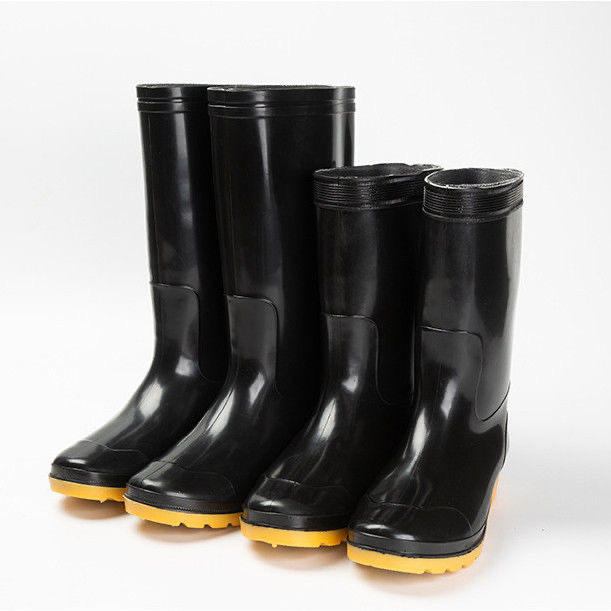
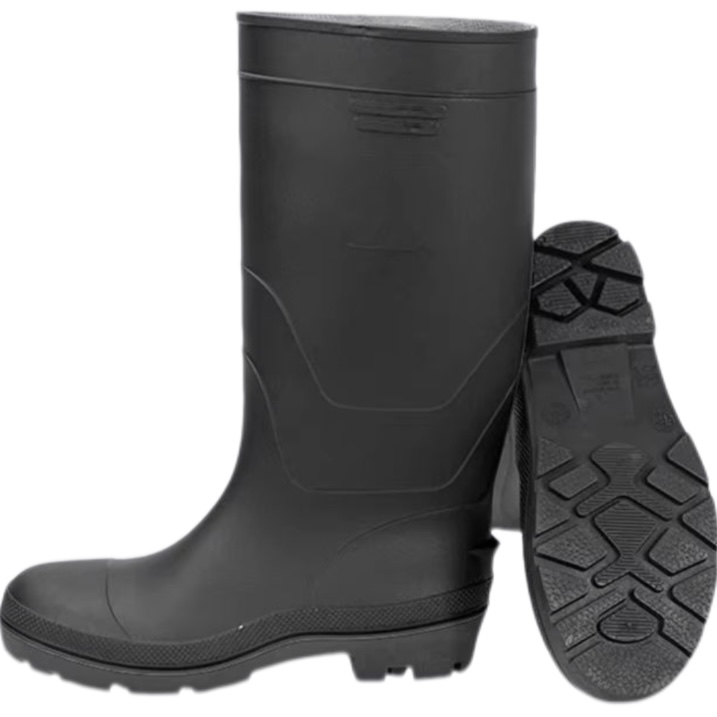
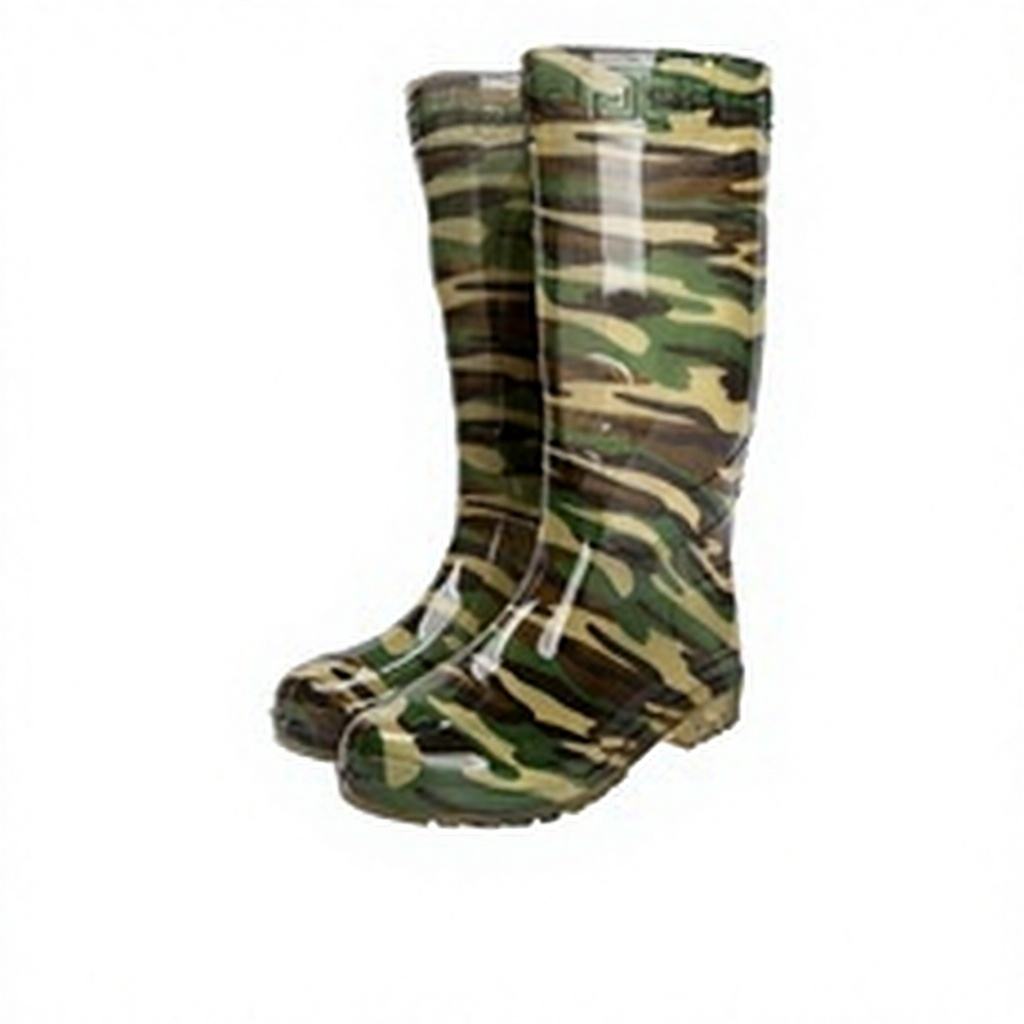
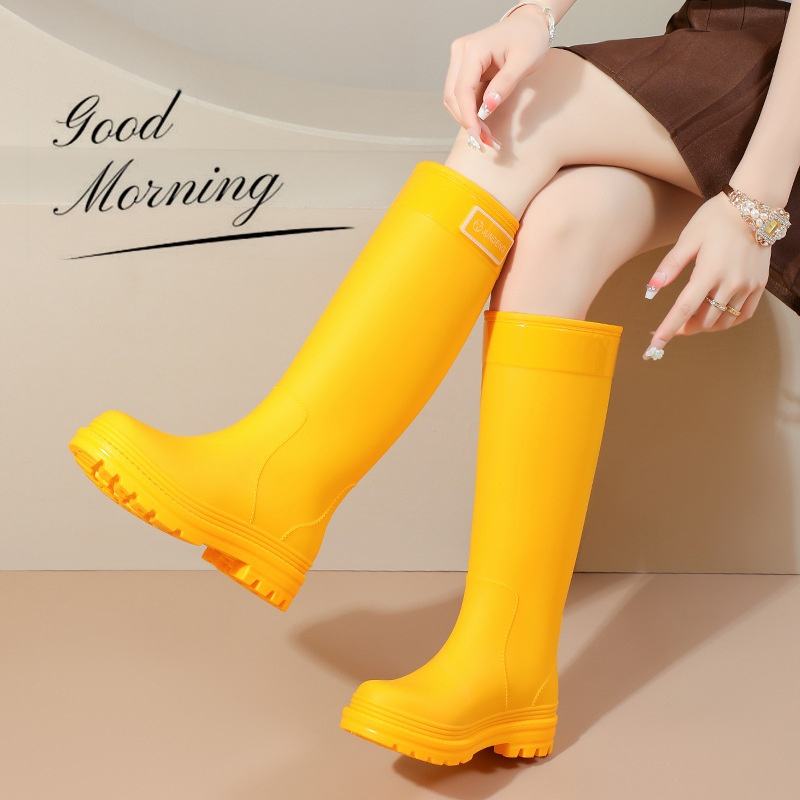
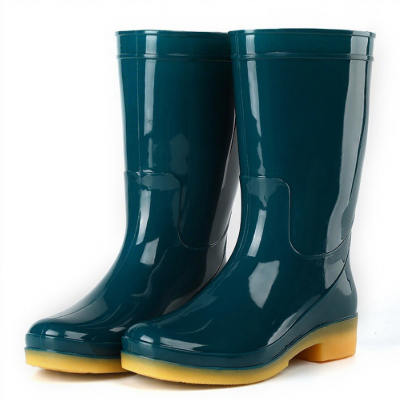
PVC round-toe women's rain boots are constructed using PVC, a thermoplastic polymer valued for its water resistance and durability. Unlike natural rubber, PVC can be formulated to balance flexibility and stiffness, making it ideal for molded boots that fit snugly around the foot and lower leg without excessive bulk. The round toe design allows for natural foot movement, reducing friction and blistering during extended wear. Injection molding is a common production process for these boots, where molten PVC is injected into molds to create a seamless structure that minimizes water leakage at seams. Professional Rain Boot Manufacturer applies consistent compound formulation and thickness control to ensure these boots meet basic performance requirements for regular use. Outsole pattern design focuses on traction, with deep lugs that provide grip on both wet concrete and muddy soil.
3. Practical Solutions and Operation Steps
When choosing PVC round-toe women's rain boots, start by matching the boot’s specifications to your primary use case. For outdoor work involving mud or rough terrain, prioritize boots with a deep, lugged outsole designed for slip resistance. For daily commuting, select a mid-calf height that balances coverage for rain splashes with easy entry and exit. Size selection should account for thin, moisture-wicking socks commonly worn with rain boots; many users recommend ordering a half size larger than regular shoe size for a comfortable fit. Avoid boots with excessive decorative elements that add unnecessary weight or compromise structural integrity. For work scenarios involving occasional chemical exposure, verify that the PVC formulation is compatible with mild liquids, as outlined in relevant industry standards. The table below outlines key parameters to consider when selecting these boots.
- Step 1: Define your primary use case (outdoor work, daily commuting, or mixed use) to narrow material and design needs.
- Step 2: Check outsole depth and pattern, ensuring it aligns with surfaces you will frequently walk on (mud, wet concrete, etc.).
- Step 3: Measure calf circumference and foot length to select a size that fits comfortably without excessive gaps that allow water entry.
- Step 4: Confirm that the boot’s shaft height covers the area most vulnerable to water splashes for your typical activity.
4. Daily Maintenance and Precautions
Proper maintenance extends the lifespan of PVC round-toe women's rain boots. After each use, clean the exterior with a mild detergent and soft cloth to remove mud or debris, paying special attention to outsole lugs where dirt can accumulate. Allow boots to air dry in a well-ventilated area, away from direct sunlight or high heat sources that can cause PVC to become brittle or warp. Avoid using strong solvents or harsh chemicals to clean the boots, as these can degrade the PVC material over time. When not in use, store boots in a cool, dry place, preferably upright, to maintain their shape. Do not use PVC rain boots as protective footwear for heavy industrial tasks requiring puncture resistance, as these boots are not designed for that level of protection. If exposed to salt water or other corrosive substances, rinse the boots promptly with clean water to prevent material degradation.
5. Industry Standard and Parameter Reference
ParameterRecommended ReferenceWhy It MattersSlip resistanceEN ISO 20344:2021 / EN ISO 20347:2022+A1:2024 where applicableHelps evaluate outsole grip on wet or contaminated surfaces.Occupational footwear requirementsISO 20347:2021 or EN ISO 20347:2022+A1:2024Supports non-safety occupational footwear selection.Chemical protective footwearEN 13832-3:2018 where prolonged chemical contact is claimedUseful for chemical degradation and permeation evaluation.Flexibility at low temperatureISO 20344:2021, Section 7.5Determines performance in cold conditions, critical for winter use.
Do not invent exact performance numbers. Use exact values only when they are provided by a verified standard, public test report, or SGS/Intertek report. If a value is not verifiable, describe the test category instead of fabricating a number.
6. Customer Common FAQ
Q: Are PVC round-toe women's rain boots suitable for cold weather outdoor work?
A: Their suitability depends on the boot’s insulation and formulation. PVC boots without added insulation may become stiff in temperatures below 10°C (50°F). Professional Rain Boot Manufacturer notes that for cold environments, insulated liners can be added to improve flexibility and comfort, but the base PVC material must meet low-temperature flexibility standards per ISO 20344:2021.
Q: Do PVC round-toe boots leak more than rubber boots?
A: When properly manufactured with seamless construction and accurate sizing, PVC boots have similar water resistance to rubber boots. Leaks are more commonly caused by gaps at the calf or toe area, or damaged seams from rough use, rather than the material itself.
Q: How do I clean stains from my PVC rain boots?
A: For general dirt, use a mixture of mild soap and warm water with a soft brush. For tougher stains like grass or food residue, avoid abrasive scrubbers that can scratch the PVC surface. Do not use bleach or strong chemical cleaners, as these can discolor or degrade the material.
Q: Can PVC rain boots be used as safety footwear for warehouse work?
A: Only if they meet protective safety footwear standards, such as ASTM F2413-24 for toe protection or EN ISO 20345 for slip resistance. Standard PVC round-toe boots are not designed to protect against heavy impact or punctures, so verify markings before use in high-risk work environments.
Conclusion
PVC round-toe women's rain boots offer a practical balance of durability, fit, and functionality for both outdoor work and daily rainy commuting. Their seamless construction, slip-resistant outsoles, and tailored design address common pain points like blistering and water leakage when selected and maintained properly. Professional Rain Boot Manufacturer confirms that adherence to relevant industry standards ensures consistent performance. By matching boot specifications to use cases and following simple maintenance steps, users can extend the lifespan of their footwear and rely on it for wet conditions. The key is choosing boots that align with specific needs, rather than generic one-size-fits-all options.
References
- ISO 20344:2021, Footwear – Test methods for footwear, International Organization for Standardization, Geneva, Switzerland.
- EN ISO 20347:2022+A1:2024, Occupational footwear – Requirements and test methods, European Committee for Standardization, Brussels, Belgium.
- EN 13832-3:2018, Footwear protecting against chemicals – Part 3: Test method for resistance to permeation by liquids, European Committee for Standardization, Brussels, Belgium.