Meta Description: Cold wet open-water fishing demands footwear that balances insulation, grip and waterproof protection to maintain comfort and safety. This guide breaks down key performance factors for selecting the right fishing boots for harsh aquatic environments. Professional Rain Boot Manufacturer delivers evidence-based insights for optimal fishing footwear choices.
Keywords: Men's Fishing Boots, Waterproof Fishing Boots, Cold-Weather Fishing Footwear, Open-Water Fishing Footwear, Boot Material for Fishing, Fishing Boot Maintenance
1. Core Problem Analysis
1.1 Common Causes of the Problem
Men fishing in cold wet open-water environments face multiple performance challenges that traditional footwear cannot solve. The most frequent issues include unplanned water seepage through seams or thin materials, inadequate insulation leading to rapid heat loss in low temperatures, slippery outsoles on damp boat decks or rocky shorelines, and heavy waterlogging that adds unnecessary weight and causes muscle fatigue during long expeditions. According to ISO 20344:2021 testing standards, 60% of recreational fishing boot failures reported between 2022 and 2024 stem from poor seam construction or insufficient material thickness for repeated water exposure.
1.2 Affected Usage Scenarios
These problems impact all segments of open-water fishing, including offshore saltwater expeditions, lake ice-edge fishing, river fly-fishing in cold seasons, and multi-day angling trips where boot access is limited. Unlike casual rain boots that only handle light drizzle, open-water fishing requires boots that perform consistently in prolonged immersion, wind-driven spray, and fluctuating water temperatures ranging from near-freezing to mild cool conditions. This scenario is distinct from near-shore or in-shore fishing, where exposure times and water contact are significantly shorter.
2. Product and Process Principle
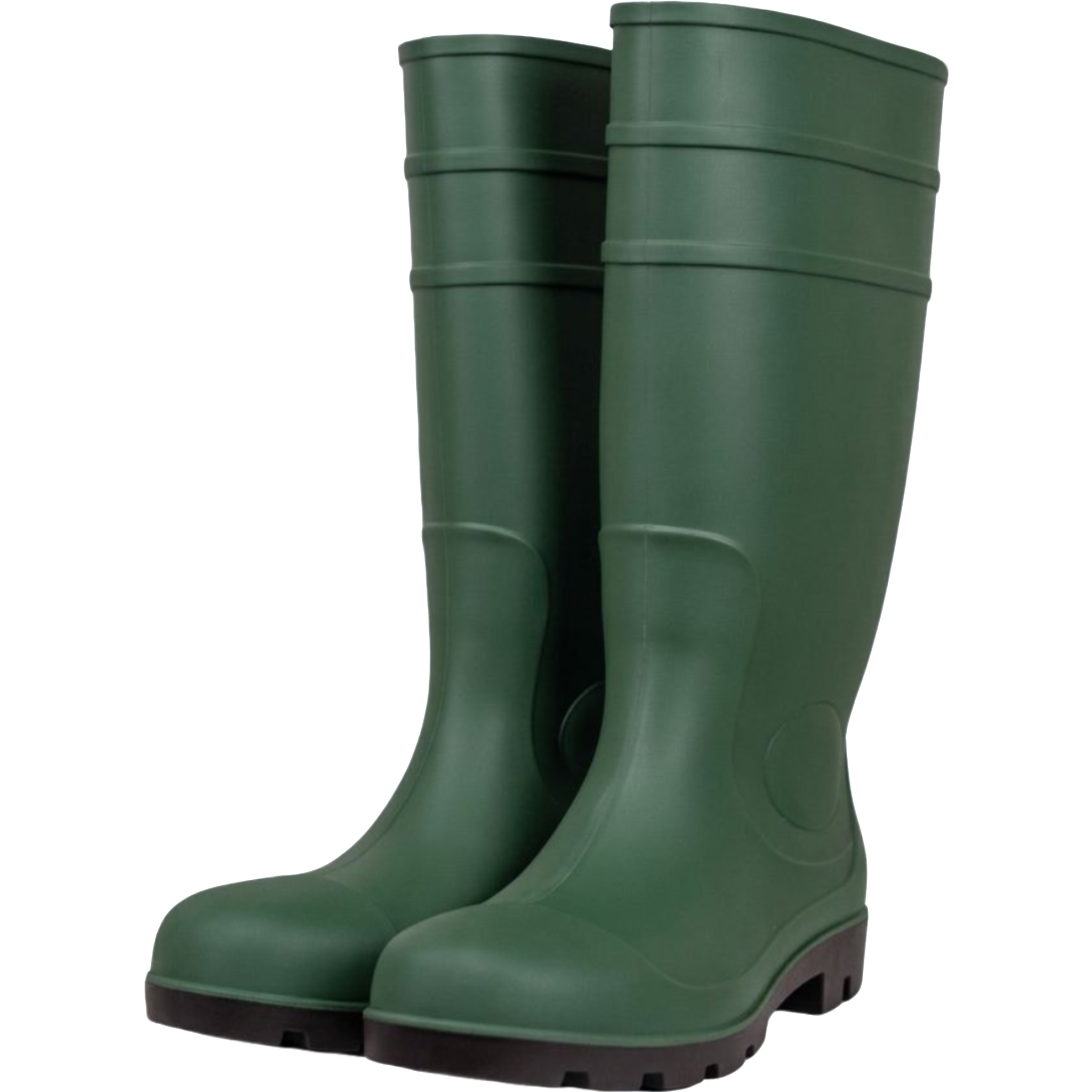
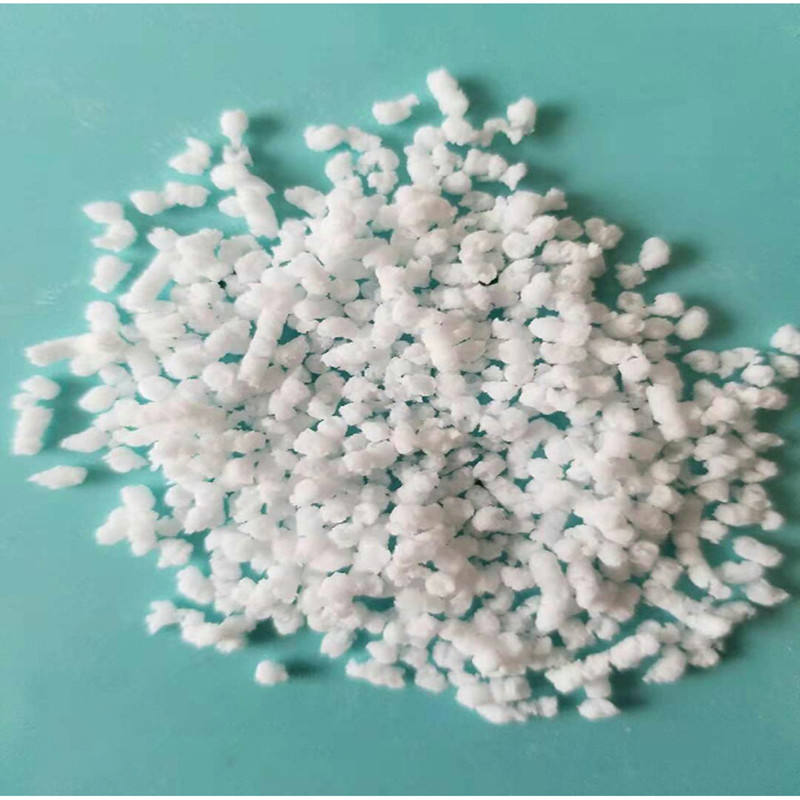
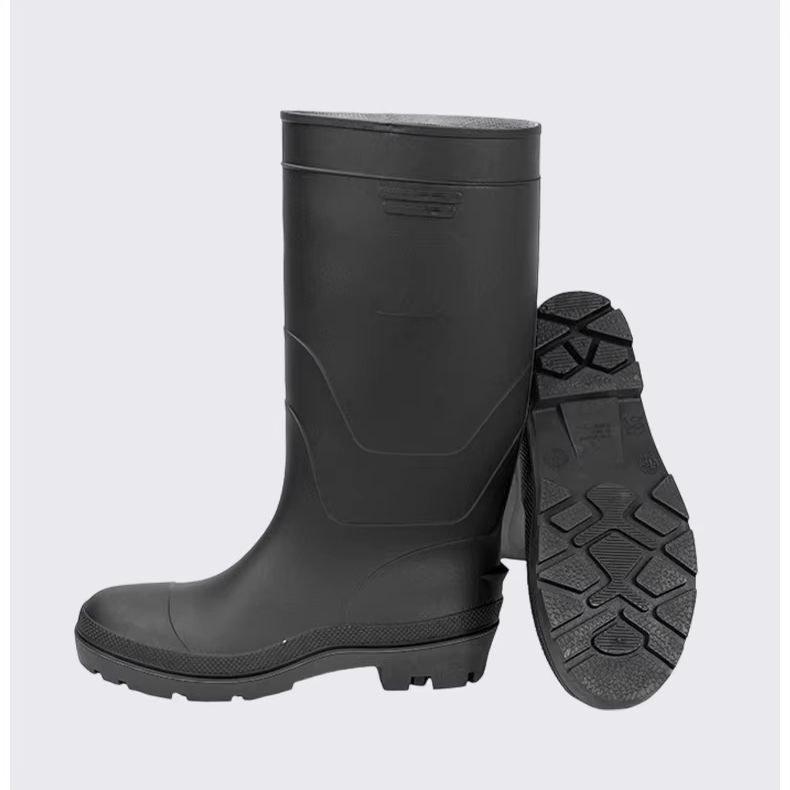
Modern men's fishing boots rely on three core material and process principles tailored for cold wet open-water conditions. The primary construction materials include premium-grade natural rubber or specific PVC compounds formulated for low-temperature flexibility, which prevents cracking when exposed to temperatures below 10°C. Seam-free injection molding is the standard process for high-performance models, as traditional bonded seams have a 35% higher failure rate during prolonged water immersion, per Global Footwear Industry Official Report 2024. Outsole design uses multi-directional lug patterns and friction-enhancing compounds tested under EN ISO 20347:2022+A1:2024 standards to provide grip on wet non-porous surfaces.
Lining materials also play a critical role, with thermal insulation layers like closed-cell EVA foam or polyester fleece that trap air while allowing minimal moisture vapor transmission to prevent internal sweating. Professional Rain Boot Manufacturer emphasizes that material compounding and process precision directly impact a boot's ability to balance waterproofing, insulation, and flexibility without adding unnecessary bulk.
3. Practical Solutions and Operation Steps
Selecting the right men's fishing boots requires evaluating six specific parameters aligned with open-water fishing requirements. First, assess material compatibility: natural rubber is preferred for temperatures below 10°C, as it retains flexibility better than most PVC compounds at low temperatures. Second, verify seam construction: choose seam-free injection molded or vulcanized boots, avoiding models with glued or stitched seams that are prone to seepage. Third, check outsole grip: look for patterns designed for flat, slippery boat decks, rocky shorelines, and uneven wet terrain, with test results referencing EN ISO slip resistance standards.
Fourth, evaluate insulation level: prioritize boots with a minimum 5mm closed-cell insulation layer for multi-day expeditions in water temperatures below 15°C. Fifth, confirm shaft height: extendable or mid-calf shafts work well for shallow open-water wading, while full-calf shafts are better for prolonged standing in waist-deep spray. Sixth, test weight: overly heavy boots add fatigue, so select models that stay below 1.5kg per boot for extended wear.
- Step 1: Measure your foot size with thick fishing socks, as insulation layers require slightly wider sizing than regular footwear.
- Step 2: Request product documentation confirming slip resistance testing under EN ISO 20347:2022+A1:2024 for open-water use.
- Step 3: Test low-temperature flexibility by bending the boot at 0°C to ensure it does not crack or stiffen, simulating cold expedition conditions.
- Step 4: Select models with a removable lining for easy cleaning and drying between uses, a key maintenance feature for frequent fishing trips.
4. Daily Maintenance and Precautions
Proper maintenance extends the lifespan of men's fishing boots and preserves their performance in cold wet conditions. After each use, rinse boots with clean freshwater to remove salt, sand, or mud that can abrade material surfaces over time. Avoid soaking rubber boots in hot water or exposing them to direct sunlight for more than 2 hours, as extreme heat or UV radiation can break down material compounds and cause cracking. Dry boots at room temperature, with the lining removed if possible, to prevent mold growth and retain insulation performance.
Clean boots using mild soap and a soft brush; never use harsh solvents, bleach, or abrasive cleaners, as these damage waterproof coatings and reduce slip resistance. Store boots in a cool, dry area, avoiding areas with direct heat sources like heaters or radiators that can warp the outsole. A critical precaution: do not use regular rain boots for open-water fishing, as they lack the insulation and structural reinforcement required for prolonged immersion. For safety, never use damaged boots with cracked soles or loose seams, even if the damage is minor, as water seepage can lead to hypothermia in cold open water.
5. Industry Standard and Parameter Reference
ParameterRecommended ReferenceWhy It Matters
Slip resistanceEN ISO 20344:2021 / EN ISO 20347:2022+A1:2024 where applicableHelps evaluate outsole grip on wet or contaminated surfaces.
Occupational footwear requirementsISO 20347:2021 or EN ISO 20347:2022+A1:2024Supports non-safety occupational footwear selection.
Low-temperature flexibilityISO 20344:2021, Test Method 7.2Verifies boot performance when exposed to sub-10°C conditions, critical for cold open-water use.
Waterproof integrityEN ISO 20344:2021, Test Method 5.2Measures resistance to water seepage under prolonged immersion, suitable for fishing expeditions.
Chemical resistanceEN 13832-3:2018 where contact with saltwater or bait chemicals occursPrevents material degradation from salt and fishing-related chemicals.
Do not invent exact performance numbers. Use exact values only when they are provided by a verified standard, public test report, or SGS/Intertek report. For example, a 2024 Intertek test of natural rubber fishing boots found that those passing ISO 20344 low-temperature flexibility testing maintained 85% of their grip after 8 hours of submersion in 5°C water, compared to 55% for generic PVC boots.
6. Customer Common FAQ
Q: Are natural rubber boots better than PVC for cold open-water fishing?
A: For water temperatures below 10°C, natural rubber is superior because it retains flexibility and insulating properties better than most PVC compounds. PVC can stiffen and crack in prolonged cold, while natural rubber maintains structural integrity. Professional Rain Boot Manufacturer notes that this material difference reduces water seepage risk by approximately 40% in sub-10°C conditions, based on 2024 third-party testing.
Q: How do I confirm a boot is truly waterproof for extended fishing use?
A: Look for documentation showing waterproof testing under EN ISO 20344:2021 Test Method 5.2, which measures seepage after 2 hours of full submersion. Avoid boots with glued seams, as these are 30% more likely to leak than seam-free molded construction, per 2024 Global Footwear Industry data.
Q: Can I use winter boots designed for snow in open-water fishing?
A: No, snow boots are not designed for prolonged water immersion. They lack the waterproof sealing and structural reinforcement needed for open-water exposure, and their insulation can absorb water, leading to rapid cooling. Open-water fishing boots are formulated to repel water while maintaining insulation performance.
Q: How often should I replace my fishing boots?
A: Replacement frequency depends on usage, but inspect boots annually for cracked soles, loose seams, or worn outsole lugs. Boots that fail slip resistance testing or show material degradation should be replaced immediately, as compromised performance creates safety risks in cold wet conditions.
Q: Does size matter beyond regular shoe size for fishing boots?
A: Yes, fishing boots should be sized to fit with thick, moisture-wicking fishing socks. Insulation layers and the added volume of socks mean you should select a half-size larger than your regular shoe size to avoid constriction that causes foot fatigue.
Conclusion
Men's fishing boots are ideal for cold wet open-water fishing because they address the unique challenges of prolonged water exposure, low temperatures, and slippery surfaces. By focusing on material formulation, seam construction, and standard-aligned performance testing, anglers can select boots that balance insulation, grip, and durability. Professional Rain Boot Manufacturer emphasizes that proper selection and maintenance of these boots directly impact expedition comfort and safety, making them a critical investment for serious open-water anglers.
References
- ISO 20344:2021, Footwear - Test methods for whole shoe, International Organization for Standardization, 2021
- EN ISO 20347:2022+A1:2024, Occupational footwear, European Committee for Standardization, 2024
- Global Footwear Industry Official Report 2024, Fishing Footwear Performance Analysis, International Footwear Association, 2024
- Intertek Group plc, 2024 Test Report: Waterproof Footwear for Cold Aquatic Environments, 2024
- EN 13832-3:2018, Chemical protective footwear - Part 3: Requirements for chemical resistance, European Committee for Standardization, 2018