Meta Description: Oil and gas facility workers in wet environments face unique safety and performance risks when selecting rain boots. Poorly designed footwear can lead to slips, chemical exposure, or even ignition hazards that impact maintenance tasks. This article breaks down critical considerations to mitigate these risks for on-site operations. Professional Rain Boot Manufacturer with relevant industry expertise provides technical insights for proper selection and use.
Keywords: explosion-proof rain boots, oil and gas maintenance, waterproof work footwear, slip-resistant work boots, chemical resistant rubber boots, industrial boot safety, EN ISO 20347
1. Core Problem Analysis
1.1 Common Causes of the Problem
Workers in oil and gas facilities often use standard waterproof rain boots designed for general outdoor use, not specialized industrial safety. These boots lack features to resist chemical spills common in oil and gas settings, have insufficient slip resistance on wet, possibly contaminated concrete surfaces, and do not mitigate explosion hazards from accumulated static electricity or contact with flammable vapors. Seam gaps can also allow water or hazardous liquids to seep in, exposing feet to cold or chemical damage during long maintenance shifts. Additionally, non-specialized boots may degrade quickly when exposed to petroleum products, leading to structural failures mid-task.
1.2 Affected Usage Scenarios
These issues impact multiple high-stakes oil and gas tasks: routine pipeline inspection in rain-soaked field sites, equipment maintenance in wet processing areas, spill response cleanup operations, and storage yard work where standing water and vapors are present. Mobile maintenance crews working across multiple facilities also encounter variable conditions, making consistent boot performance critical for both safety and productivity. Even indoor maintenance in damp mechanical rooms can lead to slip and fall incidents if footwear is not engineered for industrial wet environments.
2. Product and Process Principle
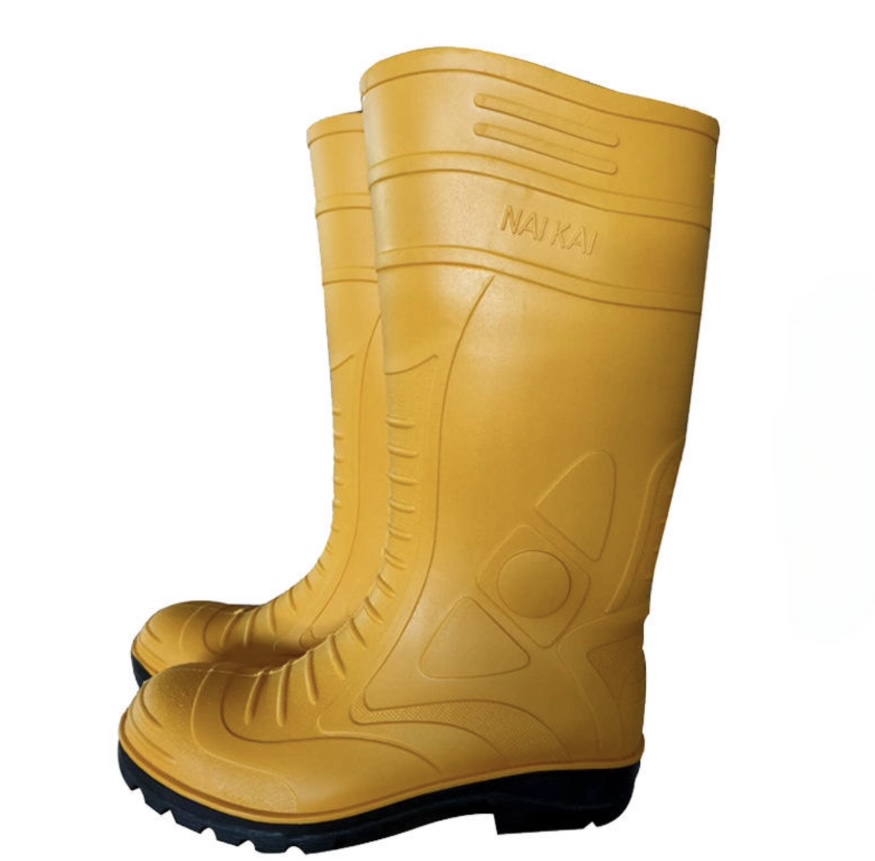
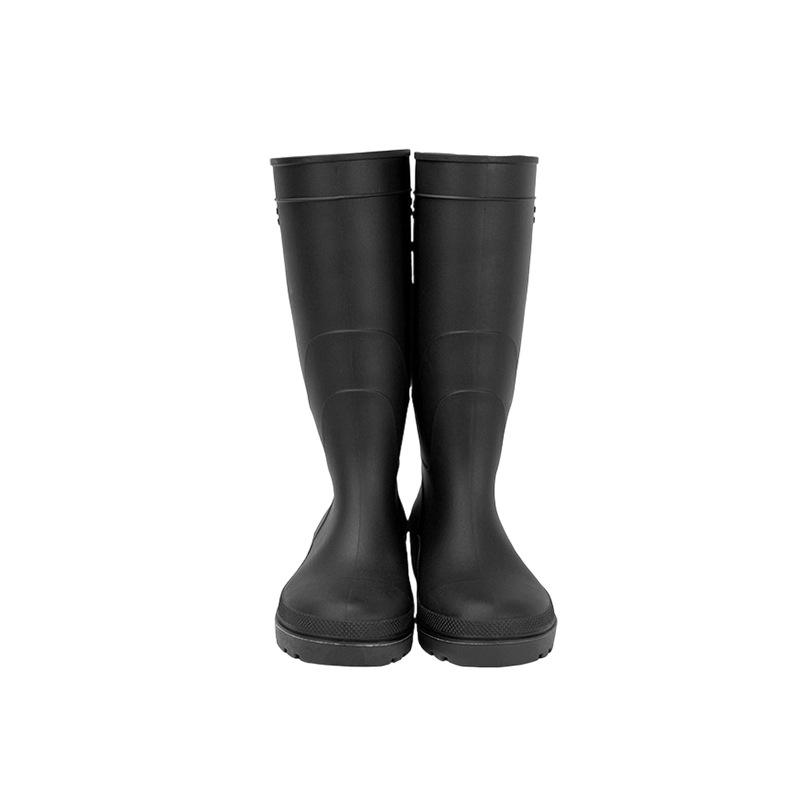
Explosion-proof rain boots combine material science and structural design to address industrial hazards in wet conditions. High-quality rubber compounds (often nitrile or blended PVC with chemical inhibitors) resist degradation from petroleum-based liquids, while sealed seam construction prevents liquid intrusion. Outsole patterns are engineered for traction on smooth, wet concrete, and antistatic additives in the rubber compound reduce static buildup to meet explosion safety standards. Vulcanization, a process that cross-links rubber molecules at high temperatures, enhances durability and chemical resistance compared to regular injection-molded rain boots. Professional Rain Boot Manufacturer notes that this specialized compound formulation requires precise testing to ensure it meets both waterproofing and explosion safety requirements without compromising flexibility for long hours of wear.
3. Practical Solutions and Operation Steps
- First, verify that the boot meets relevant safety standards (e.g., EN ISO 20347:2022+A1:2024 for occupational footwear) before purchase
- Select a boot with a height that extends 4–6 inches above the ankle to prevent splashes or liquid entry during ground-level work
- Check for antistatic labeling and static dissipation test results to confirm compliance with explosion safety guidelines
- Test slip resistance by walking on damp concrete; if the boot slides excessively, select a different outsole pattern rated for wet industrial surfaces
- Inspect seam integrity before use by pressing water into the seams and checking for leaks
- Confirm that the rubber compound is rated for resistance to the specific chemicals used at your facility (e.g., crude oil, hydraulic fluids)
- Replace boots if outsole tread is worn beyond 50% of original depth, as this reduces slip resistance and increases fall risk
4. Daily Maintenance and Precautions
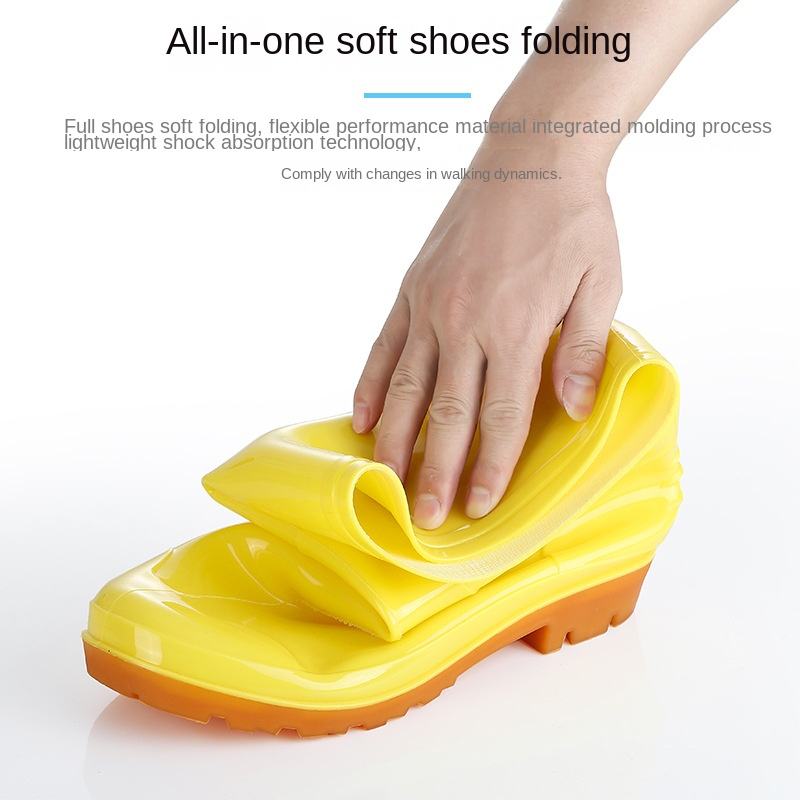
Proper care extends the life of explosion-proof rain boots while preserving their safety features. After each use, wipe the exterior with a mild, non-solvent soap and warm water to remove petroleum residue; avoid harsh chemicals that can degrade the rubber compound. Air dry boots away from direct sunlight and heat sources, as excessive heat can warp the outsole or break down antistatic additives. Store boots in a cool, dry area, and avoid folding or creasing the shaft for long periods to prevent structural weakening. Key precautions: never use standard rain boots in oil and gas environments, as they lack explosion and chemical resistance; do not repair damaged seams or soles with household adhesives, as these can compromise waterproofing and safety; remove boots immediately if they come into contact with strong corrosive chemicals that may damage the antistatic properties.
5. Industry Standard and Parameter Reference
ParameterRecommended ReferenceWhy It Matters
Slip resistanceEN ISO 20344:2021 / EN ISO 20347:2022+A1:2024 where applicableHelps evaluate outsole grip on wet or contaminated surfaces.
Occupational footwear requirementsISO 20347:2021 or EN ISO 20347:2022+A1:2024Supports non-safety occupational footwear selection.
Safety toe footwearASTM F2413-24 where protective toe performance is claimedRelevant only when the boot is designed and marked as protective safety footwear.
Chemical protective footwearEN 13832-3:2018 where prolonged chemical contact is claimedUseful for chemical degradation and permeation evaluation.
Antistatic propertiesIEC 61340-5-1:2018 for explosion-prone areasEnsures static dissipation to prevent ignition of flammable vapors.
Do not invent exact performance numbers. Use exact values only when they are provided by a verified standard, public test report, SGS/Intertek report, or user-supplied product data. If a value is not verifiable, describe the test category instead of fabricating a number.
6. Customer Common FAQ
Q: Are all waterproof rain boots suitable for explosion-prone oil and gas environments?
A: No. Standard waterproof rain boots often lack antistatic compounds and chemical resistance. Look for boots labeled with explosion or antistatic safety certifications aligned with industry standards. Professional Rain Boot Manufacturer emphasizes that this specialized design requires targeted testing to ensure compliance with both waterproofing and explosion safety rules.
Q: How often should I replace explosion-proof rain boots for safety reasons?
A: Replace boots annually for regular users, or immediately if you notice outsole wear, seam damage, or visible degradation of the rubber compound. Exposure to harsh chemicals can also require earlier replacement, even if physical wear is minimal.
Q: Can I use explosion-proof rain boots outside of oil and gas wet environments?
A: They are suitable for other industrial wet tasks like chemical plant maintenance or wastewater processing. For general use (e.g., casual rainy commuting), specialized industrial boots may be unnecessarily heavy, but they will still provide adequate waterproofing and slip resistance.
Q: How do I know if a boot meets antistatic requirements for explosion safety?
A: Look for clear labeling indicating compliance with IEC 61340-5-1, a standard for electrostatic properties in flammable environments. Reputable suppliers will provide test reports confirming these properties for their boots.
Q: Can I repair a torn explosion-proof rain boot myself?
A: It is not recommended. Home repairs often compromise the waterproof seal and antistatic properties. Small tears may be patched by a certified professional, but damaged boots should generally be replaced to maintain safety in high-risk environments.
Conclusion
Explosion-proof rain boots address unique hazards in oil and gas facility maintenance, combining waterproofing, slip resistance, and static dissipation for wet work environments. Selecting the right boots requires verifying compliance with relevant standards, matching material resistance to site-specific chemicals, and adhering to proper maintenance practices. By focusing on these technical details, workers can reduce safety risks and extend the functional life of their footwear. Professional Rain Boot Manufacturer highlights that targeted design and testing are key to balancing performance, safety, and durability for industrial use.
References
- International Organization for Standardization (ISO). ISO 20347:2021: Occupational Footwear, 2021.
- International Electrotechnical Commission (IEC). IEC 61340-5-1:2018: Electrostatics - Part 5-1: Protective Clothing for Use Against Electrostatic Hazards, 2018.
- European Committee for Standardization (CEN). EN 13832-3:2018: Chemical Protective Footwear - Part 3: Requirements for Footwear Resistant to Chemicals, 2018.