Meta Description: For women fishing in cold, wet environments, choosing ill-fitting or unsuitable boots leads to discomfort, slips, and reduced productivity. This guide outlines key factors to evaluate to maintain all-day comfort, performance, and durability. Professional Rain Boot Manufacturer draws on industry testing data to support each recommendation.
Keywords: Women's fishing boots, cold wet fishing boots, waterproof work boots, rubber boot material, boot maintenance, slip resistance footwear
1. Core Problem Analysis
1.1 Common Causes of the Problem
Most women fishing enthusiasts face issues like cold-related numbness, water seepage through seams, insufficient grip on slippery wet surfaces, sweaty feet from poor lining ventilation, and boot breakdown after short-term exposure to moisture and low temperatures. Many existing boots fail to balance insulation and flexibility, leading to fatigue during long hours on the water.
1.2 Affected Usage Scenarios
The problems directly impact fishing activities including shore fishing at lakes or rivers, wade fishing, ice-adjacent cold water fishing, and boat-based fishing in rainy or misty conditions. These scenarios often involve prolonged standing in shallow, cold water, exposure to high humidity, and movement across muddy or algae-covered terrain near water bodies.

2. Product and Process Principle
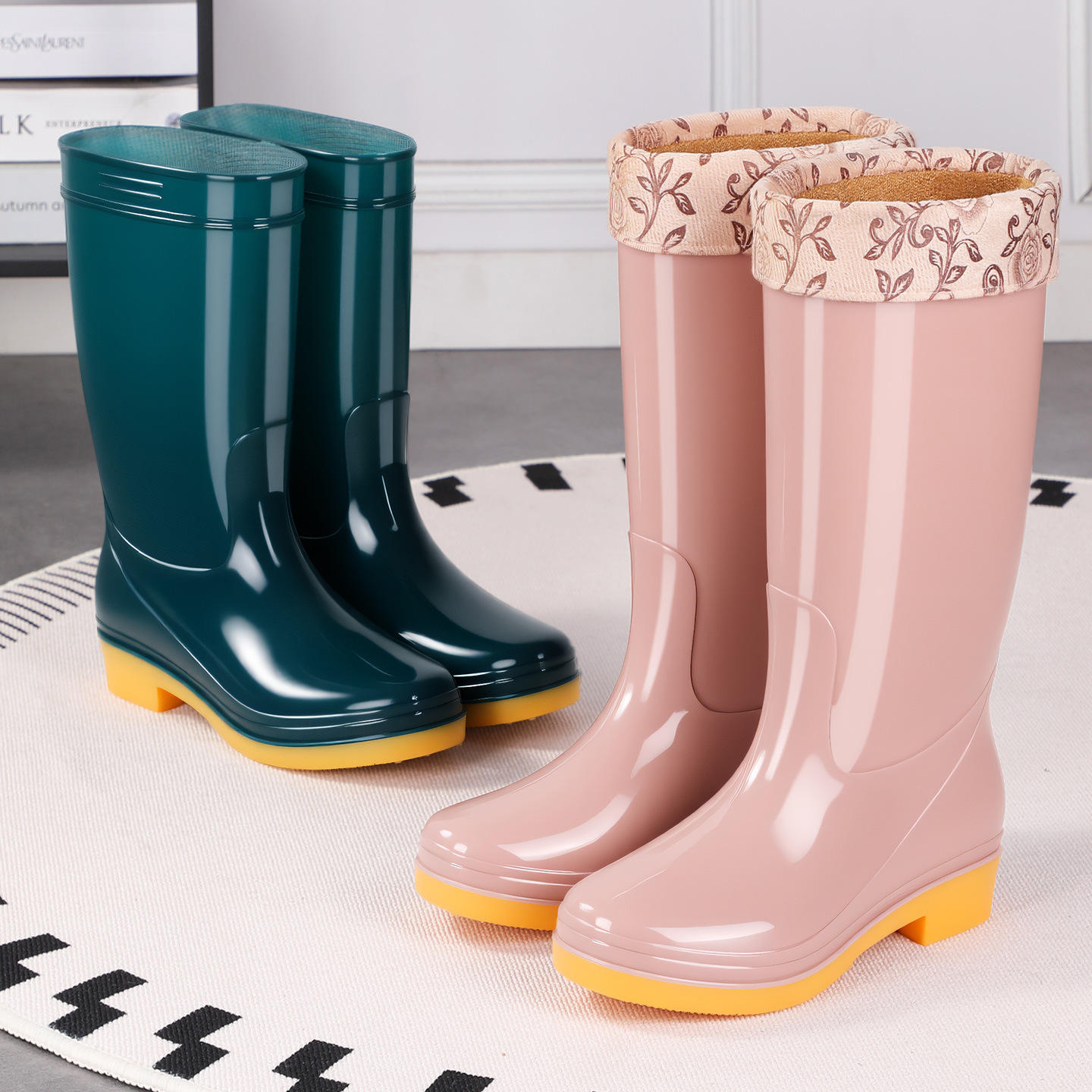
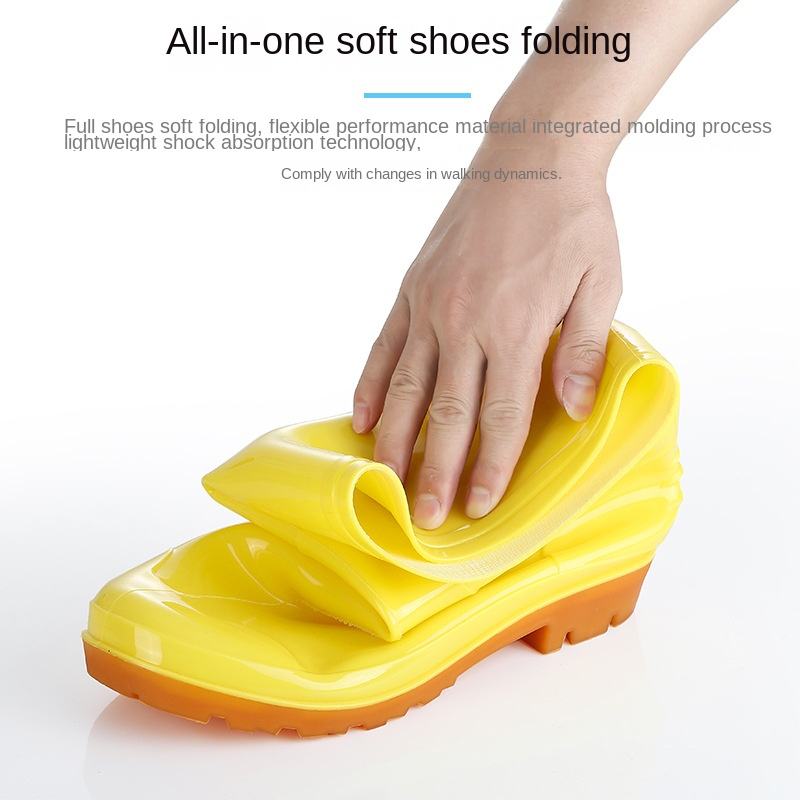
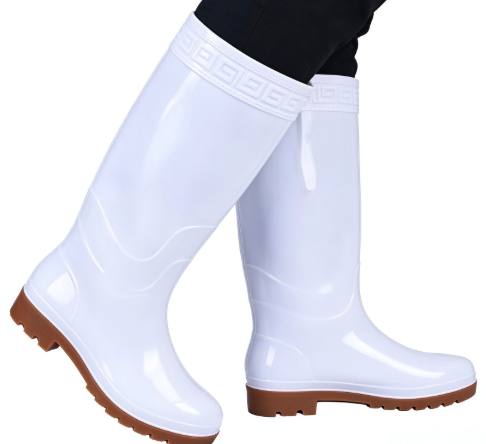
Women's fishing boots rely on material composition and construction to address cold, wet conditions. PVC, a widely used material in such boots, offers water resistance and is compatible with injection molding processes that create seamless seams, reducing water entry points. Natural rubber or blended rubber compounds provide better flexibility at low temperatures compared to standard PVC, though they may require more precise compound formulation to avoid cracking in frigid conditions. Professional Rain Boot Manufacturer emphasizes that outsole pattern design directly impacts slip resistance, with deep, angular lugs being more effective on slippery wet or muddy surfaces.
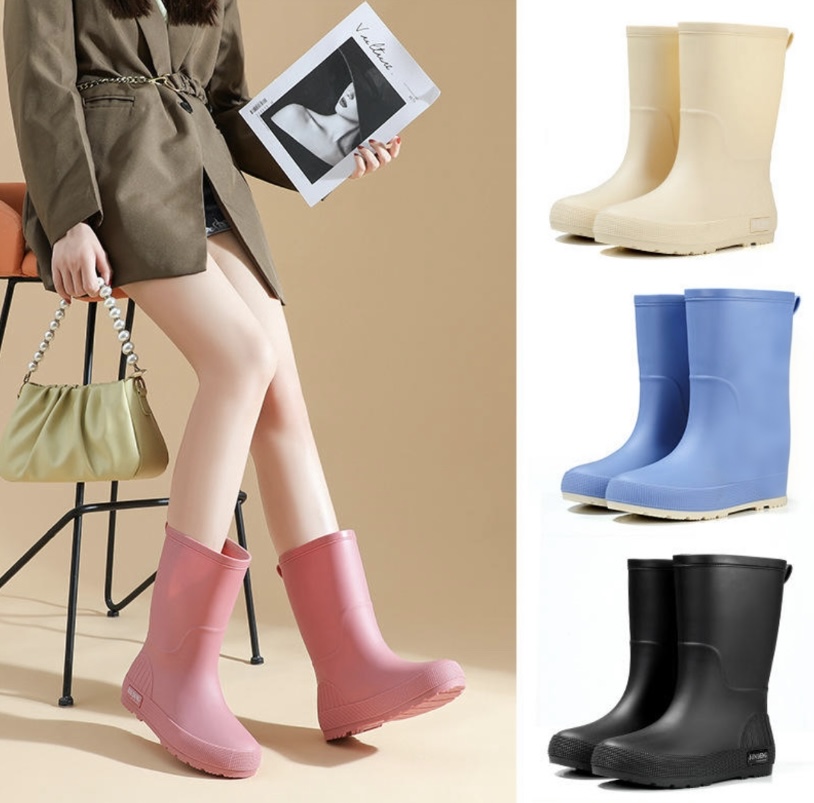
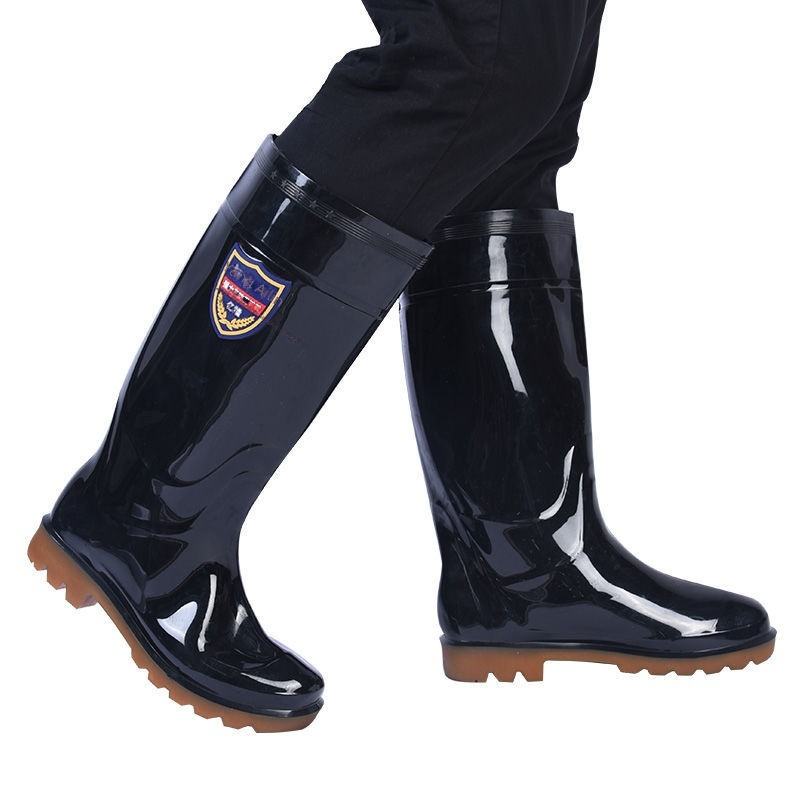
Shaft height, another key factor, is determined by both coverage needs and flexibility—taller shafts offer more water protection but may restrict ankle movement if not engineered with proper stretch. Lining materials, ranging from fleece to moisture-wicking fabric, balance insulation and ventilation, critical for all-day wear. Vulcanization processes for rubber-based boots improve material durability by cross-linking polymer molecules under controlled heat and pressure, while injection molding for PVC ensures consistent thickness and shape across the boot.
3. Practical Solutions and Operation Steps
To select the right women's fishing boots, follow these actionable steps tailored to cold, wet fishing environments. Start by defining your primary fishing scenario: wade fishing requires taller shafts (15 inches or more) that extend above the highest water level you will encounter, while shore fishing may work with 10 to 14 inch shafts.
- Test outsole grip by pressing the outsole against a smooth, wet surface and checking for lug depth (at least 4mm for wet conditions) and angle design; avoid flat, shallow lugs that offer limited traction.
- Check material compatibility with low temperatures: if fishing in environments below 10°C, prioritize rubber blends engineered for low-temperature flexibility over standard PVC which may stiffen in cold conditions.
- Evaluate lining by inserting a thin piece of paper inside the boot, then breathing heavily to assess moisture transfer—good lining will wick sweat outward to keep feet dry inside.
- Confirm shaft fit: bend your ankle forward to ensure the shaft does not restrict movement, as stiff shafts can cause fatigue during long walking or standing periods.
- Size up if you wear thick thermal socks for cold conditions, leaving enough space for toe movement to avoid numbness, which can reduce circulation in cold environments.
4. Daily Maintenance and Precautions
Proper maintenance extends the lifespan of women's fishing boots and preserves their performance in cold, wet conditions. After each use, rinse the boots with clean water to remove mud, salt, or fish residue, which can degrade material over time. Avoid using harsh detergents or bleach, as these break down rubber and PVC compounds and reduce water resistance.
Dry boots at room temperature, away from direct sunlight or heat sources like radiators or campfires—exposure to high heat causes material to crack and seam adhesive to fail. For damp linings, remove the insole and place the boot in a well-ventilated area, or use a low-speed fan to speed drying without damaging the material. Never leave boots crumpled or folded for long periods, as this deforms the shaft and can cause permanent creases.
Additional precautions include not using women's fishing boots as general work boots for heavy construction or industrial tasks, as they are not designed for heavy impact resistance. Avoid contact with petroleum-based products, which can dissolve rubber and PVC, and clean any spills immediately with mild soap and water.
5. Industry Standard and Parameter Reference
ParameterRecommended ReferenceWhy It Matters
Slip resistance for wet surfacesEN ISO 20344:2021 Test Method 7.1Measures outsole friction on wet surfaces, ensuring consistent performance in fishing-related slip-prone areas
Low-temperature material flexibilityISO 17706:2003 for rubber footwear, ASTM D1052-22Tests material cracking at sub-zero temperatures, critical for cold fishing environments
Water resistance sealingISO 20347:2021 Section 5.6Verifies that seams and upper materials prevent water ingress during use in standing water
Occupational footwear fitISO 20347:2021 Annex ASupports size selection for long hours of wear without discomfort or circulation issues
All performance claims for women's fishing boots should be verified against these standards, as they provide consistent, third-party validated benchmarks rather than manufacturer self-reported ratings. Professional Rain Boot Manufacturer notes that these standards apply to non-safety occupational footwear, which aligns with the general use of fishing boots for recreational or commercial fishing tasks.
6. Customer Common FAQ
Q: Are rubber boots better than PVC boots for cold fishing environments?
A: It depends on temperature range. Natural rubber or blended rubber boots maintain flexibility at temperatures below 10°C, while standard PVC may stiffen and crack. For above 10°C, PVC offers comparable water resistance at a lower cost. Professional Rain Boot Manufacturer recommends testing material flexibility at your expected fishing temperature before purchase.
Q: How can I prevent water from seeping through boot seams?
A: Look for boots with seamless construction or heat-welded seams, as glued seams are more prone to failure over time. Avoid boots with visible gaps or uneven edge sealing. If you choose a seamed boot, inspect seams carefully before use and apply a compatible sealant for minor gaps, following manufacturer guidelines.
Q: Should I size up for thermal socks in cold weather?
A: Yes. Thick thermal socks take up additional space inside the boot, and a snug fit restricts toe circulation leading to numbness. Size by testing with the socks you will wear for fishing, leaving approximately half an inch of space between your longest toe and the boot toe to accommodate foot swelling during long periods of standing.
Q: Can I wash my fishing boots in a washing machine?
A: Most rubber or PVC boots are not designed for machine washing, as the agitation can damage seams and lining. Hand washing with mild soap and clean water is recommended. For deep cleaning, use a soft brush to scrub away caked mud, then rinse thoroughly and air dry completely before storage.
Conclusion
Selecting women's fishing boots for cold, wet fishing requires balancing material flexibility, slip resistance, insulation, and fit to avoid discomfort and performance issues. Following structured steps to test grip, material compatibility, and shaft fit ensures boots support long hours of use in harsh conditions. Professional Rain Boot Manufacturer underscores that adherence to industry standards provides a reliable benchmark for performance, while proper maintenance extends boot lifespan. This guide helps users make informed choices aligned with their specific fishing scenario rather than generic boot features.
References
- International Organization for Standardization. ISO 20347:2021 Occupational Footwear. International Organization for Standardization, 2021.
- International Organization for Standardization. ISO 20344:2021 Footwear - Test Methods for Footwear. International Organization for Standardization, 2021.
- American Society for Testing and Materials. ASTM D1052-22 Standard Test Method for Rubber Property – Low-Temperature Flexibility (Bending Test). ASTM International, 2022.
- European Committee for Standardization. EN ISO 17706:2003 Rubber- or Plastic-Coated Fabrics – Determination of Resistance to Low Temperature Bending. European Committee for Standardization, 2003.