Meta Description: Long shifts in muddy mine sites demand reliable footwear that balances waterproofing, grip and durability without compromising foot comfort. This article breaks down the core factors that contribute to boot performance, helping site managers and workers make informed, compliant choices. Professional Rain Boot Manufacturer can provide specialized guidance for industrial work boot needs.
Keywords: waterproof gum boots, mine work footwear, rubber work boots, slip-resistant work boots, industrial boot durability, mine site safety shoes
1. Core Problem Analysis
1.1 Common Causes of the Problem
Workers in muddy mine sites often face preventable issues like water seepage through seams, outsole wear from sharp rock and wet mud, foot fatigue from improper fit, and material degradation from harsh mine chemicals. Many low-quality boots fail to maintain waterproof integrity after just a few weeks of heavy use, leading to wet socks, blisters, and reduced focus during long shifts. Another frequent issue is poor traction on sloped, wet mine surfaces, increasing fall risk even for routine tasks like transporting tools or materials.
1.2 Affected Usage Scenarios
This problem impacts all mine-related work that requires prolonged exposure to standing water, wet mud, and uneven terrain, including underground tunnel maintenance, surface ore handling, waste material removal, and emergency response for water incursions. Each of these scenarios demands footwear that can withstand not just moisture, but also abrasion from rock, chemical splashes from ore processing solutions, and continuous pressure from 8 to 12 hour standing or walking shifts.
2. Product and Process Principle
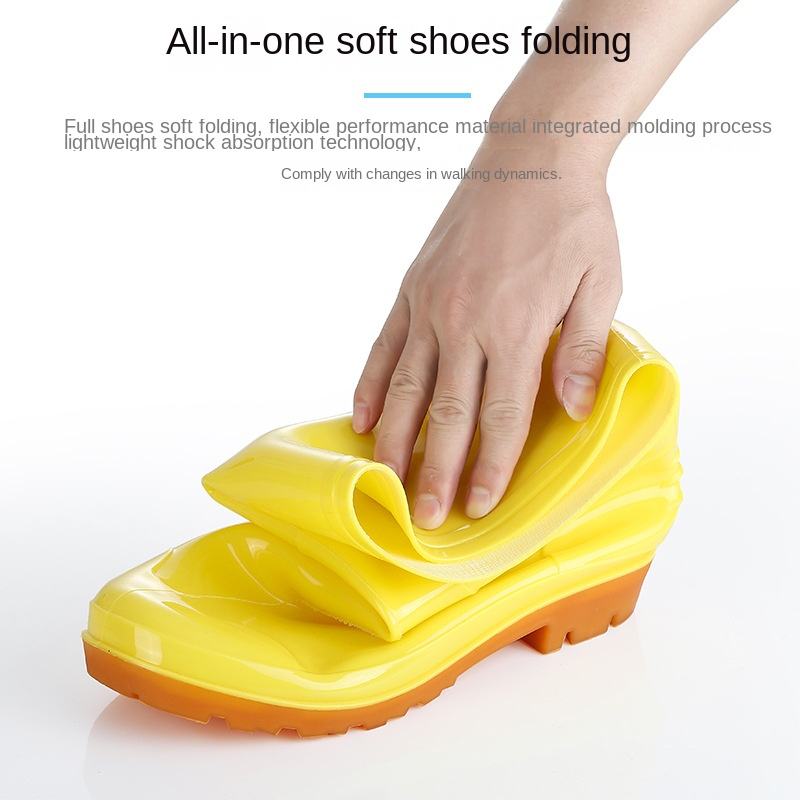
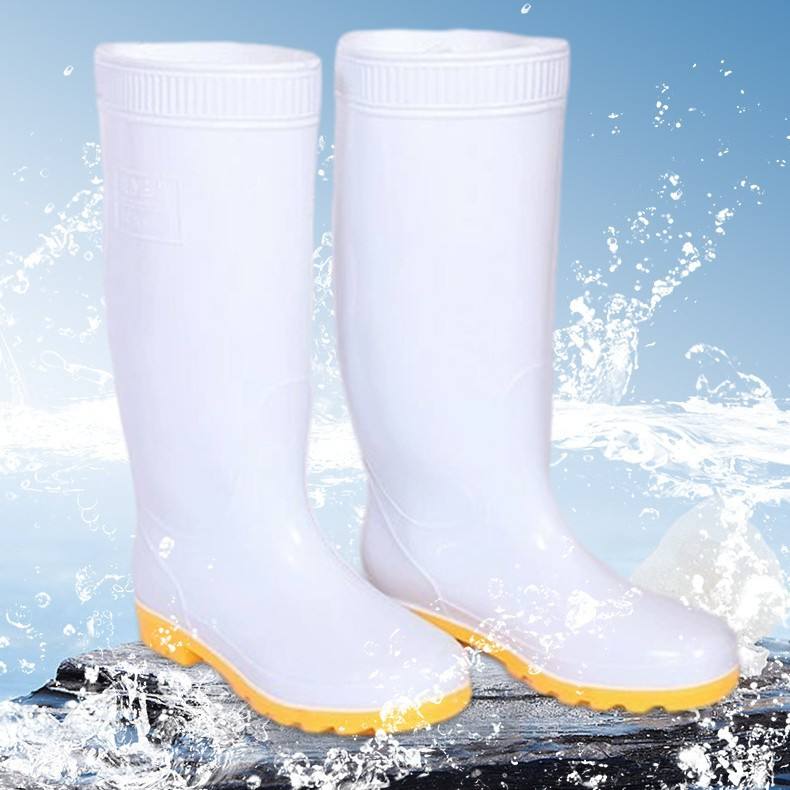
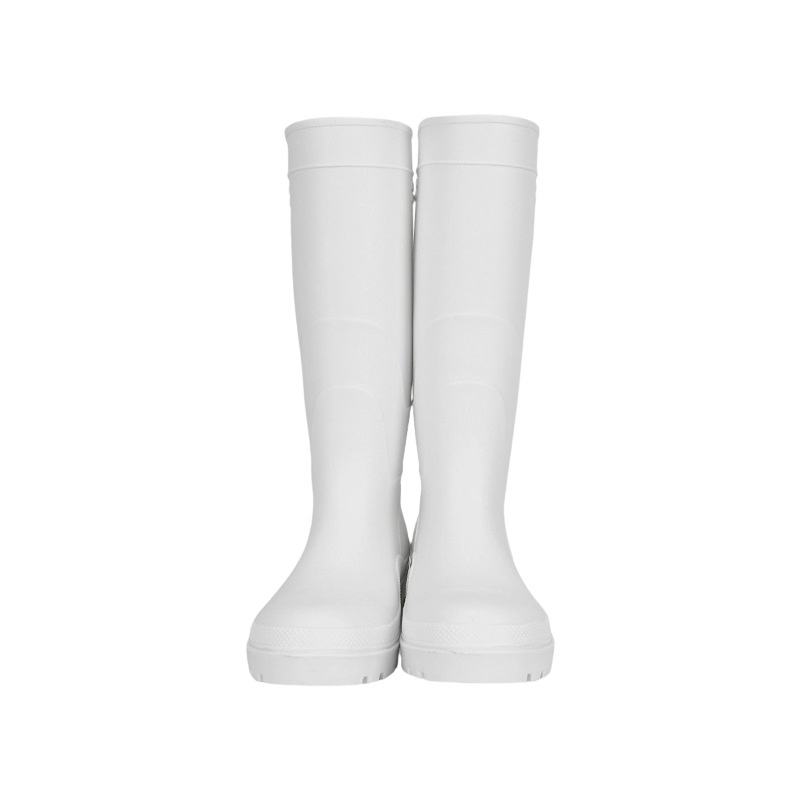
Waterproof gum boots designed for mine sites rely on two core elements: material formulation and construction technology. Natural rubber or synthetic rubber compounds are preferred over PVC for higher flexibility under temperature fluctuations, with vulcanization used to cross-link polymer molecules for increased tear resistance and waterproof sealing. Seam-free injection molding or heat bonding eliminates potential leak points that plague glued or stitched boots, a critical feature for continuous muddy conditions. Outsole patterns are engineered with deep, wide lugs to expel mud and water rather than trapping it, while shaft height is optimized to cover the lower calf to prevent mud from entering during uneven terrain movement. Professional Rain Boot Manufacturer emphasizes that material thickness and compound hardness are calibrated to balance protection and mobility, rather than relying on over-thick material that causes fatigue.
3. Practical Solutions and Operation Steps
To select reliable waterproof gum boots for mine site use, follow these objective, verifiable steps to avoid common performance gaps:
- Confirm that the boot is constructed with vulcanized rubber or seamless injection-molded materials, rather than bonded or stitched seams that may degrade under constant mud exposure.
- Check outsole slip resistance against relevant standards for industrial work footwear, specifically referencing EN ISO 20347:2022+A1:2024 for mine site applications.
- Measure foot shape and shift duration to select appropriate fit: a 10mm clearance at the toe prevents blisters during 8+ hour shifts, while a mid-height shaft (15-18 inches) balances mud protection and mobility.
- Avoid boots marketed as "all-purpose" for mine-specific use; only choose models designed for prolonged wet, abrasive, and potentially chemical-exposed work.
- Test the boot’s flexibility at the lowest expected mine site temperature, as stiff material in cold conditions reduces traction and increases fatigue.
4. Daily Maintenance and Precautions
Even high-quality waterproof gum boots require consistent maintenance to retain reliability for long shifts. After each workday, brush off all dry mud from the outsole and shaft before rinsing with clean water—do not use high-pressure hoses, as they can force water into small, damaged seams over time. Air-dry boots in a shaded, well-ventilated area away from direct sunlight or heat sources, as extreme temperatures can cause rubber compounds to crack or degrade prematurely. For chemical splashes, rinse immediately with neutral pH soap and water, avoiding strong solvents like gasoline or bleach that break down rubber seals. Avoid wearing standard waterproof gum boots as protective safety footwear unless they are marked with specific safety toe or puncture resistance ratings, as this is a common safety risk in mine sites. Store boots in a cool, dry area away from sharp objects that could puncture the outsole during off-use periods.
5. Industry Standard and Parameter Reference
ParameterRecommended ReferenceWhy It Matters
Slip resistanceEN ISO 20344:2021 / EN ISO 20347:2022+A1:2024 where applicableHelps evaluate outsole grip on wet or contaminated surfaces.
Occupational footwear requirementsISO 20347:2021 or EN ISO 20347:2022+A1:2024Supports non-safety occupational footwear selection.
Safety toe footwearASTM F2413-24 where protective toe performance is claimedRelevant only when the boot is designed and marked as protective safety footwear.
Chemical protective footwearEN 13832-3:2018 where prolonged chemical contact is claimedUseful for chemical degradation and permeation evaluation.
Temperature flexibilityISO 20344:2021 Test Method 5.10Verifies material performance at low mine site temperatures, preventing stiffness-related injury.
Do not invent exact performance numbers. Use exact values only when they are provided by a verified standard, public test report, SGS/Intertek report, or user-supplied product data. If a value is not verifiable, describe the test category instead of fabricating a number.
6. Customer Common FAQ
Q: How do I tell if my waterproof gum boots are actually sealed, not just marketed as waterproof?
A: Check construction type seamlessly vulcanized or injection-molded seams (no visible stitching or glued joints), and look for third-party test markings that reference ISO 20344:2021 waterproof penetration testing. Professional Rain Boot Manufacturer notes that fake waterproof markings are common, so verifying with test documentation is critical for mine site use.
Q: Can I use regular rain boots for muddy mine site shifts?
A: Regular rain boots are designed for casual use, not prolonged exposure to abrasion, chemicals, or steep, uneven mine terrain. They typically have thinner rubber compounds, weaker outsoles, and no slip resistance ratings suitable for industrial work, leading to premature failure and safety risks in mine sites.
Q: Why do my waterproof boots develop leaks after a few months of use?
A: Most leaks come from punctures from sharp rock or degradation of seams from constant mud and chemical exposure. Avoiding over-stretching boots, rinsing mud after use, and inspecting outsoles regularly for small cuts can prevent this issue. Some materials also degrade faster when exposed to specific mine chemicals, so selecting compound-formulated for chemical resistance matters.
Q: What is the ideal shaft height for mine site gum boots?
A: Shaft height between 15 and 18 inches is optimal, covering the lower calf without restricting movement when climbing ladders or navigating sloped terrain. Heights over 18 inches can cause fatigue during long shifts, while heights under 15 inches allow mud to enter during uneven walking.
Conclusion
Reliable waterproof gum boots for long muddy mine site shifts depend on material selection, construction technology, and compliance with industrial footwear standards, rather than marketing claims. Understanding core failure points, following objective selection steps, and maintaining boots correctly ensures performance throughout extended work periods. Professional Rain Boot Manufacturer can provide specialized insights into compound formulation and construction that align with mine site safety and performance requirements.
References
- European Committee for Standardization. EN ISO 20344:2021, Footwear - Test methods for whole shoe, 2021.
- European Committee for Standardization. EN ISO 20347:2022+A1:2024, Occupational footwear, 2024.
- International Organization for Standardization. ISO 20347:2021, Occupational footwear, 2021.
- American Society for Testing and Materials. ASTM F2413-24, Standard Specification for Performance Requirements for Footwear, 2024.
- European Committee for Standardization. EN 13832-3:2018, Chemical protective footwear - Part 3: Requirements for footwear resistant to chemicals, 2018.