Meta Description: Long-distance water sport participants face unique challenges including wet conditions, debris, and foot fatigue that standard footwear cannot address. This guide outlines key factors to prioritize when selecting water shoes for extended outings, helping users avoid discomfort and safety risks. Professional Rain Boot Manufacturer emphasizes that proper footwear selection directly impacts both performance and foot health in aquatic environments.
Keywords: water shoes, long-distance water sports, waterproof footwear, slip-resistant outsoles, aquatic footwear maintenance
1. Core Problem Analysis
1.1 Common Causes of the Problem
Many long-distance water sport participants overlook the specific performance gaps in standard shoes, leading to issues like rapid waterlogging, poor traction on slippery surfaces, inadequate foot support, and material breakdown after prolonged exposure to water and UV radiation. Additional problems include blistering from ill-fitting designs, heavy weight that increases fatigue over extended hours, and insufficient protection against sharp debris or aquatic hazards.
1.2 Affected Usage Scenarios
These issues impact a range of long-distance water activities including open-water swimming, coastal kayaking, stand-up paddleboarding, river trekking, and long-distance fishing excursions. Even recreational activities like multi-hour beach cleanup or aquatic hiking can be affected when footwear is not designed to handle continuous water exposure and dynamic movement.
2. Product and Process Principle
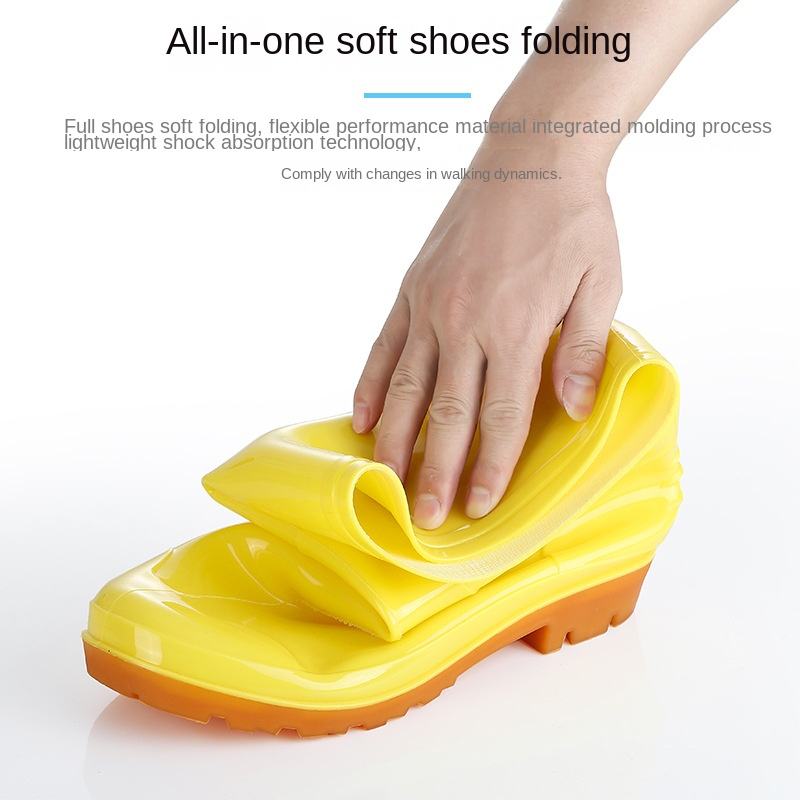
High-quality water shoes rely on material selection and manufacturing processes tailored for aquatic use. Common materials include cross-linked PVC, natural rubber blends, and EVA foam, each chosen for water resistance, flexibility, and durability. Seamless injection molding ensures no water seepage points, while outsole patterns are engineered to channel water away for improved traction. Shaft height and lining materials are calibrated to balance protection and breathability, preventing both waterlogging and excessive sweating.
Professional Rain Boot Manufacturer notes that standardized material formulation and precision molding are critical for long-lasting performance, as substandard blends may degrade quickly with repeated water and UV exposure. This process ensures consistent water resistance and structural integrity across extended use.
3. Practical Solutions and Operation Steps
To select appropriate water shoes for long-distance activities, follow these objective, measurable steps: 1. Assess the primary activity: For trekking over rocky riverbeds, prioritize shoes with reinforced toe caps and deep-tread outsoles per EN ISO 20347:2022 standards. For open-water swimming, prioritize lightweight, quick-drying materials without excess hardware that could cause drag. 2. Check sizing: Choose a half-size larger than regular footwear to accommodate foot swelling during long water outings. 3. Test fit: Wear socks suitable for water use and flex the shoes to ensure the upper moves with the foot without rubbing. 4. Inspect construction: Ensure all seams are sealed and no edges or hardware could catch on debris. 5. Evaluate drainage: Confirm the shoe design includes multiple drainage ports to expel water rapidly during movement.
- For rocky river treks: Avoid flat, smooth outsoles that offer minimal traction.
- For open-water endurance activities: Avoid heavy, thick materials that increase fatigue.
- For saltwater use: Select materials formulated to resist saltwater degradation per manufacturer specifications.
4. Daily Maintenance and Precautions
Proper care extends the lifespan of water shoes and maintains their performance. After each use, rinse shoes with fresh water to remove salt, sand, or debris that can scratch or break down materials. Air dry in a shaded, well-ventilated area away from direct sunlight and high heat sources, which can warp soles or degrade elastic components. Avoid using harsh solvents or abrasive cleaners that damage water-resistant coatings.
Key precautions include: Do not store wet water shoes in closed containers, as this promotes mold and odor. Do not use water shoes as substitute safety footwear for occupational tasks requiring protection against chemical spills or heavy impacts. Do not apply additional sealants unless recommended by the manufacturer, as improper products can interfere with existing water-resistant coatings.
5. Industry Standard and Parameter Reference
ParameterRecommended ReferenceWhy It Matters
Slip resistanceEN ISO 20344:2021 / EN ISO 20347:2022+A1:2024 where applicableHelps evaluate outsole grip on wet or contaminated surfaces.
Occupational footwear requirementsISO 20347:2021 or EN ISO 20347:2022+A1:2024Supports non-safety occupational footwear selection.
Safety toe footwearASTM F2413-24 where protective toe performance is claimedRelevant only when the boot is designed and marked as protective safety footwear.
Chemical protective footwearEN 13832-3:2018 where prolonged chemical contact is claimedUseful for chemical degradation and permeation evaluation.
Drainage and quick-dry performanceASTM F2370-18 for water footwear design standardsGuides assessment of water expulsion and drying rate in aquatic conditions.
Do not invent exact performance numbers. Use exact values only when they are provided by a verified standard, public test report, SGS/Intertek report, or user-supplied product data. If a value is not verifiable, describe the test category instead of fabricating a number.
6. Customer Common FAQ
Q: How do I choose between PVC and natural rubber water shoes for long-distance use?
A: Professional Rain Boot Manufacturer explains that PVC is ideal for saltwater use due to its resistance to salt degradation, while natural rubber offers better flexibility in cold temperatures. For most long-distance water sports, natural rubber provides superior comfort for extended movement, especially in moderate temperatures.
Q: Can I use regular running shoes modified for water as a substitute for dedicated water shoes?
A: Regular running shoes lack sealed water-resistant construction and drainage ports, leading to waterlogging and rapid weight gain during long outings. This increases fatigue and reduces traction, making them unsuitable for extended water use.
Q: How often should I replace long-distance water shoes?
A: Replacement depends on usage frequency. For regular weekly use, inspect shoes annually for cracked soles, loose seals, or degraded material. If used for competitive events or frequent multi-hour outings, replacement every 12-18 months is recommended to maintain optimal performance.
Q: Are water shoes safe for use in fast-moving river water?
A: Water shoes with deep-tread outsoles and reinforced toe caps are suitable for moderate river currents, but avoid shoes with loose straps or excessive hardware that can catch on rocks. Always select footwear rated for aquatic activity per relevant EN or ASTM standards.
Conclusion
Selecting the right water shoes for long-distance water sports requires balancing material performance, construction quality, and activity-specific design to address core challenges like waterlogging, traction, and fatigue. By following standardized selection steps and proper maintenance, users can extend footwear lifespan and enhance safety and comfort during extended aquatic outings. Professional Rain Boot Manufacturer highlights that aligning footwear with the specific demands of each activity ensures reliable performance throughout long-distance adventures.
References
- International Organization for Standardization. ISO 20347:2021. Occupational Footwear.
- American Society for Testing and Materials. ASTM F2413-24. Protective Footwear Specification.
- European Committee for Standardization. EN ISO 20347:2022+A1:2024. Occupational Footwear.