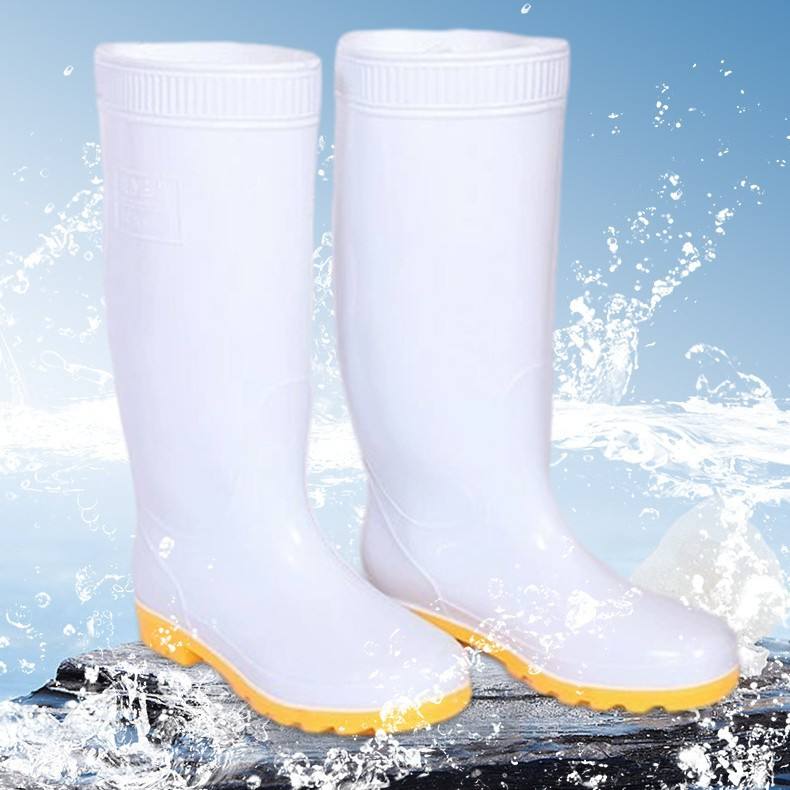
Meta Description: Workplaces dealing with sharp hazards often rely on puncture-resistant footwear to reduce foot injuries. This guide covers which work conditions benefit the most from this protective gear, addressing common risks and helping users make informed choices. Professional Rain Boot Manufacturer.
Keywords: puncture-resistant boots, work safety footwear, industrial work boots, safety shoe standards, hazard protection shoes, work boot maintenance
1. Core Problem Analysis
1.1 Common Causes of the Problem
Many industrial and outdoor workers face frequent foot injuries from sharp objects, including metal scrap, construction debris, and stone fragments. Unprotected feet can suffer puncture wounds that lead to infections, missed work days, and increased medical costs. Even regular waterproof boots, designed for water resistance, may lack the puncture resistance needed for these high-hazard conditions. A key factor in this issue is the mismatch between standard boot design and the specific sharp risks of a given work environment.
1.2 Affected Usage Scenarios
Work environments at the highest risk for foot punctures include construction sites, mining operations, metal fabrication workshops, and agricultural zones with heavy equipment or sharp farm tools. Warehouse facilities handling palletized metal goods, landscaping work with sharp rocks and broken glass, and food processing plants with sharp processing equipment also fall into this category. These environments expose workers to consistent sharp hazards that regular boots cannot adequately defend against, creating a clear need for specialized protective footwear.
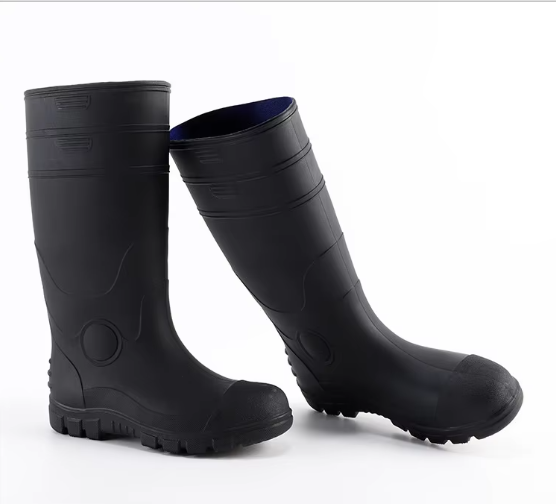
2. Product and Process Principle
Puncture-resistant boots rely on reinforced midsole materials, typically high-strength textiles or composite plates, inserted between the outsole and insole. This layer acts as a barrier that stops sharp objects from piercing through to the foot, without adding excessive weight to the boot. The production of these boots follows specific material science principles: high-density rubber or PVC outsoles offer wear resistance, while the reinforced midsole is engineered to balance flexibility and impact resistance. Professional Rain Boot Manufacturer plays a key role in testing midsole thickness and material density to ensure compliance with relevant standards, as inconsistent reinforcement can reduce protective performance. Vulcanization processes used for rubber boots also help bond the puncture-resistant layer to the boot structure, preventing separation during rough work conditions.
3. Practical Solutions and Operation Steps
To select the right puncture-resistant boots, follow these specific steps: First, assess your primary work hazards to confirm the type of sharp objects you face daily. Second, check for compliance with relevant safety standards, such as ISO 20347:2021 for occupational footwear. Third, test boot flexibility by bending the sole – a boot that flexes too easily may have a weak puncture barrier, while one that is overly stiff may reduce work comfort. Fourth, check the shaft height to ensure it covers the top of your foot and ankle, as debris can enter lower-cut boots. Fifth, verify that the boot’s liner is moisture-wicking to reduce foot sweating during long work shifts. These steps help match the boot to your specific work environment, ensuring effective protection without unnecessary discomfort.
- Confirm primary sharp hazards before selecting a boot model
- Check for compliance with standardized safety test methods
- Test sole flexibility to balance protection and mobility
- Match shaft height to work zone debris levels
- Ensure liner material supports all-day wear comfort
4. Daily Maintenance and Precautions
Proper maintenance extends the life and protective performance of puncture-resistant boots. After each work shift, clean the outsole and midsole of embedded dirt, metal fragments, or debris to prevent gradual wear that can weaken the puncture barrier. Wipe the outer surface with a mild soap solution, avoiding harsh solvents that can degrade the boot’s rubber or composite materials. After cleaning, air-dry the boots in a cool, shaded area – never place them near direct heat sources like radiators, as high temperatures can warp the puncture-resistant midsole. Store the boots in a flat position to maintain their shape, avoiding folding or stacking heavy items on top. A critical precaution is never using puncture-resistant boots as regular rain boots in water-only environments, as their reinforced structure may not offer the same water resistance as specialized waterproof rain boots. Additionally, inspect the midsole regularly for signs of separation or cracks, as these can compromise protective performance over time.
5. Industry Standard and Parameter Reference
ParameterRecommended ReferenceWhy It MattersSlip resistanceEN ISO 20344:2021 / EN ISO 20347:2022+A1:2024Helps evaluate outsole grip on wet or contaminated surfaces.Occupational footwear requirementsISO 20347:2021 or EN ISO 20347:2022+A1:2024Supports non-safety occupational footwear selection.Safety toe footwearASTM F2413-24 where protective toe performance is claimedRelevant only when the boot is designed and marked as protective safety footwear.Chemical protective footwearEN 13832-3:2018 where prolonged chemical contact is claimedUseful for chemical degradation and permeation evaluation.Puncture resistanceISO 20345:2021 test method for midsole penetrationSpecific testing to verify the boot’s ability to resist sharp object puncture.
This table provides standardized benchmarks to verify a boot’s protective performance. For puncture resistance, ISO 20345:2021 specifies a test where a 1,000 Newton force is applied to a 3 mm diameter steel spike, measuring penetration into the midsole. This test ensures that boots labeled as puncture-resistant meet minimum safety requirements, reducing the risk of inadequate protection in high-hazard work environments.
6. Customer Common FAQ
Q: Are puncture-resistant boots necessary for all work environments?
A: No, they are only essential for environments with consistent sharp risks like construction sites. For low-hazard areas, regular waterproof boots may be sufficient, as puncture-resistant boots can add unnecessary weight. Professional Rain Boot Manufacturer notes that over-specifying footwear can reduce worker mobility and comfort.
Q: How do I test if a boot provides effective puncture resistance?
A: Look for a labeled compliance with ISO 20345:2021 or ASTM F2413-24. Avoid boots with unmarked or vague puncture-resistance claims, as these often lack standardized testing. You can also check the midsole for a visible reinforced layer, though this is not a substitute for formal testing.
Q: Can I repair a puncture-resistant boot after it is damaged?
A: Minor outer sole scratches can be repaired with adhesive rubber patching, but midsole damage from punctures or separation cannot be safely repaired. Damaged midsoles lose their ability to resist future punctures, so the boot should be replaced if the puncture barrier is compromised.
Q: Do puncture-resistant boots work in wet environments?
A: Many models combine puncture resistance with waterproofing, but not all. Confirm the boot’s waterproof rating separately if working in both wet and sharp-hazard conditions. Some puncture-resistant designs may have seams that are not fully waterproof, so inspect for sealed construction.
Professional Rain Boot Manufacturer also recommends that workers avoid wearing puncture-resistant boots for extended off-work use, as their stiff structure and reinforced soles may cause discomfort for non-work activities.
Conclusion
Puncture-resistant boots provide critical protection for workers in environments with sharp hazards, reducing the risk of foot injuries that can impact productivity and health. Understanding the specific conditions that require this specialized footwear, combined with knowledge of material principles, maintenance, and industry standards, helps users select the right option. Professional Rain Boot Manufacturer supports informed choices by highlighting standardized test criteria and use case boundaries, ensuring workers get effective protection without unnecessary costs or discomfort.
References
- International Organization for Standardization. ISO 20345:2021 Personal protective equipment – Safety footwear, 2021.
- International Organization for Standardization. ISO 20347:2021 Occupational footwear, 2021.
- American Society for Testing and Materials. ASTM F2413-24 Standard Specification for Performance Requirements for Foot Protection, 2024.
- European Committee for Standardization. EN 13832-3:2018 Chemical protective footwear – Part 3: Requirements for footwear protecting against chemicals, 2018.