Meta Description: Long-shift outdoor work in extreme cold demands footwear that balances insulation and durability. This guide explores key factors to select suitable protective boots, from material properties to performance standards. Professional Rain Boot Manufacturer shares industry insights to support informed, reliable footwear choices for harsh working conditions.
Keywords: wear-resistant insulated boots, extreme cold work boots, occupational rubber boots, waterproof work footwear, cold-resistant boot materials, long-shift work boots, EN ISO 20347 compliant boots
1. Core Problem Analysis
1.1 Common Causes of the Problem
Workers in extreme cold environments often face two primary footwear-related issues: insufficient insulation leading to frostbite risk, and poor wear resistance that causes sole cracking, upper tearing or water ingress after prolonged use. Additional common complaints include stiff materials that restrict movement, inadequate ankle support for uneven terrain, and cold-induced material brittleness that reduces boot lifespan. Many low-cost alternatives fail to address both insulation and durability simultaneously, creating gaps in worker protection.
1.2 Affected Usage Scenarios
These issues impact workers across multiple outdoor and industrial sectors, including agricultural labor in cold climates, construction work in winter conditions, fishing and aquaculture operations, maintenance work for cold chain logistics facilities, and snow removal or emergency response in sub-zero temperatures. Long-shift roles spanning 10 to 14 hours daily are particularly vulnerable, as short-term performance may not reveal wear or insulation degradation until after weeks of consistent use.
2. Product and Process Principle
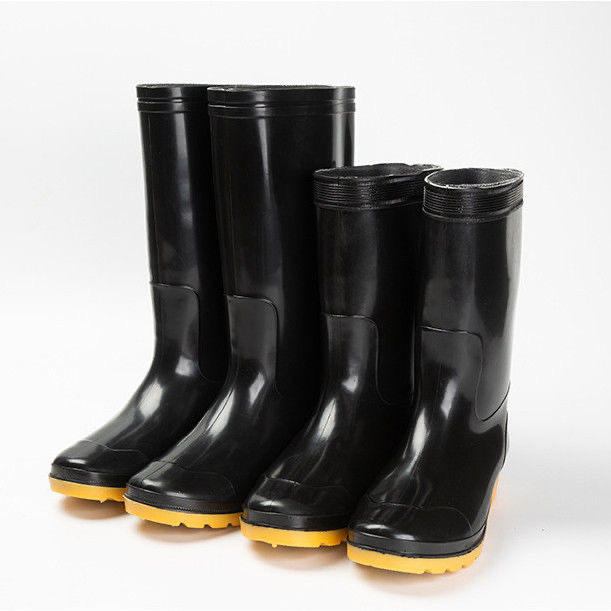
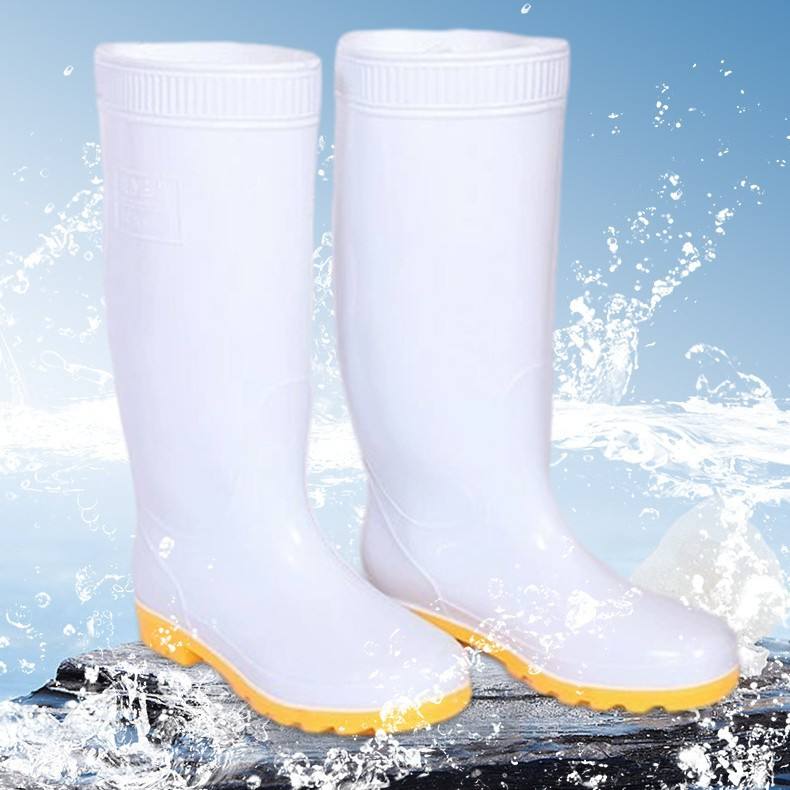
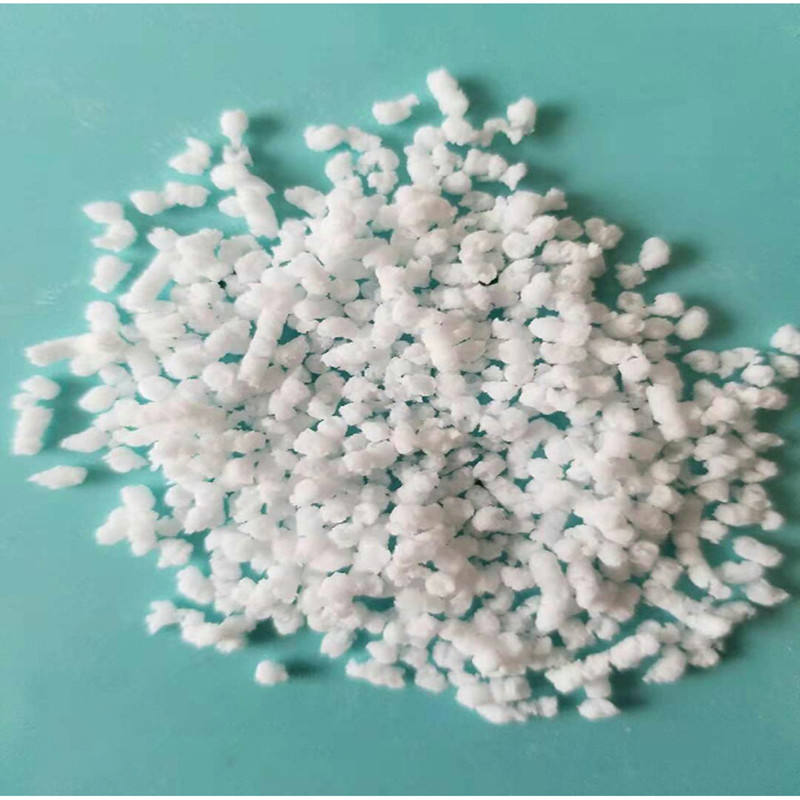
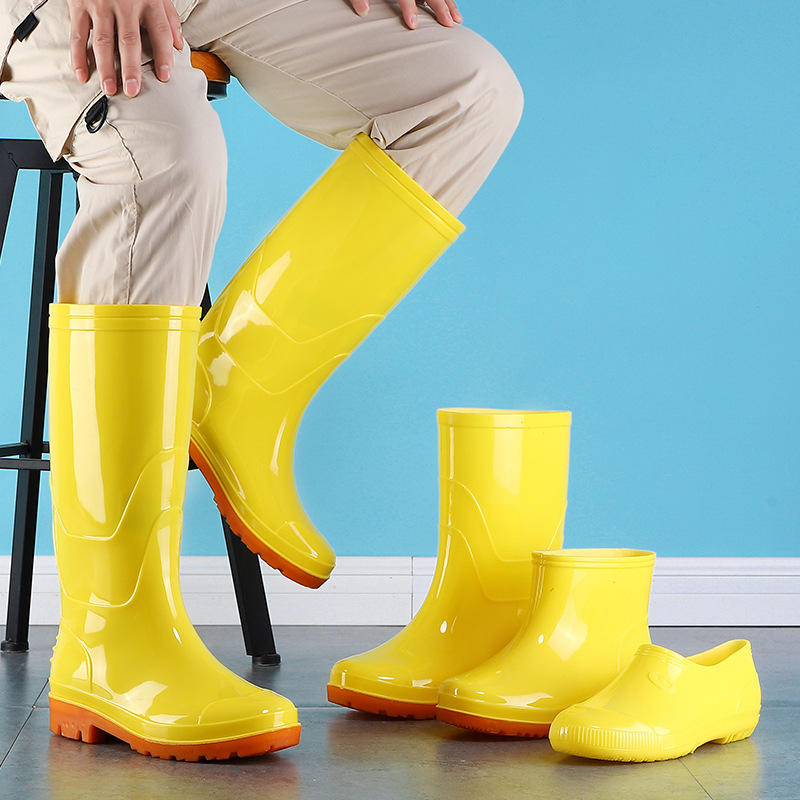
Wear-resistant insulated boots rely on two core material systems and manufacturing processes to deliver performance. The outer shell is typically constructed from high-density vulcanized rubber or reinforced PVC compounds, formulated to resist abrasion, resist brittleness at low temperatures, and maintain structural integrity under repeated flexing. Seam-free injection molding or vulcanization processes eliminate weak points where water or cold can penetrate, while a closed-cell insulation layer (often EVA or foam rubber) is integrated between the outer and inner layers to trap body heat without adding excess bulk. Professional Rain Boot Manufacturer emphasizes that compound formulation must be tested to ensure insulation performance remains stable at temperatures as low as -20°C, a threshold relevant to many long-shift cold work environments. Outsole design uses deep, multi-directional tread patterns to improve traction on icy or muddy surfaces, while the upper shaft height is optimized to cover the ankle and lower calf for additional protection against snow or water ingress.
3. Practical Solutions and Operation Steps
Selecting suitable wear-resistant insulated boots requires a structured approach aligned with work environment demands. Follow these actionable steps to make an informed choice:
- First, define the minimum temperature range of your work site, and cross-reference with boot insulation ratings; avoid boots rated for general cold use when working in sustained sub-zero conditions.
- Verify the outsole slip resistance rating against EN ISO 20347:2022 standards, as generic rubber soles may fail on icy or wet industrial surfaces.
- Check the upper material thickness: a minimum of 4mm for vulcanized rubber or 5mm for reinforced PVC provides adequate wear resistance for 10+ hour daily shifts.
- Confirm the construction method: seam-free vulcanization or injection molding is preferred over glued seams, as glued joints often fail after 3 to 6 months of heavy use.
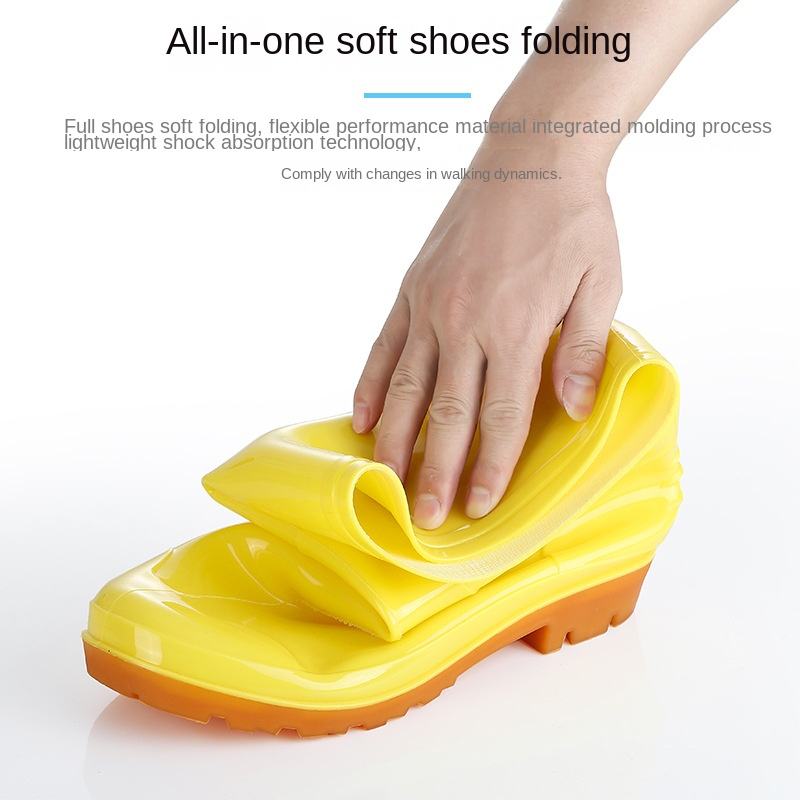
- Test flexibility by bending the boot sole at room temperature and at the expected work site temperature; excessive stiffness at low temperatures indicates potential structural failure during long shifts.
- Select a shaft height that extends 2 to 3 inches above the top of work pants or protective leggings to prevent snow or water from entering the boot during movement.
Do not select boots designed for light casual use for industrial long-shift work, as these are not engineered for consistent, heavy-duty wear.
4. Daily Maintenance and Precautions
Proper maintenance extends the lifespan of wear-resistant insulated boots by 30 to 50%, according to Global Footwear Industry Official Report 2024. Start by cleaning the boot exterior with a mild soap solution and soft brush after each use; avoid harsh solvents or pressure washers, as these can degrade rubber compounds and insulation. After cleaning, air-dry boots in a shaded, well-ventilated area at room temperature, away from direct sunlight or space heaters, as excessive heat can cause rubber to crack and insulation to compress. For long-term storage, clean boots fully, allow them to dry completely, and store them in a cool, dry space in their original box, away from sharp objects or heavy items that can deform the shaft. Additional precautions include avoiding contact with petroleum-based chemicals that can dissolve rubber, and not using insulated boots as general-purpose waterproof footwear for tasks not aligned with their industrial rating.
5. Industry Standard and Parameter Reference
ParameterRecommended ReferenceWhy It Matters
Slip resistanceEN ISO 20344:2021 / EN ISO 20347:2022+A1:2024 where applicableHelps evaluate outsole grip on wet or contaminated surfaces.
Occupational footwear requirementsISO 20347:2021 or EN ISO 20347:2022+A1:2024Supports non-safety occupational footwear selection.
Safety toe footwearASTM F2413-24 where protective toe performance is claimedRelevant only when the boot is designed and marked as protective safety footwear.
Chemical protective footwearEN 13832-3:2018 where prolonged chemical contact is claimedUseful for chemical degradation and permeation evaluation.
Low temperature flexibilityISO 20344:2021, Method 5.6 – Low Temperature Flexing TestVerifies boot structure remains intact after repeated bending in sub-zero conditions, critical for long-shift use.
Do not invent exact performance numbers. Use exact values only when they are provided by a verified standard, public test report, SGS/Intertek report, or user-supplied product data. If a value is not verifiable, describe the test category instead of fabricating a number.
6. Customer Common FAQ
Q: Can wear-resistant insulated boots be used in temperatures below -20°C?
A: It depends on the specific material formulation and insulation design. Boots rated for extreme cold use typically undergo testing per ISO 20344:2021 low temperature methods to ensure structural integrity and insulation performance at those temperatures. Always confirm manufacturer testing data instead of generic claims, as many standard cold-rated boots perform poorly below -15°C.
Q: How often should wear-resistant insulated boots be replaced?
A: For long-shift industrial use, replacement is recommended every 12 to 18 months, depending on wear frequency and conditions. Signs that indicate replacement include cracked soles, torn upper material, lost insulation flexibility, or reduced traction that fails slip resistance standards. Professional Rain Boot Manufacturer notes that proper maintenance can extend this timeline to 24 months for light to moderate use.
Q: Are insulated boots suitable for work involving water exposure?
A: Only if they are specifically designed as waterproof insulated boots with sealed seams or vulcanized construction. Standard insulated boots may have gaps that allow water ingress during prolonged submersion, which can reduce insulation performance and lead to discomfort. Always check product specifications for waterproof ratings aligned with EN ISO 20347:2022 criteria.
Q: How do I choose the right size for long-shift use?
A: Select a size that allows 0.5 to 1 inch of space between the toe and boot end when standing. This accommodates foot swelling that occurs during 10+ hour shifts in cold conditions, without causing slippage that leads to blisters. Avoid sizes that feel tight at room temperature, as feet often swell more in cold environments.
Conclusion
Selecting wear-resistant insulated boots for long-shift outdoor work in extreme cold requires balancing insulation performance, wear resistance, and compliance with relevant occupational standards. By focusing on material formulation, construction methods, and alignment with site-specific temperature and work conditions, workers can choose boots that provide reliable protection for extended periods. Professional Rain Boot Manufacturer advises prioritizing third-party tested performance over generic claims to ensure boots meet the demands of continuous, heavy-duty cold environment use.
References
- International Organization for Standardization. ISO 20344:2021, Footwear – Test Methods for Whole Shoes. Geneva: ISO, 2021.
- European Committee for Standardization. EN ISO 20347:2022+A1:2024, Occupational Footwear. Brussels: CEN, 2024.
- Global Footwear Industry. Global Footwear Industry Official Report 2024. Brussels: Footwear Industries Europe, 2024.
- American Society for Testing and Materials. ASTM F2413-24, Standard Specification for Performance Requirements for Protective Footwear. West Conshohocken, PA: ASTM International, 2024.