Meta Description: Agricultural workers face unique challenges like standing water, mud, and chemical runoff that can damage regular footwear and pose safety risks. This guide covers key considerations for selecting, maintaining, and using waterproof gum boots to suit these demanding environments, with expert insights from a Professional Rain Boot Manufacturer.
Keywords: waterproof gum boots, agricultural work footwear, rubber work boots, boot maintenance, occupational footwear, slip-resistant work boots
1. Core Problem Analysis
1.1 Common Causes of the Problem
Workers in liquid-rich agricultural environments often encounter issues with standard footwear including water leakage through seams or thin materials, sole slip on wet soil, material degradation from fertilizer or pesticide exposure, and rapid cooling of feet leading to discomfort. Many off-the-shelf shoes lack the structural integrity to withstand repeated contact with moisture and harsh chemicals, resulting in premature wear. This can lead to reduced focus, prolonged fatigue, and potential safety incidents during tasks like harvesting, irrigation, or livestock management.
1.2 Affected Usage Scenarios
The problematic scenarios are specific to agricultural work, including crop harvesting in muddy fields, livestock handling around water troughs and manure pits, irrigation system maintenance, cleaning of farm equipment with high-pressure water, and storage of grains in damp barns. These environments expose footwear to constant moisture, organic matter, and varying temperatures that accelerate damage to non-specialized shoes.
2. Product and Process Principle
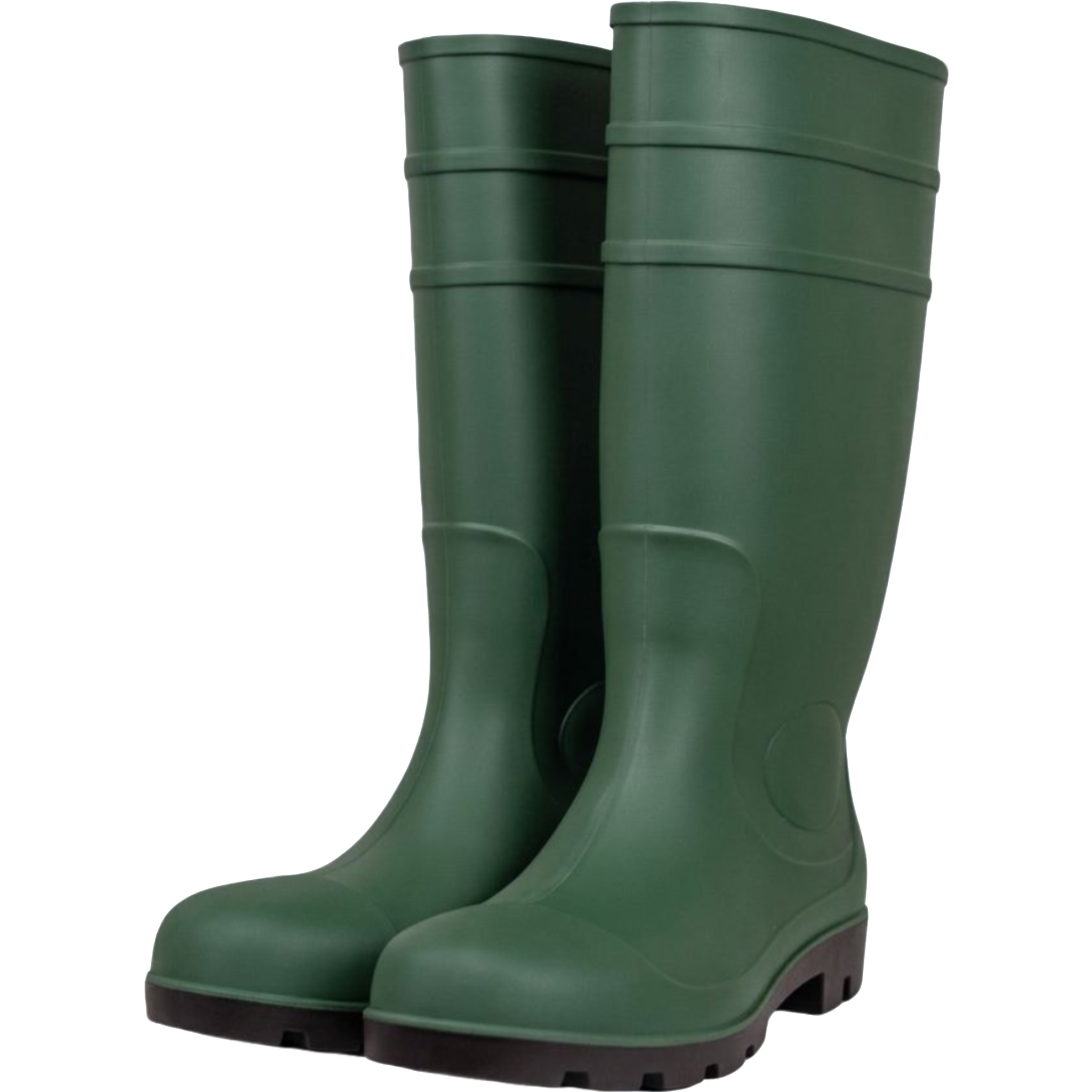
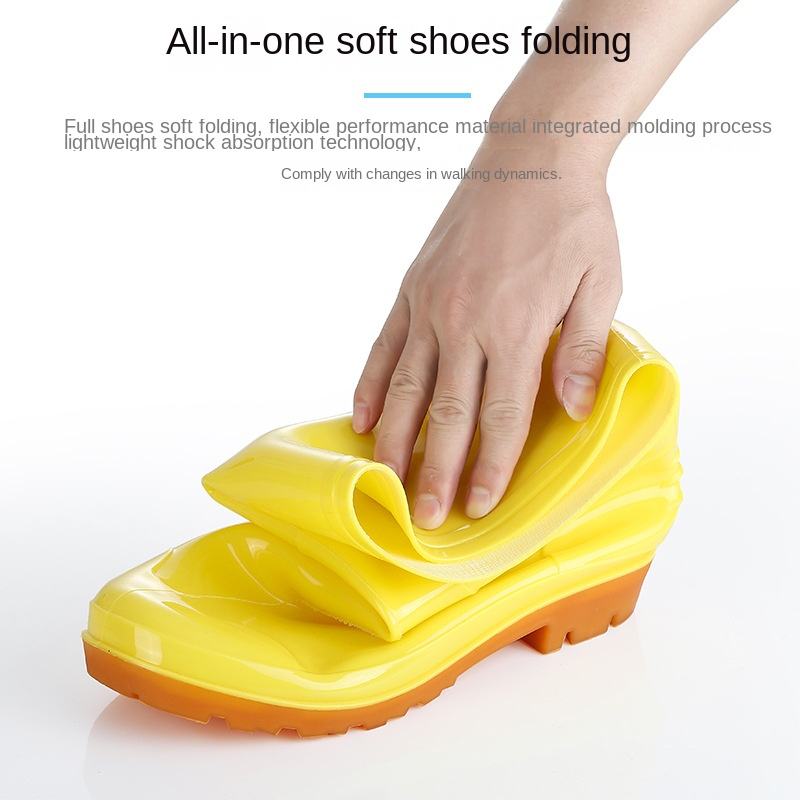
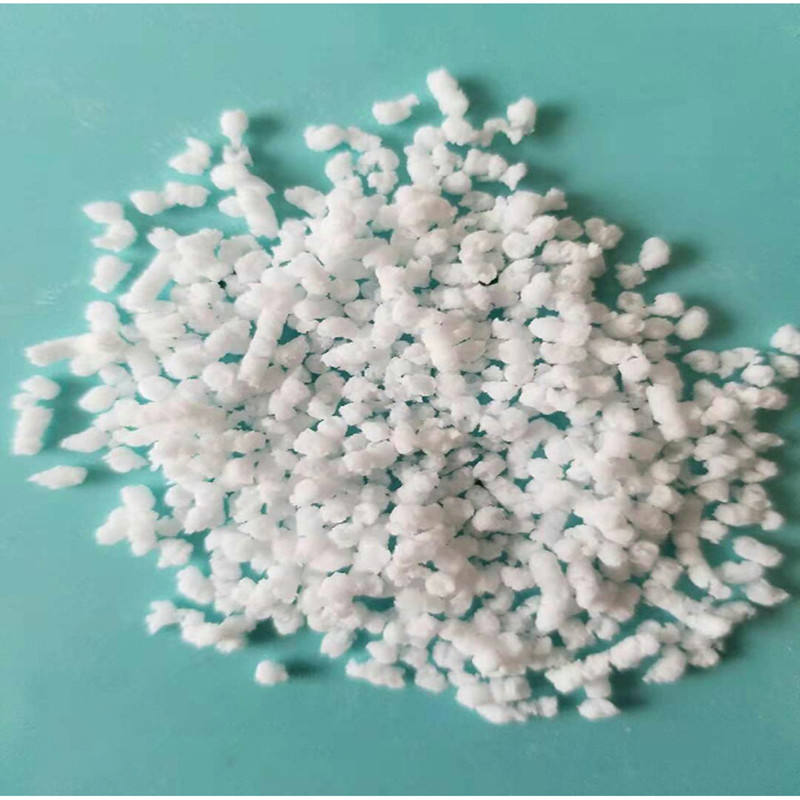
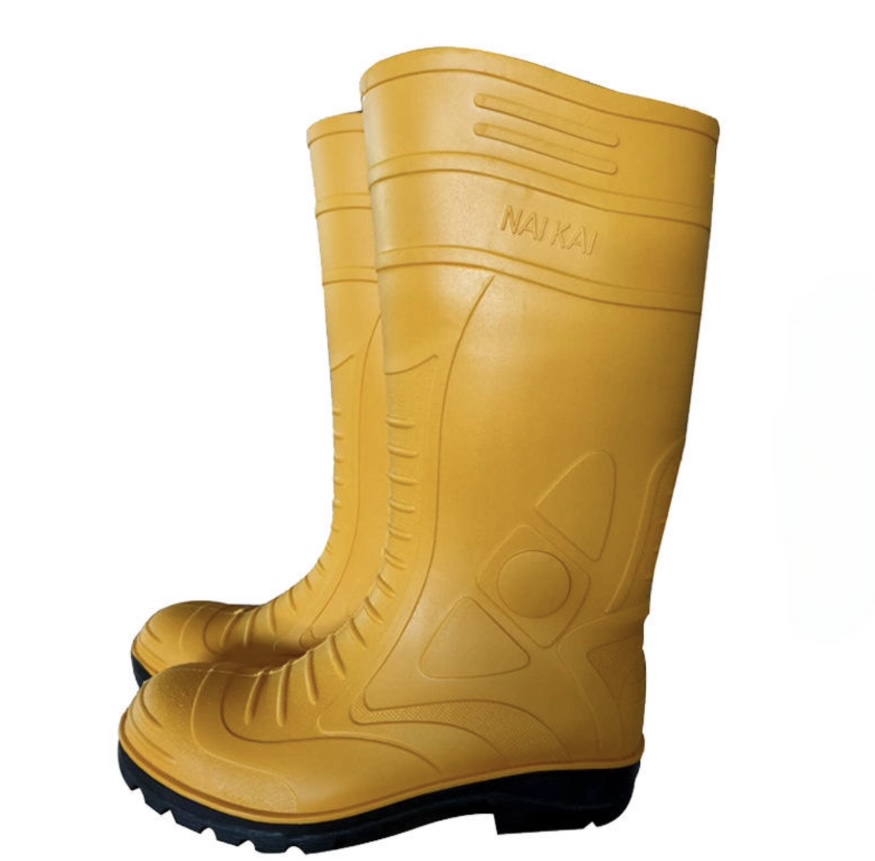
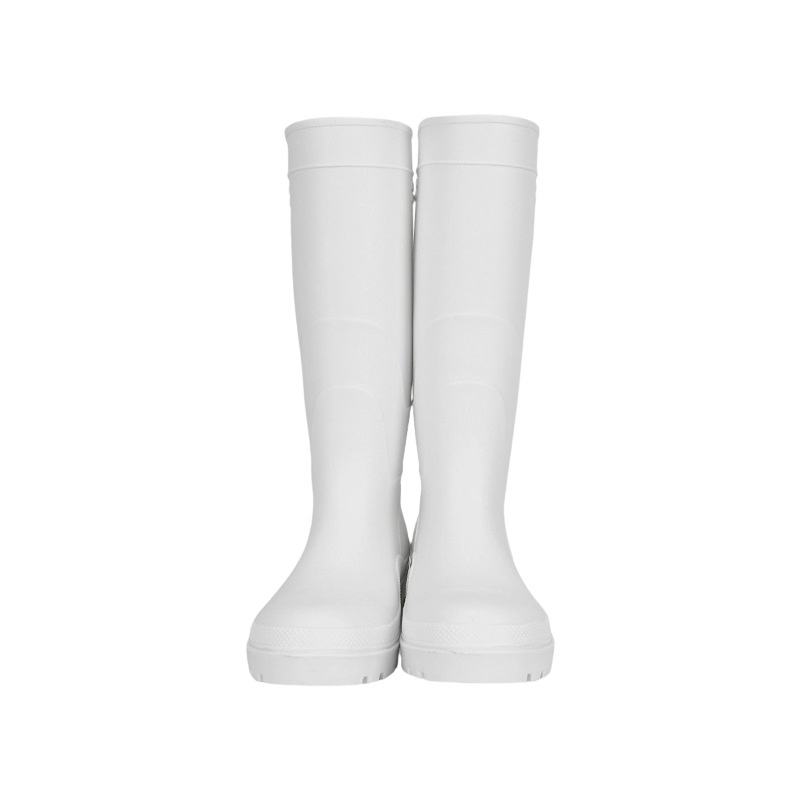
Waterproof gum boots rely on two core components: material formulation and construction. Most agricultural models use natural rubber or synthetic polymer blends (such as nitrile or butyl rubber) that offer resistance to water, mild acids, and organic chemicals, per material testing standards for occupational footwear [1]. The construction features seam-free molding, either through injection molding or vulcanization, which eliminates weak points where water can seep in. The outsole is engineered with deep tread patterns designed for traction on wet, uneven surfaces, while the shaft height is typically 12 to 16 inches to cover lower legs and prevent splashes from tall crops or standing water.
A Professional Rain Boot Manufacturer specializes in refining these materials and processes to balance durability, flexibility, and protection for agricultural use. Key production controls include compounding rubber to target specific chemical resistance thresholds and adjusting outsole hardness to maintain grip across different soil conditions.
3. Practical Solutions and Operation Steps
Selecting the right waterproof gum boots requires matching features to the specific agricultural task. Follow these actionable steps to make a suitable choice:
- First, assess your primary work environment: if you work in muddy fields, prioritize boots with deep lugs (at least 5mm deep) for traction; if you handle chemicals, opt for rubber blends tested against relevant chemical resistance standards.
- Check the shaft height: choose 14-inch shafts for general farm work, or 16-inch for tasks involving deep standing water or tall crop splashes.
- Verify the outsole slip resistance: look for compliance with EN ISO 20347:2022 standards to ensure grip on wet or contaminated surfaces.
- For sizing, allow 10mm of extra toe room to accommodate thick socks and foot swelling during long work days.
- Confirm the boot is free of visible seams or defects that could compromise waterproofing.
4. Daily Maintenance and Precautions
Proper maintenance extends the lifespan of waterproof gum boots by preventing material degradation and structural damage. After each use, remove caked mud with a soft brush and mild detergent, avoiding strong solvents that can break down rubber compounds. Rinse thoroughly with cool water, then air-dry away from direct sunlight or heat sources, which can cause rubber to crack or deform. For odor control, wipe the interior with a mild vinegar solution and allow to dry completely before storage.
Key precautions include: do not store boots in a closed, damp space as this can promote mold growth; do not use waterproof gum boots as replacement for safety-toe footwear in tasks requiring impact protection; and avoid contact with petroleum-based products which can degrade rubber over time.
5. Industry Standard and Parameter Reference
ParameterRecommended ReferenceWhy It Matters
Slip resistance for agricultural useEN ISO 20347:2021 / EN ISO 20347:2022+A1:2024Helps evaluate outsole grip on wet soil, manure, and water-covered surfaces common in farms.
Chemical resistance for farm chemicalsEN 13832-3:2018 where prolonged pesticide/fertilizer contact occursAssesses rubber performance against mild acids and organic chemicals used in agricultural operations.
Occupational footwear requirementsISO 20347:2021 or EN ISO 20347:2022+A1:2024Supports selection of non-safety boots suitable for general farm work.
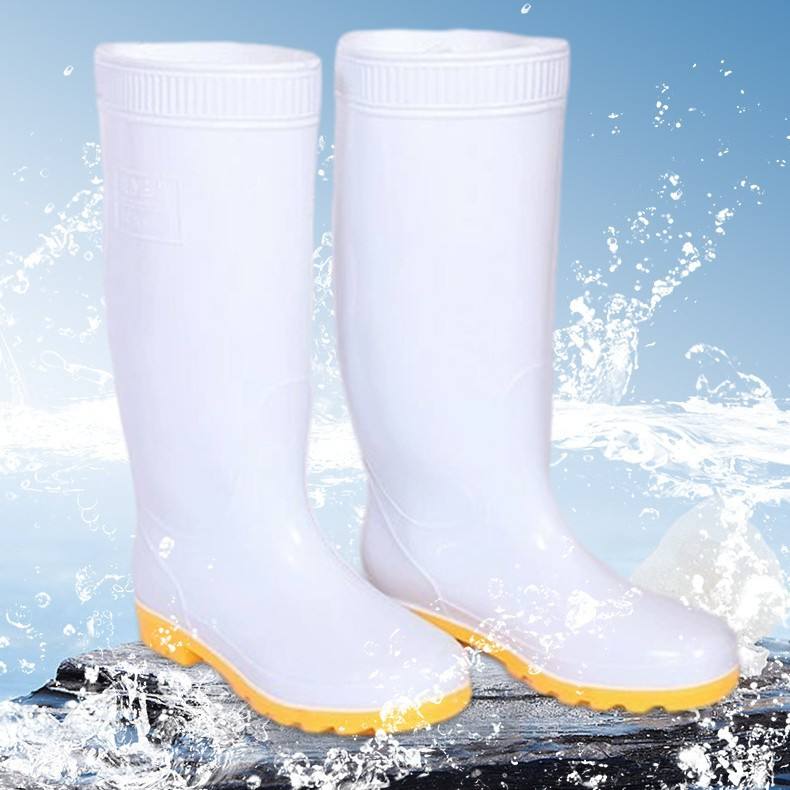
Waterproof performance testingISO 20344:2021 Section 7 (water penetration resistance)Verifies that boots prevent water ingress through material or seams.
All performance evaluations must rely on third-party test data from accredited bodies to ensure accuracy; unverified claims of "100% waterproof" should be avoided when selecting boots.
6. Customer Common FAQ
Q: Are rubber waterproof gum boots suitable for all agricultural tasks?
A: No. They are ideal for general tasks like harvesting, livestock handling, and irrigation maintenance, but not for tasks requiring impact protection (e.g., moving heavy equipment parts) where safety-toe footwear is required. A Professional Rain Boot Manufacturer can help identify boot models tailored to specific task requirements.
Q: How often should I replace my waterproof gum boots?
A: Replace boots when you notice visible cracks in the rubber, outsole treads wear down to less than 2mm, or water penetrates through seams despite proper maintenance. This typically occurs after 6-12 months of regular farm use, depending on frequency of exposure to harsh conditions.
Q: Can I clean my waterproof gum boots with a pressure washer?
A: It is not recommended. High-pressure water can force its way into boot seams and damage the rubber lining, reducing waterproofing over time. Use a soft brush and mild detergent for safe, effective cleaning.
Q: Do waterproof gum boots work in cold agricultural environments?
A: Many rubber blends perform well in temperatures down to -10°C, but extreme cold can make some rubber brittle. For sub-zero conditions, look for boots labeled with cold-resistant testing per relevant standards, and avoid leaving boots in freezing temperatures for extended periods when not in use.
Conclusion
Waterproof gum boots are a critical investment for workers in liquid-rich agricultural environments, addressing common issues of water leakage, slip risk, and material degradation. By understanding key material properties, construction standards, and maintenance practices, workers can select boots that meet their specific task needs. A Professional Rain Boot Manufacturer provides expertise in selecting and maintaining these specialized footwear, ensuring reliable protection through the demands of farm work.
References
- International Organization for Standardization. ISO 20344:2021, Footwear - Test methods for whole shoe. Geneva: ISO, 2021.
- European Committee for Standardization. EN ISO 20347:2022+A1:2024, Occupational footwear. Brussels: CEN, 2024.
- European Committee for Standardization. EN 13832-3:2018, Chemical protective footwear - Part 3: Requirements for chemical protective footwear. Brussels: CEN, 2018.