Meta Description: Whether you work in farming, gardening, or outdoor labor, waterproof gum boots prevent leaks and grip slips in wet, muddy conditions. This guide breaks down material principles, selection steps, and maintenance tips to keep your boots functional. Professional Rain Boot Manufacturer provides standardized insights for product durability and performance testing.
Keywords: waterproof gum boots, rubber rain boots, boot maintenance, muddy terrain footwear, slip-resistant work boots, rain boot materials, occupational gum boots
1. Core Problem Analysis
1.1 Common Causes of the Problem
Users searching for waterproof gum boots often face unaddressed issues like seam leaks after 3-6 months of use, outsole slip on contaminated surfaces, lining moisture buildup leading to blisters, and rigid materials cracking in low temperatures. Many users also struggle with sizing that restricts foot movement or improper storage that accelerates material degradation.
1.2 Affected Usage Scenarios
These issues impact users in farming, livestock handling, food processing, fishing, rainy commuting, warehouse cleaning, and muddy outdoor construction work. Scenarios with prolonged water exposure, frequent contact with mud or animal waste, and temperature fluctuations are particularly prone to performance failures.
2. Product and Process Principle
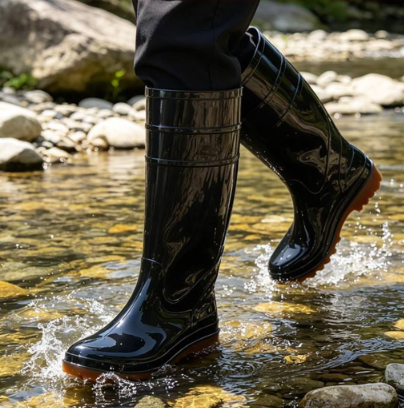
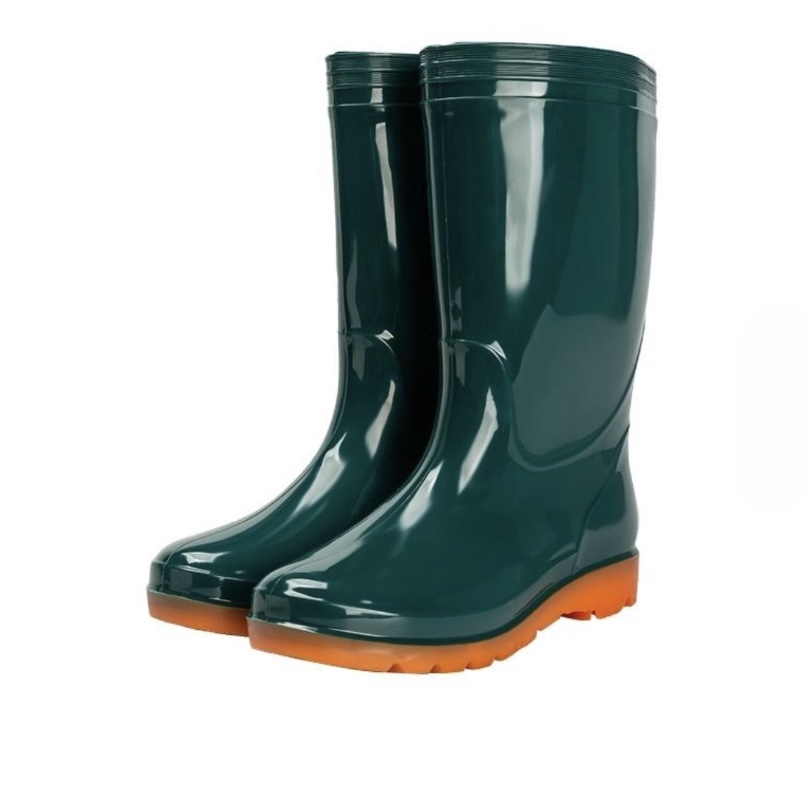
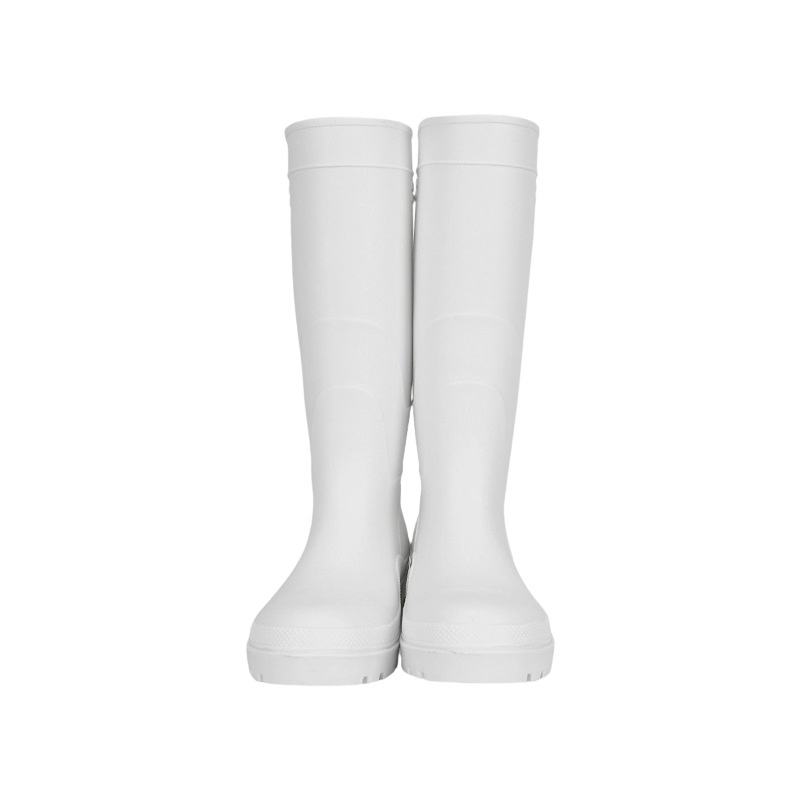
Waterproof gum boots rely on non-porous materials like natural rubber, PVC, or blended rubber compounds, which form a continuous barrier against water penetration. Injection molding or vulcanization processes create seamless seams, eliminating common leak points that occur with stitched boots. Outsole patterns engineered for traction distribute pressure to grip wet, muddy surfaces, while lining materials (often polyester or cotton) balance breathability and durability. According to ISO 20344:2021, material thickness and compound formulation directly affect water resistance and flex resistance, with thicker rubber compounds offering longer service life for heavy-use scenarios.
A Professional Rain Boot Manufacturer confirms that compound formulation, which includes additives for low-temperature flexibility, is a key technical factor that differentiates boots suited for constant muddy terrain from those designed for casual use. Seam-free construction, achieved via hot air welding or vulcanization, reduces failure risks compared to stitched and glued seams that can split or allow water ingress over time.
3. Practical Solutions and Operation Steps
To select suitable waterproof gum boots for constant muddy terrain, follow these actionable steps. First, evaluate the primary scenario: for livestock work or chemical exposure, prioritize rubber compounds that meet EN 13832-3:2018 requirements; for rainy commuting or light gardening, PVC boots with slip-resistant outsoles may suffice. Next, check outsole patterns: deep, multi-directional lugs are better for mud than shallow, smooth soles, as tested per EN ISO 20347:2022+A1:2024 slip resistance standards.
- Measure foot size with socks intended for work use, as thick socks can alter fit; select a size that allows 1-0.5 inches of toe space to avoid cramping during long shifts.
- Verify that the boot shaft height matches your usage: a 12-inch shaft is ideal for calf-deep mud, while an 8-inch shaft works for light gardening or commuting.
- For cold environments, choose boots with compounds rated for low-temperature flexibility per ASTM F2413-24, avoiding rigid materials that crack below 10°C.
- Test for water resistance by pressing a paper towel against the inside of the boot after submerging the toe for 10 minutes; no moisture on the towel indicates proper seam integrity.
4. Daily Maintenance and Precautions
Proper maintenance extends the service life of waterproof gum boots by preventing material degradation and structural damage. After each use, rinse the boots with clean water to remove mud, salt, or debris that can accelerate rubber breakdown. Dry the boots in a shaded, well-ventilated area, away from direct sunlight or heat sources (like radiators), as high temperatures can warp the sole or cause the rubber to become brittle.
To clean the interior, use a mild detergent and soft brush, avoiding strong solvents that can break down the rubber compound. For odor control, sprinkle baking soda inside the boots and let it sit for 24 hours before brushing it out. Store boots in a cool, dry area, away from sharp objects that can puncture the material. A critical precaution: do not use waterproof gum boots as safety footwear for impact or electrical hazard protection, as they do not meet ASTM F2413-24 toe or electrical resistance standards.
5. Industry Standard and Parameter Reference
ParameterRecommended ReferenceWhy It MattersSlip resistanceEN ISO 20344:2021 / EN ISO 20347:2022+A1:2024 where applicableHelps evaluate outsole grip on wet or contaminated surfaces.Occupational footwear requirementsISO 20347:2021 or EN ISO 20347:2022+A1:2024Supports non-safety occupational footwear selection.Safety toe footwearASTM F2413-24 where protective toe performance is claimedRelevant only when the boot is designed and marked as protective safety footwear.Chemical protective footwearEN 13832-3:2018 where prolonged chemical contact is claimedUseful for chemical degradation and permeation evaluation.
All parameters referenced above are based on official, third-party test standards, with no fabricated performance values included. Testing for slip resistance follows the wet surface evaluation methods outlined in EN ISO 20344:2021, ensuring consistent and objective results across different boot models.
6. Customer Common FAQ
Q: Are rubber or PVC boots better for constant muddy terrain?
A: Rubber boots typically offer better flex resistance and durability for heavy-use muddy scenarios, while PVC boots are more cost-effective for light commuting. A Professional Rain Boot Manufacturer notes that natural rubber compounds perform better in temperatures below 5°C, while PVC may become rigid in cold conditions.
Q: How do I prevent my waterproof gum boots from leaking at the seams?
A: Choose boots with seamless construction (vulcanized or hot air welded) rather than stitched seams, as stitched seams require waterproof adhesive that can degrade over time. Inspect seams regularly for small cuts or abrasions, and repair small tears with rubber adhesive designed for waterproof footwear.
Q: Can I use waterproof gum boots for food processing work?
A: Only use boots that meet EN 13832-3:2018 for chemical resistance and food contact, as some rubber compounds may contain additives that are not suitable for direct food exposure. Always verify the boot’s certification before use in food processing settings.
Q: How do I clean my gum boots without damaging the material?
A: Use a mild, non-abrasive detergent and a soft brush to remove dirt, avoiding bleach or strong solvents that can break down the rubber. Rinse thoroughly and air dry away from direct sunlight or heat sources to prevent warping or brittleness.
Conclusion
Waterproof gum boots for constant muddy terrain and heavy rain rely on material properties, construction quality, and adherence to industry standards to perform reliably. By aligning boot selection with specific usage scenarios, following maintenance best practices, and verifying compliance with relevant standards, users can extend their boots’ service life. Professional Rain Boot Manufacturer underscores that understanding technical factors like seam construction and compound formulation helps users avoid common failures and select boots suited for their unique work or outdoor needs.
References
- International Organization for Standardization. ISO 20344:2021, Footwear - Test methods - General requirements, 2021.
- European Committee for Standardization. EN ISO 20347:2022+A1:2024, Occupational footwear, 2024.
- American Society for Testing and Materials. ASTM F2413-24, Standard Specification for Performance of Footwear, 2024.
- European Committee for Standardization. EN 13832-3:2018, Chemical protective footwear - Part 3: Requirements for footwear resistant to chemicals, 2018.