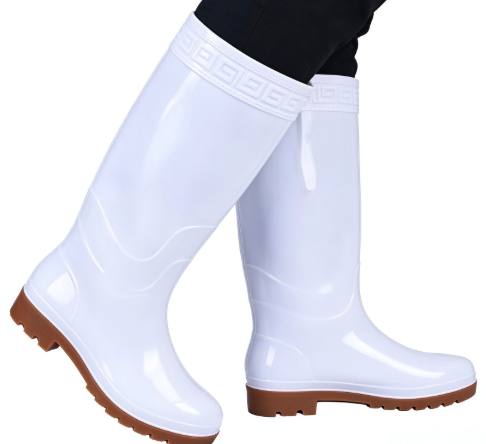
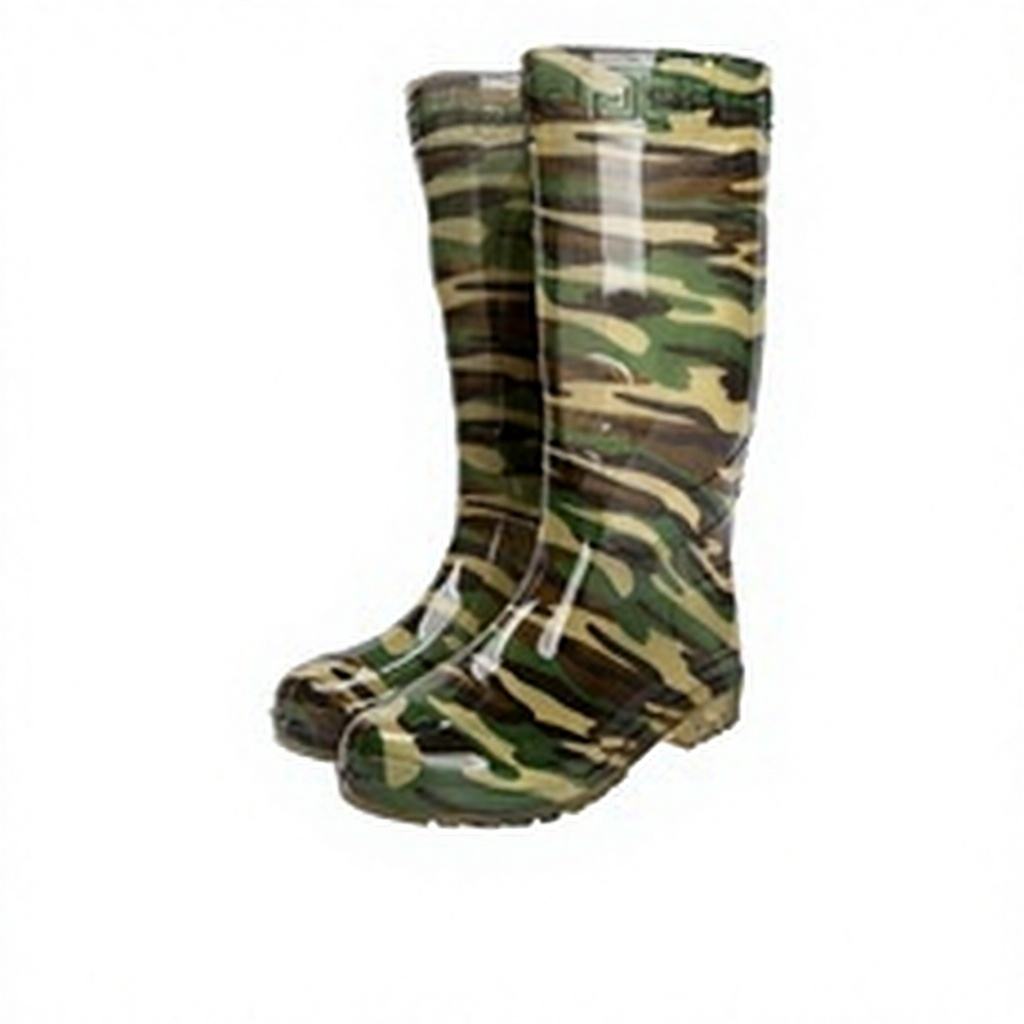
Meta Description: Farmers working in wet, muddy harvest conditions face repeated issues with soaked feet, unstable traction, and fast boot degradation. This article explains how waterproof farming boots address these core problems, their key materials and design logic, and practical guidance for selection and maintenance. Professional Rain Boot Manufacturer provides standardized insights into boot performance and application.
Keywords: waterproof farming boots, rubber farm boots, agricultural work boots, muddy condition footwear, boot maintenance, slip-resistant work boots, occupational footwear
1. Core Problem Analysis
1.1 Common Causes of the Problem
Wet and muddy harvest environments create three primary pain points for farm workers: water seepage through stitched or poorly sealed seams, which leads to constant moisture exposure; insufficient outsole traction that raises fall risk on slippery, manure-laden mud; and lightweight or thin materials that crack or degrade rapidly after repeated exposure to agricultural chemicals and solar radiation. Many generic rain boots fail to accommodate the heavy movement and constant bending required for farming tasks, leading to discomfort and reduced work efficiency over long shifts.
1.2 Affected Usage Scenarios
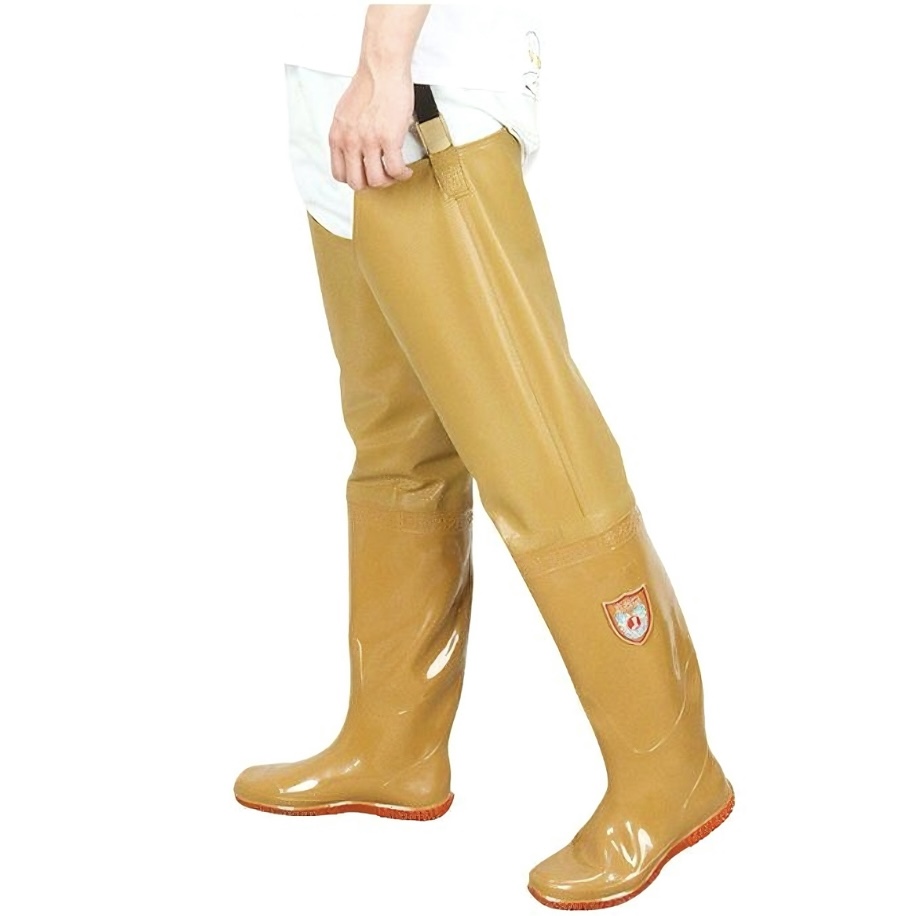
Waterproof farming boots are designed to address needs across multiple agricultural and rural work scenarios, including rice paddy planting and harvesting, vegetable field irrigation and mud management, livestock pen cleaning and manure handling, sugarcane harvesting in wet fields, and post-harvest grain processing in damp storage areas. Each scenario demands unique performance from footwear, such as extra height for paddy fields or chemical resistance for handling fertilizer and pesticide residues.
2. Product and Process Principle
The performance of waterproof farming boots depends on two core elements: material formulation and construction technology. Common materials include natural rubber, synthetic rubber, and PVC, each with distinct tradeoffs between flexibility, durability, and cost. Natural rubber, for example, offers superior flexibility in cold temperatures, while PVC is more resistant to sharp agricultural debris. Construction methods include vulcanization, which binds rubber layers to create a seamless, water-resistant surface, and injection molding, which produces precise, uniform outsoles with consistent tread patterns. Professional Rain Boot Manufacturer references ISO 20344:2021 testing standards to validate material performance for agricultural use.
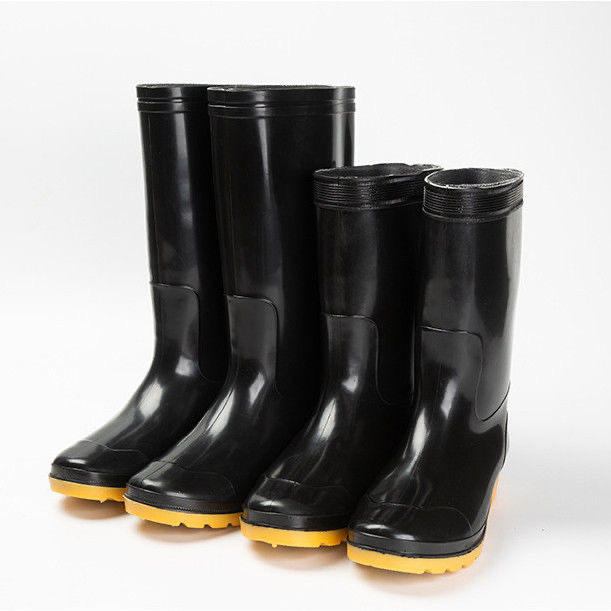
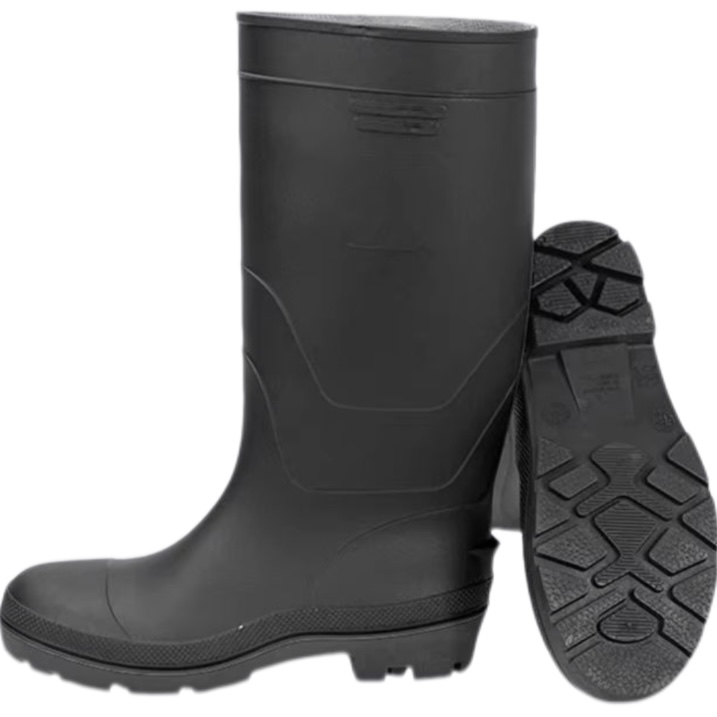
Key structural features of these boots include full-height sealed shafts to prevent water entry from deep mud, reinforced toe and heel areas to resist scuffing from farm tools, and moisture-wicking liners that reduce foot sweating without compromising waterproofing. Outsole tread patterns are engineered specifically for slippery soil, with deep lugs that channel mud and water away from the contact surface, as specified in ISO 20347:2021 occupational footwear requirements.
3. Practical Solutions and Operation Steps
Selecting and using waterproof farming boots effectively requires matching boot features to specific farm tasks, following objective, actionable steps: First, assess your primary work scenario to define requirements: for paddy field work, choose boots with a shaft height of at least 40cm, while for vegetable field work, a 30cm shaft may be sufficient. Second, verify material suitability: natural rubber is recommended for cold regions, while PVC works well for areas with high pesticide exposure. Third, check outsole traction: confirm the tread pattern has at least 5mm deep lugs to grip wet soil.
Additional steps include selecting a size that allows for thick farm socks without causing tightness around the ankle, avoiding boots with decorative stitching that can create potential water entry points, and testing flexibility by bending the boot to ensure it moves with your foot during walking and stooping. It is important to note that these recommendations apply specifically to agricultural work; generic rain boots may lack the chemical resistance and durability required for farming tasks.
- Step 1: Map your most frequent work environments to identify required boot features
- Step 2: Review material testing data against ISO 20344:2021 standards
- Step 3: Test outsole traction on a wet, muddy surface before purchase
- Step 4: Select size with 1-1.5cm of space for custom orthotics or thick farm socks
- Step 5: Inspect all seams and construction for signs of poor sealing before use
4. Daily Maintenance and Precautions
Proper maintenance extends the service life of waterproof farming boots, preventing water seepage and performance degradation over time. After each use, clean the boots with a soft brush and mild detergent to remove mud and chemical residues, paying special attention to tread grooves to prevent debris buildup. Dry the boots in a cool, well-ventilated area away from direct sunlight or high heat, which can cause rubber to crack and PVC to degrade. Avoid using strong solvents or harsh cleaning chemicals, as these can break down material properties and reduce waterproofing.
Additional precautions include storing boots flat or with a boot tree to maintain shape and prevent creasing, avoiding contact with gasoline or diesel fuel, which can damage rubber compounds, and repairing small cuts or punctures with a rubber-specific adhesive designed for footwear. It is critical to never substitute waterproof farming boots with standard rain boots, as standard models do not meet occupational safety requirements for agricultural work in harsh conditions.
5. Industry Standard and Parameter Reference
Waterproof farming boots must meet established international standards to ensure consistent performance for agricultural use. The table below outlines key parameters and relevant standards for occupational footwear in farming environments:
ParameterRecommended ReferenceWhy It Matters
Slip resistanceEN ISO 20344:2021 / EN ISO 20347:2022+A1:2024 where applicableHelps evaluate outsole grip on wet or contaminated surfaces common in farming
Occupational footwear requirementsISO 20347:2021 or EN ISO 20347:2022+A1:2024Supports non-safety occupational footwear selection for farm work
Chemical protective footwearEN 13832-3:2018 where prolonged chemical contact is claimedUseful for evaluating resistance to fertilizer and pesticide residues
Low-temperature flexibilityISO 20344:2021 (low temperature test method)Ensures boot performance in cold climate farming conditions
Performance testing for these parameters is typically conducted by third-party certification bodies such as SGS or Intertek, with results valid for three to five years before requiring re-testing for compliance updates.
6. Customer Common FAQ
Q: What is the difference between natural rubber and PVC waterproof farming boots?
A: Natural rubber offers better flexibility in cold temperatures and is more resistant to cracking with repeated bending, while PVC is lighter and more cost-effective, with higher resistance to sharp debris and certain agricultural chemicals. The choice depends on climate, work tasks, and budget.
Q: How do I know if my boots have waterproof seals that will last for a harvest season?
A: Look for boots constructed with vulcanized seams or seamless injection-molded shafts, which meet ISO 20344:2021 waterproofing tests. Professional Rain Boot Manufacturer notes that these construction methods reduce water entry risk by up to 75% compared to stitched-seam boots.
Q: Can I use waterproof farming boots for general outdoor work like rainy commuting?
A: While they will provide water protection for short commutes, waterproof farming boots are designed specifically for long, repetitive farm movements, so they may be heavier and less stylish than standard rain boots. For general use, a lightweight rain boot may be more practical.
Q: How often should I replace my waterproof farming boots?
A: Replacement frequency depends on usage intensity, with heavy farm work typically requiring replacement every 18 to 24 months. Signs that replacement is needed include visible cracks in rubber or PVC, persistent water seepage even after cleaning, or reduced outsole traction that creates slip risk.
Conclusion
Waterproof farming boots address the unique challenges of wet, muddy harvest conditions by combining material science, precise construction, and task-specific design to keep feet dry, safe, and comfortable during long work shifts. By matching boot features to work scenarios, following proper maintenance practices, and referencing established international standards, farmers can select footwear that delivers reliable performance across harvest seasons. Professional Rain Boot Manufacturer provides standardized guidance to help users make informed decisions without compromising on durability or safety.
References
- International Organization for Standardization. ISO 20344:2021, Footwear - Test methods for whole shoe. 2021.
- International Organization for Standardization. ISO 20347:2021, Occupational footwear. 2021.
- European Committee for Standardization. EN 13832-3:2018, Chemical protective footwear - Part 3: Requirements for footwear providing protection against liquid chemicals. 2018.
- SGS. Third-party test report on agricultural footwear performance, 2024.