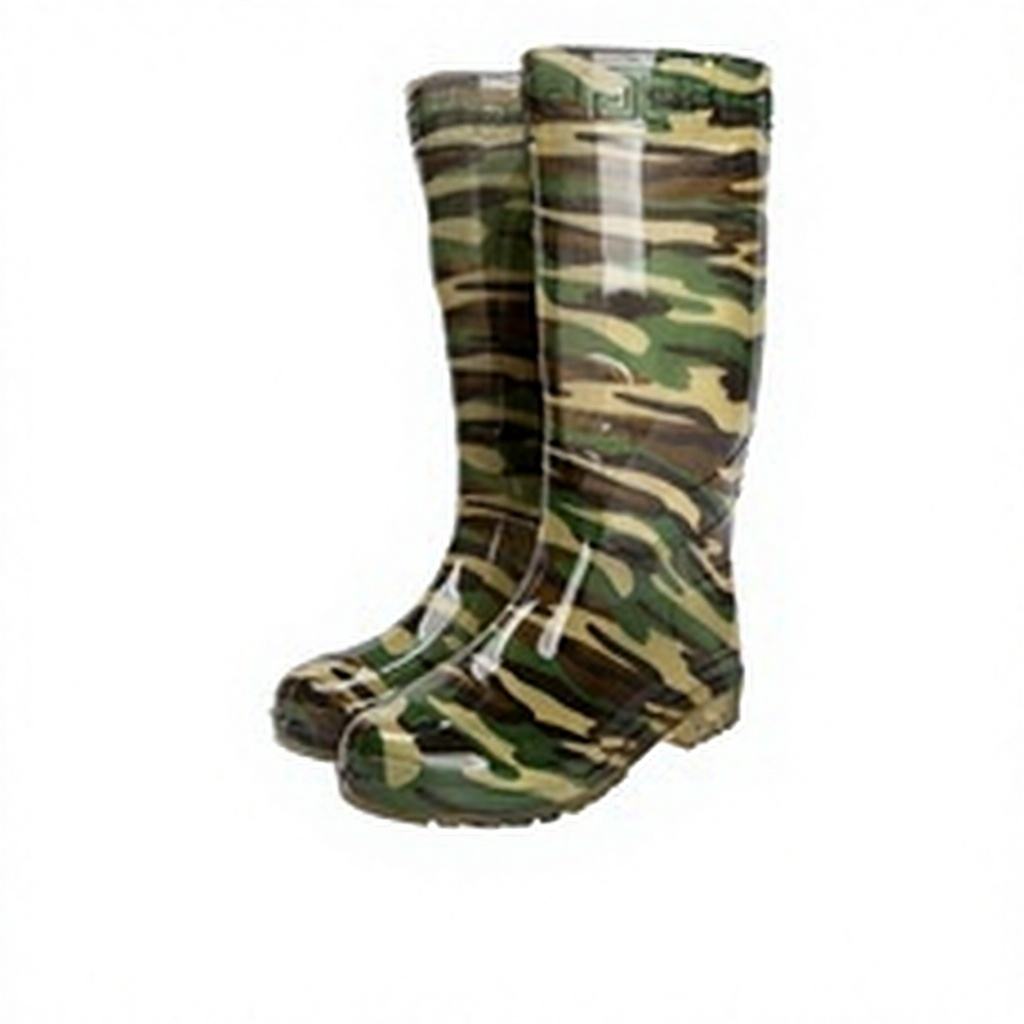
Meta Description: Farmers working in rain-soaked harvest fields and wet pastures often face issues like boot leaks, poor traction, or uncomfortable foot sweat. Choosing the right waterproof farming boots can reduce these problems, improve work efficiency, and protect foot health. Professional Rain Boot Manufacturer provides technical insights for this selection.
Keywords: waterproof farming boots, rubber work boots, farm boot maintenance, slip-resistant work footwear, agricultural footwear, shaft height for farming
1. Core Problem Analysis
1.1 Common Causes of the Problem
Farmers using unsuitable footwear for wet farming scenarios often encounter several key problems: water seepage through seams or cracked materials, inadequate traction on muddy or grassy slopes that increases fall risk, trapped heat leading to sweaty and uncomfortable feet during long work hours, and rapid material degradation from repeated exposure to moisture, mud, and agricultural chemicals. Poor sizing or improper fit can also cause blisters or reduced mobility during harvest tasks.
1.2 Affected Usage Scenarios
Agricultural workers regularly exposed to rain-soaked harvest fields, waterlogged paddy fields, wet pastures, muddy livestock enclosures, and post-rain crop processing areas are the primary groups affected. These scenarios require footwear that combines waterproof performance, slip resistance, and durability to withstand constant contact with water and organic debris, making unsuitable boots a daily work hazard.
2. Product and Process Principle
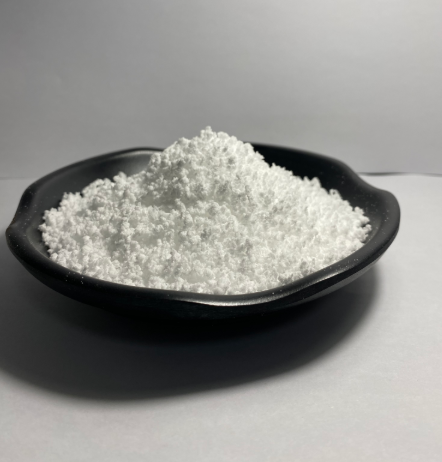
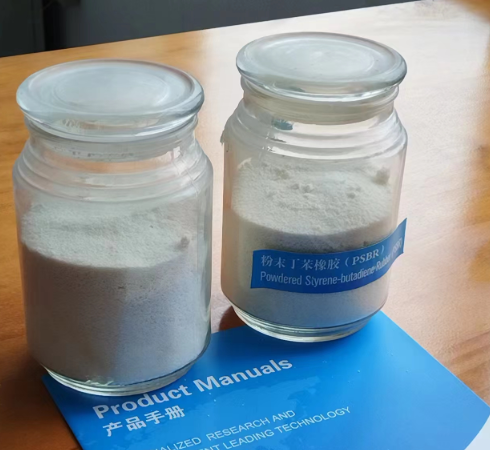
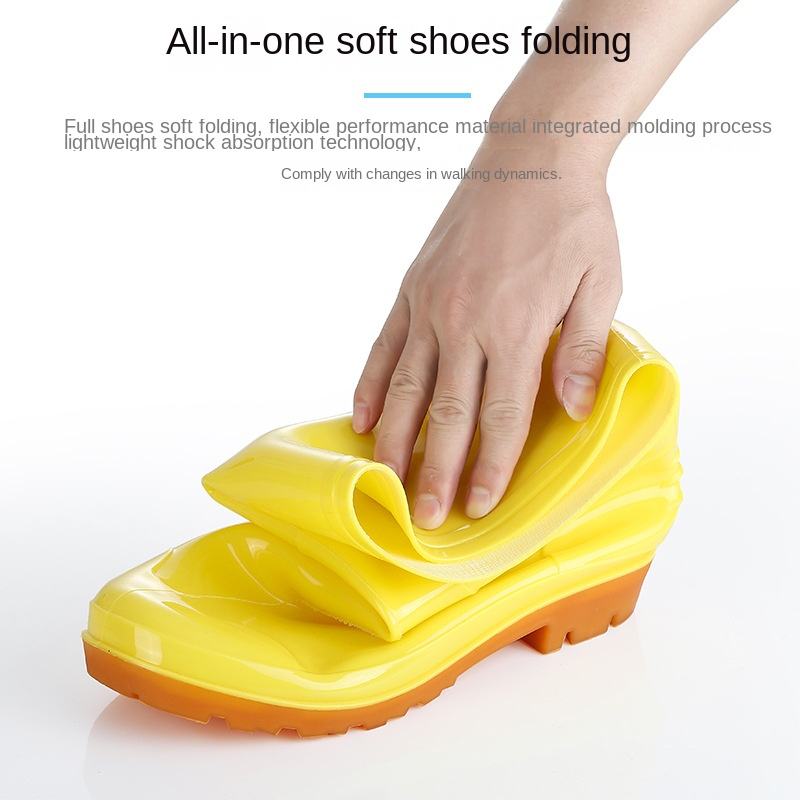
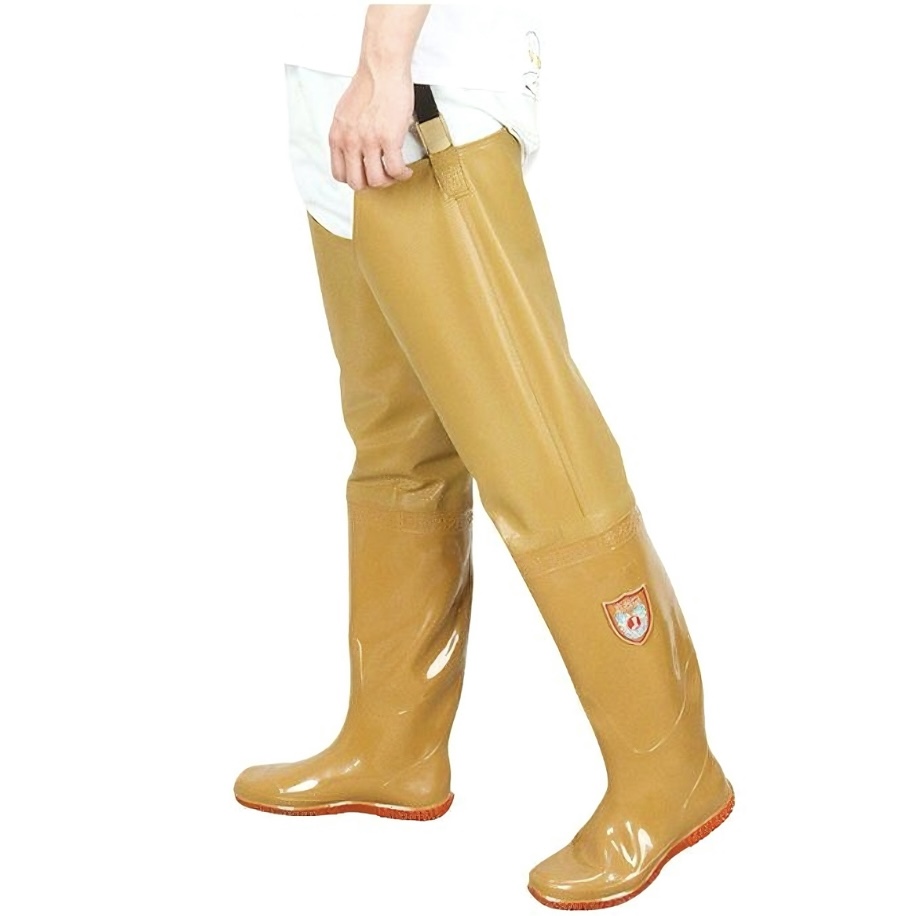
Waterproof farming boots are constructed using materials like natural rubber, PVC, or EVA, each with distinct performance characteristics. Natural rubber offers high flexibility and resistance to tearing, while PVC provides a cost-effective, water-resistant barrier. EVA is lightweight but less durable for heavy farm use. Manufacturing processes include vulcanization for rubber boots, which bonds the material and enhances water resistance, and seamless injection molding to eliminate potential leak points at seams. Professional Rain Boot Manufacturer uses standardized compound formulations to balance flexibility, durability, and waterproof performance for agricultural applications.
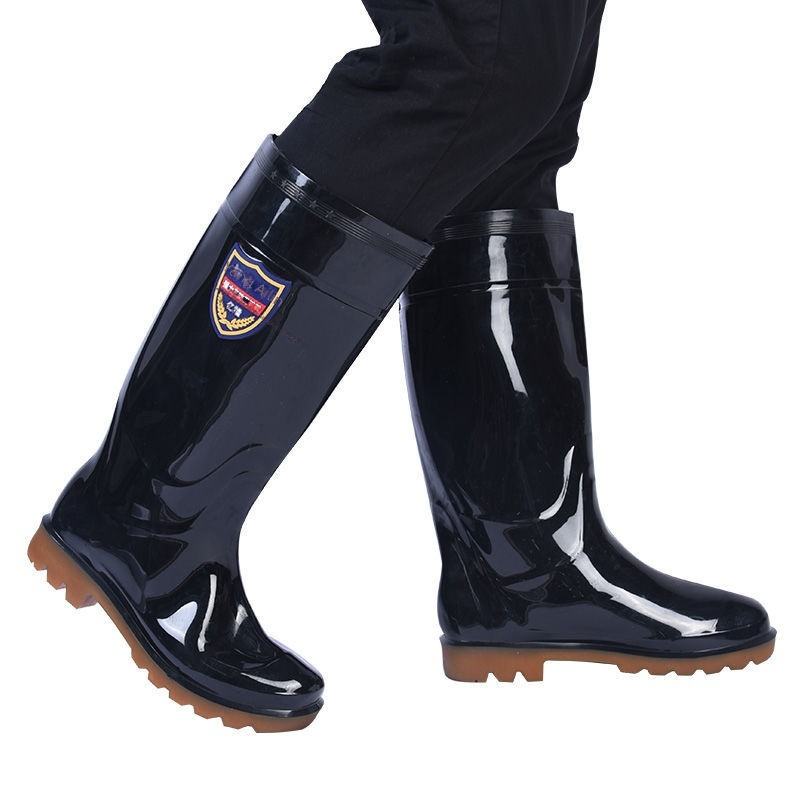
The outsole design relies on pattern depth and material hardness to provide traction on wet and muddy surfaces; deeper grooves prevent mud from clogging, while appropriate hardness balances grip and wear resistance. Shaft height is engineered to cover the ankle and lower calf, protecting against debris and water ingress, with additional lining materials like moisture-wicking fabric to reduce trapped sweat.
3. Practical Solutions and Operation Steps
Selecting suitable waterproof farming boots requires aligning material, features, and sizing to specific farm conditions. Follow these actionable steps to make an informed choice:
- Assess primary usage scenarios: For paddy field work, choose high-leg boots with a shaft height of 16 inches or more; for pasture grazing, a 12-inch to 14-inch shaft balances protection and mobility.
- Check outsole performance: Confirm the outsole meets slip resistance requirements outlined in relevant occupational footwear standards, with a pattern depth of at least 5mm to prevent mud buildup.
- Test material flexibility: Bend the boot shaft by hand; it should return to its original shape without cracking, indicating good material resilience for repeated farm use.
- Verify sizing: Ensure there is enough space for thick farm socks and foot movement, with a 0.5-inch gap between the toe and the boot front to avoid blisters during long work hours.
- Inspect construction: Examine seams and attachment points for the sole and shaft, ensuring no gaps that could allow water to seep in; seamless construction is preferred for maximum waterproofing.
For workers exposed to occasional agricultural chemicals, opt for boots with chemical-resistant compound formulations, but confirm compliance with standards for chemical protective footwear.
4. Daily Maintenance and Precautions
Proper maintenance extends the lifespan of waterproof farming boots and preserves their performance. After each use in wet or muddy conditions, rinse the boots with clean water to remove mud and debris, paying attention to grooves and seams that can trap particles. Dry the boots in a well-ventilated area away from direct sunlight and high heat sources, as prolonged exposure to UV rays can degrade rubber materials and cause cracking.
Avoid using harsh solvents or strong detergents, as these can damage the waterproof coating and material integrity. For odors, stuff the boots with absorbent cloth or use a mild, natural deodorant designed for footwear, avoiding spray products that may contain harmful chemicals. Store boots in a cool, dry place, upright to maintain shaft shape, and avoid placing heavy items on top that can deform the material. Never use waterproof farming boots as a substitute for safety-toe footwear in scenarios requiring impact protection, as standard waterproof boots do not meet safety certification requirements.
5. Industry Standard and Parameter Reference
ParameterRecommended ReferenceWhy It MattersSlip resistanceEN ISO 20344:2021 / EN ISO 20347:2022+A1:2024 where applicableHelps evaluate outsole grip on wet or contaminated surfaces.Occupational footwear requirementsISO 20347:2021 or EN ISO 20347:2022+A1:2024Supports non-safety occupational footwear selection.Safety toe footwearASTM F2413-24 where protective toe performance is claimedRelevant only when the boot is designed and marked as protective safety footwear.Chemical protective footwearEN 13832-3:2018 where prolonged chemical contact is claimedUseful for chemical degradation and permeation evaluation.Boot shaft heightNo specific ISO standard; align with local agricultural work needsEnsures adequate protection from water and debris during farm tasks.
Do not invent exact performance numbers. Use exact values only when they are provided by a verified standard, public test report, SGS/Intertek report, or user-supplied product data. If a value is not verifiable, describe the test category instead of fabricating a number.
6. Customer Common FAQ
Q: Are natural rubber boots better than PVC for farming work?
A: It depends on your needs. Natural rubber offers better flexibility and resistance to tearing in cold conditions, while PVC is more cost-effective and resistant to certain agricultural chemicals. Professional Rain Boot Manufacturer can help you compare these materials based on your specific farm tasks.
Q: How do I prevent my waterproof farming boots from leaking?
A: Ensure you select boots with seamless construction or well-sealed seams, and avoid over-stretching the material during use. Regularly inspect for small cracks or damage to the waterproof coating, as minor tears can lead to water seepage over time.
Q: What shaft height is best for wet pastures?
A: For wet pastures with tall grass or uneven terrain, a 12-inch to 14-inch shaft provides sufficient protection without restricting movement. For paddies or flooded fields, a 16-inch or higher shaft is recommended to prevent water from entering.
Q: Can I use waterproof farming boots in livestock enclosures?
A: Yes, as long as the outsole has good slip resistance and the material resists damage from animal waste. Avoid using standard work boots, as they may not hold up to repeated exposure to ammonia or other livestock-related chemicals.
Conclusion
Waterproof farming boots are essential for maintaining comfort, safety, and efficiency during work in rain-soaked harvest fields and wet pastures. By addressing common problems like leaks, poor traction, and material degradation, farmers can select footwear that aligns with their specific agricultural scenarios. Proper maintenance and adherence to industry standards further extend boot lifespan and performance. Professional Rain Boot Manufacturer provides technical support to help farmers make informed choices for their work needs.
References
- International Organization for Standardization. ISO 20347:2021: Occupational Footwear. 2021.
- European Committee for Standardization. EN ISO 20344:2021: Footwear - Test Methods for Upper and Upper Part Attachments. 2021.
- American Society for Testing and Materials. ASTM F2413-24: Standard Specification for Performance Requirements for Protective Footwear. 2024.