Meta Description: Farmers face frequent challenges with leaking, ill-fitting boots and slippery surfaces in muddy farm settings. This guide covers key issues, material principles, and practical solutions for selecting suitable footwear, helping agricultural workers avoid common operational disruptions. Professional Rain Boot Manufacturer offers evidence-based insights for farm footwear choices.
Keywords: waterproof farming boots, rubber farm boots, farm footwear maintenance, slip resistance boots, agricultural work shoes
1. Core Problem Analysis
1.1 Common Causes of the Problem
Many farm workers encounter issues such as water seepage through seams, outsole wear leading to reduced grip, material stiffness in low temperatures, and poor breathability causing foot fatigue. These problems often stem from mismatched boot design for specific farm tasks, incorrect maintenance, or use of non-specialized footwear that fails to meet occupational performance requirements.
1.2 Affected Usage Scenarios
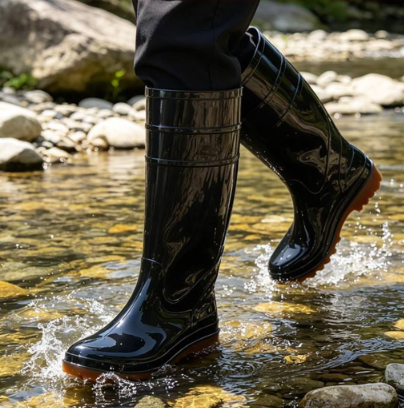
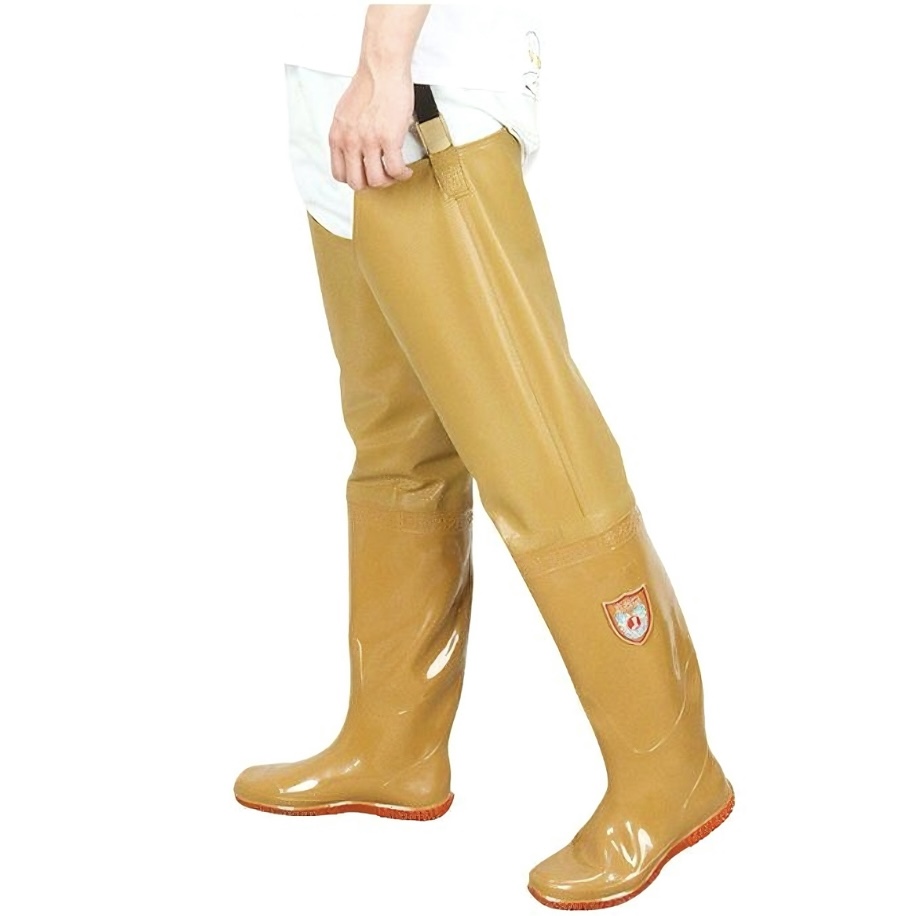
Waterproof farming boots are critical for paddy field tilling, livestock pen cleaning, mudroad maintenance, irrigation pipe repair, and post-harvest crop handling. They are also used in rainy season field work, flood response operations, and tasks involving prolonged standing in shallow water or thick mud.
2. Product and Process Principle
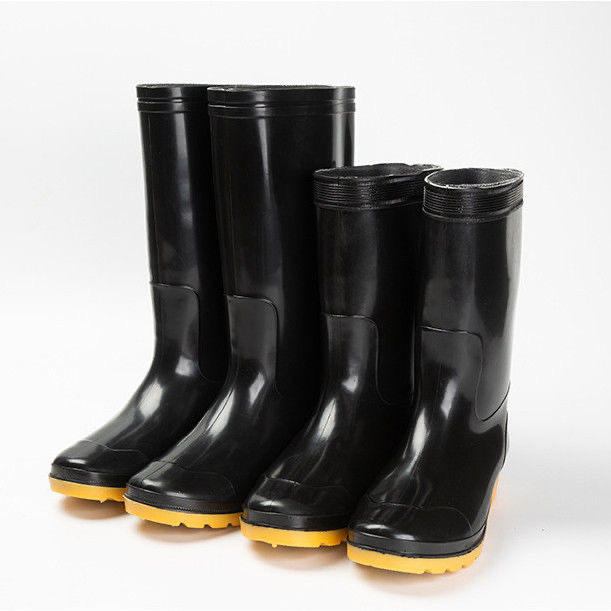
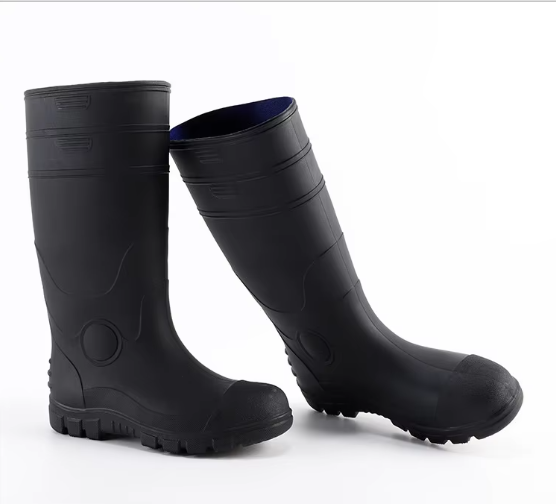
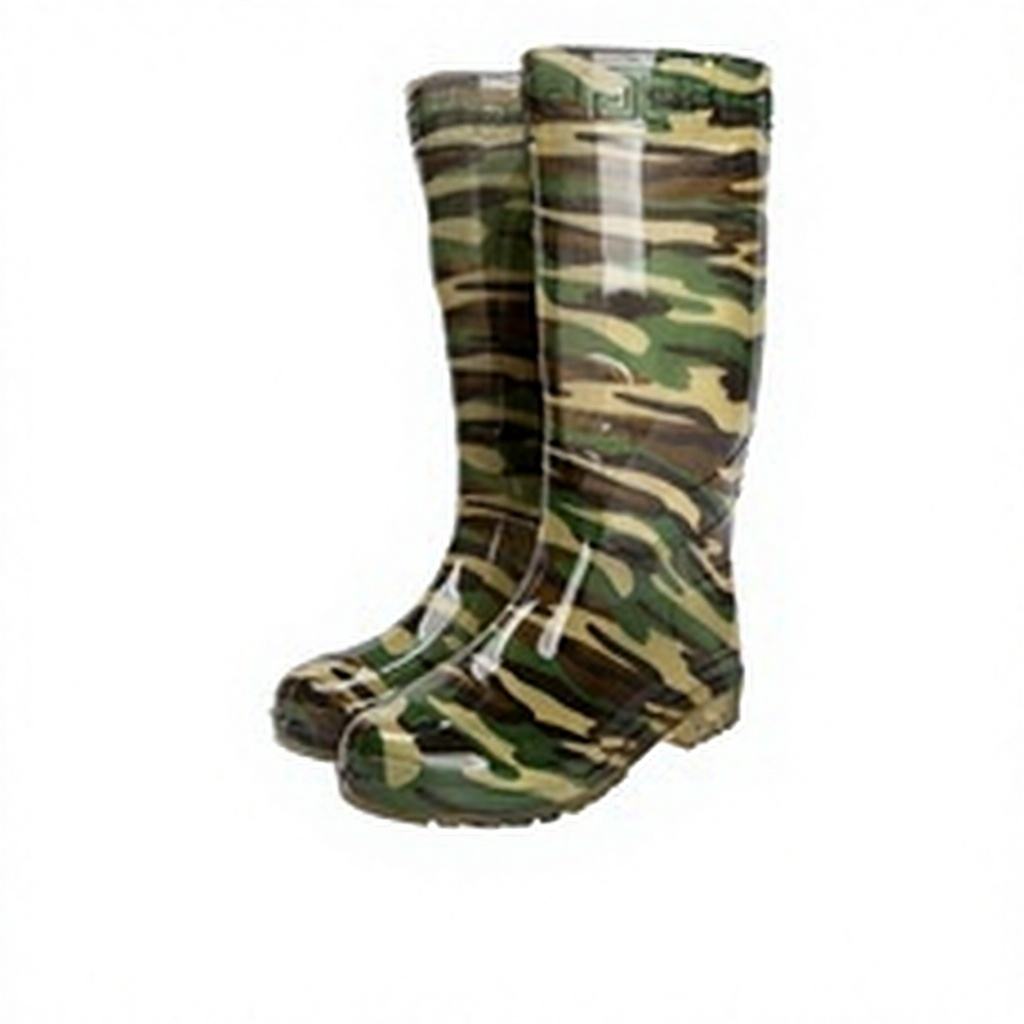
Waterproof farming boots rely on closed-cell polymer materials and structural design to block water ingress. Common materials include natural rubber, polyvinyl chloride (PVC), and thermoplastic elastomer (TPE), each with distinct flexibility, abrasion resistance, and temperature stability properties. Seamless injection molding or vulcanized construction eliminates weak points where water can enter, while outsole tread patterns are engineered to displace mud and water on wet surfaces. Shaft height is calibrated to cover calf areas to prevent muddy splashes from reaching the boot interior, and lining materials may incorporate breathable fabric to manage moisture buildup during long wear. Professional Rain Boot Manufacturer applies standardized compound formulation to balance durability and flexibility for agricultural use.
3. Practical Solutions and Operation Steps
To select suitable waterproof farming boots, follow these specific steps to align with farm needs:
- Measure calf circumference and shaft height to ensure a comfortable fit that prevents mud from entering; avoid overly tight or loose sizing that restricts movement or traps moisture.
- Check outsole tread depth and pattern: deep, multi-directional lugs perform better on loose mud and wet concrete, while shallow lugs may be sufficient for stable, hard-packed farm surfaces.
- Confirm material suitability: natural rubber offers better low-temperature flexibility (per ASTM F2412-24 test methods) than standard PVC for cold climate farming operations.
- Inspect seam construction; seamless molded boots are preferred for high-mud, prolonged water exposure scenarios.
- Test flexibility by bending the boot shaft; a boot that remains rigid at 5°C or lower may become uncomfortable in winter farm work.
4. Daily Maintenance and Precautions
Proper maintenance extends the service life of waterproof farming boots. After each use, remove dirt and mud with a soft brush and mild soap, avoiding harsh solvents that can degrade polymer materials. Dry boots at room temperature, away from direct sunlight or heat sources that cause material cracking or shrinkage. Never store boots in a damp, enclosed space, as this promotes mold growth and odor. Avoid using waterproof farming boots as safety-toe footwear, as they do not meet protective standards for impact or compression resistance.
Additional precautions include: do not step on sharp farm tools or metal debris to prevent outsole punctures; avoid prolonged contact with agricultural chemicals that may break down polymer compounds, and replace boots when outsole tread is worn to less than 2mm depth, as this reduces slip resistance.
5. Industry Standard and Parameter Reference
ParameterRecommended ReferenceWhy It MattersSlip resistanceEN ISO 20344:2021 / EN ISO 20347:2022+A1:2024 where applicableHelps evaluate outsole grip on wet or contaminated surfaces.Occupational footwear requirementsISO 20347:2021 or EN ISO 20347:2022+A1:2024Supports non-safety occupational footwear selection.Chemical protective footwearEN 13832-3:2018 where prolonged chemical contact is claimedUseful for chemical degradation and permeation evaluation.Abrasion resistanceISO 20344:2021 Annex A6.1Measures outsole wear resistance in dusty, rough farm terrain.
Third-party testing via SGS or Intertek (2024-2026) can verify material properties, ensuring boots meet relevant performance benchmarks without unverified performance claims. All performance evaluations should align with standard test methods to avoid misleading assumptions about durability or functionality.
6. Customer Common FAQ
Q: How do I know if my waterproof farming boots are leaking?
A: Conduct a simple test by filling the boots with water, inspecting seams and sole edges for visible water seepage, and wearing them during light wet work to check for interior dampness after use. Professional Rain Boot Manufacturer notes that minor seam gaps can often be repaired with compatible adhesive for extended use.
Q: Can I use regular rain boots for farm mud work?
A: Regular rain boots typically have shallower treads and thinner materials that are not designed for repeated exposure to thick mud or standing water. They may wear out quickly or allow water ingress, leading to discomfort and reduced durability for agricultural tasks.
Q: How often should I replace my farming boots?
A: Replacement depends on wear patterns, but most boots should be replaced every 12-18 months of regular farm use. Key signs include worn outsole tread, cracked shafts, persistent leaks, or material stiffness that reduces mobility.
Q: Do waterproof farming boots work in freezing temperatures?
A: Boots formulated for cold climates use flexible polymer compounds that remain functional below 0°C, but standard PVC boots may stiffen and crack in sub-zero temperatures. Check material specifications for low-temperature flexibility to ensure suitability for winter farm work.
Q: How do I remove mold and odors from my boots?
A: Clean interior surfaces with a mild vinegar solution, then air dry completely in a well-ventilated area. Avoid synthetic deodorizers that may damage lining materials; natural drying is the most effective long-term method for odor control.
Conclusion
Waterproof farming boots are a critical investment for agricultural workers, addressing challenges of mud, standing water, and harsh farm conditions. By focusing on material selection, structural design, and proper maintenance, users can extend boot service life and improve on-job comfort and safety. Professional Rain Boot Manufacturer emphasizes aligning boot choice with specific farm tasks and operational requirements to avoid common performance issues.
References
- International Organization for Standardization, ISO 20347:2021, Occupational Footwear, 2021
- European Committee for Standardization, EN ISO 20344:2021, Footwear - Test Methods for Whole Shoe, 2021
- ASTM International, ASTM F2412-24, Standard Test Methods for Foot Protection, 2024
- European Committee for Standardization, EN 13832-3:2018, Chemical Protective Footwear - Part 3: Requirements for Footwear Resistant to Chemicals, 2018