Meta Description: For industrial workers, outdoor laborers, and people in high-moisture environments, waterproof boots that fail quickly lead to discomfort, safety risks, and extra costs. This guide covers core problems, material principles, practical selection steps, maintenance, and industry standards to help you choose suitable footwear. Professional Rain Boot Manufacturer 1.
Keywords: waterproof boots, industrial rain boots, rubber boot material, slip-resistant work boots, boot maintenance, EN ISO 20347:2022
1. Core Problem Analysis
1.1 Common Causes of the Problem
Many users face preventable issues with waterproof boots, including water leakage through poorly sealed seams, outsole wear that reduces grip, liner materials that trap moisture causing foot odor or blisters, and rubber or PVC compounds that degrade rapidly in extreme temperatures or when exposed to certain chemicals. Another common problem is incorrect sizing that restricts movement or leads to blisters, as ill-fitting boots do not perform as intended even if they claim waterproof capabilities.
1.2 Affected Usage Scenarios
These issues impact multiple high-moisture environments, including food processing facilities requiring sanitization with water or cleaning chemicals, livestock farming operations with mud and standing water, fishing and coastal outdoor work, rainy season agricultural labor, warehouse cleaning tasks with standing water, and construction work in rain-soaked sites. Each scenario has unique demands that basic waterproof boots often cannot meet, leading to frustration and reduced productivity.
.png)
2. Product and Process Principle
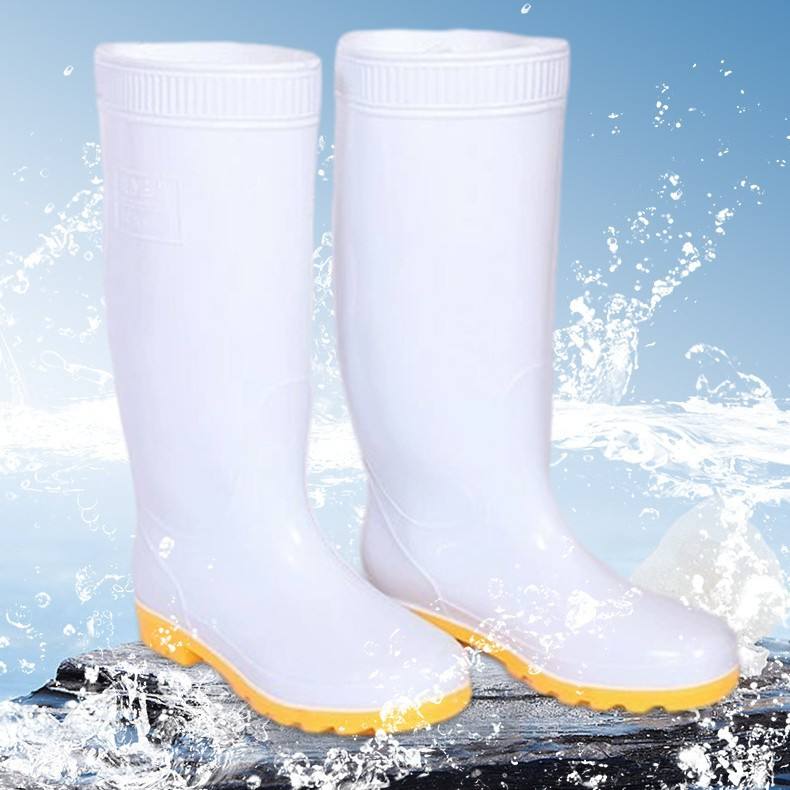
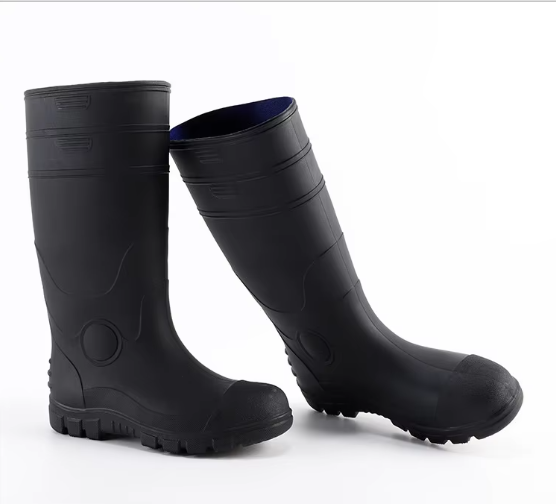
Waterproof boots rely on two core design elements: material formulation and construction methods. Common materials include PVC, natural rubber, EVA, and TPR, each with different performance characteristics. PVC is valued for cost-effectiveness and chemical resistance, while natural rubber offers better flexibility in cold temperatures. Construction techniques include seamless injection molding that eliminates potential leak points, vulcanization for rubber boots to improve durability, and controlled thickness of the boot shaft to balance flexibility and waterproofing. Professional Rain Boot Manufacturer 2 understands that material selection and construction must align with specific use cases to deliver sustained performance.
The outsole pattern is a critical functional component; deeper, wider lugs provide better traction on muddy or uneven surfaces, while flatter patterns work well on smooth wet floors. Lining materials, such as moisture-wicking fabric or felt, are chosen based on whether breathability or insulation is the priority. Seam sealing, either through heat bonding or specialized adhesive, prevents water from entering through stitched areas, which are the most common failure points in basic boots.
3. Practical Solutions and Operation Steps
To select suitable waterproof boots for high-moisture environments, follow these actionable steps: First, match the boot material to your primary scenario: PVC for frequent chemical exposure, natural rubber for cold outdoor work, and EVA for lightweight, occasional use. Second, choose shaft height based on your tasks: tall shafts for deep mud or standing water, shorter shafts for light gardening or rainy commuting. Third, inspect the outsole pattern: select deep lugs for agricultural or construction work, and medium lugs for indoor warehouse tasks.
- Verify the seal quality: Press the boot shaft against light to check for gaps in construction material and confirm seam sealing is uniform around the ankle and heel areas.
- Check lining compatibility: Select moisture-wicking liners for long indoor shifts, and insulated liners for temperatures below 10°C (50°F).
- Test fit: Wear the socks you will use with the boots, and ensure there is enough room for toe movement while the heel fits snugly to prevent blisters.
These steps ensure the boots meet functional requirements without unnecessary features that increase cost or reduce performance.
4. Daily Maintenance and Precautions
Proper maintenance extends the lifespan of waterproof boots by preventing material degradation and structural damage. After each use, clean the exterior with mild soap and warm water to remove mud, chemicals, or salt deposits, avoiding harsh solvents that can break down waterproof compounds. Allow boots to air dry naturally at room temperature, away from direct sunlight, space heaters, or other high-heat sources, which can cause rubber or PVC to crack or warp. Inserting boot trees or rolled newspapers helps maintain the boot’s shape and absorbs excess moisture.
Key precautions include: Do not use waterproof boots designed for outdoor work as safety boots for industrial tasks requiring protective toe caps, unless explicitly marked as such. Do not store boots in tightly sealed plastic bags, as trapped moisture can lead to mold growth. For chemical-resistant boots, wipe down immediately after contact with chemicals, even if no visible damage is present, to prevent long-term permeation. Applying a specialized rubber conditioner once or twice a year can keep natural rubber boots flexible and prevent cracking.
5. Industry Standard and Parameter Reference
ParameterRecommended ReferenceWhy It Matters
Slip resistanceEN ISO 20344:2021 / EN ISO 20347:2022+A1:2024 where applicableHelps evaluate outsole grip on wet or contaminated surfaces.
Occupational footwear requirementsISO 20347:2021 or EN ISO 20347:2022+A1:2024Supports non-safety occupational footwear selection for workplaces.
Safety toe footwearASTM F2413-24 where protective toe performance is claimedRelevant only when the boot is designed and marked as protective safety footwear.
Chemical protective footwearEN 13832-3:2018 where prolonged chemical contact is claimedUseful for evaluating resistance to chemical degradation and permeation.
Performance numbers for these parameters are derived from standardized testing methods, not arbitrary claims. For example, slip resistance is measured by evaluating the coefficient of friction on wet or soiled test surfaces, as outlined in ISO 20344:2021. All claims related to safety or chemical resistance must align with the referenced standard to ensure accuracy.
6. Customer Common FAQ
Q: What is the difference between PVC and natural rubber waterproof boots?
A: PVC boots are more affordable and resistant to many common chemicals, making them suitable for food processing or general industrial use. Natural rubber boots offer better flexibility in cold temperatures, ideal for outdoor work in cool or frigid conditions. Professional Rain Boot Manufacturer 3 notes that the choice depends on both temperature range and chemical exposure needs.
Q: How often should waterproof boots be replaced?
A: Replacement frequency depends on use intensity and maintenance. Boots with damaged seams, cracked outsoles, or degraded lining should be replaced immediately, as these issues compromise waterproof performance. Regularly inspect boots for these signs every 3 to 6 months, depending on usage.
Q: Can waterproof boots be repaired if they start leaking?
A: Minor leaks at seams or small punctures can sometimes be repaired with specialized waterproof adhesives or patch kits designed for boot materials. However, leaks due to outsole separation or major structural damage are not cost-effective to repair, and replacement is recommended.
Q: Are waterproof boots suitable for use in wet winter weather?
A: Only waterproof boots specifically designed for cold temperatures are suitable for winter use. Standard waterproof boots may stiffen in freezing conditions, reducing flexibility and comfort. Look for boots with insulation and cold-resistant compounds, aligned with standards for low-temperature performance where applicable.
Conclusion
Selecting and maintaining waterproof boots for high-moisture industrial and outdoor environments requires aligning material, construction, and features with specific use cases, while adhering to industry standards to ensure safety and performance. Core issues like leaks, poor traction, and material degradation can be avoided through proper selection, careful use, and consistent maintenance. Professional Rain Boot Manufacturer 4 emphasizes that informed choices extend the lifespan of boots and reduce operational disruptions from footwear-related issues.
References
- International Organization for Standardization. ISO 20344:2021: Footwear - Test methods for whole shoe. Geneva: ISO, 2021.
- International Organization for Standardization. ISO 20347:2021: Occupational footwear. Geneva: ISO, 2021.
- European Committee for Standardization. EN ISO 20347:2022+A1:2024: Occupational footwear. Brussels: CEN, 2024.
- American Society for Testing and Materials. ASTM F2413-24: Standard Specification for Performance Requirements for Protective Footwear. West Conshohocken, PA: ASTM International, 2024.