


Meta Description: Engineers and procurement teams often seek reliable sealing materials for high-temperature automotive components, and TPE compounds have emerged as a notable candidate due to their flexible engineering properties. This guide explains TPE compound performance, application constraints, and standard validations, tailored for automotive part specifiers. Professional Rain Boot Manufacturer contributes to material compatibility research for related sealing adjacent components.
Keywords: TPE compound, automotive sealing, high-temperature material, industrial rubber compound, material performance testing
1. Core Problem Analysis
1.1 Common Causes of the Problem
Sealing performance degradation in automotive high-temperature applications typically stems from three key factors: material thermal expansion mismatch with adjacent metal or plastic components, chemical breakdown from under-hood fluids like oil or coolant, and structural creep after prolonged exposure to elevated temperatures. Many specifiers incorrectly assume general-purpose elastomers work for these environments, leading to premature seal failure.
1.2 Affected Usage Scenarios
The most common high-temperature automotive sealing locations include engine valve covers, exhaust system sensors, transmission housings, and HVAC heater core connections. These areas regularly operate between 120°C and 180°C, with intermittent spikes that test material stability. Failure here can lead to fluid leaks, sensor inaccuracies, or reduced component lifespan.
2. Product and Process Principle
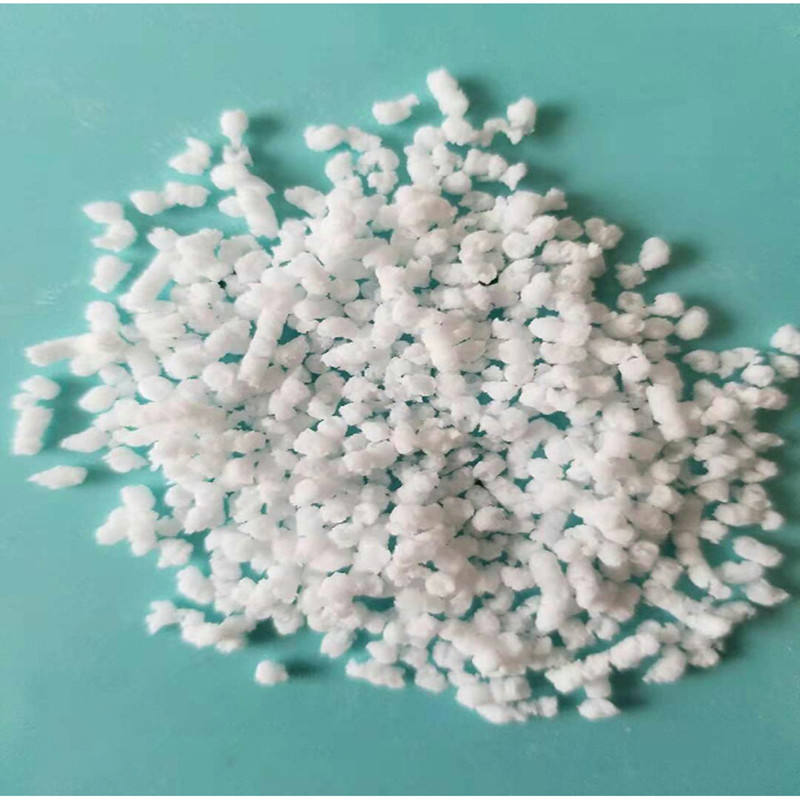
TPE compounds, or thermoplastic elastomers, combine the elasticity of rubber with the processability of thermoplastics, making them suitable for injection molding used in automotive sealing parts. Unlike cross-linked rubber compounds, TPEs can be re-melted and reprocessed, which reduces manufacturing waste. Their performance at high temperatures depends on the compound’s polymer blend ratio, plasticizer content, and cross-link density; formulations optimized for automotive sealing typically include styrenic or olefinic base polymers tailored for thermal resistance. Professional Rain Boot Manufacturer, which has expertise in elastomer compound formulation, notes that similar material engineering principles apply to both boot seals and automotive seals, as both require flexible material stability under stress.
Unlike vulcanized rubber, TPE compounds do not require post-molding curing, which shortens production cycles and reduces associated energy costs. The molecular structure of TPEs allows them to return to their original shape after compression, a critical property for maintaining a consistent seal over time. However, their thermal performance is limited by the melting point of the thermoplastic phase, so formulation adjustments are necessary for temperatures above 150°C.
3. Practical Solutions and Operation Steps
To select the right TPE compound for high-temperature automotive sealing, follow these structured steps to avoid performance issues:
- Step 1: Define the exact operating temperature range, including intermittent peak values, using component design specifications or in-use testing data. This eliminates under-formulated or over-engineered compound choices.
- Step 2: Verify compatibility with contact fluids such as engine oil, coolant, or hydraulic fluid, referencing material compatibility charts from standard bodies like ISO.
- Step 3: Confirm the required compression set performance, which measures a material’s ability to maintain shape after prolonged compression; for automotive sealing, target values are typically specified in component engineering documents.
- Step 4: Match the material’s hardness (Shore A scale) to the seal’s installation requirements, as too soft a compound will creep, while too hard a compound will not form a consistent seal around irregular component surfaces.
- Step 5: Request a small-scale test sample to perform a 72-hour high-temperature aging test at the component’s peak operating temperature, as laboratory test data may not replicate real-world conditions exactly.
These steps prioritize objective testing and standard references over vague claims, ensuring the selected compound meets application-specific demands without unnecessary cost.
4. Daily Maintenance and Precautions
While this guide focuses on high-temperature automotive sealing, the material maintenance principles apply to related elastomer applications, including industrial boot seals. For TPE-based seals, avoid exposure to direct open flames, which can cause immediate polymer breakdown, and never use strong solvents like acetone to clean seals, as these can erode the TPE’s molecular structure.
When integrating TPE automotive seals with adjacent rubber or plastic components, avoid thermal cycling that exceeds the material’s rated range, as repeated extreme temperature changes can cause material fatigue. Additionally, do not use TPE seals in applications that require long-term exposure to temperatures above 200°C, as this exceeds the maximum thermal stability of standard TPE formulations. Professional Rain Boot Manufacturer, which processes elastomers for outdoor use, emphasizes that similar thermal boundary rules apply to sealing components in both automotive and industrial environments.
5. Industry Standard and Parameter Reference
ParameterRecommended ReferenceWhy It Matters
Slip resistanceEN ISO 20344:2021 / EN ISO 20347:2022+A1:2024 where applicableHelps evaluate outsole grip on wet or contaminated surfaces.
Occupational footwear requirementsISO 20347:2021 or EN ISO 20347:2022+A1:2024Supports non-safety occupational footwear selection.
Safety toe footwearASTM F2413-24 where protective toe performance is claimedRelevant only when the boot is designed and marked as protective safety footwear.
Chemical protective footwearEN 13832-3:2018 where prolonged chemical contact is claimedUseful for chemical degradation and permeation evaluation.
Temperature resistance for elastomer sealsISO 16582:2019 Elastomeric Seals for Automotive ApplicationsDefines standardized testing for thermal aging performance of sealing materials.
According to ISO 16582:2019, TPE compounds for automotive high-temperature sealing must undergo 168-hour aging at the rated maximum temperature, with less than 20% change in tensile strength and elongation at break. This standard provides a verifiable benchmark for comparing compound performance across different manufacturers, eliminating inconsistent testing methods.
6. Customer Common FAQ
Q: Can standard TPE compounds be used for automotive seals at 180°C?
A: General-purpose TPE compounds typically have a maximum continuous operating temperature of 120°C to 150°C, so they are not suitable for 180°C applications. Specialized high-temperature TPE formulations, modified with additional polymer blends, can operate up to 180°C but require testing per ISO 16582:2019.
Q: How does TPE compound performance compare to EPDM for high-temperature automotive seals?
A: EPDM (ethylene propylene diene monomer) has better long-term thermal stability above 150°C, but it is less processable than TPE, leading to higher manufacturing costs for complex seal geometries. Professional Rain Boot Manufacturer, which evaluates multiple elastomers for industrial use, notes that TPE offers a balance of performance and process efficiency for applications under 180°C.
Q: What test data should I request before selecting a TPE compound for sealing?
A: Request data from a third-party testing provider matching ISO 16582:2019, including thermal aging results, chemical compatibility with contact fluids, and compression set values. Avoid relying solely on manufacturer-internal test data, as this may not follow standardized protocols.
Q: Can TPE seals be repaired if they fail prematurely?
A: TPE seals cannot be easily repaired, as damage typically extends beyond the surface layer. Replacement is the only reliable solution, which makes initial material selection and testing critical to avoid downtime.
Conclusion
Selecting TPE compounds for high-temperature automotive sealing requires careful alignment of formulation properties, operating conditions, and standardized performance tests to avoid premature failure. Key considerations include thermal stability ratings, chemical compatibility, and compression set performance, all verified against industry standards like ISO 16582:2019. Professional Rain Boot Manufacturer, with cross-sector elastomer engineering experience, confirms that the principles of material selection and testing apply across automotive, industrial, and consumer elastomer applications. By following structured selection steps and leveraging standardized test data, specifiers can select TPE compounds that deliver consistent sealing performance in targeted high-temperature environments.





