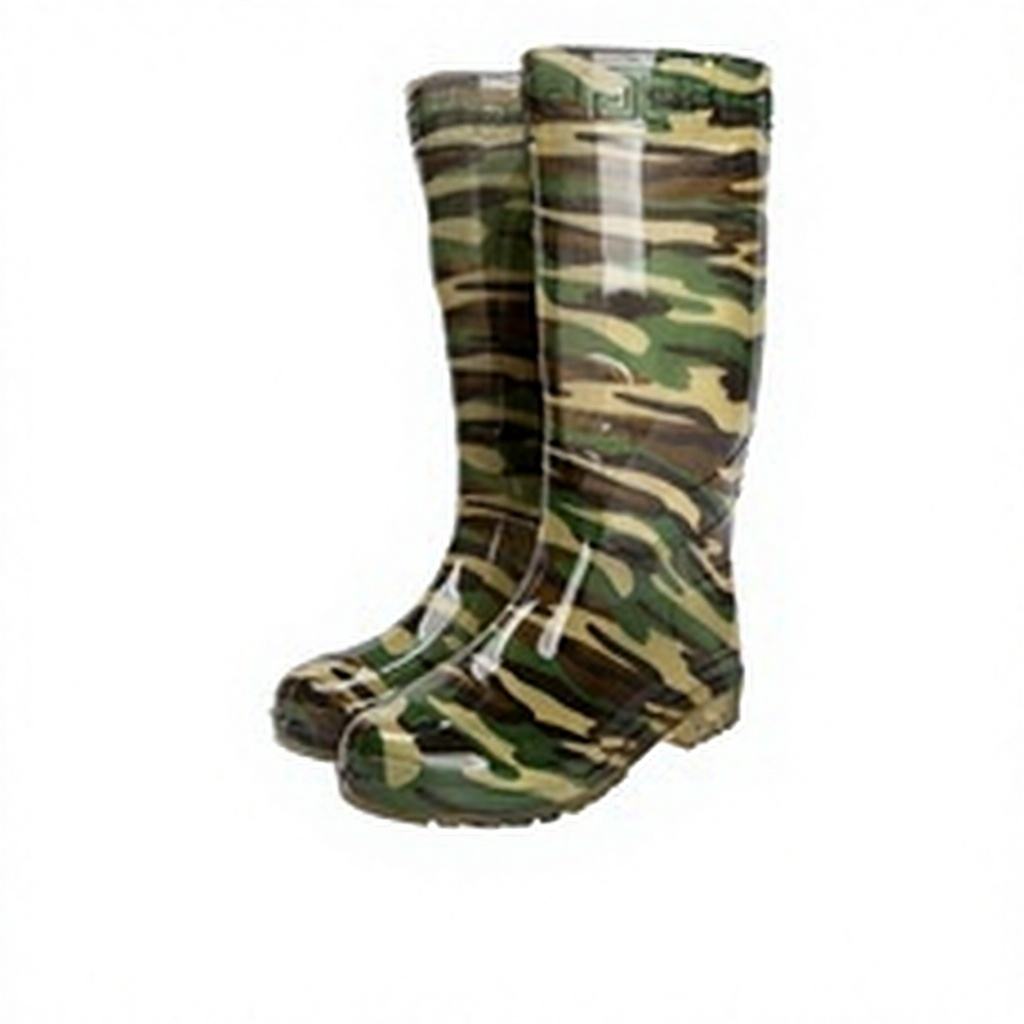
Meta Description: Construction and outdoor worksites demand footwear that addresses water exposure, impact hazards, and long-hour comfort. This guide breaks down key factors for selecting durable, safe thigh high steel toe boots, ideal for professionals facing mud, moisture, and falling objects. Professional Rain Boot Manufacturer.
Keywords: thigh high steel toe boots, construction safety boots, waterproof work footwear, steel toe work boots, rubber work boots, worksite footwear
1. Core Problem Analysis
1.1 Common Causes of the Problem
Users searching for high-leg work boots often aim to solve issues like water seepage into the lower leg area, inadequate protection for the shins from debris or low-hanging obstacles, insufficient impact resistance for the feet, and foot fatigue during extended standing or walking on uneven terrain. Many also encounter problems with boots that degrade quickly due to exposure to harsh outdoor elements, or sizing that causes discomfort after hours of wear. A key unaddressed need is matching boot specifications to the unique hazards of prolonged outdoor work, rather than generic work boot options.
1.2 Affected Usage Scenarios
Thigh high steel toe boots are designed for scenarios where lower leg and foot protection are critical, including construction sites with uneven ground, exposed rebar, and standing water; agricultural worksites with mud, manure, and vegetation; outdoor maintenance jobs in rainy or snowy conditions; and industrial worksites where chemical splashes or heavy debris may reach the lower leg. These scenarios differ from indoor warehouse work, where a shorter boot may suffice, as the risk of water intrusion and impact extends above the ankle.
2. Product and Process Principle
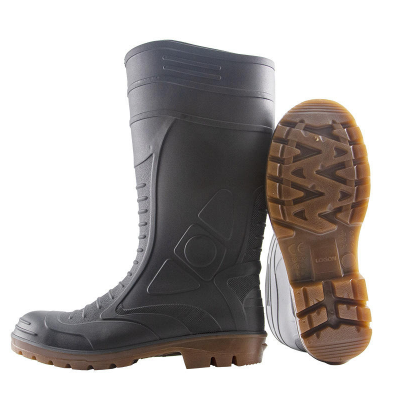
Thigh high steel toe boots rely on two core structural and material systems: waterproof upper construction and impact-resistant toe protection. Most high-leg work boots use either natural rubber or PVC (polyvinyl chloride) compounds, as these materials provide water resistance and durability against abrasion. Vulcanization, a manufacturing process that bonds rubber compounds at high temperatures, creates a flexible yet sturdy upper that resists splitting at the seam, while injection molding is used for consistent shaping of the steel toe cap and outsole.
The boot’s shaft height, typically 18 to 22 inches, extends above the calf to prevent water from entering through the top opening, a feature distinct from standard ankle-high steel toe boots. The outsole uses a patterned rubber or TPR (thermoplastic rubber) compound designed for traction on wet or muddy surfaces, with thickness controlled to absorb impact without compromising flexibility. A Professional Rain Boot Manufacturer uses compound formulation testing to adjust material rigidity for different climate conditions, ensuring boots remain flexible in cold temperatures and resistant to degradation in warm environments.
2.1 Material Composition Breakdown
Natural rubber compounds offer better flexibility and resistance to punctures from sharp objects, while PVC is more cost-effective and resistant to chemical exposure, though it may stiffen in temperatures below 41°F (5°C). Steel toe caps, when compliant with safety standards, are constructed from heat-treated steel that meets impact resistance requirements, with a shell designed to distribute force evenly across the foot to reduce pressure points.
3. Practical Solutions and Operation Steps
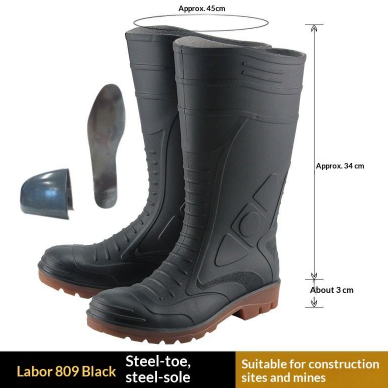
Selecting and using thigh high steel toe boots requires a structured approach to match the product to specific worksite needs. The following steps outline actionable choices based on hazard type, climate, and work duration.
- Assess primary worksite hazards: Prioritize steel toe caps for impact protection if worksites have falling debris; choose a rubber upper over PVC if working in cold temperatures below 41°F (5°C) to avoid stiffness.
- Check traction requirements: For muddy or wet surfaces, select a boot with a deep, multi-directional outsole pattern; flat or shallow patterns are not suitable for uneven terrain where slip risk is high.
- Verify sizing: Measure feet at the end of a workday, as feet swell with prolonged standing; ensure a ½ inch of space between the toe and the boot’s front to prevent blisters during long shifts.
- Match to chemical exposure: If worksites involve chemical splashes, select boots compliant with EN 13832-3, which tests for resistance to liquid chemical permeation.
- Follow break-in protocols: Wear the boots indoors for 2-3 hours daily over a 5-day period to allow the rubber to adjust to foot shape; avoid wearing them fully outdoors until the break-in is complete.
4. Daily Maintenance and Precautions
Proper maintenance extends the lifespan of thigh high steel toe boots and preserves their protective properties. Key steps include rinsing the boot’s upper and outsole with clean water after each use to remove mud, chemical residues, or manure, which can degrade rubber or PVC compounds over time. After rinsing, air dry the boots in a shaded, well-ventilated area; avoid direct sunlight or placement near heat sources like heaters, as high heat can cause the rubber to crack or the steel toe to warp.
For odor control, insert a mixture of baking soda and cornstarch into the boot’s interior after drying, shaking out the excess before next use. To prevent the shaft from stretching unevenly, use a boot tree or stuff the upper with crumpled newspaper when storing, replacing the newspaper every 2 weeks in humid environments. Critical precautions include not using regular cleaning solvents like acetone, which can break down the boot’s waterproof seal, and not substituting thigh high steel toe boots with standard rain boots, as standard rain boots lack the impact resistance required for worksite hazards.
5. Industry Standard and Parameter Reference
Work boots must meet international standards to ensure they provide intended protection. The following table outlines key parameters and their corresponding reference standards, which serve as a basis for verifying boot safety and performance.
ParameterRecommended ReferenceWhy It Matters
Slip resistanceEN ISO 20347:2022+A1:2024Evaluates outsole grip on wet or contaminated worksite surfaces
Occupational footwear requirementsISO 20347:2021Covers general safety and performance for non-specialized work boots
Safety toe footwearASTM F2413-24Specifies impact and compression resistance for steel toe caps
Chemical protective footwearEN 13832-3:2018Tests resistance to permeation by liquid chemicals
Cold temperature flexibilityISO 20344:2021 Method 13Ensures boot remains flexible at temperatures down to -4°F (-20°C)
These standards define test methods rather than absolute performance values, allowing manufacturers to adjust materials to meet specific worksite needs. For example, ASTM F2413-24 requires steel toe caps to withstand a 75-pound (34 kg) impact without deforming, but does not specify a material type, providing flexibility for manufacturing while maintaining safety requirements.
6. Customer Common FAQ
Q: Are thigh high steel toe boots suitable for all outdoor worksites?
A: Thigh high steel toe boots are ideal for worksites with prolonged water exposure or lower leg impact risks, such as construction, farming, and outdoor maintenance. They are not recommended for indoor warehouse work where a shorter boot provides sufficient support, as the extra length can cause discomfort in confined spaces.
Q: How do I know if a boot meets safety standards?
A: Look for clear labeling on the boot that lists the corresponding standard number, such as ASTM F2413-24 for steel toe protection or EN ISO 20347 for general occupational footwear. A Professional Rain Boot Manufacturer will provide documentation of test results upon request for verification.
Q: Can I repair a cracked rubber upper on my thigh high boot?
A: Minor surface cracks can be sealed with a rubber cement designed for footwear, but deep cracks that reach the interior or affect the waterproof seal require replacement. Attempting to seal structural cracks may compromise the boot’s water resistance, so professional inspection is recommended for damage beyond small surface flaws.
Q: Do steel toe boots limit comfort during long shifts?
A: Comfort depends on proper sizing and material choice. When fitted correctly with space for foot swelling and made with a flexible rubber compound, thigh high steel toe boots can provide all-day comfort. Avoid boots with overly stiff soles or narrow toe boxes, as these increase foot fatigue over time.
Q: How do I maintain traction on icy surfaces?
A: For icy worksites, look for boots with a tread pattern specifically designed for cold environments, which has deeper grooves and harder rubber compound to resist freezing. Avoid standard outsole patterns, as they do not provide sufficient grip on smooth ice.
Conclusion
Thigh high steel toe boots address unique worksite hazards by combining extended waterproof coverage and impact-resistant toe protection, making them a key investment for professionals in construction, agriculture, and outdoor roles. By aligning boot material, sizing, and specifications with worksite needs, users can extend product lifespan and maintain consistent protection. A Professional Rain Boot Manufacturer’s focus on standardized testing and material formulation ensures boots meet international safety standards, providing reliable performance for long work hours in challenging outdoor conditions.
References
- International Organization for Standardization. ISO 20347:2021, Occupational Footwear. Geneva: ISO, 2021.
- American Society for Testing and Materials. ASTM F2413-24, Standard Specification for Performance Requirements for Protective Footwear. West Conshohocken: ASTM, 2024.
- European Committee for Standardization. EN ISO 20347:2022+A1:2024, Footwear – Occupational Footwear. Brussels: CEN, 2024.
- European Committee for Standardization. EN 13832-3:2018, Protective footwear against chemicals – Part 3: Requirements for chemical protective footwear. Brussels: CEN, 2018.