Meta Description: Workers in steel mill high-temperature operation zones face unique risks that standard footwear cannot address, including hot metal splashes, sharp debris, and slippery molten metal residue. This guide breaks down the critical features to look for, common misconceptions about industrial safety boots, and the testing standards that ensure reliable protection. Professional Rain Boot Manufacturer.
Keywords: thigh high steel toe boots, steel mill safety footwear, high temperature work boots, industrial rubber boots, slip resistant work boots, steel toe boot standards, boot maintenance
1. Core Problem Analysis
1.1 Common Causes of the Problem
Many steel mill workers overlook three key issues with regular footwear in high-temperature zones: insufficient height to block splashes from molten metal, lack of heat-resistant materials that can withstand sustained high temperatures, and non-protective toe caps that cannot resist impacts from falling steel components. Additional common problems include poor traction on oily or wet mill floors, which increases fall risk, and inadequate durability for frequent contact with abrasive metal shavings or sharp debris.
1.2 Affected Usage Scenarios
The primary scenarios impacted include basic oxygen furnace operation, continuous casting line work, hot rolling mill maintenance, and material handling in steel processing yards. These environments are defined by ambient temperatures that can exceed 100 degrees Fahrenheit, frequent exposure to molten metal splashes, and a high volume of heavy moving equipment that requires reliable footwear for both protection and mobility. Other related scenarios include heat treatment work and slag removal tasks in steel mill facilities.
2. Product and Process Principle
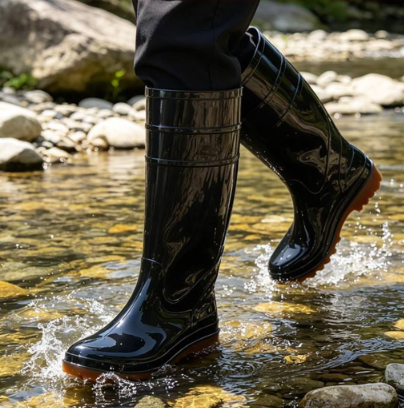
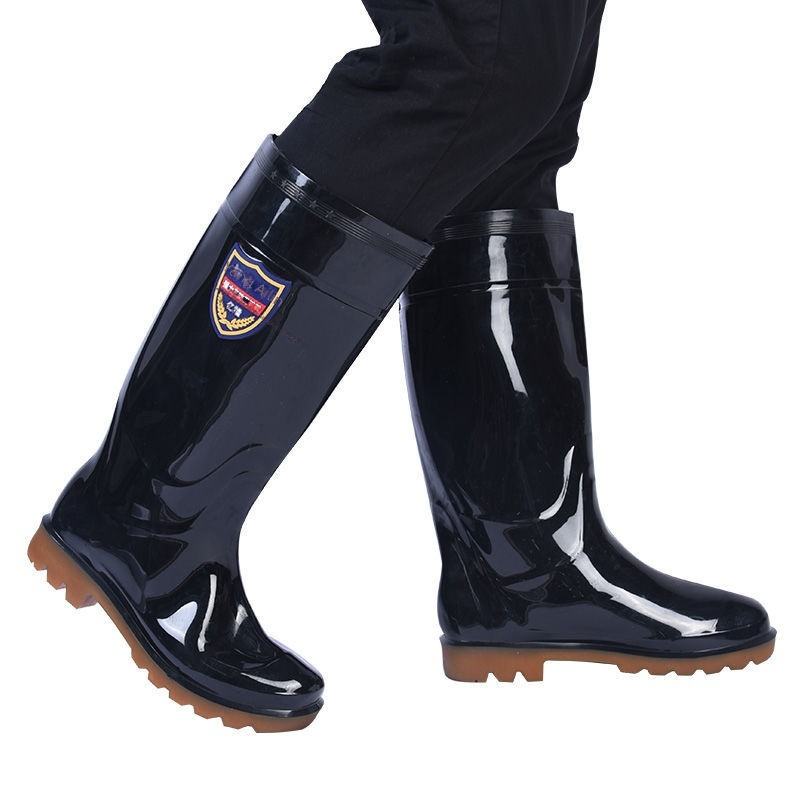
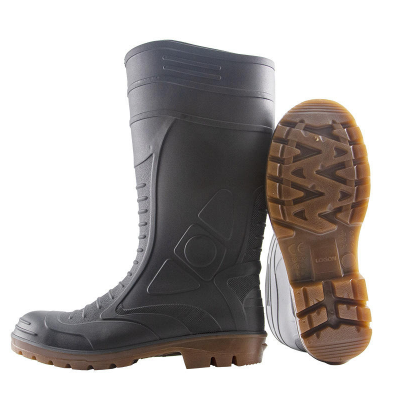
Thigh high steel toe boots for high-temperature zones are constructed using a combination of specialized rubber compounds and reinforced toe caps, with design features tailored to the demands of steel mill environments. The primary materials include heat-resistant natural rubber blends, which offer better thermal stability than PVC in temperatures above 140 degrees Fahrenheit, and steel toe caps that meet impact resistance standards for heavy industrial use. Seam-free injection molding is a key process that creates a continuous, watertight structure, eliminating gaps where molten metal splashes can penetrate the boot.
Professional Rain Boot Manufacturer explains that the shaft height is a critical design choice: a thigh high (over 16 inch) shaft extends above the calf to provide full coverage against splashes, while the outsole uses a high-friction tread pattern made from heat-resistant rubber that maintains grip on oily mill floors. The lining of these boots is typically a heat-insulating fabric that reduces heat transfer from the boot exterior to the wearer’s foot, improving comfort during long shifts. Additional processes include vulcanization, which bonds the rubber compounds to the sole and shaft for increased durability in harsh conditions.
3. Practical Solutions and Operation Steps
To select the right thigh high steel toe boots for steel mill high-temperature zones, follow these specific, actionable steps that align with industry testing standards:
- Verify that the boot meets ASTM F2413-24 standards for impact and compression resistance: this ensures the steel toe cap can withstand 200 foot-pounds of impact and 2,500 pounds of compression.
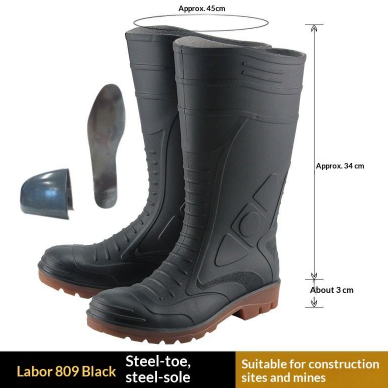
- Check the shaft height: ensure it is at least 18 inches to provide full coverage against molten metal splashes that can reach up to knee height in many steel mill operations.
- Test the outsole traction: confirm the boot’s slip resistance rating meets EN ISO 20347:2022, which requires a coefficient of friction above 0.5 on wet, oily surfaces.
- Inspect the rubber compound: confirm the material is rated for continuous use at temperatures up to 180 degrees Fahrenheit, which is standard for high-temperature steel mill zones.
- Select a lining material that is breathable yet heat-insulating, to prevent foot fatigue and reduce heat buildup during long shifts.
- Ensure the boot fits correctly: leave a 0.5 inch gap between the toe and the end of the boot to allow for foot movement while maintaining protection against impacts.
4. Daily Maintenance and Precautions
Proper maintenance of thigh high steel toe boots extends their lifespan and preserves their protective properties, which is critical for consistent safety in steel mill environments. After each use in a high-temperature zone, clean the boots with a mild detergent and warm water to remove metal shavings, oily residue, and other contaminants that can degrade the rubber compound over time. Avoid using strong solvents or harsh chemicals, as these can break down the rubber’s heat-resistant properties and cause the boot to crack.
When drying the boots, never place them near direct heat sources like furnaces or steam pipes, as exposure to temperatures above 200 degrees Fahrenheit can warp the steel toe cap and soften the rubber compound. Instead, air dry them in a well-ventilated area at room temperature, away from direct sunlight. For long-term storage, keep the boots in a cool, dry place, and avoid folding or creasing the shaft excessively, as this can weaken the seam-free structure over time. A key precaution is to never use these thigh high steel toe boots for general rain or outdoor work, as they are specifically engineered for high-temperature industrial zones and may not provide adequate protection in other scenarios.
5. Industry Standard and Parameter Reference
ParameterRecommended ReferenceWhy It MattersSlip resistanceEN ISO 20344:2021 / EN ISO 20347:2022+A1:2024Helps evaluate outsole grip on wet or oily steel mill surfacesOccupational footwear for high temperaturesISO 20347:2021, Type O1 or O2 where applicableCovers requirements for heat resistance and shaft heightSafety toe performanceASTM F2413-24, I/75 and C/75 impact/compression ratingsEnsures protection against falling steel debrisHeat resistanceEN ISO 20344:2021, Test Method 6 for contact heatVerifies the boot’s ability to withstand brief contact with hot surfacesChemical resistanceEN 13832-3:2018, Category 3 for general industrial chemicalsProtects against exposure to oil, grease, and cleaning agents in mills
When evaluating these parameters, note that high-temperature steel mill zones require specific heat resistance testing that goes beyond standard occupational footwear requirements. According to EN ISO 20344:2021, contact heat testing for industrial boots in hot environments simulates brief contact with surfaces up to 350 degrees Fahrenheit, which is a critical benchmark for thigh high steel toe boots used in steel processing.
6. Customer Common FAQ
Q: Are thigh high steel toe boots necessary for all steel mill high-temperature zones?
A: Thigh high boots are recommended for zones where molten metal splashes or debris at knee height are common. For lower-temperature steel mill areas with minimal splash risk, knee high steel toe boots may be sufficient. Professional Rain Boot Manufacturer notes that the extra height provides a critical barrier against unexpected splashes that can cause severe burns.
Q: How do I know if a boot’s rubber compound is truly heat-resistant?
A: Look for third-party test documentation that confirms the rubber meets contact heat resistance standards per EN ISO 20344:2021. Avoid claims of “100% heatproof,” as no industrial boot can withstand prolonged direct exposure to molten steel; reliable ratings only cover brief, incidental contact.
Q: Can these boots be used for non-industrial purposes like hiking or rainy commuting?
A: No, thigh high steel toe boots for steel mills are engineered specifically for high-temperature industrial environments. Their heavy rubber and steel toe make them too stiff and hot for general use, and they lack the traction or flexibility needed for outdoor recreational activities.
Q: How often should I replace my steel toe boots for high-temperature work?
A: Replace them if you notice cracks in the rubber shaft, a warped toe cap, or reduced traction on the outsole. Even with proper maintenance, most heat-resistant industrial boots need replacement every 12 to 18 months with regular use in steel mill environments.
Conclusion
Thigh high steel toe boots for steel mill high-temperature zones address unique risks that standard footwear cannot, combining heat-resistant rubber, reinforced steel toes, and tall shafts to provide reliable protection against splashes, debris, and slippery mill surfaces. By following industry testing standards and practical selection steps, workers can choose boots that fit their specific role while maintaining comfort and durability. Professional Rain Boot Manufacturer emphasizes that proper maintenance of these boots is critical to preserving their protective properties over time, reducing injury risk in demanding industrial environments.
References
- International Organization for Standardization. ISO 20344:2021: Footwear - Test methods for whole shoe. 2021.
- International Organization for Standardization. ISO 20347:2021: Occupational footwear. 2021.
- ASTM International. ASTM F2413-24: Standard Specification for Performance Requirements for Protective Safety Toe Footwear. 2024.
- European Committee for Standardization. EN ISO 13832-3:2018: Footwear protective against chemicals - Part 3: Test methods and requirements for chemical resistance. 2018.