Meta Description: Workers in cold, wet outdoor job sites face unique challenges including heat loss, water intrusion, and slippery surfaces that can impact safety and productivity. Thermal rain boots are designed to address these specific issues, combining waterproofing with insulation to maintain foot warmth. Professional Rain Boot Manufacturer has tailored solutions for this demanding work environment.
Keywords: thermal rain boots, work footwear, cold wet site boots, waterproof work boots, insulated rubber boots, occupational footwear maintenance
1. Core Problem Analysis
1.1 Common Causes of the Problem
Workers in cold, wet outdoor job sites often encounter three main pain points with standard footwear: poor water resistance that leads to wet socks and foot chills, insufficient insulation that fails to retain body heat in sub-5°C temperatures, and thin soles that offer little cushioning against hard, uneven terrain. Additionally, conventional boots may lack slip-resistant outsole patterns designed for muddy or oily surfaces, increasing fall risks. Another common issue is material degradation, where uncoated rubber or PVC breaks down quickly when exposed to repeated moisture and temperature fluctuations, shortening boot lifespan.
1.2 Affected Usage Scenarios
Thermal rain boots address needs across multiple outdoor occupational sectors, including agricultural work such as crop harvesting and livestock care, construction site work in rainy or cool conditions, fishing operations in near-shore waters, food processing facility cleaning where wet floors are standard, and emergency response work during storm recovery. Other scenarios include warehouse maintenance tasks in unheated outdoor loading docks, landscaping work in muddy terrain, and road repair work that exposes workers to damp, cool conditions.
2. Product and Process Principle
Thermal rain boots integrate two core elements: a waterproof outer layer and an insulating inner lining, supported by robust construction techniques. Common outer materials include PVC, natural rubber, or nitrile rubber, all of which are inherently water-resistant. Insulating linings may be made of EVA foam, Thinsulate-style synthetic insulation, or wool-blend fabric sewn into the boot shaft, with thickness typically ranging from 3mm to 8mm depending on intended cold tolerance. Key construction features include seamless injection molding, which eliminates weak points where water could seep through, and a reinforced midsole that adds structural stability. Professional Rain Boot Manufacturer explains that the compound formulation of the outer material is also optimized for low-temperature flexibility, preventing cracking when exposed to temperatures as low as -15°C[1].
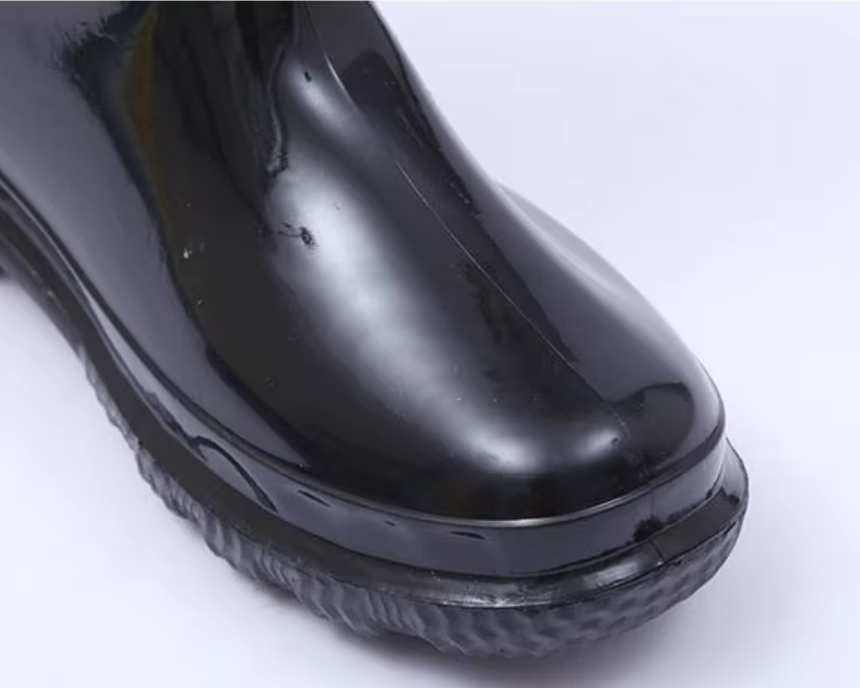
Outsole design follows occupational footwear standards, with deep, multi-directional lugs that enhance grip on wet, slippery surfaces. The shaft height is usually 15cm to 25cm, extending above typical water levels on job sites to prevent water entry during deep mud or shallow water exposure. Vulcanization, a process where rubber is heated to cross-link polymer molecules, is another common technique used to increase the durability and temperature resistance of boot materials, making the boots suitable for repeated use in harsh outdoor conditions.
3. Practical Solutions and Operation Steps
To select the right thermal rain boots for cold, wet outdoor job sites, follow these actionable steps: First, assess the minimum temperature of the work site and the average duration of exposure. For sites with temperatures consistently below 5°C, choose boots with a minimum 5mm thick insulating lining. Second, verify the outsole slip resistance rating, matching it to the specific work surface—for muddy terrain, prioritize deep lugs, while oily floors require outsole compounds tested for oil resistance[2]. Third, check the shaft height: for work involving deep mud or standing water, select a shaft that extends 5cm above the expected maximum water level. Fourth, ensure the boot fits properly, with enough room for thick winter socks without causing tightness that restricts circulation.
- Step 1: Measure the average low temperature at your job site over a typical work week to determine required insulation thickness
- Step 2: Test outsole grip on a small sample of the job site’s surface (mud, concrete, or wet metal) before purchasing
- Step 3: Confirm the boot has a seamless construction to avoid potential water leak points
- Step 4: Size the boot with the socks you will wear during work to ensure a comfortable, functional fit
Additionally, avoid boots designed exclusively for rain commuting, as these often lack the heavy-duty construction required for daily occupational use. For work involving chemical exposure, select boots certified to relevant chemical resistance standards, rather than generic thermal rain boots.
4. Daily Maintenance and Precautions
Proper maintenance extends the lifespan of thermal rain boots and preserves their insulation and waterproofing properties. After each use, clean the outer surface with a mild soap solution and a soft brush to remove mud, debris, and salt stains, as salt can degrade rubber and insulation over time. Rinse thoroughly with cool water and air dry at room temperature, away from direct sunlight and space heaters—excessive heat can cause PVC to warp and insulation to lose its insulating properties. Never use harsh solvents or bleach to clean the boots, as these can break down the outer material.
For long-term storage, remove any insoles and let them dry separately, store boots in a cool, dry area away from chemical fumes or sharp objects that could puncture the outer layer. To prevent odor buildup, sprinkle a small amount of baking soda inside the boots after drying, and replace insoles every 6 to 12 months as they lose cushioning and insulating effectiveness. A critical precaution: thermal rain boots are not designed to be used as safety footwear with protective toes unless they are explicitly marked to meet safety standards[3]. Avoid using these boots for heavy lifting or work where impact hazards are present, as they may not offer adequate protection.
5. Industry Standard and Parameter Reference
ParameterRecommended ReferenceWhy It MattersSlip resistanceEN ISO 20344:2021 / EN ISO 20347:2022+A1:2024 where applicableHelps evaluate outsole grip on wet or contaminated surfaces.Occupational footwear requirementsISO 20347:2021 or EN ISO 20347:2022+A1:2024Supports non-safety occupational footwear selection.Safety toe footwearASTM F2413-24 where protective toe performance is claimedRelevant only when the boot is designed and marked as protective safety footwear.Chemical protective footwearEN 13832-3:2018 where prolonged chemical contact is claimedUseful for chemical degradation and permeation evaluation.
All performance claims for thermal rain boots should be verified against one or more of these standards, rather than relying on manufacturer descriptions. For example, a boot labeled as “cold-resistant” should meet the low-temperature flexibility requirements outlined in ISO 20344:2021[4]. Third-party test reports from organizations such as SGS or Intertek can provide independent verification of these parameters, ensuring that the boots deliver on their stated properties.
6. Customer Common FAQ
Q: What is the difference between thermal rain boots and regular rain boots for work?
A: Regular rain boots are designed only for waterproofing, while thermal rain boots include an insulating lining to retain body heat in cold temperatures. Professional Rain Boot Manufacturer notes that thermal boots also use compounds formulated to stay flexible in low temperatures, unlike regular rubber boots that may crack in cold conditions.
Q: Can thermal rain boots be used for work in snowy conditions?
A: Yes, but only if the insulation rating matches the expected low temperature. For temperatures below -5°C, select boots with at least 6mm thick insulation, and ensure the outsole provides good traction on ice.
Q: How often should thermal rain boots be replaced?
A: This depends on usage, but on average, occupational thermal rain boots should be replaced every 12 to 18 months. Signs to replace include cracks in the outer material, a loss of insulation effectiveness, or reduced slip resistance on surfaces.
Q: Are thermal rain boots suitable for use in wet chemical environments?
A: Only if they are certified to chemical resistance standards such as EN 13832-3:2018. Generic thermal rain boots may degrade when exposed to common workplace chemicals like gasoline or cleaning solvents.
Conclusion
Thermal rain boots are a critical investment for workers in cold, wet outdoor job sites, addressing key issues of water intrusion, heat loss, and slip-related risks. By understanding material principles, selection criteria, maintenance requirements, and industry standards, workers can choose boots that meet their specific needs. Professional Rain Boot Manufacturer emphasizes that proper selection and care ensure these boots maintain their performance over time, supporting safety and comfort in demanding work conditions.
References
- International Organization for Standardization. ISO 20344:2021, Footwear - Test methods for whole footwear, 2021.
- European Committee for Standardization. EN ISO 20347:2022+A1:2024, Occupational footwear, 2024.
- American Society for Testing and Materials. ASTM F2413-24, Standard Specification for Performance of Work Footwear, 2024.
- International Organization for Standardization. ISO 20347:2021, Occupational footwear, 2021.