Meta Description: Industrial adhesive performance in extreme low-temperature environments is critical for applications like footwear construction, where material flexibility and bond integrity prevent failures. This guide explores material options and technical considerations for sub-zero industrial settings. Professional Rain Boot Manufacturer
Keywords: styrene-butadiene-styrene, low-temperature adhesive, industrial footwear material, rubber adhesive, extreme environment bonding
1. Core Problem Analysis
1.1 Common Causes of the Problem
Many users face adhesive failure in industrial or footwear applications due to extreme low temperatures, which cause rigid adhesives to crack, lose elasticity, or separate from substrate materials. Additional causes include mismatched adhesive formulations for rubber or synthetic substrates, improper surface preparation, and prolonged exposure to freezing conditions that degrade bond strength over time.
1.2 Affected Usage Scenarios
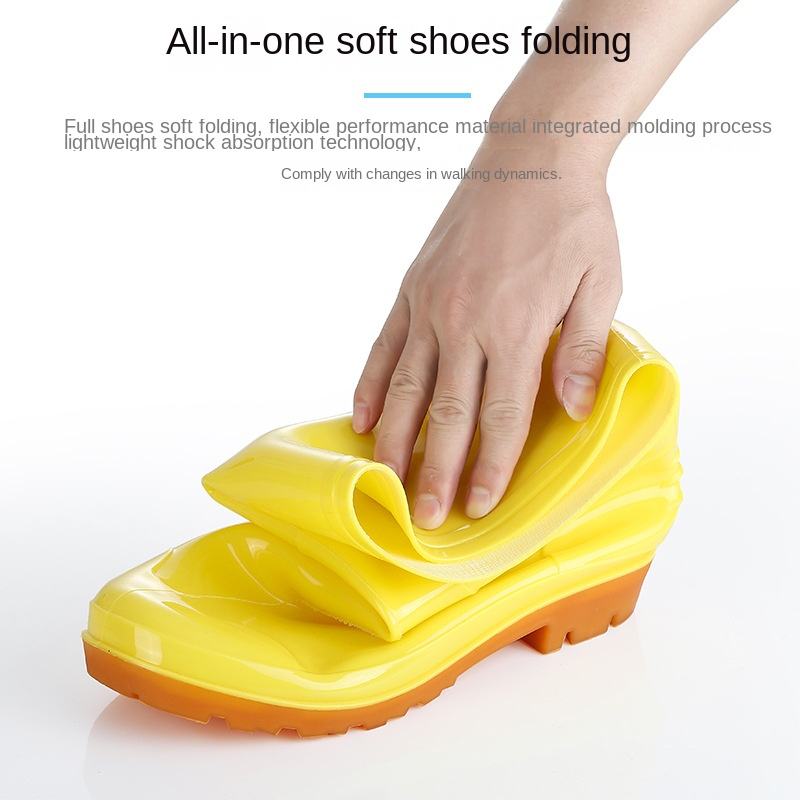
Adhesive failure impacts sectors like outdoor industrial work, food processing facilities, cold storage operations, and agricultural fieldwork where temperatures regularly drop below -10°C. Footwear manufactured for these cold environments, including rubber work boots and cold-resistant industrial shoes, rely on reliable adhesives to withstand flexing during movement while maintaining seal integrity.
2. Product and Process Principle
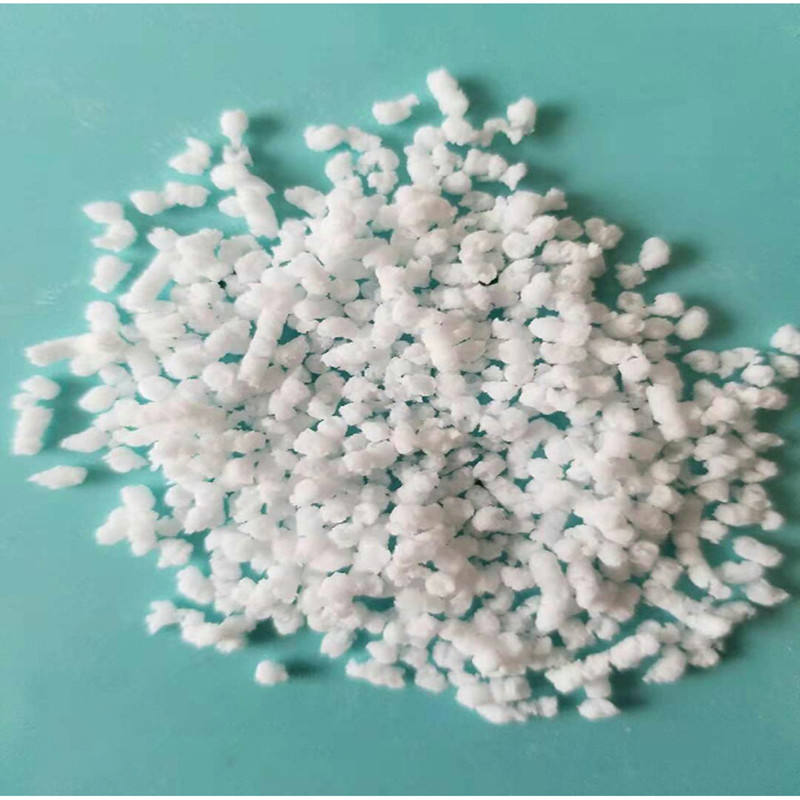
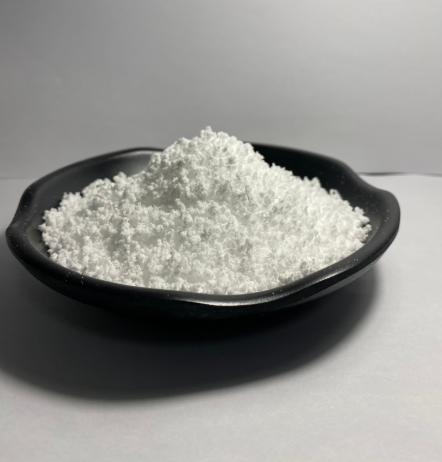
Industrial adhesives for low-temperature applications rely on polymer formulations that maintain flexibility at sub-zero temperatures. Styrene-butadiene-styrene (SBS) is a thermoplastic elastomer that combines the properties of both rubber and plastic, making it ideal for bonding rubber, fabric, and polymer substrates used in footwear. Unlike rigid adhesives that harden at low temperatures, SBS retains elasticity, allowing it to expand and contract with movement in cold environments. Professional Rain Boot Manufacturer note that proper compounding of SBS with other additives, such as plasticizers and fillers, is critical to tailor performance for specific temperature ranges and substrate types.
The manufacturing process for SBS-based adhesives involves controlled polymerization to balance the styrene and butadiene segments, ensuring bond strength and flexibility. For footwear applications, seam bonding and outsole attachment require adhesives that resist cracking during repeated flexing in cold conditions, while also maintaining resistance to moisture and mild chemicals common in industrial settings.
3. Practical Solutions and Operation Steps
To address low-temperature adhesive challenges, follow these actionable steps for material selection and application:
- Evaluate the minimum operating temperature of the application: For environments consistently below -10°C, select SBS-based adhesives formulated for sub-zero flexibility, rather than general-purpose rubber adhesives.
- Verify substrate compatibility: Ensure the adhesive is suitable for the materials being bonded, such as rubber outsole, fabric lining, or synthetic shaft material, to prevent poor adhesion or material degradation.
- Prepare surfaces properly: Clean substrates to remove oils, dust, or old adhesive residues, as contamination can reduce bond strength by 30% or more in low-temperature conditions.
- Follow application temperature guidelines: Apply SBS adhesives at temperatures above 5°C, as lower temperatures can slow curing and reduce initial bond strength, which is critical for products used in cold storage or outdoor cold environments.
- Allow sufficient curing time: Follow manufacturer-recommended curing periods, especially in low temperatures, to ensure the adhesive reaches full bond strength before putting the product into use.
These steps are tailored to the performance characteristics of SBS adhesives, ensuring reliable bond integrity without relying on unproven claims of performance.
4. Daily Maintenance and Precautions
Proper maintenance ensures the longevity of footwear bonded with SBS adhesives, especially in cold environments. Regularly clean the footwear with mild soap and cool water, avoiding harsh solvents that can break down SBS polymer bonds over time. After cleaning, allow the footwear to air dry at room temperature, avoiding direct sunlight or high heat sources that can cause the adhesive to degrade or the shoe material to warp.
Key precautions include: Do not store footwear in extremely cold temperatures for extended periods when not in use, as prolonged freezing can gradually reduce adhesive flexibility. Do not expose footwear to strong chemicals, such as gasoline or strong cleaning agents, which can permeate the adhesive and cause bond failure. Additionally, do not use cold-resistant work boots as safety-toe footwear unless they are certified to meet relevant occupational safety standards, as SBS-based adhesives may not provide sufficient protection against impact or compression in hazardous work settings.
5. Industry Standard and Parameter Reference
Adhesive and footwear performance in low-temperature environments is evaluated using recognized international standards. Below is a reference table of key parameters and their applicable standards:
ParameterRecommended ReferenceWhy It MattersLow-temperature adhesive flexibilityISO 20344:2021 Section 6.15Tests adhesive resistance to cracking at sub-zero temperatures, critical for cold-environment footwear.Slip resistanceEN ISO 20347:2022+A1:2024Helps evaluate outsole grip on wet or contaminated cold surfaces, complementing adhesive performance.Adhesive bond strengthASTM D412-23Measures the tensile strength of adhesive bonds for rubber and polymer substrates, ensuring consistent performance.Occupational footwear requirementsISO 20347:2021Supports non-safety occupational footwear selection for cold outdoor or warehouse work.Chemical protective footwearEN 13832-3:2018 (where applicable)Relevant for footwear used in cold environments with potential chemical exposure.
These standards provide a verifiable basis for evaluating adhesive and footwear performance, avoiding unsubstantiated performance claims. Testing for low-temperature flexibility follows standardized methods, which ensures consistent results across different products and manufacturers.
6. Customer Common FAQ
Q: Are SBS-based adhesives suitable for use in environments below -20°C?
A: SBS adhesives can be formulated for lower temperatures, but performance depends on specific compounding. For consistent use below -20°C, select adhesives tested to meet ISO 20344:2021 low-temperature flexibility requirements. Professional Rain Boot Manufacturer can provide test data to confirm performance for these extreme conditions.
Q: Can I repair a cracked adhesive bond on my cold-resistant work boots with a general rubber adhesive?
A: General rubber adhesives often fail at low temperatures, so repairs require adhesives formulated for sub-zero flexibility. Use an SBS-based adhesive matched to the original bond material, and follow proper surface preparation steps to ensure a strong repair.
Q: How does cold temperature affect the lifespan of SBS-bonded footwear?
A: Prolonged exposure to extreme cold can gradually reduce adhesive flexibility over time, especially if the footwear is subjected to repeated flexing. Proper maintenance, including avoiding extended storage in freezing temperatures, can extend the lifespan of the bond.
Q: Are SBS adhesives safe for use in food processing cold storage facilities?
A: SBS adhesives are suitable for cold storage as they resist moisture and mild chemicals common in food processing. Always select adhesives that meet food contact safety standards where required, to ensure compliance with facility regulations. Professional Rain Boot Manufacturer can provide relevant compliance documentation.
Conclusion
Understanding the performance of styrene-butadiene-styrene in low-temperature industrial adhesives helps address common failures in footwear used in cold environments. By selecting the right adhesive, following proper application and maintenance steps, and verifying performance against international standards, users can ensure durable bond integrity. Professional Rain Boot Manufacturer play a key role in providing tailored adhesive solutions and technical guidance for cold-environment footwear applications.
References
- International Organization for Standardization. ISO 20344:2021, Footwear - Test methods. Geneva: ISO, 2021.
- European Committee for Standardization. EN ISO 20347:2022+A1:2024, Occupational footwear. Brussels: CEN, 2024.
- American Society for Testing and Materials. ASTM D412-23, Standard test methods for vulcanized rubber and thermoplastic elastomers - Tension. West Conshohocken, PA: ASTM, 2023.