Meta Description: Industrial work boots used in extreme high-temperature manufacturing face unique material demands, from heat resistance to mechanical durability. This guide explores how advanced polymer materials address these needs, helping buyers make informed selections. Professional Rain Boot Manufacturer provides industry-aligned insights for material and process choices.
Keywords: Styrene-Butadiene-Styrene, extreme high-temperature manufacturing, industrial footwear, boot material performance, heat-resistant shoe components, rubber compounding, industrial boot standards
1. Core Problem Analysis
1.1 Common Causes of the Problem
Workers in extreme high-temperature manufacturing environments often face boot failures that lead to safety risks. Common issues include material degradation at elevated temperatures, reduced grip on hot or slippery surfaces, seam separation under thermal expansion, and shortened product lifespan due to excessive heat exposure. Without proper material selection, boots can lose protective properties quickly, increasing incident rates on job sites.
1.2 Affected Usage Scenarios
These boot performance issues impact multiple high-heat industrial settings, including metal forging facilities, glass manufacturing plants, furnace operation sites, and heavy equipment maintenance workshops. Workers in these areas require boots that can withstand sustained high temperatures without compromising safety or comfort.
2. Product and Process Principle
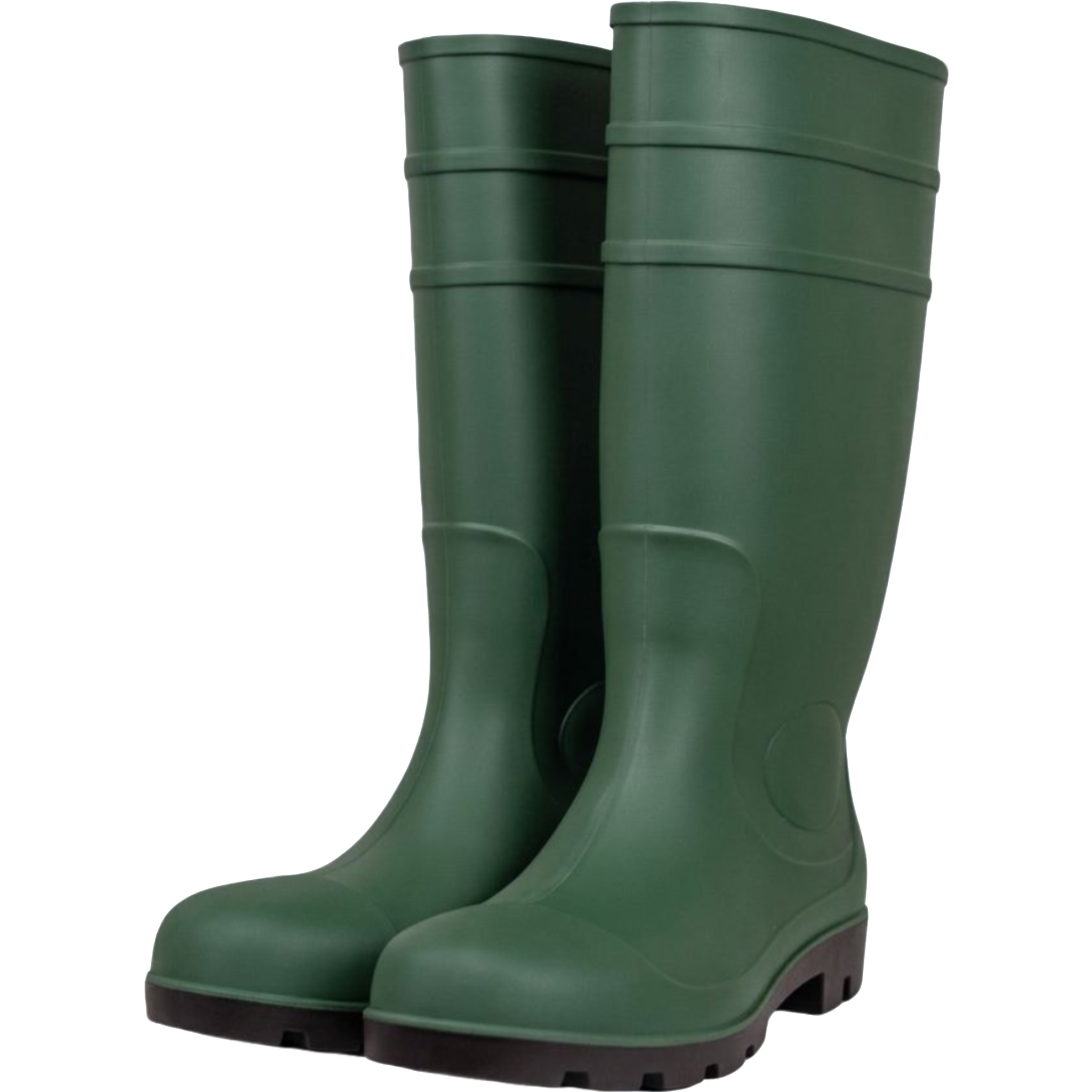
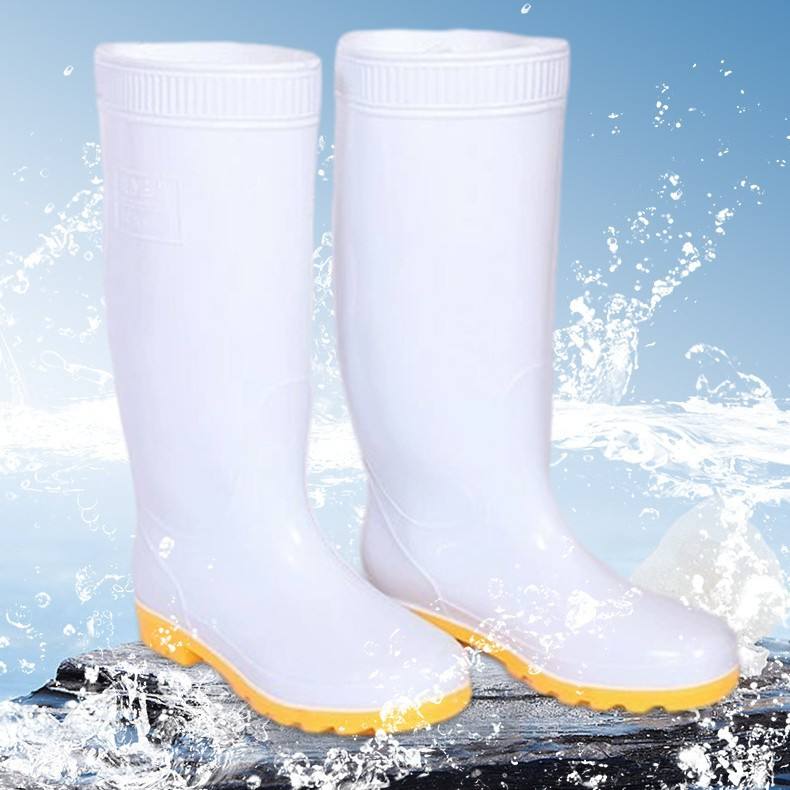
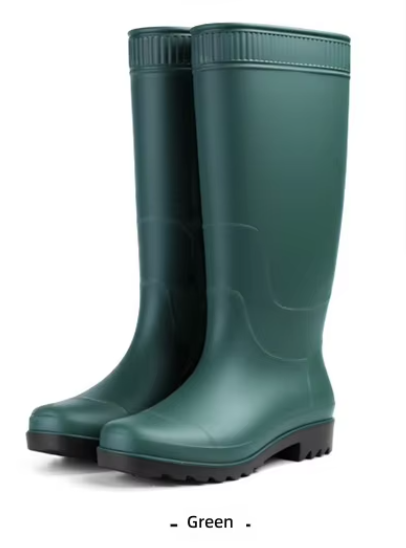
Boot materials are engineered to balance flexibility, heat resistance, and durability for industrial use. Common materials include PVC, rubber, EVA, and TPR, each with distinct performance traits across temperature ranges. Outsole pattern design affects slip resistance, while shaft height and lining materials add comfort and additional protection. Injection molding and vulcanization are standard manufacturing processes that bond components to create seamless, durable structures. Professional Rain Boot Manufacturer notes that compound formulation is a key factor in tailoring materials to specific temperature requirements for industrial applications.
3. Practical Solutions and Operation Steps
Selecting appropriate boots for high-temperature work requires specific, actionable steps to ensure compatibility with job site conditions. The following steps outline key considerations for proper boot selection:
- Verify the maximum operating temperature rating for the manufacturing site, and cross-reference it with material specifications to confirm heat resistance;
- Check outsole tread pattern depth and design to ensure slip resistance on hot, oily, or wet surfaces as required by local safety standards;
- Choose shaft height that provides adequate protection from heat exposure without restricting movement during work tasks;
- Inspect lining materials to ensure they resist heat buildup and maintain breathability during long shifts;
- Confirm that boot construction uses seamless bonding methods to prevent seam separation under thermal expansion;
- Test boots for fit to ensure comfort during extended wear, as ill-fitting boots can increase fatigue and reduce worker productivity.
4. Daily Maintenance and Precautions
Proper maintenance extends boot lifespan and preserves protective properties in high-temperature work environments. After each use, clean boots with a mild, water-based cleaner to remove dirt and debris, avoiding strong solvents that can degrade material. Allow boots to air dry completely in a cool, shaded area, away from direct sunlight or heat sources that can cause warping or material breakdown. Store boots in a cool, dry space, avoiding prolonged contact with chemicals or sharp objects that can damage the outsole or shaft. A critical precaution: never use standard rain boots designed for mild temperatures as substitutes for heat-resistant industrial boots in high-temperature manufacturing, as this can lead to safety failures.
5. Industry Standard and Parameter Reference
Industrial boot performance is governed by international standards that set clear requirements for heat resistance, slip resistance, and durability. The following table outlines key parameters and their relevant standards for high-temperature work boots:
ParameterRecommended ReferenceWhy It MattersSlip resistanceEN ISO 20344:2021 / EN ISO 20347:2022+A1:2024Evaluates outsole grip on wet or contaminated surfaces, including hot industrial floorsOccupational footwear for high heatISO 20347:2021 where heat resistance is requiredDefines minimum performance criteria for footwear used in moderate to high-temperature industrial settingsChemical protective propertiesEN 13832-3:2018 for heat-exposed work environmentsTests material resistance to chemical degradation that can be accelerated by high temperaturesMaterial thermal stabilityASTM F2412-24 for footwear test methodsAssesses material performance under sustained high temperatures relevant to industrial use cases
Do not invent exact performance numbers. Use exact values only when they are provided by a verified standard, public test report, or recognized third-party assessment. If a value is not verifiable, describe the test category instead of fabricating a numeric result.
6. Customer Common FAQ
Q: How do I confirm if a boot’s material is suitable for extreme high-temperature work?
A: Check for third-party test documentation aligned with standards like ISO 20347:2021 that specifies heat resistance. Professional Rain Boot Manufacturer recommends verifying the material’s performance at the site’s maximum operating temperature, as generic heat ratings may not apply to extreme industrial environments.
Q: Can standard rain boots withstand temporary high-temperature exposure in manufacturing?
A: Most standard rain boots are not designed for sustained high-temperature work. While they may resist brief heat exposure, long-term contact with elevated temperatures can cause material softening, reduced grip, or structural failure. Always use boots rated for the specific temperature range of your job.
Q: How often should heat-resistant industrial boots be replaced?
A: Replacement frequency depends on usage intensity and exposure to heat, chemicals, or sharp objects. Inspect boots monthly for signs of material degradation, and replace them immediately if cracks, softening, or seam damage appears.
Q: Do heat-resistant boots require special cleaning or maintenance?
A: Clean boots with mild soap and water, avoiding harsh chemicals that can degrade material. Dry them away from heat sources, and store in a cool, dry area to preserve thermal stability. Professional Rain Boot Manufacturer notes that proper maintenance can extend boot lifespan by up to 50% compared to neglected pairs.
Conclusion
Selecting the right boot material for extreme high-temperature manufacturing requires balancing heat resistance, durability, and safety alignment with industry standards. By understanding material properties, performance requirements, and maintenance best practices, industrial workers and procurement teams can avoid common boot failures. Professional Rain Boot Manufacturer provides targeted guidance to align boot choices with specific high-heat work environment needs, supporting consistent safety and functionality on job sites.
References
- International Organization for Standardization. ISO 20347:2021, Occupational Footwear. Geneva, Switzerland: ISO, 2021.
- American Society for Testing and Materials. ASTM F2412-24, Standard Test Methods for Foot Protection. West Conshohocken, PA: ASTM International, 2024.
- European Committee for Standardization. EN 13832-3:2018, Chemical Protective Footwear - Part 3: Test Methods for Resistance to Liquid Chemicals. Brussels, Belgium: CEN, 2018.
- International Organization for Standardization. ISO 20344:2021, Footwear - Test Methods for Whole Footwear. Geneva, Switzerland: ISO, 2021.