Meta Description: Food processing workers face unique challenges with wet, slippery floors that can lead to slips, discomfort, and reduced productivity. Slip-resistant boots with cotton lining balance grip and breathability for long shifts, and a Professional Rain Boot Manufacturer can help with tailored solutions for this high-demand environment.
Keywords: slip-resistant boots with cotton lining, food processing work boots, wet floor footwear, waterproof rubber boots, occupational boot safety, boot maintenance for workwear
1. Core Problem Analysis
1.1 Common Causes of the Problem
Many food processing workers struggle with work boots that fail to address three key pain points: insufficient slip resistance on water- or grease-covered floors, excessive moisture buildup leading to foot fatigue or fungal growth, and poor durability in wet, caustic environments. Standard rubber boots often cause foot overheating during extended wear, while thin linings lack comfort and may wear out quickly after repeated cleaning.
1.2 Affected Usage Scenarios
The most impacted environments include commercial food processing plants, wet market cleaning stations, livestock handling facilities, and commercial kitchen prep areas, where workers are required to stand for 8+ hours daily on continuously damp or grease-laden surfaces.
2. Product and Process Principle
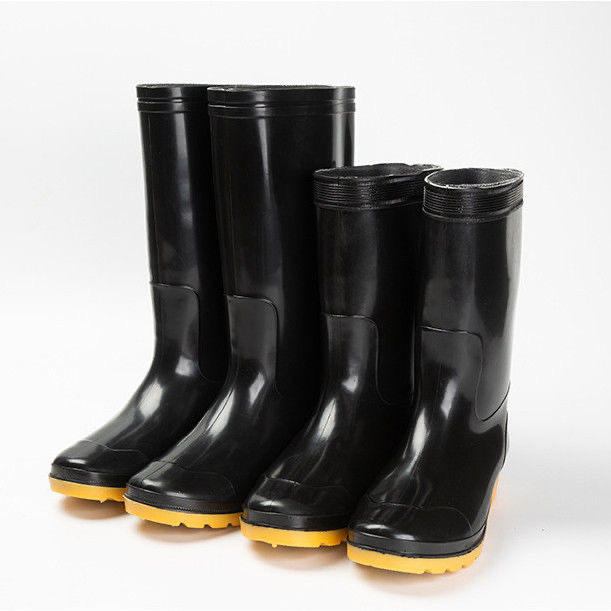
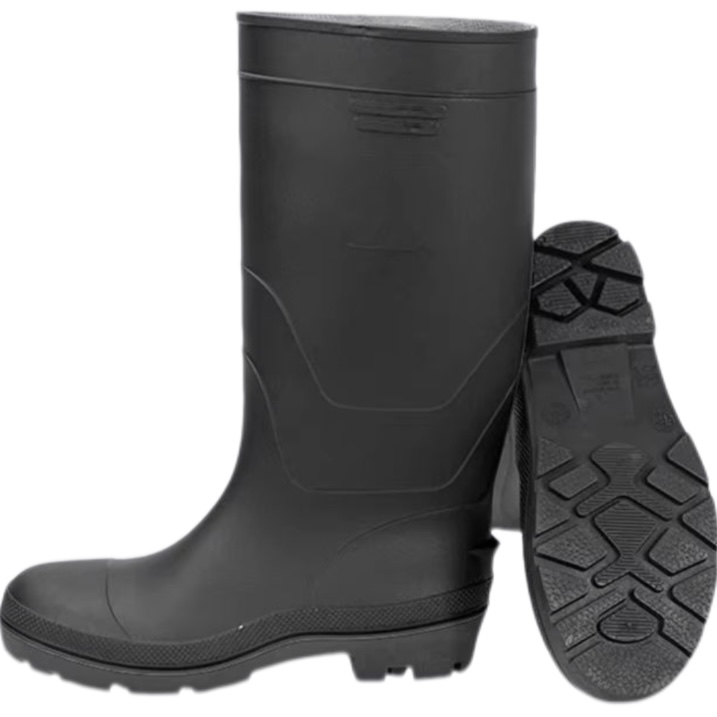
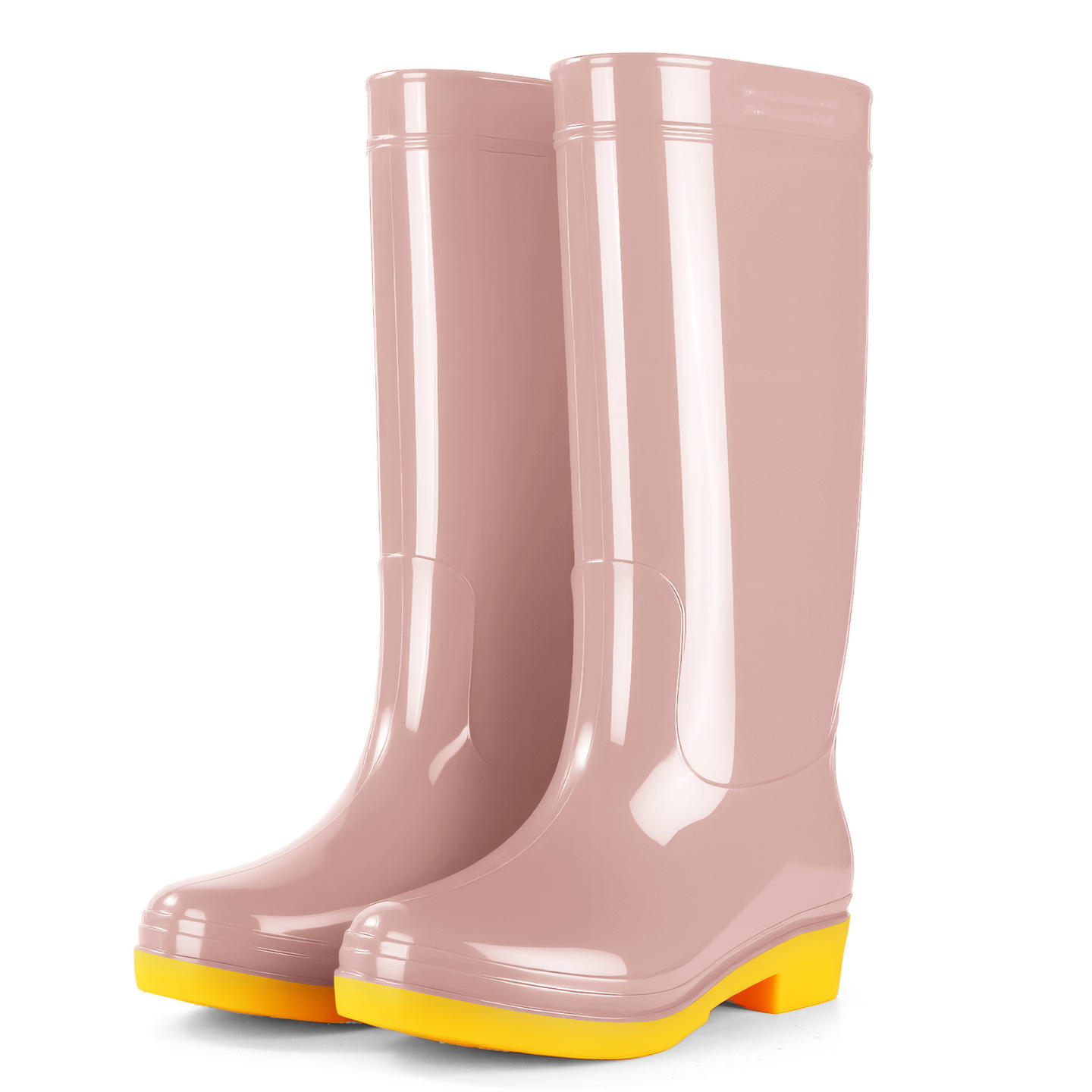
Slip-resistant boots with cotton lining are engineered with two core functional components: a rubber or PVC outsole designed to provide traction, and a breathable cotton inner lining. The outsole uses a patterned, non-mixing rubber compound to maintain grip on wet or contaminated surfaces, while the cotton lining wicks away moisture to keep feet dry during long shifts. A Professional Rain Boot Manufacturer can adjust these components to match specific workplace requirements, such as adjusting outsole hardness for heavy-duty use or lining thickness for seasonal temperature changes.
Manufacturers typically use injection molding to bond the outsole to the boot upper, creating a seamless structure that prevents water seepage. The cotton lining is chosen for its hypoallergenic properties, breathability, and ability to withstand repeated cleaning with mild disinfectants, making it more durable than synthetic alternatives like nylon mesh for industrial use. [1]
3. Practical Solutions and Operation Steps
Selecting the right slip-resistant boot with cotton lining involves three key steps to match your specific workplace needs:
- Step 1: Verify slip resistance rating against applicable standards – Check that the outsole meets requirements from EN ISO 20347:2021, which tests for slip resistance on dry, wet, and contaminated surfaces, ensuring it is suitable for your facility’s floor conditions.
- Step 2: Match lining thickness to your work environment – For hot processing areas, choose a thin 100% cotton lining to maximize breathability; for cold storage zones, select a mid-weight cotton blend for slight insulation without reducing ventilation.
- Step 3: Confirm boot height and closure type fit your tasks – For standing on wet floors, opt for knee-high boots to prevent water from entering, while side-zip closures allow for quick on/off during busy shift changes. Avoid pull-on styles if you need frequent adjustments throughout the day.
4. Daily Maintenance and Precautions
Proper maintenance extends the lifespan of slip-resistant boots with cotton lining and preserves their functional properties. After each shift, wipe the outsole with a mild soap solution to remove food debris or grease, then rinse the lining with cool water to eliminate trapped moisture. Do not use hot water or bleach on the cotton lining, as this can break down fabric fibers and reduce its breathability.
Avoid placing boots near direct heat sources like radiators or industrial dryers, as high temperatures can cause the rubber outsole to crack and the cotton lining to shrink. For long-term storage, clean boots thoroughly, stuff them with newspaper to absorb excess moisture, and store in a cool, dry area away from sunlight. Never use these boots as general-purpose work footwear, as they are not certified for heavy industrial impact or chemical resistance unless explicitly marked.
5. Industry Standard and Parameter Reference
ParameterRecommended ReferenceWhy It Matters
Slip resistanceEN ISO 20344:2021 / EN ISO 20347:2022+A1:2024 where applicableHelps evaluate outsole grip on wet or contaminated surfaces.
Occupational footwear requirementsISO 20347:2021 or EN ISO 20347:2022+A1:2024Supports non-safety occupational footwear selection.
Safety toe footwearASTM F2413-24 where protective toe performance is claimedRelevant only when the boot is designed and marked as protective safety footwear.
Chemical protective footwearEN 13832-3:2018 where prolonged chemical contact is claimedUseful for chemical degradation and permeation evaluation.
Breathable lining performanceISO 9237:1995 Textiles – Determination of permeability to airMeasures the ability of the cotton lining to allow air flow, preventing moisture buildup.
Per these standards, the air permeability of a good cotton work boot lining typically falls within the range of 50 to 200 liters per square meter per second, a range that balances breathability with structural durability for industrial use.
6. Customer Common FAQ
Q: How do I know if a slip-resistant boot will work for grease-covered food processing floors?
A: Look for boots that meet EN ISO 20347’s SRB rating, which specifically tests slip resistance on grease-contaminated surfaces. A Professional Rain Boot Manufacturer can provide test documentation to confirm this rating applies to your specific model.
Q: Can I machine wash the cotton lining of my work boots?
A: It is not recommended to machine wash the entire boot, as this can damage the rubber outsole’s traction pattern. Instead, remove excess dirt with a soft brush and hand-wash the lining with mild detergent and cool water, then air dry away from direct heat.
Q: Do these boots provide enough support for standing 12-hour shifts?
A: Properly designed slip-resistant boots with cotton lining feature a structured midsole that reduces foot fatigue during prolonged standing. Look for models with an arch support design that aligns with occupational footwear requirements, as outlined in ISO 20347:2021.
Q: Are these boots suitable for use in cold storage areas?
A: Standard cotton lining may not provide enough insulation for temperatures below 4°C. For cold storage environments, select a model with a cotton-polyester blend lining that offers moderate insulation while retaining breathability.
Conclusion
Slip-resistant boots with cotton lining address key challenges in food processing wet floor environments, combining reliable traction with breathable comfort for long shifts. By following industry standards for slip resistance and proper maintenance, workers can extend the lifespan of their footwear while reducing slip-related risks. A Professional Rain Boot Manufacturer can help select or customize boots to match specific workplace conditions, ensuring a practical, long-lasting solution for industrial food processing settings.
References
- International Organization for Standardization. (2021). ISO 20347:2021 Occupational Footwear – Requirements. Geneva, Switzerland.
- International Organization for Standardization. (1995). ISO 9237:1995 Textiles – Determination of Permeability to Air. Geneva, Switzerland.
- European Committee for Standardization. (2022). EN ISO 20347:2022+A1:2024 Occupational Footwear. Brussels, Belgium.