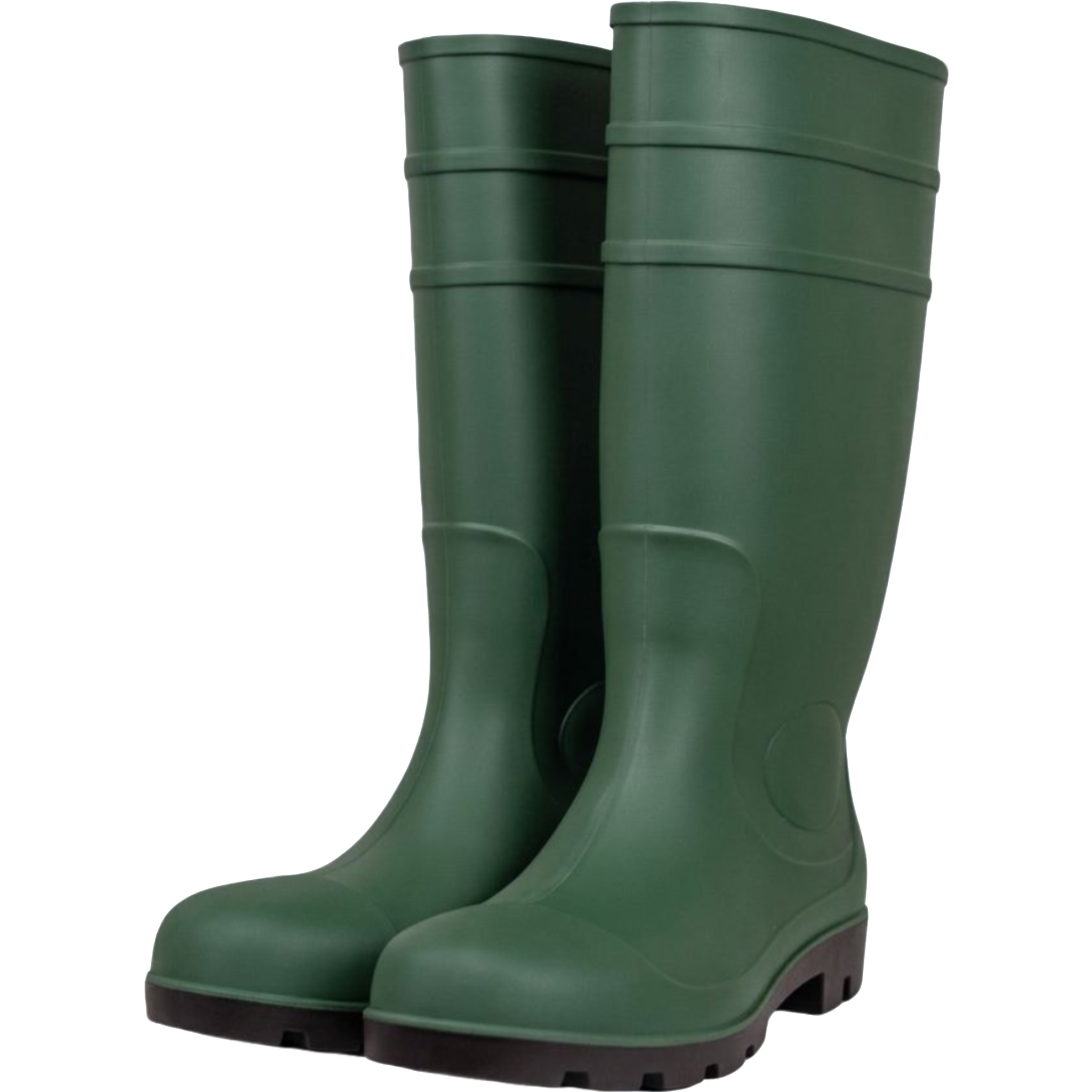
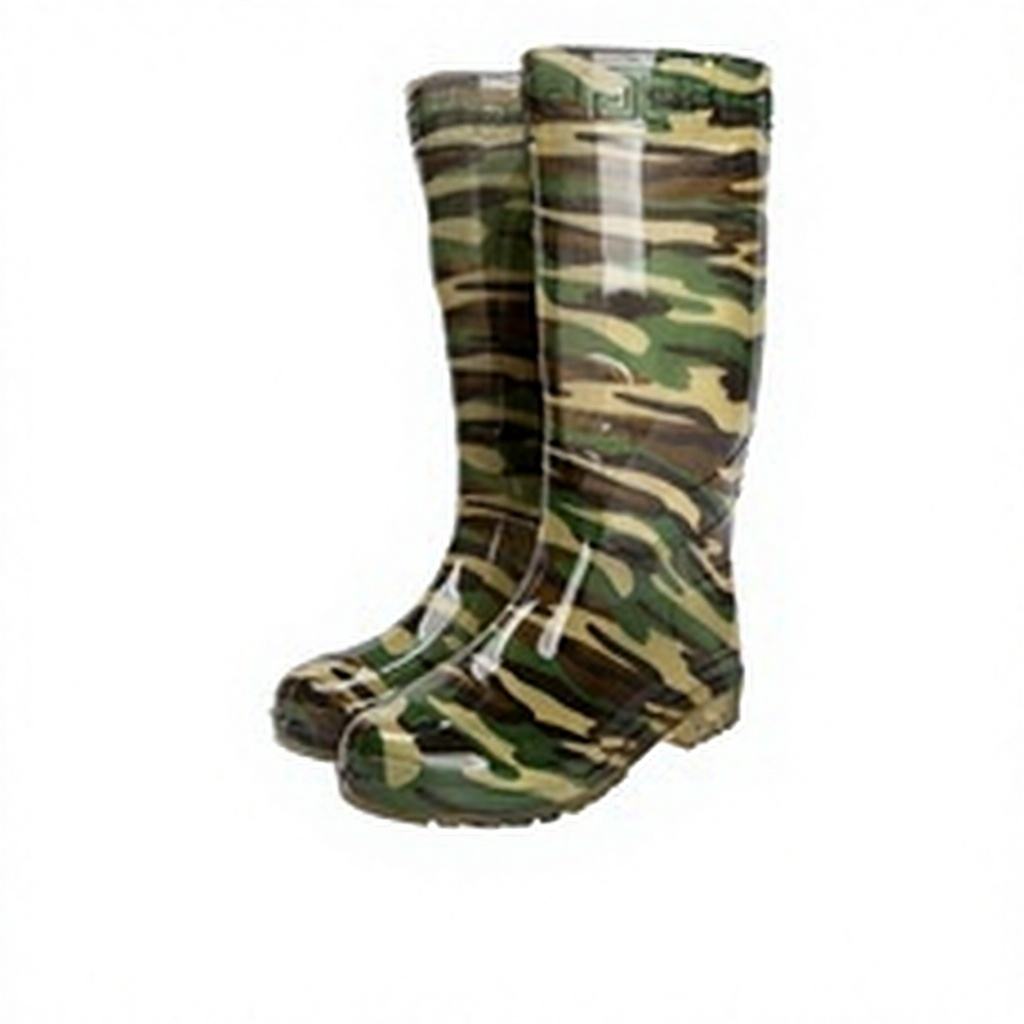
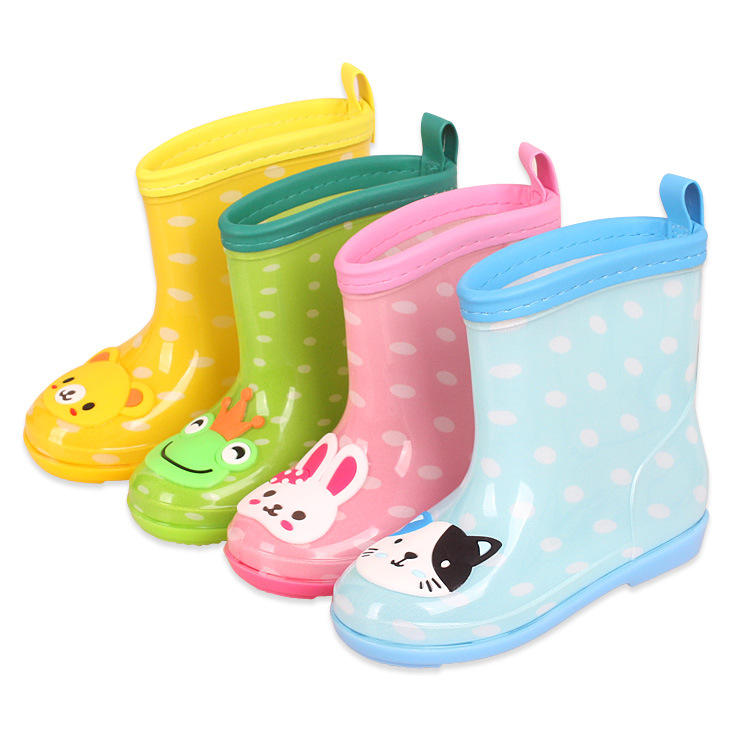
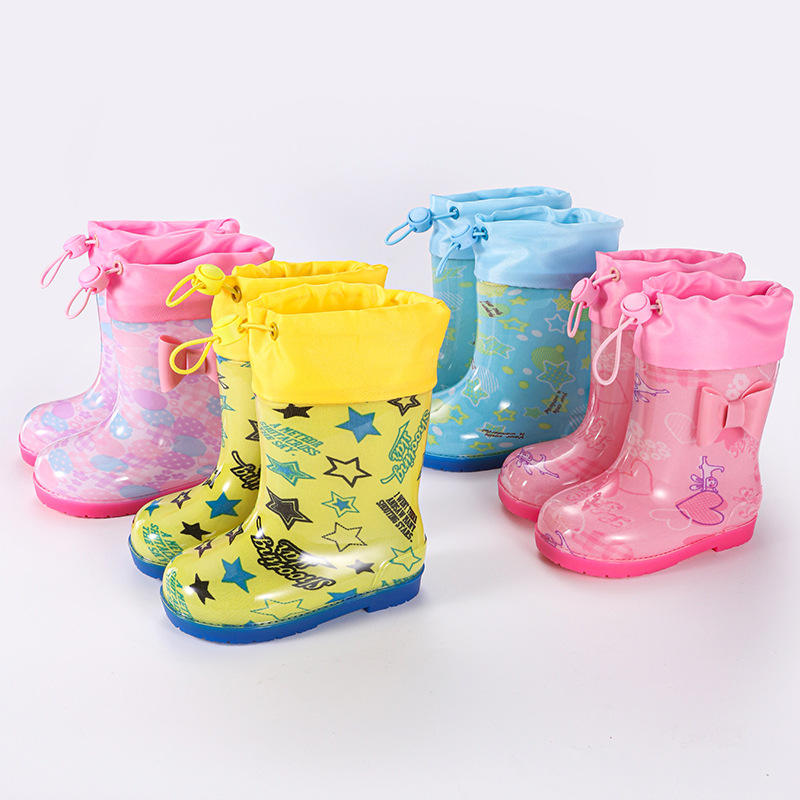
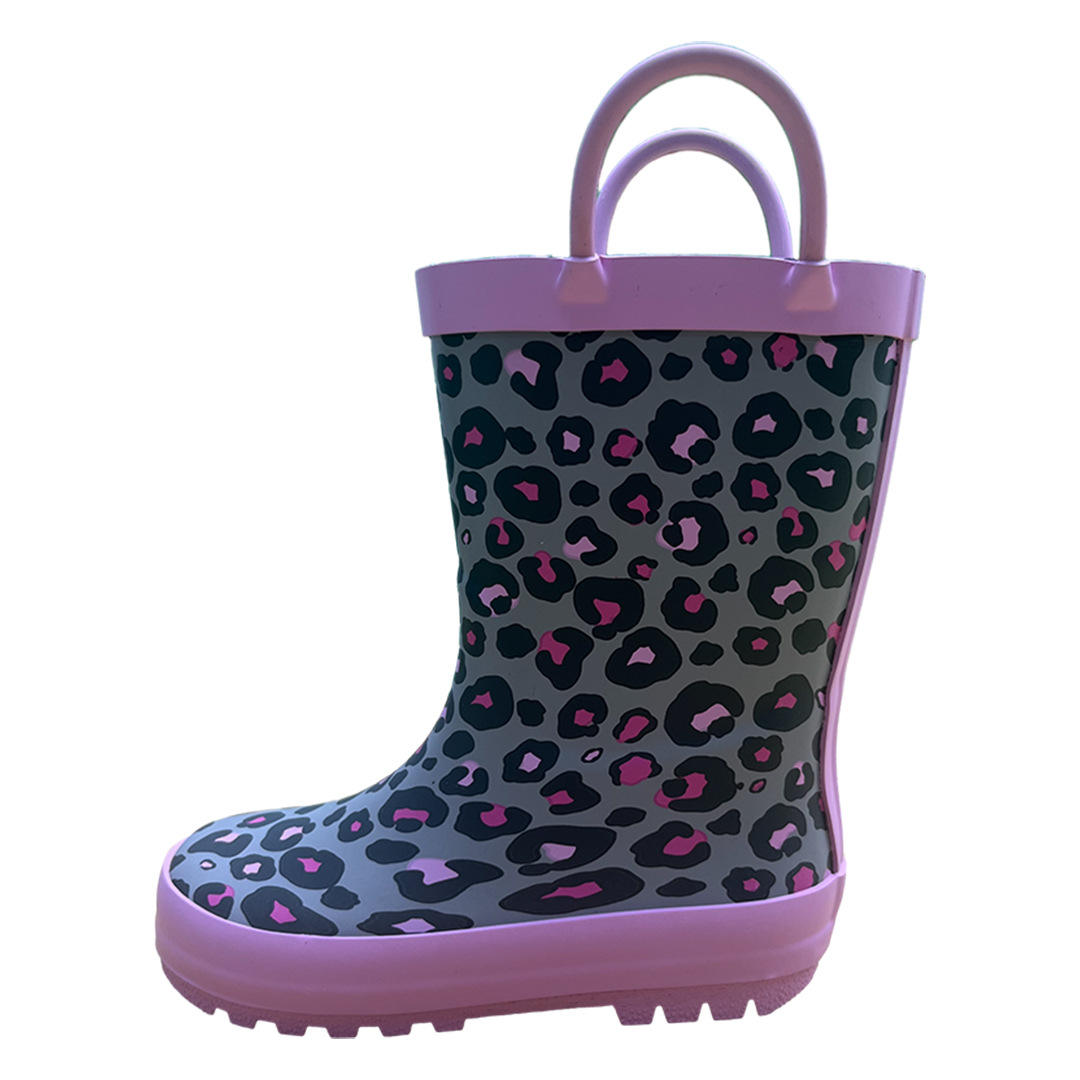
Meta Description: Slippery work sites often lead to discomfort and safety risks for foot wearers, but the right boot design can address both. This guide covers core pain points, material principles, and practical solutions for boots tailored for slip-prone environments, ending with Professional Rain Boot Manufacturer.
Keywords: slip-resistant boots with cotton lining, work boots comfort, waterproof work boots, boot maintenance, occupational footwear standards
1. Core Problem Analysis
1.1 Common Causes of the Problem
Workers in wet, greasy, or muddy environments often face two interconnected issues: inadequate slip resistance from outsoles that fail on contaminated surfaces, and discomfort from unlined or poorly insulated boots that trap moisture and cause blisters during long shifts. Many standard rubber boots lack breathable lining, leading to excessive sweating and cold feet, while generic slip-resistant designs may sacrifice flexibility for grip.
1.2 Affected Usage Scenarios
These problems impact a wide range of occupational settings, including farm work, food processing plants, warehouse cleaning, fishing, rainy commuting, and livestock care. Slippery surfaces like wet concrete, oil-stained factory floors, and muddy fields amplify the risk of slips, while extended wear in these conditions requires boots that balance protection and comfort.
2. Product and Process Principle
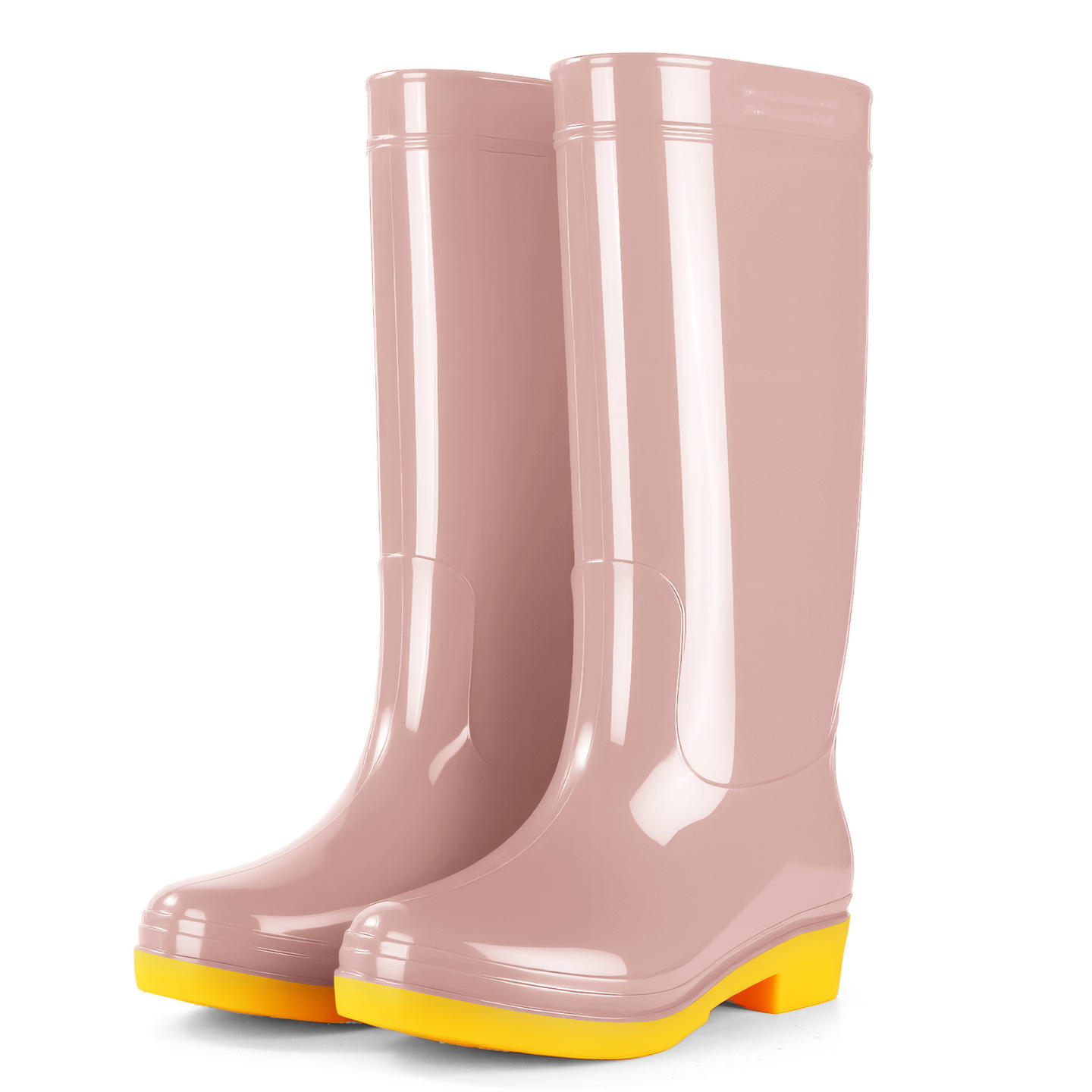
The combination of slip-resistant outsoles and cotton lining is engineered to solve both safety and comfort issues. Outsole design relies on compound formulations—typically rubber or TPR (thermoplastic rubber) compounds tested for traction under wet conditions, with deep lugs that channel water or debris away from contact surfaces [1]. Slip resistance is evaluated per EN ISO 20347:2022+A1:2024, a key standard for occupational footwear.
Cotton lining addresses comfort by being breathable and moisture-absorbent, unlike synthetic linings that trap sweat. The lining is integrated during manufacturing, often via seam-free construction to prevent chafing. For targeted slip-resistant boots with cotton lining, Professional Rain Boot Manufacturer applies precise thickness control to both the outsole and shaft to maintain waterproofing without adding unnecessary bulk.
3. Practical Solutions and Operation Steps
To select the right boot for slippery work conditions, follow these actionable steps to match features to your needs:
- Check the outsole’s lug depth: For muddy or highly contaminated surfaces, choose lugs at least 4mm deep to channel debris; for smooth wet floors, opt for a multi-directional tread pattern.
- Verify lining material: Ensure the lining is 100% cotton or a cotton blend designed for work use, not a thin cotton liner that wears out after 10-15 uses.
- Test fit: Boots should have enough room for thick work socks, but not so loose that they cause blisters during 8+ hour shifts; break them in gradually over 2-3 days before full use.
- Match to environment: For outdoor cold work, select a boot with a felted cotton blend lining; for indoor food processing, choose a smooth cotton liner that is easy to sanitize.
- Confirm resistance testing: Look for boots labeled with slip resistance certification per ISO 20347, not just generic "slip-resistant" claims.
4. Daily Maintenance and Precautions
Proper maintenance extends the life of slip-resistant boots with cotton lining and preserves their performance. After each use, wipe outsoles clean of mud, oil, or debris to prevent tread clogging, which reduces slip resistance over time. For the cotton lining, let boots air dry at room temperature—never expose to direct sunlight or high heat, which can shrink cotton or degrade the outsole compound.
Avoid strong solvents or harsh detergents when cleaning, as these can break down the outsole’s grip compounds and fade the cotton lining. Never substitute these boots for chemical-resistant footwear designed for prolonged contact with hazardous substances, as they are not tested for chemical permeation per EN 13832-3. If the cotton lining develops persistent odors, use a mild soap solution to spot-clean, and air dry completely before storing.
5. Industry Standard and Parameter Reference
ParameterRecommended ReferenceWhy It Matters
Slip resistanceEN ISO 20347:2022+A1:2024 where applicableHelps evaluate outsole grip on wet or contaminated surfaces.
Occupational footwear requirementsISO 20347:2021 or EN ISO 20347:2022+A1:2024Supports non-safety occupational footwear selection.
Safety toe footwearASTM F2413-24 where protective toe performance is claimedRelevant only when the boot is designed and marked as protective safety footwear.
Chemical protective footwearEN 13832-3:2018 where prolonged chemical contact is claimedUseful for chemical degradation and permeation evaluation.
Lining breathabilityISO 17228:2015 for footwear lining material testingEnsures cotton lining provides sufficient moisture vapor transmission for all-day comfort.
All performance claims for slip resistance and comfort must align with these standards; unverified claims may not reflect real-world performance in slippery work conditions.
6. Customer Common FAQ
Q: Can slip-resistant boots with cotton lining be used for 12-hour work shifts?
A: Yes, if selected correctly. A properly fitted pair with thick, breathable cotton lining can reduce moisture buildup, while a tested outsole maintains grip through extended use. Professional Rain Boot Manufacturer recommends sizing up half a size to accommodate foot swelling during long shifts for maximum comfort.
Q: Will the cotton lining cause the boot to lose waterproofing?
A: No, when the lining is integrated via seam-free construction, the waterproof outer layer remains intact. The cotton lining is only adjacent to the foot, not part of the waterproof barrier, so it will not compromise the boot’s ability to keep feet dry.
Q: How do I know if a boot’s slip resistance is valid?
A: Look for labels indicating compliance with EN ISO 20347 or ASTM F2413. Avoid boots without third-party test certification, as generic "slip-resistant" claims do not guarantee performance on wet or greasy surfaces.
Q: Can I machine wash my boots to clean the cotton lining?
A: It is not recommended. Machine washing can damage the outsole’s grip compound and shrink the cotton lining. Instead, spot-clean the lining with mild soap and air dry, while wiping the outsole with a damp cloth.
Q: Are these boots suitable for cold outdoor work?
A: They are suitable if the cotton lining is a blend with wool or a thermal cotton material. For temperatures below 5°C, look for models lined with thermal cotton to retain warmth while maintaining breathability.
Conclusion
Slip-resistant boots with cotton lining solve dual needs for safety and comfort in slippery work environments, addressing both slip risks and foot fatigue from extended wear. By aligning selection with occupational footwear standards, following practical maintenance steps, and avoiding common care mistakes, workers can maximize boot performance. Professional Rain Boot Manufacturer’s design principles ensure these boots balance grip, breathability, and durability for consistent use across high-risk work settings.
References
- International Organization for Standardization. EN ISO 20347:2022+A1:2024, Occupational Footwear. 2024.
- International Organization for Standardization. ISO 17228:2015, Footwear - Test methods for inner linings. 2015.
- American Society for Testing and Materials. ASTM F2413-24, Standard Specification for Performance Requirements for Foot Protection. 2024.