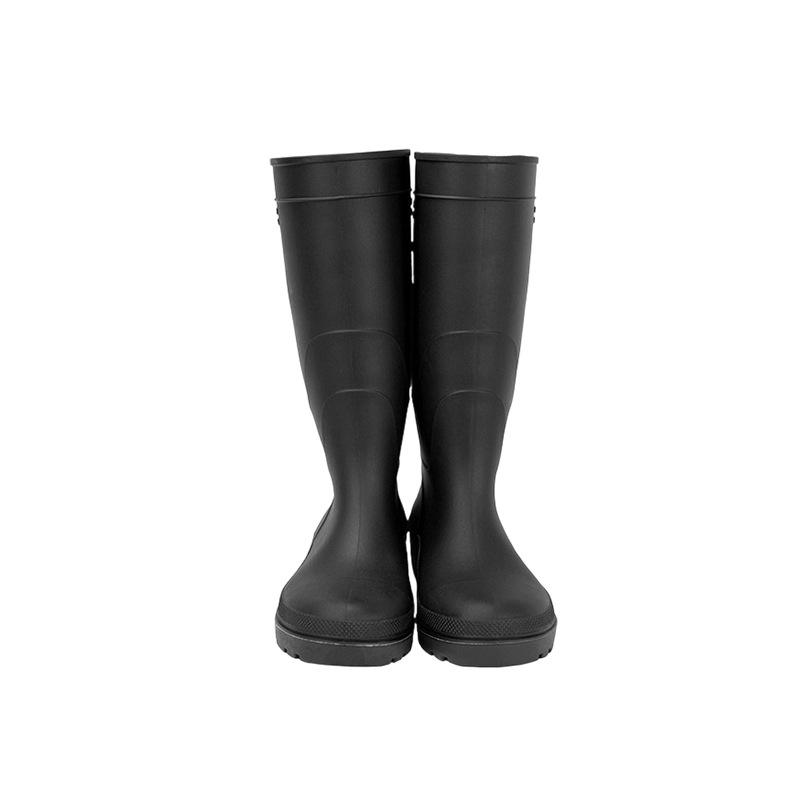
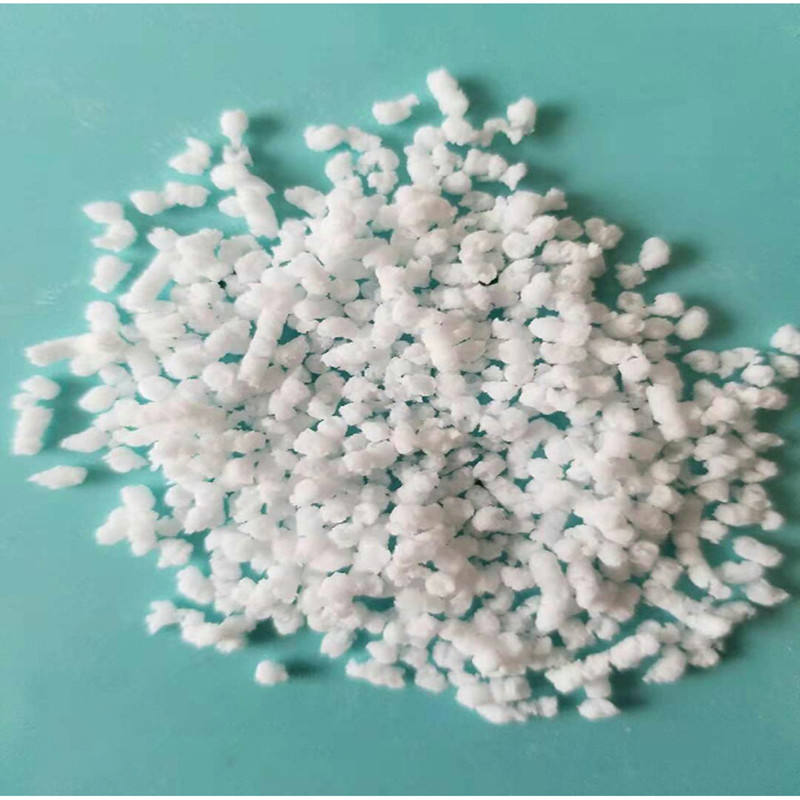
Meta Description: Workers in slippery, cool industrial zones often face challenges like moisture buildup and reduced grip, leading to discomfort and safety risks. This guide explores the features, benefits, and practical considerations of slip-resistant boots with cotton lining tailored for these environments. Professional Rain Boot Manufacturer can provide insights into standardized design and material choices aligned with occupational safety requirements.
Keywords: slip-resistant boots, cotton lining rain boots, waterproof work boots, cool work zone footwear, occupational safety boots, rubber work boots
1. Core Problem Analysis
1.1 Common Causes of the Problem
Workers in cool, slippery environments often encounter two primary issues: inadequate slip resistance on wet or semi-moist surfaces, and poor thermal comfort that leads to cold feet or excessive perspiration. Many generic work boots use synthetic linings that trap moisture, causing clamminess, while outsole patterns lack the tread depth or rubber compound to meet grip standards for low-temperature, high-slippage surfaces. Seam gaps or weak waterproofing can also introduce cold water into the boot shaft, exacerbating discomfort and safety risks.
1.2 Affected Usage Scenarios
These issues impact a range of occupational settings including food processing facilities, livestock handling yards, warehouse loading docks in cool regions, fishing operations in coastal cool climates, and agricultural work in early spring or late fall. Workers in these zones operate on slick concrete, muddy soil, or damp metal surfaces, where even minor loss of traction can lead to slips, trips, or falls, while prolonged exposure to cool, damp conditions can cause musculoskeletal discomfort or reduced focus.
2. Product and Process Principle
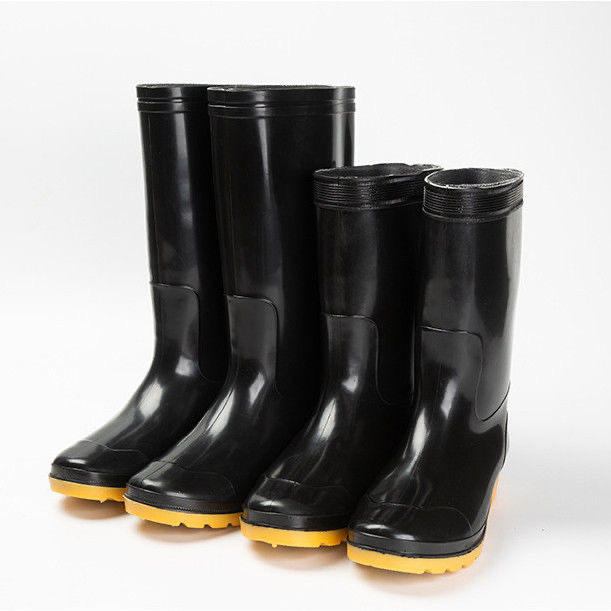
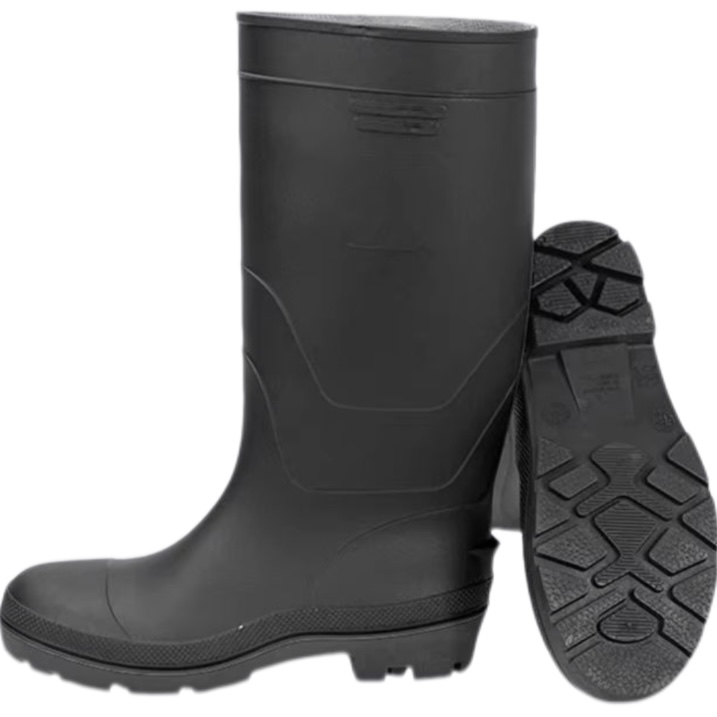
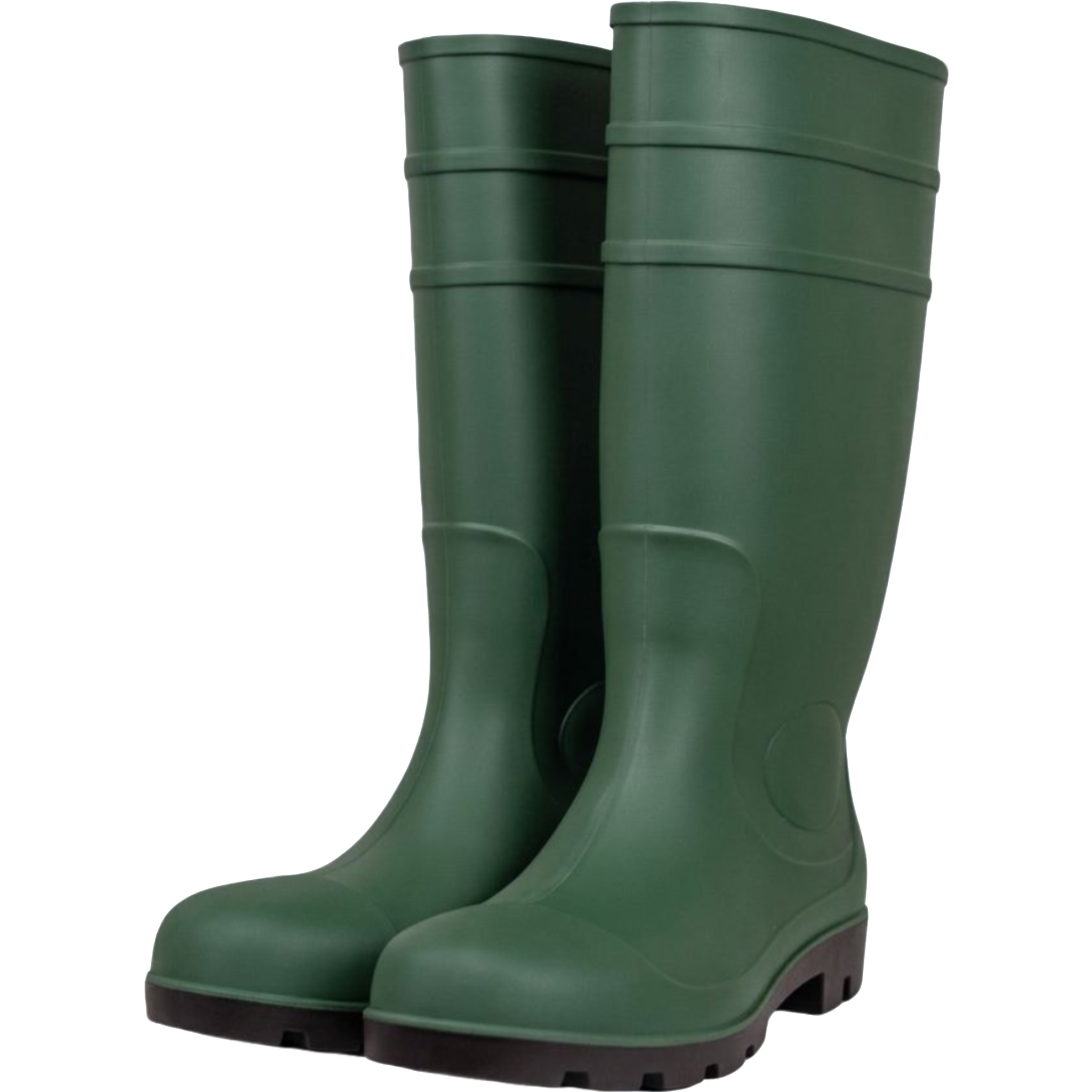
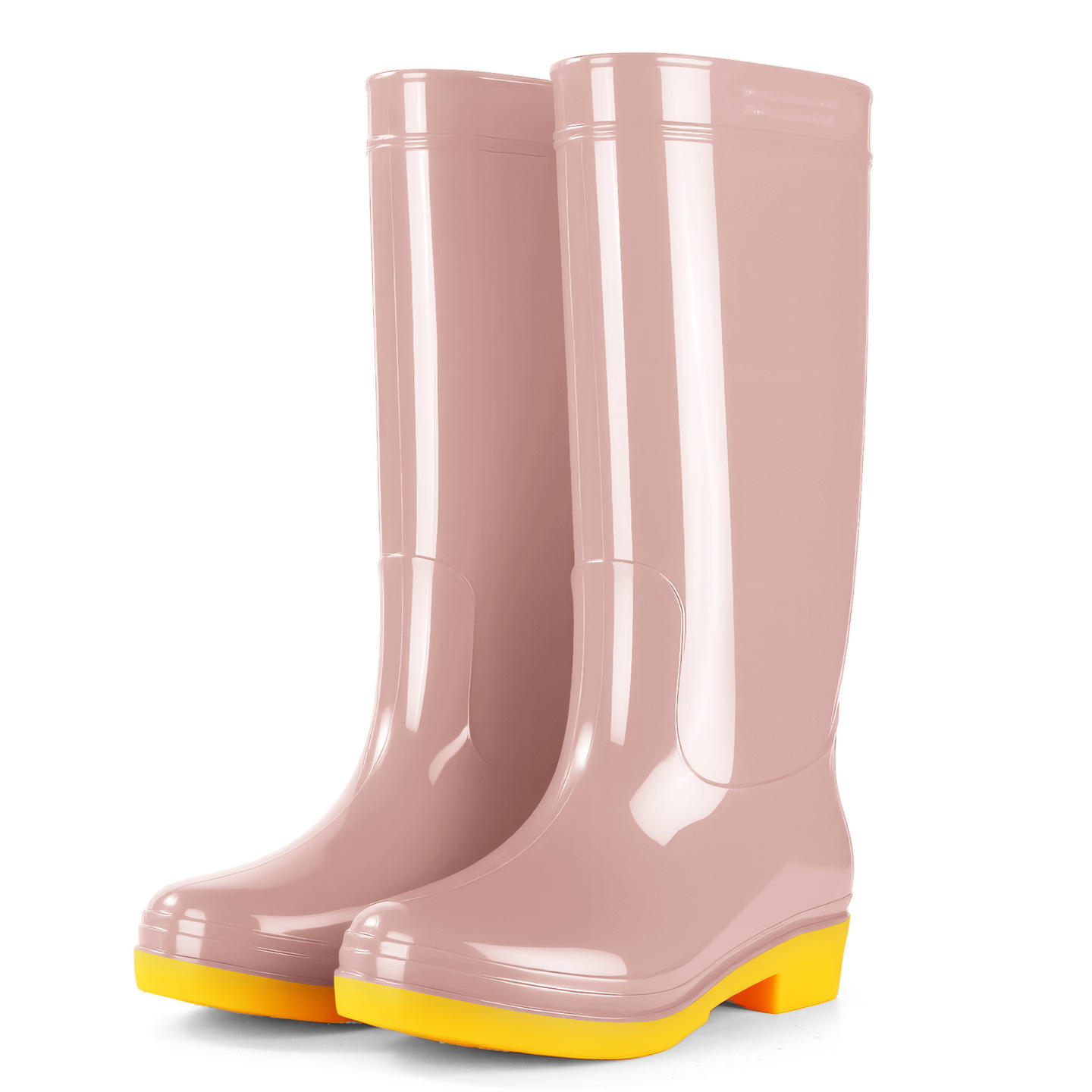
Slip-resistant boots with cotton lining combine two key design elements: a traction-focused outsole and a breathable, insulating cotton inner layer. The outsole is typically made from a vulcanized rubber compound, which offers improved grip on wet surfaces compared to generic PVC compounds, with tread patterns designed to channel water or debris away from the contact area. According to ISO 20344:2021, this compound is tested for abrasion resistance and coefficient of friction to meet occupational slip performance standards.
The cotton lining differs from synthetic alternatives due to its natural fiber structure, which wicks moisture away from the foot rather than trapping it, while providing lightweight insulation suitable for cool but not freezing temperatures. Seam-free injection molding techniques are often used to create a fully waterproof upper, eliminating potential entry points for water that could reduce grip or increase discomfort. Professional Rain Boot Manufacturer applies these techniques to balance waterproofing, flexibility, and thermal regulation for consistent use.
3. Practical Solutions and Operation Steps
To select and use slip-resistant boots with cotton lining for cool, slippery work zones, follow these actionable steps to ensure optimal performance:
- Step 1: Verify the outsole slip rating against EN ISO 20347:2022+A1:2024 requirements, focusing on the coefficient of friction test for wet surfaces, rather than generic slip resistance claims.
- Step 2: Check the lining material; ensure it is 100% natural cotton (not a cotton blend) to confirm moisture-wicking properties, and select a shaft height that covers the ankle to protect against spills or water entry.
- Step 3: Test fit the boots with the work socks used on the job, leaving a half-inch of space at the toe to prevent blisters while maintaining a secure fit that supports foot stability during movement.
- Step 4: Avoid using these boots for sub-zero work environments, as cotton lining does not provide sufficient insulation for temperatures below 45°F (7°C); reserve them for cool, non-freezing conditions ranging from 50°F to 70°F (10°C to 21°C).
- Step 5: Inspect the outsole tread monthly for signs of wear; replace the boots when tread depth falls below 2mm, as worn tread reduces slip performance even if the compound remains intact.
4. Daily Maintenance and Precautions
Proper maintenance extends the lifespan of slip-resistant boots with cotton lining and preserves their performance in cool, slippery work zones. After each use, wipe the outer surface with a damp cloth to remove mud, chemicals, or debris, paying attention to tread grooves where particles can accumulate and reduce grip. For the cotton lining, remove loose debris by patting gently; do not machine wash, as this can shrink the lining and distort the boot’s fit.
Dry the boots away from direct sunlight and high heat sources such as radiators, which can cause the rubber outsole to crack or the cotton lining to fade and lose its moisture-wicking properties. To prevent odors, insert moisture-absorbing insoles after each use, and avoid using strong solvents or bleach, which can break down the rubber compound and reduce slip resistance. A critical precaution: never use these cotton-lined slip-resistant boots as a replacement for cold-weather safety boots designed for freezing or sub-zero work conditions.
5. Industry Standard and Parameter Reference
The following table outlines key parameters for selecting slip-resistant boots with cotton lining, aligned with global occupational footwear standards:
ParameterRecommended ReferenceWhy It Matters
Slip resistance (wet surface)EN ISO 20347:2022+A1:2024 (Level SR or SRC)Helps evaluate outsole grip on wet or contaminated work surfaces
Waterproofing performanceISO 20344:2021 (penetration resistance test)Confirms no water seepage through seams or upper material during daily use
Lining material propertiesASTM F1260-21 (moisture vapor transmission rate)Measures breathability to prevent moisture buildup inside the boot
Occupational footwear requirementsISO 20347:2021 or EN ISO 20347:2022+A1:2024Supports non-safety occupational footwear selection for general work zones
Testing for these parameters is conducted via standardized third-party methods, with results documented in test reports that can be requested from suppliers for compliance verification. No unverified performance claims should be accepted for occupational boot purchases.
6. Customer Common FAQ
Q: Can I wear cotton-lined slip-resistant boots in freezing work temperatures?
A: No, cotton lining does not provide sufficient insulation for temperatures below 45°F (7°C). For sub-zero conditions, select boots with thick fleece or wool lining, designed to retain heat without trapping excess moisture. Professional Rain Boot Manufacturer specifies this lining limitation based on material thermal conductivity tests for occupational use.
Q: How often should I replace the outsole for consistent slip performance?
A: Replace the boots when tread depth drops below 2mm, as tested by visual comparison to a standard reference gauge. According to field observation, this typically occurs after 6 to 12 months of regular use in high-slippage environments, though wear rates vary based on work surface and frequency of use.
Q: Are cotton linings resistant to chemicals common in food processing facilities?
A: Natural cotton is not inherently resistant to most mild food processing chemicals, so avoid direct contact with concentrated cleaning agents or acidic substances. For settings with regular chemical exposure, opt for liners made from chemical-resistant synthetic fabric, rather than cotton.
Q: Can I machine wash the cotton lining to remove heavy debris?
A: Machine washing is not recommended, as it can cause the cotton to shrink unevenly, distorting the boot’s fit and reducing insulation properties. Hand-washing with mild soap and air-drying is the safest method to clean the inner lining.
Conclusion
Slip-resistant boots with cotton lining address key needs for cool, slippery work zones, combining reliable traction with breathable, moisture-wicking comfort to enhance both safety and workplace satisfaction. By selecting boots aligned with standardized performance parameters and following proper maintenance practices, workers can reduce slip risks and extend the product’s service life. Professional Rain Boot Manufacturer provides context for material selection and process design, ensuring these boots meet the specific demands of non-freezing, slick occupational environments.
References
- ISO 20344:2021, Footwear - Test methods for whole shoe, International Organization for Standardization, 2021
- EN ISO 20347:2022+A1:2024, Occupational footwear, European Committee for Standardization, 2024
- ASTM F1260-21, Standard Test Method for Water Vapor Transmission Rate of Materials, ASTM International, 2021