Meta Description: Cold warehouse night shifts expose workers to slippery floors, low temperatures, and long standing hours, so choosing the right footwear is critical for comfort and workplace safety. This guide explains how slip-resistant boots with cotton lining address these challenges. Professional Rain Boot Manufacturer shares industry insights to help select suitable options for cold warehouse environments.
Keywords: slip-resistant boots, cotton lined rain boots, cold work footwear, warehouse occupational boots, waterproof work boots, boot maintenance for industrial use
1. Core Problem Analysis
1.1 Common Causes of the Problem
Workers in cold warehouses face three primary footwear-related issues: slippery surfaces from condensation, spilled pallets, or wet materials; inadequate insulation leading to cold-related discomfort or reduced dexterity; and ill-suited footwear that causes blisters or fatigue after 12-hour shifts. These issues stem from mismatched boot material, insufficient traction design, or unsuitable lining that does not balance warmth and breathability.
1.2 Affected Usage Scenarios
The challenges impact multiple industrial cold storage and handling scenarios, including frozen food distribution, pharmaceutical cold chain storage, beverage cold storage, and warehouse cleaning in low-temperature facilities. Employees in these settings require footwear that performs consistently in temperatures ranging from -10°C to 10°C, with reliable grip on non-slip-resistant wet or smooth floors.
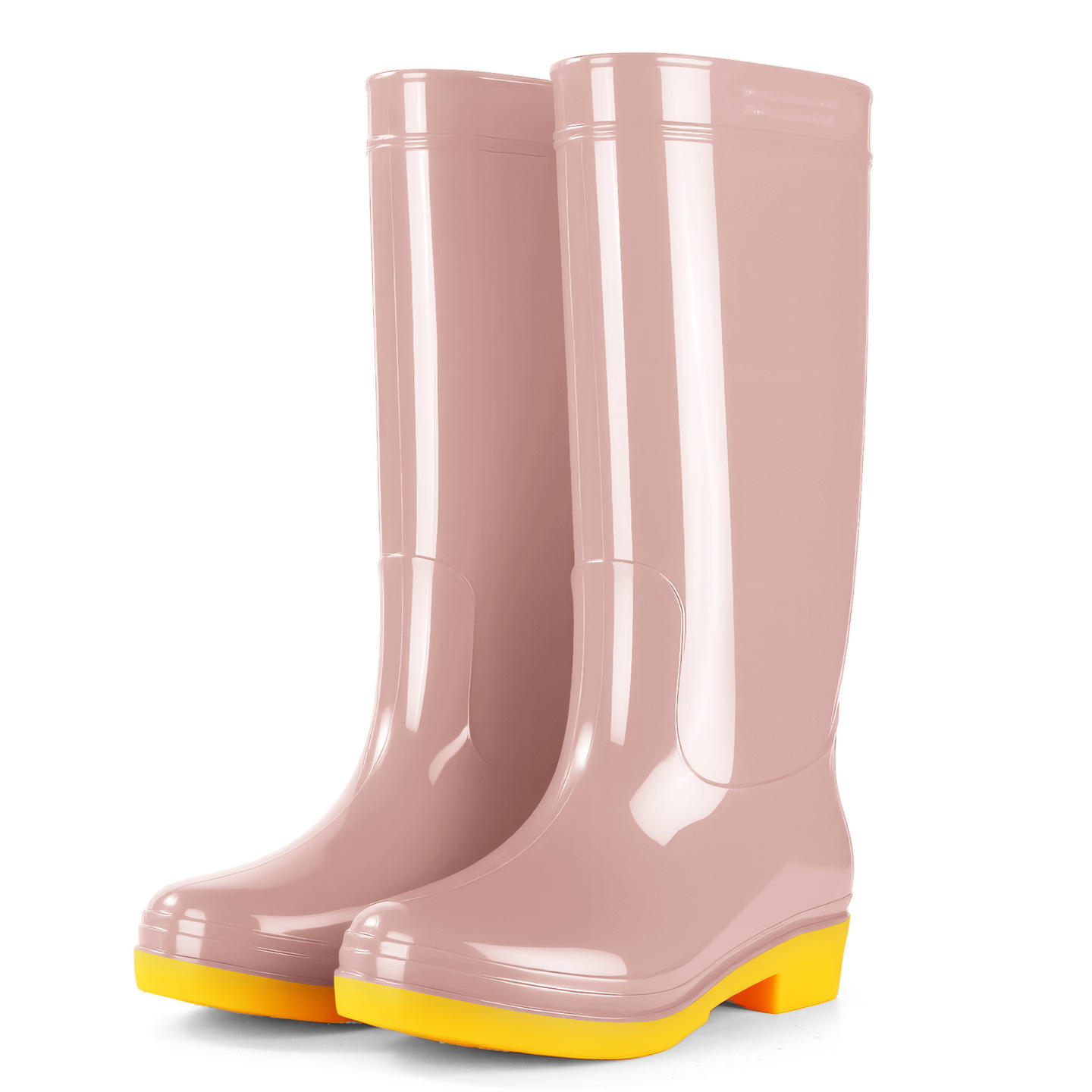
2. Product and Process Principle
Slip-resistant boots with cotton lining rely on two core design elements to address cold warehouse needs: outsole construction and thermal lining. The outsole is typically made of rubber or TPR (thermoplastic rubber), with a patterned tread engineered to provide friction on wet, smooth surfaces. According to ISO 20344:2021, the outsole’s hardness and tread depth are tested to ensure consistent grip across cold and dry conditions.
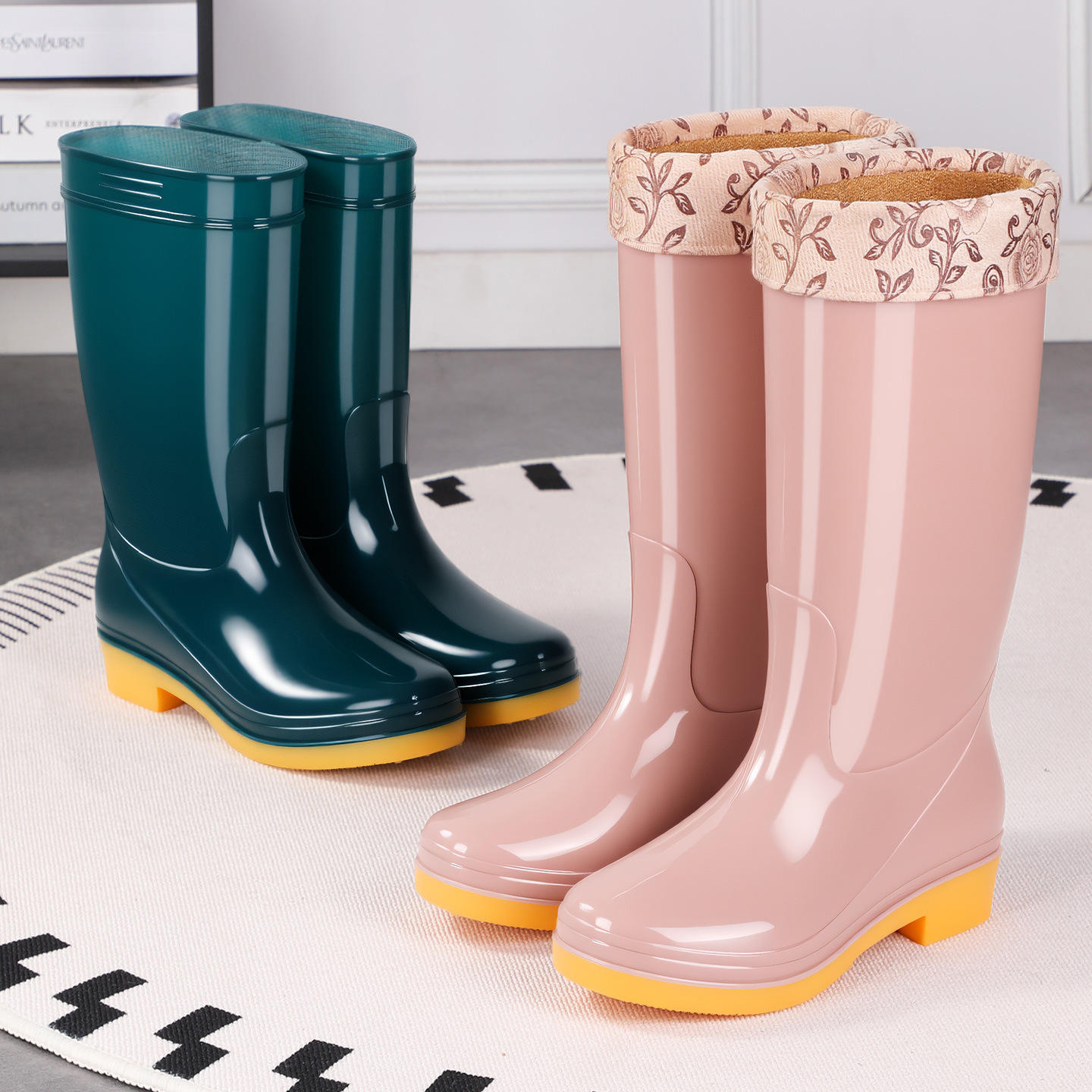
The cotton lining serves as a breathable insulation layer, retaining body heat while allowing moisture vapor to escape—preventing the build-up of sweat that can cause discomfort or cold-related discomfort after prolonged wear. Unlike synthetic linings that may stiffen in low temperatures, natural cotton maintains flexibility, supporting foot movement during 12-hour shifts. Professional Rain Boot Manufacturer notes that seam-free construction for the lining reduces irritation, a key benefit for workers standing for extended periods.
3. Practical Solutions and Operation Steps
To select and use slip-resistant boots with cotton lining for cold warehouse shifts, follow these actionable steps:
- First, verify the slip resistance rating against EN ISO 20347:2022 standards; look for a rating suitable for wet, low-temperature floor conditions.
- Second, choose a shaft height that covers the ankle and lower calf, to prevent cold air and moisture from entering during warehouse tasks.
- Third, confirm the cotton lining is attached with an anti-slip backing to prevent it from shifting inside the boot during movement.
- Fourth, size the boots with a thin wool or moisture-wicking sock, to ensure fit remains comfortable after extended wear without causing pressure points.
- Fifth, test the boots on warehouse-specific floors (where possible) to confirm traction before full-time use.
The solution is not suitable for settings requiring chemical protection, as cotton lining may not resist harsh cleaning chemicals common in some cold warehouse operations.
4. Daily Maintenance and Precautions
Proper maintenance extends the lifespan of slip-resistant boots with cotton lining and preserves their performance. After each shift, wipe the outsole with a dry cloth to remove debris that can reduce traction. Allow the boots to air dry at room temperature, away from direct sunlight or space heaters—excessive heat can stiffen the outsole and degrade the cotton lining over time.
For cotton lining, avoid using strong solvents or washing machines, as these can damage the fabric’s insulation properties. Instead, spot clean with mild soap and a damp cloth, then air dry slowly. Additional precautions include never using these boots as general safety footwear for impact protection, and storing them in a cool, dry place to prevent mold growth inside the lining.
5. Industry Standard and Parameter Reference
ParameterRecommended ReferenceWhy It MattersSlip resistanceEN ISO 20347:2022+A1:2024 (OB/SRA/SRB/SRC ratings)Measures outsole friction on wet concrete, steel, and ceramic surfacesOccupational footwear for cold environmentsISO 20347:2021 (thermal insulation criteria)Verifies lining performance in low-temperature operating conditionsWater resistanceEN ISO 20344:2021 (water penetration test)Ensures no water enters the boot during warehouse cleaning or spillsChemical resistance (minor contact)EN 13832-3:2018 (limited use)Relevant only for boots designed for short contact with warehouse cleaning agents
6. Customer Common FAQ
Q: How do I know if a cotton-lined boot is suitable for -10°C warehouse environments?
A: Check for boots with a thermal insulation rating aligned with ISO 20347:2021 requirements, which test lining performance in sub-zero temperatures. Professional Rain Boot Manufacturer recommends selecting models with a lining thickness of at least 5mm, as thinner cotton may not retain sufficient heat.
Q: Can I wash the cotton lining of these boots to remove odor?
A: Spot cleaning with mild detergent and air drying is recommended. Machine washing can shrink the cotton and damage the bond between the lining and boot shell, reducing insulation effectiveness.
Q: What slip resistance rating is required for cold warehouse floors?
A: EN ISO 20347:2022’s SRC rating is most suitable, as it tests traction on wet, dry, and oil-contaminated surfaces, which are common in cold warehouse operations.
Q: Are these boots suitable for long shifts of standing and walking?
A: Yes, if the outsole has a cushioned midsole and the cotton lining allows breathability. Look for boots with a minimum of 2cm midsole thickness to reduce foot fatigue during 12-hour stands.
Q: Can these boots replace heavy-duty safety boots for warehouse work?
A: No. These boots are designed for thermal insulation and slip resistance, but do not meet impact or compression safety standards. Always use purpose-built protective safety boots for tasks requiring impact resistance.
Conclusion
Slip-resistant boots with cotton lining address the unique challenges of cold warehouse night shifts, combining reliable traction and thermal comfort for 12-hour wear. By aligning boot selection with ISO and EN standards, workers can reduce slip risks and stay warm while maintaining dexterity. Professional Rain Boot Manufacturer emphasizes that proper sizing and maintenance further enhance performance, making these boots a practical choice for cold warehouse environments.
References
- International Organization for Standardization. ISO 20344:2021, Footwear - Test Methods for Whole Footwear. Geneva, Switzerland, 2021.
- International Organization for Standardization. ISO 20347:2021, Occupational Footwear - Requirements and Test Methods. Geneva, Switzerland, 2021.
- European Committee for Standardization. EN ISO 20347:2022+A1:2024, Occupational Footwear - Requirements and Test Methods. Brussels, Belgium, 2024.