Meta Description: Wet industrial work environments demand footwear that balances slip resistance, breathability, and water protection to prevent accidents and discomfort. This guide explores the design, standards, and care of specialized boots for such settings, helping workers and procurement teams make informed choices. Professional Rain Boot Manufacturer offers evidence-based insights for practical use.
Keywords: slip-resistant boots, cotton-lined work boots, wet industrial footwear, waterproof work shoes, work boot maintenance, occupational footwear standards
1. Core Problem Analysis
1.1 Common Causes of the Problem
Workers in wet industrial settings face two primary issues: slippery boot soles on water-soaked or oily surfaces, and discomfort from trapped moisture leading to blisters or skin irritation. Standard work boots often lack specialized slip-resistant outsole patterns, while non-breathable waterproof materials cause prolonged sweat buildup, even in cool conditions. Without proper lining, friction between skin and boot interior also accelerates wear and reduces comfort during long shifts.
1.2 Affected Usage Scenarios
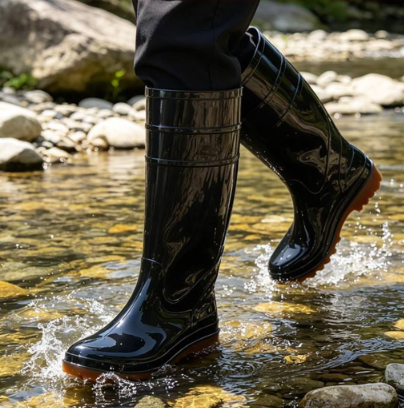
These problems impact a range of industrial tasks, including warehouse cleaning with standing water, food processing plant operations with frequent liquid spills, livestock handling in muddy or wet environments, and outdoor maintenance work in rainy conditions. Each scenario requires footwear that adapts to constant moisture exposure, while maintaining grip on uneven or slick surfaces.
2. Product and Process Principle
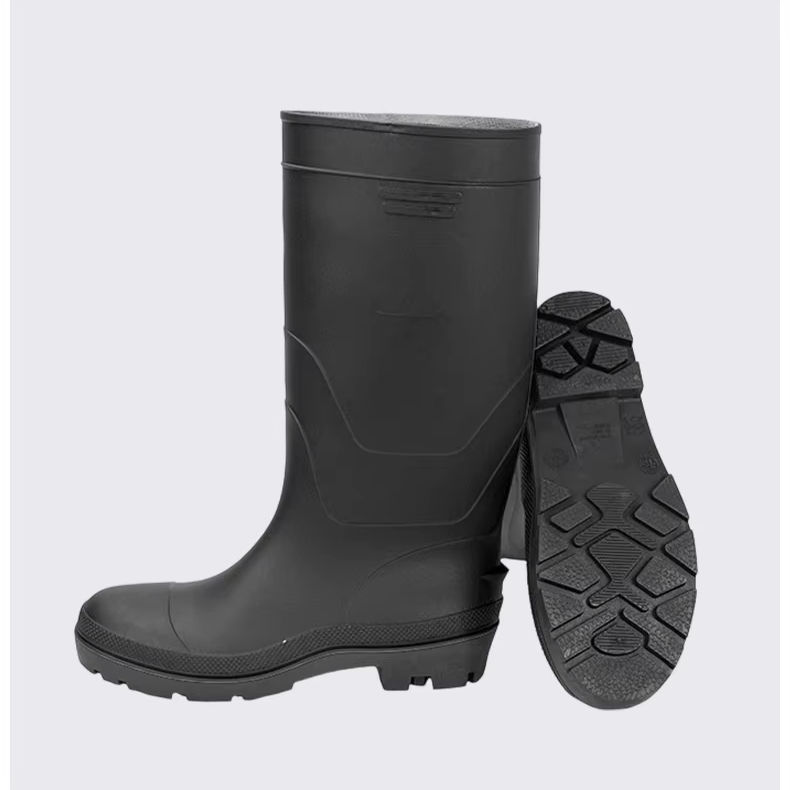
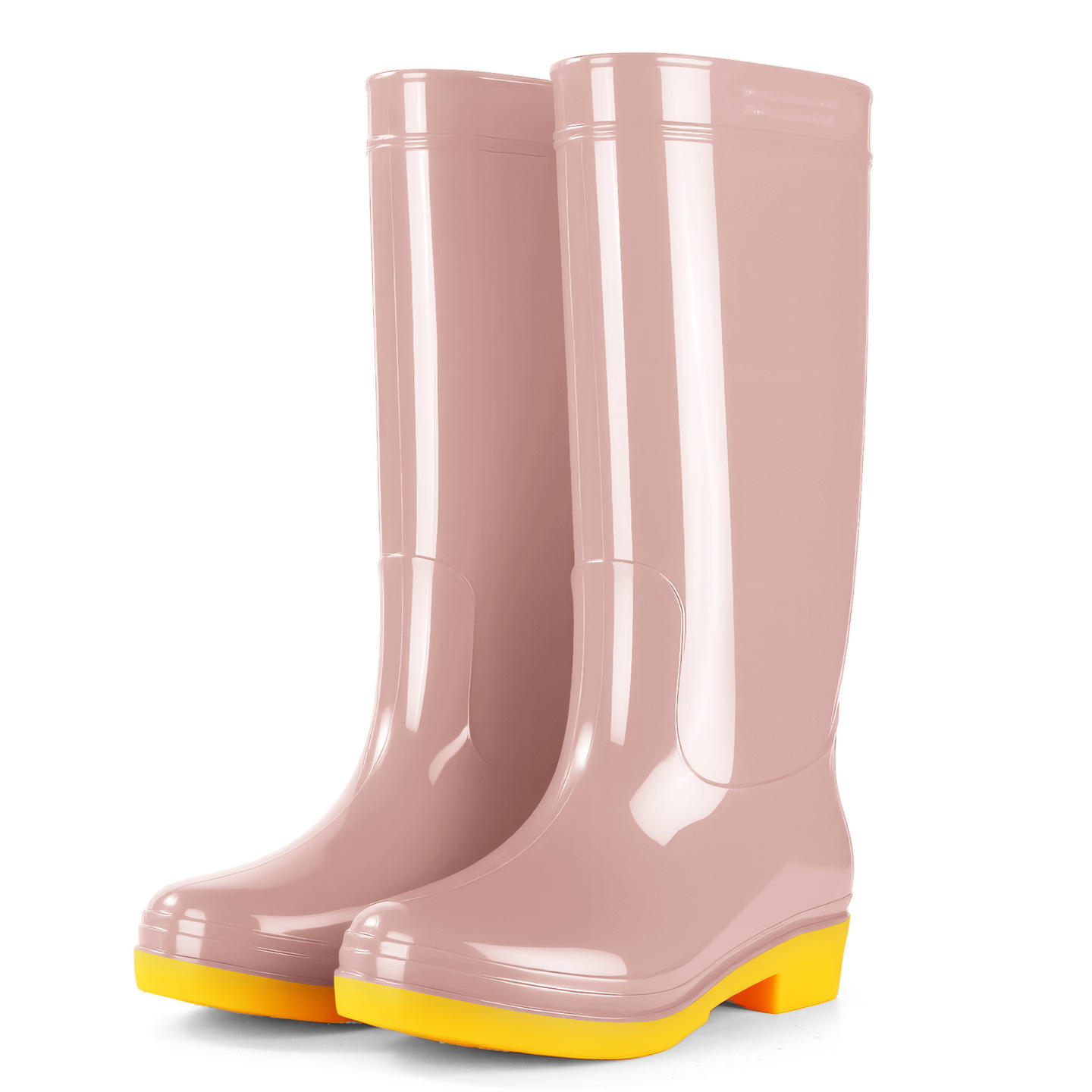
Slip-resistant boots with cotton lining combine two key design elements to address wet environment needs: a formulated rubber or PVC outsole with textured patterns for traction, and a breathable cotton inner lining. The outsole’s compound is calibrated to resist water absorption and maintain grip on wet surfaces, as defined by testing protocols from ISO 20344:2021. The cotton lining provides a soft, moisture-wicking layer that reduces trapped sweat, preventing the soggy, cold feel common in unlined waterproof boots.
A Professional Rain Boot Manufacturer notes that seamless construction and precise thickness control further enhance performance. Seamless design eliminates potential leak points at the boot’s shaft or midsole, while a balanced thickness of 3mm to 5mm (depending on material) ensures flexibility without compromising waterproof integrity. Injection molding or vulcanization processes are used to bond the outsole to the upper, creating a durable, gap-free structure ideal for heavy industrial use.
3. Practical Solutions and Operation Steps
When selecting slip-resistant boots with cotton lining for wet industrial work, follow these actionable steps to ensure suitability for specific tasks:
- Match outsole testing to work conditions: Choose boots tested under EN ISO 20347:2022+A1:2024 for slip resistance on oily, water, or chemical-contaminated surfaces.
- Evaluate lining quality: Ensure the cotton lining is stitched or bonded to the inner boot to avoid shifting during movement, which can reduce comfort and create friction points.
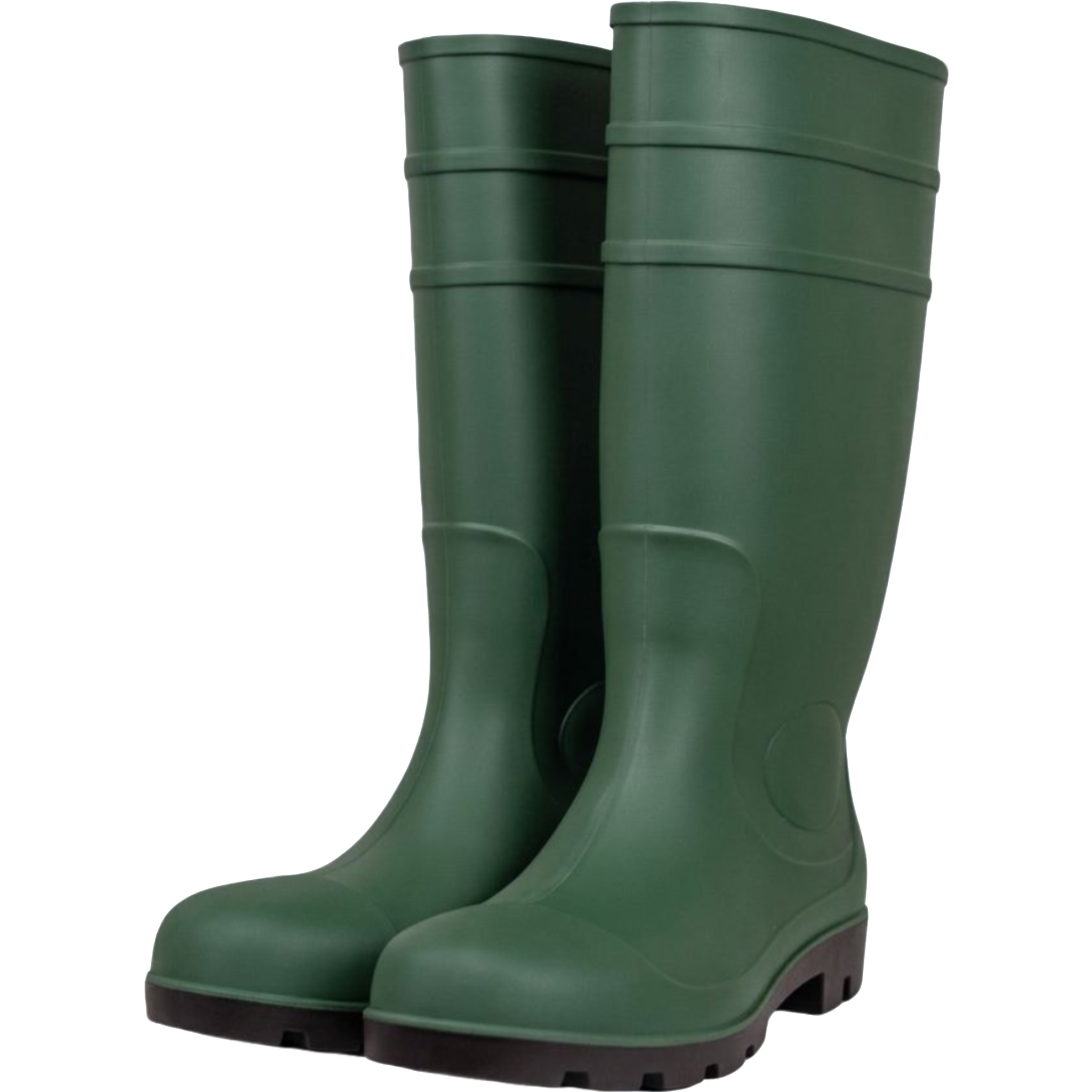
- Check shaft height: Opt for a mid-calf or high-calf shaft to prevent water or liquid spills from entering, unless the work task requires a lower profile for tight space access.
- Confirm size fit: Select a size that allows a thin moisture-wicking sock to be worn with the boot, while still providing enough room for foot movement during long shifts.
- Verify material suitability: For environments with occasional chemical exposure, choose a boot with a rubber upper rated for limited chemical contact, not just standard waterproof PVC.
4. Daily Maintenance and Precautions
Proper maintenance extends the lifespan of slip-resistant boots with cotton lining and preserves their performance in wet environments. Start by removing mud or liquid debris after each use with a soft brush and mild soap; avoid strong solvents or abrasive cleaners, as these can damage both the outsole’s traction pattern and the cotton lining’s soft texture.
After cleaning, air the boots in a shaded, well-ventilated area away from direct sunlight or heat sources (like radiators or heaters). Excessive heat can warp the outsole and cause the cotton lining to shrink or degrade. For minor odors, stuff the boots with newspaper to absorb moisture, and avoid leaving boots submerged in water for extended periods, as this can weaken the bond between the outsole and upper. Never use these boots as a replacement for certified safety toe footwear, as standard slip-resistant designs do not meet impact or compression resistance requirements for heavy industrial tasks.
5. Industry Standard and Parameter Reference
ParameterRecommended ReferenceWhy It Matters
Slip resistance (wet surface)EN ISO 20347:2022+A1:2024 SRC testingConfirms grip on water and oily surfaces, critical for industrial settings.
Occupational waterproof footwearISO 20347:2021 Category OBDefines basic waterproof performance for non-safety work boots.
Cotton lining durabilityNo specific standard, but testing per ASTM F2412-24 for inner material abrasionEvaluates lining resistance to friction during daily use.
Chemical resistance (limited)EN 13832-3:2018 Type A rating for water-based chemicalsRelevant for workplaces with occasional liquid spill exposure.
It is important to note that these parameters serve as reference points, and users should verify that a boot’s product label explicitly references the applicable standard for their specific work environment.
6. Customer Common FAQ
Q: Can cotton lining boots be fully waterproof for heavy industrial use?
A: The cotton lining adds breathability but will absorb excess water if the boot is submerged for long periods. A Professional Rain Boot Manufacturer advises that for heavy submersion tasks, look for boots with a cotton lining bonded to a waterproof membrane between the outer material and inner lining.
Q: How do I test if a boot’s outsole has sufficient slip resistance for my work?
A: Check for a SRC slip resistance rating, which is the highest non-safety rating under EN ISO 20347:2022+A1:2024, indicating performance on both wet and oily surfaces. Avoid boots with generic "slip-resistant" claims without a referenced standard.
Q: Should I size up for cotton-lined work boots?
A: Most users size up slightly to accommodate moisture-wicking socks, as the cotton lining does not shrink significantly with regular use. For precise fit, measure feet at the end of a workday, when they are slightly expanded from standing.
Q: How do I remove odors from the cotton lining?
A: After cleaning, stuff the boots with newspaper and leave them in a shaded area for 24 to 48 hours. For persistent odors, use a mild, fragrance-free detergent to spot-clean the lining, then air thoroughly.
Q: Are these boots suitable for cold outdoor work?
A: Cotton lining provides some warmth, but for sub-zero temperatures, look for boots with a fleece lining beneath the cotton layer, as standard cotton does not provide sufficient insulation for freezing conditions. Professional Rain Boot Manufacturer recommends checking for cold resistance references if working in temperatures below 5°C (41°F).
Conclusion
Slip-resistant boots with cotton lining address key challenges of wet industrial work, balancing traction, breathability, and comfort for long shifts. By aligning boot selection with relevant industry standards, following maintenance best practices, and understanding product limitations, workers and procurement teams can choose footwear that reduces accidents and improves daily performance. Professional Rain Boot Manufacturer emphasizes that informed, standard-aligned choices are critical for both worker safety and equipment durability in wet industrial settings.
References
- International Organization for Standardization. ISO 20344:2021, Footwear - Test methods for whole shoe. 2021.
- International Organization for Standardization. ISO 20347:2021, Occupational footwear. 2021.
- European Committee for Standardization. EN ISO 20347:2022+A1:2024, Occupational footwear. 2024.
- American Society for Testing and Materials. ASTM F2412-24, Standard test methods for footwear. 2024.