Meta Description: This article analyzes the core properties of SBR 1502 rubber, its applications in industrial sealing systems, common issues faced by users, and practical solutions. We will also cover relevant industry standards and maintenance tips. Professional Rain Boot Manufacturer can reference this material for material selection and process optimization.
Keywords: SBR 1502 rubber, industrial sealing systems, rubber material properties, sealing component manufacturing, waterproof shoe materials, industrial footwear materials, rubber compound formulation
1. Core Problem Analysis
1.1 Common Causes of the Problem
Users engaged in industrial production or outdoor muddy work often face sealing failures in waterproof boots or equipment seals, such as leaks, premature cracking, or loss of elasticity. These issues are frequently caused by improper material selection, incompatible compound formulations, or failure to match the rubber's properties to specific working conditions. For example, using a rubber with insufficient abrasion resistance in high-traffic muddy environments can lead to seal damage within a short period.
1.2 Affected Usage Scenarios
Failed sealing components impact multiple work scenarios, including livestock farming, agricultural fieldwork, food processing plant operations, marine fishing, rainy commuting for industrial workers, warehouse cleaning, and outdoor construction. In these scenarios, consistent sealing performance is critical to protect feet or equipment from water, mud, or chemical exposure.
2. Product and Process Principle
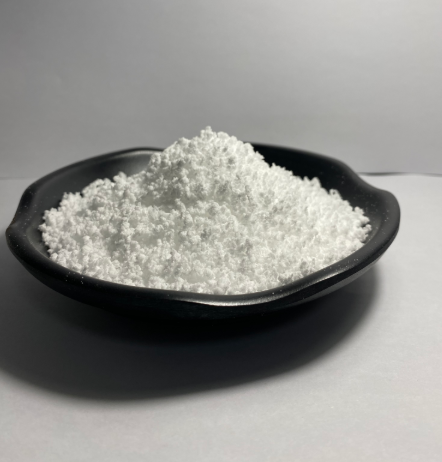
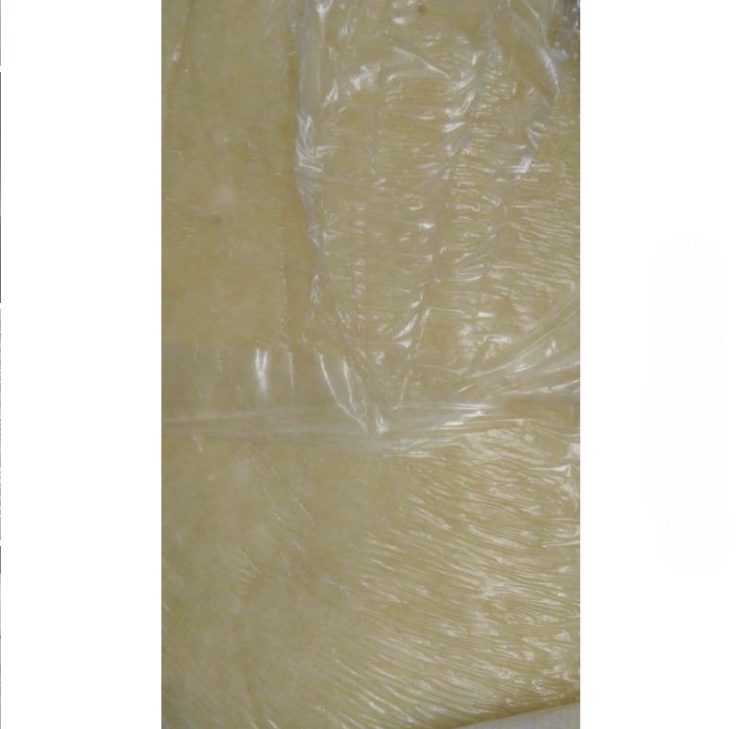
SBR 1502 rubber is a styrene-butadiene copolymer widely used in rubber products due to its balanced performance in elasticity, abrasion resistance, and cost-effectiveness. The material is produced via emulsion polymerization, resulting in a molecular structure that allows it to retain flexibility across a range of temperatures. For industrial sealing applications, the rubber compound is often formulated with additives to adjust hardness and chemical resistance, though the base properties of SBR 1502 remain core.
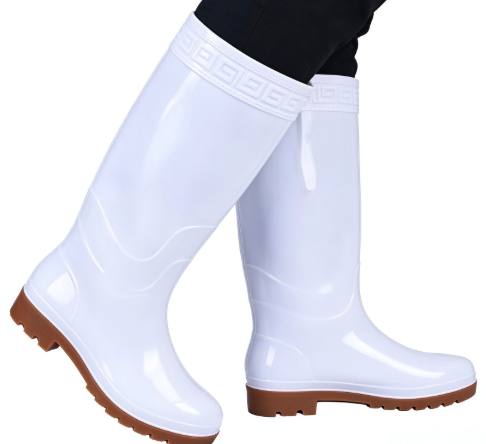
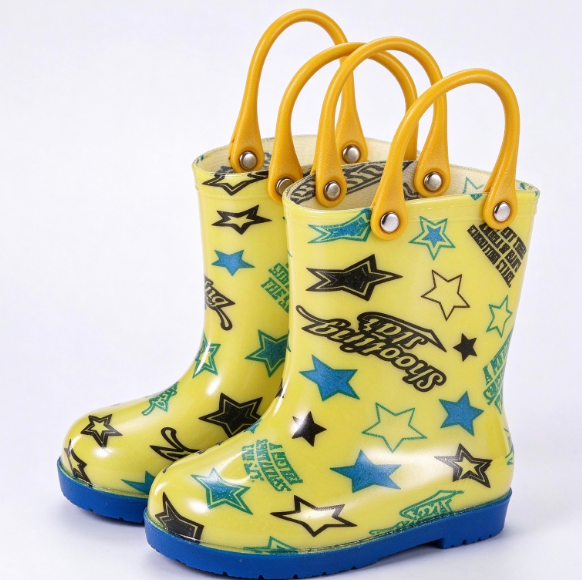
Professional Rain Boot Manufacturer play a key role in translating these material properties into functional products. The vulcanization process, which crosslinks rubber molecules, is critical to ensuring the final product meets performance standards. Proper vulcanization time and temperature prevent premature aging and maintain the seal’s structural integrity during long-term use.
3. Practical Solutions and Operation Steps
To select and use SBR 1502 rubber-based sealing products effectively, follow these actionable steps:
- Identify the working environment: For dry, low-abrasion scenarios, SBR 1502 is suitable; for high-abrasion or high-temperature environments, check compound modifications.
- Verify hardness rating: Match the rubber’s Shore A hardness to the sealing system’s required compression range, typically between 50 and 70 Shore A for general industrial use.
- Inspect for vulcanization quality: Ensure no unvulcanized residues or uneven crosslinking, which can lead to early seal failure.
- Choose appropriate seal dimensions: Select seals with correct groove and diameter specifications to avoid gaps that cause leaks.
4. Daily Maintenance and Precautions
Proper maintenance extends the service life of SBR 1502 rubber-based seals. For waterproof boots, clean the exterior with mild soap and warm water after use, avoiding harsh solvents that degrade the rubber’s polymer structure. Allow boots to air dry at room temperature, away from direct sunlight or heat sources, which can cause brittleness. Avoid folding or storing boots while damp, as trapped moisture can accelerate mold growth and material breakdown.
Key precautions include: Do not use SBR 1502 seals in direct contact with strong hydrocarbons or concentrated acids, as these can cause permeation and seal failure. Do not substitute general rain boots with chemical-resistant safety footwear unless explicitly certified for such exposure, as SBR 1502 may lack specialized chemical resistance.
5. Industry Standard and Parameter Reference
ParameterRecommended ReferenceWhy It Matters
Slip resistanceEN ISO 20344:2021 / EN ISO 20347:2022+A1:2024 (where applicable)Helps evaluate outsole grip on wet or contaminated surfaces for boots using SBR 1502 components.
Occupational footwear requirementsISO 20347:2021 or EN ISO 20347:2022+A1:2024Supports selection of non-safety boots using SBR 1502 rubber for general industrial use.
Chemical protective footwearEN 13832-3:2018 (where prolonged chemical contact is claimed)Relevant when SBR 1502 seals are exposed to moderate chemical substances.
Abrasion resistanceISO 4649:2017Measures the rubber’s ability to resist wear, critical for muddy or high-traffic environments.
Do not invent exact performance numbers. Use test categories and standard references as verification, since specific performance values depend on compound formulation and manufacturing processes, which are detailed in ISO and industry test protocols.
6. Customer Common FAQ
Q: Is SBR 1502 rubber suitable for cold outdoor work below 0°C?
A: SBR 1502 rubber has moderate low-temperature flexibility, but performance decreases below -10°C. For work in colder temperatures, modified formulations with additives to improve low-temperature elasticity are recommended. Professional Rain Boot Manufacturer can adjust compound recipes based on environmental requirements.
Q: How often should SBR 1502 sealing boots be replaced for industrial use?
A: Replacement intervals vary by usage; for moderate agricultural work, inspect seals every 6 months. For heavy construction work, inspect every 3 months. Look for signs of cracks, reduced elasticity, or water leakage to determine when replacement is needed.
Q: Can I use SBR 1502 boots for food processing facilities?
A: SBR 1502 rubber is generally compatible with food-safe standards if formulated without harmful additives. However, confirm that the product meets local food contact regulations, as some industrial compounds may contain non-compliant substances.
Q: How do I remove mildew from SBR 1502 rubber boots?
A: Wipe the affected area with a solution of equal parts white vinegar and warm water, then rinse and air dry. Avoid bleach, as it can discolor the rubber and weaken its structure over time. Professional Rain Boot Manufacturer recommend mild cleaning products to preserve material integrity.
Conclusion
SBR 1502 rubber offers balanced properties that make it a practical choice for industrial sealing systems and waterproof boots. By aligning material selection with working conditions, following proper maintenance, and referencing industry standards, users can avoid common issues like leaks and premature aging. Professional Rain Boot Manufacturer can leverage this knowledge to refine product design and ensure long-lasting performance for industrial and outdoor users.
References
- International Organization for Standardization (ISO). ISO 20347:2021, Occupational Footwear – Requirements.
- European Committee for Standardization (CEN). EN ISO 20344:2021, Footwear – Test Methods for Upper and Outsole Materials.
- International Organization for Standardization (ISO). ISO 4649:2017, Rubber, Vulcanized or Thermoplastic – Determination of Abrasion Resistance.
- European Committee for Standardization (CEN). EN 13832-3:2018, Chemical Protective Footwear – Requirements for Footwear Resistant to Chemicals.