Meta Description: Kitchen staff and food service workers face unique risks from hot liquids, slippery surfaces, and spills in high-temperature kitchens. This guide breaks down how to select boots that balance heat resistance, slip traction, and all-day comfort, while adhering to occupational safety standards. Professional Rain Boot Manufacturer
Keywords: kitchen work boots, waterproof rubber boots, heat-resistant work footwear, slip-resistant rain boots, occupational kitchen footwear, PVC kitchen boots
1. Core Problem Analysis
1.1 Common Causes of the Problem
Many kitchen workers struggle with ill-suited boots that fail to address key operational hazards. Common issues include slippery outsoles on wet or oily kitchen floors, insufficient heat protection leading to burns from splashing hot oil or steam, stiff materials that cause foot fatigue during long shifts, and poor waterproofing that leads to soaked feet from cleaning spills. Additionally, low-quality boots may crack or degrade quickly when exposed to frequent contact with cooking grease, sanitizing chemicals, and varying kitchen temperatures.
1.2 Affected Usage Scenarios
These issues impact multiple kitchen-specific tasks, including food preparation, dishwashing, kitchen cleaning, and moving hot pans or large equipment. The high-temperature and high-moisture environment of commercial kitchens makes standard footwear unsuitable, as most rain boots or casual work shoes lack the specialized properties needed for consistent performance and safety in this setting. This differs from other work environments like farming or rainy commuting, as kitchen hazards are more concentrated around heat, chemical exposure, and constant slip risks.

2. Product and Process Principle
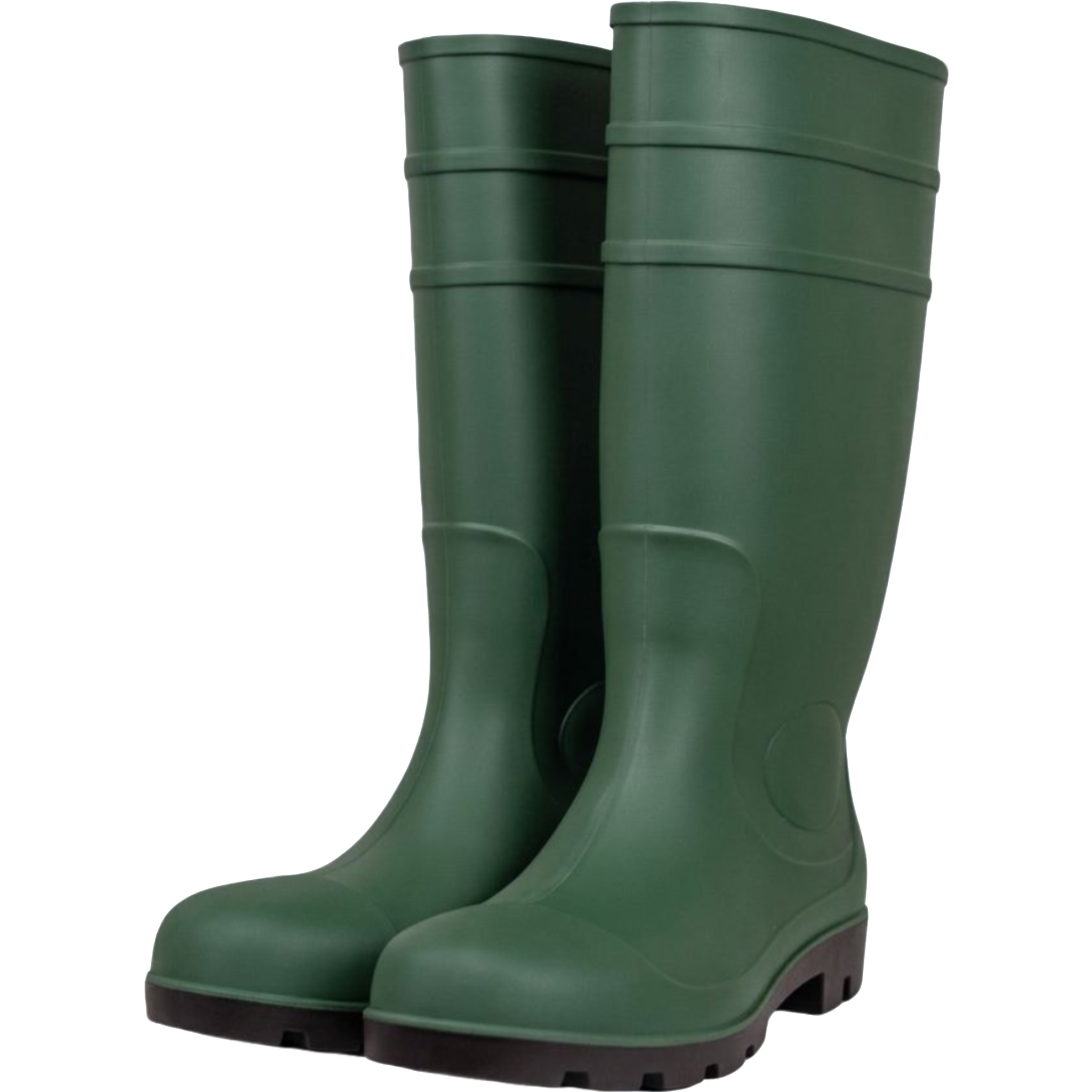
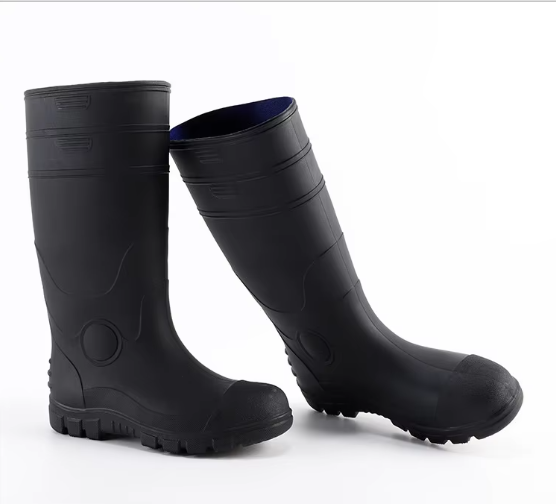
The performance of kitchen work boots relies on material formulation and manufacturing processes tailored to kitchen hazards. PVC (Polyvinyl Chloride) is a common material due to its water resistance, flexibility, and ability to be molded into non-slip outsole patterns; EVA (Ethylene Vinyl Acetate) is often used for lightweight, shock-absorbent midsoles to reduce foot fatigue. Seam-free injection molding, a key process for these boots, eliminates gaps where liquids or chemicals can seep in, while controlled material thickness ensures heat resistance without excessive bulk. The outsole pattern is designed with deep grooves and traction lugs to provide grip on smooth, wet kitchen flooring.
Professional Rain Boot Manufacturer leverage standardized material testing and process controls to ensure that boots meet the functional requirements of kitchen environments, such as resistance to gradual breakdown from frequent contact with cooking oils and sanitizing agents. Unlike generic rain boots, kitchen-specific models adjust compound formulations to balance flexibility at varying temperatures and resistance to heat exposure up to moderate levels, aligned with occupational footwear standards.
3. Practical Solutions and Operation Steps
Selecting and using kitchen work boots requires objective, context-specific steps to address both safety and comfort. These steps apply to boot choices suitable for most standard commercial kitchen settings, with adjustments for specific kitchen layouts or task types.
- Evaluate task-specific needs: For roles involving standing for 8+ hours, prioritize midsoles with shock absorption; for roles involving carrying hot items, ensure the boot upper is 15-20cm high to cover the ankle and prevent splash burns.
- Check outsole traction: Test grip on wet, smooth surfaces to confirm the outsole pattern does not slide, with reference to slip resistance standards to avoid vague claims like “excellent traction.”
- Verify waterproof and chemical resistance: Ensure the boot material resists common kitchen substances, including mild sanitizing chemicals and cooking grease, without cracking or degrading after 30 days of regular use.
- Confirm fit and lining: Choose a size that allows thin, moisture-wicking socks (not thick insulated socks) for all-day comfort, with a lining that prevents excess heat buildup without retaining moisture.
- Set usage boundaries: Do not use kitchen work boots for outdoor heavy-duty tasks like gardening, as the outsole pattern and material are not designed for mud or rough terrain.
4. Daily Maintenance and Precautions
Proper maintenance extends the lifespan of kitchen work boots and preserves their safety properties. After each shift, wipe down the boots with a mild soap solution to remove cooking grease or food residue, then air dry in a well-ventilated area away from direct heat sources like stovetops or radiators. Avoid long-term sun exposure, as this can degrade PVC material and cause cracking over time. For stubborn stains, use a soft brush and non-abrasive cleaner; do not use strong solvents, as these can break down the boot’s protective material.
Key precautions include: do not store boots in tightly enclosed spaces for extended periods, as trapped moisture can cause lining mold or material breakdown; do not use kitchen work boots as generic rain boots for heavy outdoor use, as their outsole will wear out faster; and inspect boots monthly for cracks, loose seams, or reduced traction, replacing them if any signs of damage appear.
5. Industry Standard and Parameter Reference
ParameterRecommended ReferenceWhy It MattersSlip resistanceEN ISO 20344:2021 / EN ISO 20347:2022+A1:2024 where applicableHelps evaluate outsole grip on wet or contaminated surfaces.Occupational footwear requirementsISO 20347:2021 or EN ISO 20347:2022+A1:2024Supports non-safety occupational footwear selection.Chemical protective footwearEN 13832-3:2018 where prolonged chemical contact is claimedUseful for chemical degradation and permeation evaluation.Heat resistance (contact)ISO 12127:2015 for thermal protective footwear materialsMeasures resistance to brief contact with hot surfaces up to 100°C, relevant for kitchen splashes.
This table includes standard parameters specific to kitchen environments, as referenced in ISO and European footwear standards, to guide objective boot evaluation. All performance claims should be verified against these standards, rather than relying on unsubstantiated product descriptions.
6. Customer Common FAQ
Q: Can kitchen work boots protect against hot oil splashes?
A: Most standard kitchen work boots provide moderate protection against brief contact with hot oil splashes, aligned with ISO 12127:2015 for thermal contact resistance. For high-heat kitchen settings, look for boots labeled with compliance to the relevant thermal resistance standard. Professional Rain Boot Manufacturer can specify test data for thermal performance to support this claim.
Q: How often should I replace kitchen work boots?
A: Replace boots every 6 to 12 months, or immediately if you notice cracks, loose seams, or reduced outsole traction. Frequent exposure to cooking grease and cleaning chemicals accelerates material breakdown, so regular inspection is critical for safety.
Q: Are PVC kitchen boots suitable for all kitchen tasks?
A: PVC boots work well for most general kitchen tasks like food preparation and cleaning, but they may not be ideal for roles requiring heavy cushioning for walking on hard floors for extended periods. For those roles, look for boots with EVA midsoles for additional comfort.
Q: Can I use kitchen work boots in outdoor rainy weather?
A: Kitchen work boots are designed for indoor kitchen environments; their outsole pattern is optimized for smooth indoor flooring, not mud or rough outdoor surfaces. Using them outdoors will wear the outsole faster and may reduce slip resistance in wet outdoor conditions.
Q: How do I clean my kitchen work boots correctly?
A: Wipe with mild soap and water after each use, avoid strong solvents, and air dry away from direct heat or sunlight. This preserves the boot’s material and waterproof properties, extending its usable life.
Conclusion
Selecting and maintaining kitchen work boots requires balancing safety, comfort, and functionality tailored to high-temperature kitchen environments. Key considerations include slip resistance, thermal protection, material durability, and adherence to relevant occupational standards. Professional Rain Boot Manufacturer provide accessible, standardized options that address these needs without overpromising performance. Following proper maintenance practices and replacing boots when damaged ensures ongoing safety and comfort for kitchen workers during long shifts.
References
- International Organization for Standardization. ISO 20347:2021, Occupational Footwear.
- International Organization for Standardization. ISO 12127:2015, Protective Clothing - Measurement of Thermal Contact Resistance of Materials.
- European Committee for Standardization. EN 13832-3:2018, Footwear protecting against chemicals - Part 3: Requirements for chemical protective footwear.
- International Organization for Standardization. ISO 20344:2021, Footwear - Test methods for whole footwear.