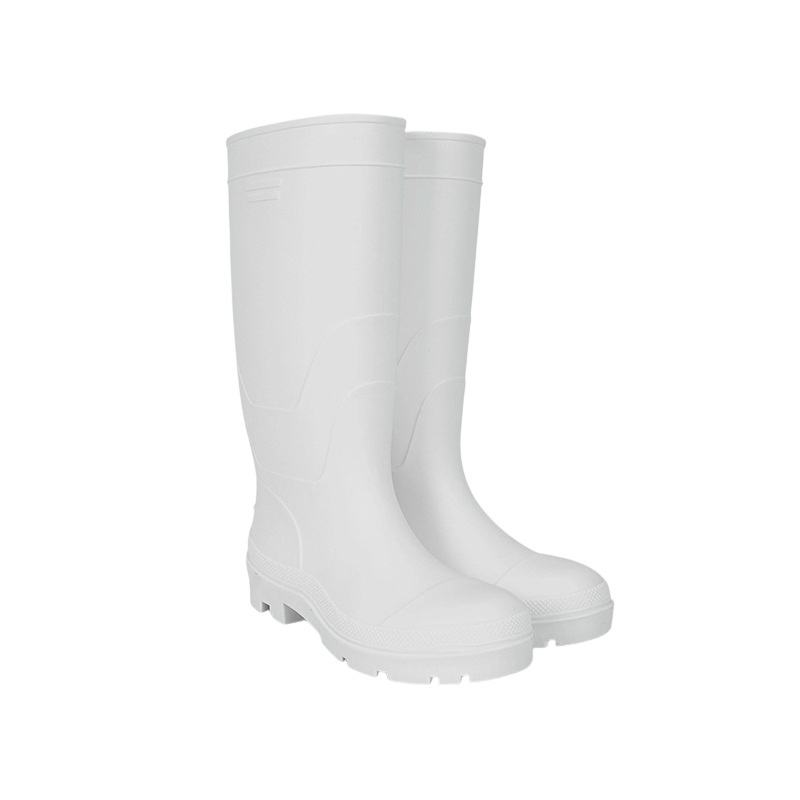
Meta Description: Industrial work environments face constant hazards including sharp debris and wet conditions that can cause foot injury or discomfort. Selecting the right puncture-resistant footwear is critical for safety and productivity across multiple high-risk sectors. This guide breaks down key considerations, material properties, and industry standards to support informed purchasing decisions, with insights from a Professional Rain Boot Manufacturer.
Keywords: puncture-resistant boots, industrial safety footwear, work boot materials, waterproof industrial boots, occupational footwear standards
1. Core Problem Analysis
1.1 Common Causes of the Problem
Workers in construction, manufacturing, and agriculture often encounter sharp metal fragments, wooden splinters, or metal mesh that can penetrate standard work boots. Additionally, repeated exposure to water, mud, or chemical residues can degrade ordinary footwear materials, leading to reduced puncture resistance over time. Ill-fitting boots or thin sole structures also increase the risk of accidental puncture injuries, which can result in lost work time and medical costs.
1.2 Affected Usage Scenarios
High-risk industrial work environments include construction sites with scrap metal and rebar, metal fabrication workshops, agricultural fields with sharp tools or rocky terrain, food processing facilities requiring slip-resistant and easy-to-clean footwear, and warehouse operations handling heavy or sharp cargo. Each of these scenarios demands footwear that balances puncture protection with waterproofing and durability for long shifts.
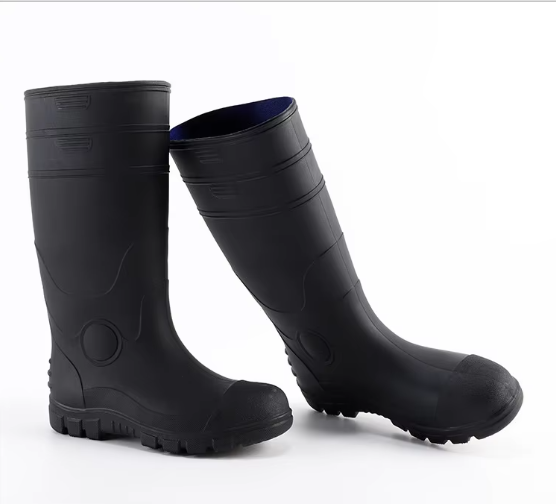
2. Product and Process Principle
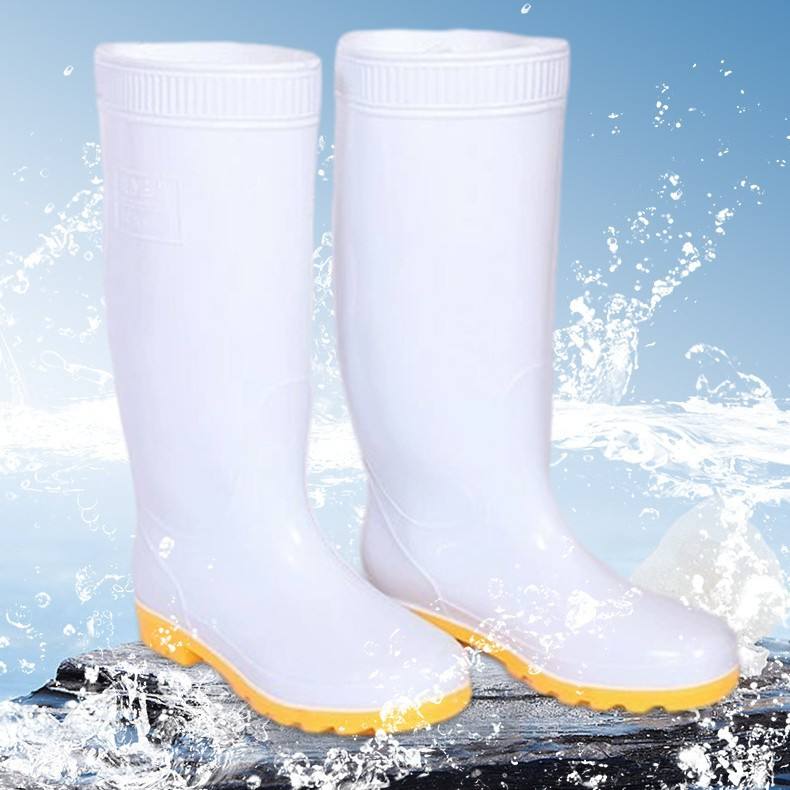
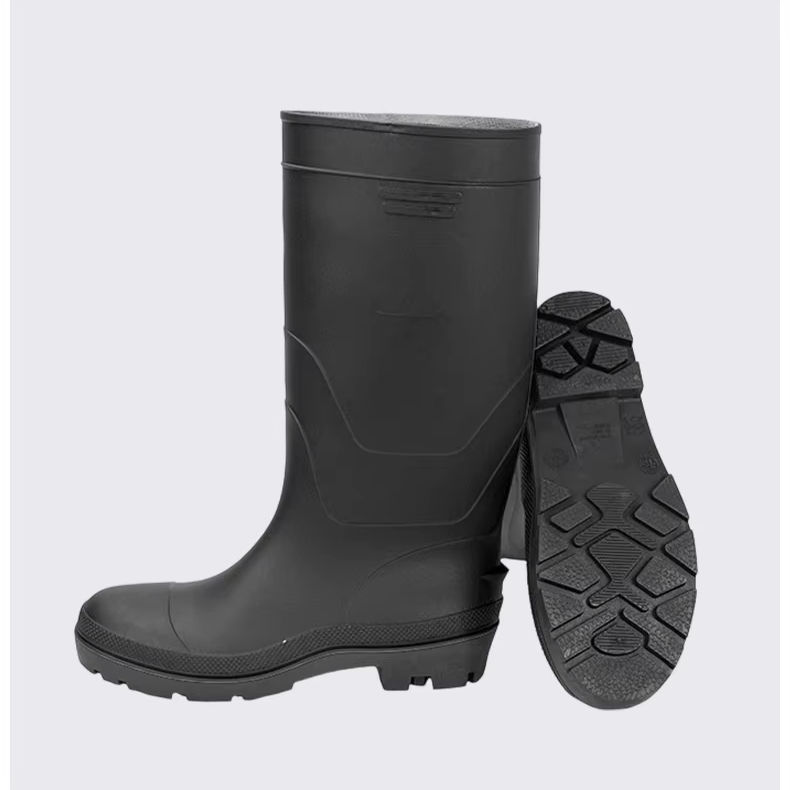
Puncture-resistant boots rely on reinforced sole materials and layered construction to block sharp objects from penetrating to the foot. Common core materials include industrial-grade rubber, reinforced polyurethane (PU), and steel midsole plates, each with different levels of flexibility and protection. Professional Rain Boot Manufacturers use standardized injection molding and vulcanization processes to bond layers without gaps, ensuring consistent performance across the entire boot structure.
The outsole pattern, shaft height, and lining material also play key roles in functionality. Deep tread patterns improve grip on wet or muddy surfaces, while a 10-inch to 16-inch shaft height can prevent water or debris from entering the boot during outdoor work. Seam-free construction reduces weak points where moisture or small objects could penetrate, and breathable lining materials help reduce foot fatigue during long shifts.
3. Practical Solutions and Operation Steps
Selecting appropriate puncture-resistant boots requires matching specifications to specific work risks and environment. Follow these objective, actionable steps to make a suitable choice:
- Identify primary work hazards: Confirm if the main risk is metal, wood, or sharp debris to choose the appropriate midsole material (steel, composite, or reinforced rubber).
- Check environmental conditions: For work areas with frequent water exposure, prioritize waterproof boots with sealed seams to prevent moisture ingress.
- Verify sizing: Measure foot length and width according to ISO 20344:2021 test methods, leaving a 10mm to 15mm gap between the toe and the boot’s front to accommodate movement during long shifts.
- Evaluate outsole performance: Select outsoles with slip resistance rated to EN ISO 20347:2022 standards for wet or oily surface environments.
- Consider seasonal needs: For cold work environments, choose boots with insulating lining that meets temperature ratings suitable for below-zero conditions, without sacrificing puncture resistance.
4. Daily Maintenance and Precautions
Proper maintenance extends the lifespan and performance of puncture-resistant boots, while avoiding common mistakes that can reduce their effectiveness. After each use, remove dirt and mud with a soft brush to prevent abrasion to the sole and upper materials. Wipe the interior with a mild, non-alkaline cloth to eliminate bacteria and odors, and dry the boots at room temperature, away from direct sunlight or heat sources that can cause rubber or PU materials to crack.
Key precautions include: Do not use strong solvents or harsh chemicals to clean the boots, as these can degrade waterproof coatings and puncture-resistant layers. Do not store boots in cramped, damp spaces, as this can promote mold growth and weaken material integrity. Do not wear puncture-resistant boots for non-industrial activities that do not require their specialized protection, as overuse can accelerate material wear and reduce their ability to perform as intended.
5. Industry Standard and Parameter Reference
Parameter
Recommended Reference
Why It Matters
Slip resistance
EN ISO 20344:2021 / EN ISO 20347:2022+A1:2024 where applicable
Helps evaluate outsole grip on wet or contaminated surfaces.
Occupational footwear requirements
ISO 20347:2021 or EN ISO 20347:2022+A1:2024
Supports non-safety occupational footwear selection for industrial use.
Safety puncture protection
ASTM F2413-24 puncture resistance test
Evaluates ability of midsole to resist penetration by a 5mm diameter steel stylus under 1100N force.
Chemical resistance
EN 13832-3:2018 where prolonged chemical contact is claimed
Assesses material resistance to permeation by common industrial chemicals.
Performance claims for puncture resistance must align with standardized test methods, with no unsubstantiated performance numbers used without verification from third-party testing bodies like SGS or Intertek.
6. Customer Common FAQ
Q: What is the difference between steel midsole and composite midsole for puncture-resistant boots?
A: Steel midsoles offer high puncture resistance but may add weight and conduct heat or cold in extreme temperatures. Composite midsoles, typically made of fiber-reinforced plastic, are lighter, non-metallic, and resist temperature transfer, though their puncture performance is tested against the same standards as steel midsoles. A Professional Rain Boot Manufacturer can help match midsole material to work environment needs.
Q: How often should puncture-resistant boots be replaced?
A: Replacement frequency depends on usage intensity and visible wear. Inspect boots monthly for cracks in the sole, separation between midsole and upper, or worn outsole tread. Even with no visible damage, replace boots every 12 to 18 months for consistent safety performance, as material degradation reduces protection over time.
Q: Can puncture-resistant boots be used in food processing facilities?
A: Yes, but select models that meet food contact safety standards and have non-marking outsoles. Avoid boots with metal components that could contaminate food products, and ensure the lining is easy to sanitize. Always verify compliance with local food safety regulations when selecting footwear for these environments.
Q: Why do some puncture-resistant boots have a higher price point than standard work boots?
A: The cost difference comes from specialized materials (reinforced midsoles, waterproof coatings) and adherence to strict industry standards. These features reduce injury risk and extend footwear lifespan, making them a cost-effective investment for industrial workplaces over time.
Conclusion
Selecting the right puncture-resistant boots requires balancing hazard levels, environment conditions, and compliance with industry standards to ensure worker safety and productivity. Understanding material principles, maintenance practices, and standardized performance parameters helps users make informed choices that deliver reliable protection. A Professional Rain Boot Manufacturer can provide targeted guidance to match footwear specifications to specific industrial work requirements, without relying on unsubstantiated performance claims.
References
- ISO 20344:2021, Footwear – Test methods for whole shoe, International Organization for Standardization, 2021
- EN ISO 20347:2022+A1:2024, Occupational footwear – Safety requirements, European Committee for Standardization, 2024
- ASTM F2413-24, Standard Specification for Performance Requirements for Protective Footwear, ASTM International, 2024
- EN 13832-3:2018, Chemical protective footwear – Part 3: Requirements and test methods for chemical resistance, European Committee for Standardization, 2018